The Influence of Art on Mental Health: Exploring Art Therapy as a Creative Hobby
The Healing Power of Art
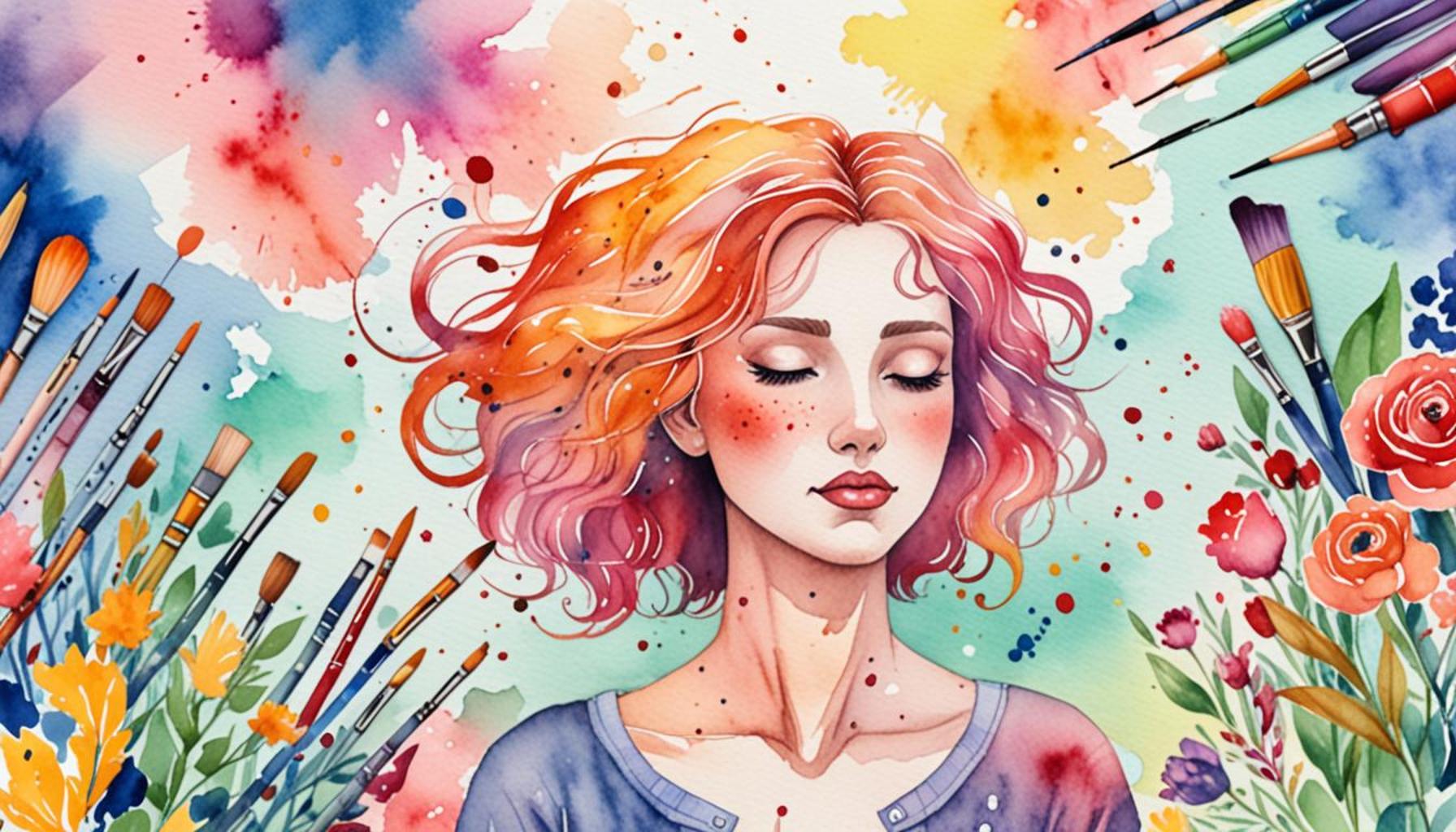
Art has long been appreciated as a vehicle for self-expression, but its role as a tool for mental health is receiving heightened attention. Engaging in artistic activities allows individuals not just to showcase creativity but also to find a path to emotional relief and self-understanding. As people seek newer, holistic approaches to mental wellness, the integration of art therapy into treatment methodologies is proving to be both innovative and effective.
Art therapy is a unique blend of psychology and the creative process that facilitates healing. Through this medium, participants discover a sanctuary where they can safely navigate their emotions, thoughts, and experiences. This approach empowers individuals to comprehend and engage with their feelings on a profound level. Some crucial aspects of art therapy include:
- Emotional expression: Many individuals grapple with articulating their emotions verbally, especially in challenging times. Art therapy provides alternative avenues for expression, allowing participants to convey feelings through colors, shapes, and forms. For instance, someone struggling with grief may find solace in creating a piece that symbolizes their loss, offering an outlet for emotion they otherwise might stifle.
- Stress relief: The process of creating art can serve as a significant stress reliever. Research suggests that engaging in creative activities can lower cortisol levels, the hormone primarily responsible for stress. Even simple activities, like doodling or painting, can immerse individuals in a meditative state, temporarily lifting their worries and anxieties.
- Empowerment: Finishing an art project fosters a meaningful sense of accomplishment, boosting self-esteem. Many art therapy sessions emphasize the importance of completion, allowing participants to witness their growth and creativity manifest physically. This sense of achievement can translate into other areas of their lives, promoting resilience in the face of challenges.
In the United States, mental health issues affect an astonishing number of people. According to the National Alliance on Mental Illness, one in five adults experiences mental illness every year. As more individuals seek unconventional treatment options, art therapy is becoming an essential component of a comprehensive mental health strategy. Institutions across the country—ranging from schools to veteran programs—are incorporating art therapy into their health services to help individuals cope with stress, anxiety, and PTSD.
Understanding how art impacts mental health not only illuminates its healing potential but also encourages people to explore creative hobbies. Activities like drawing, dancing, or even crafting can nurture emotional well-being. So, whether you’re doodling in a notebook or participating in a community art class, dabbling in art can become a vital form of self-care—a manageable step towards enhancing your mental health while enjoying the beauty of creativity.
DISCOVER MORE: Click here to learn about the mental health benefits of musical practice</a
Art as a Therapeutic Outlet
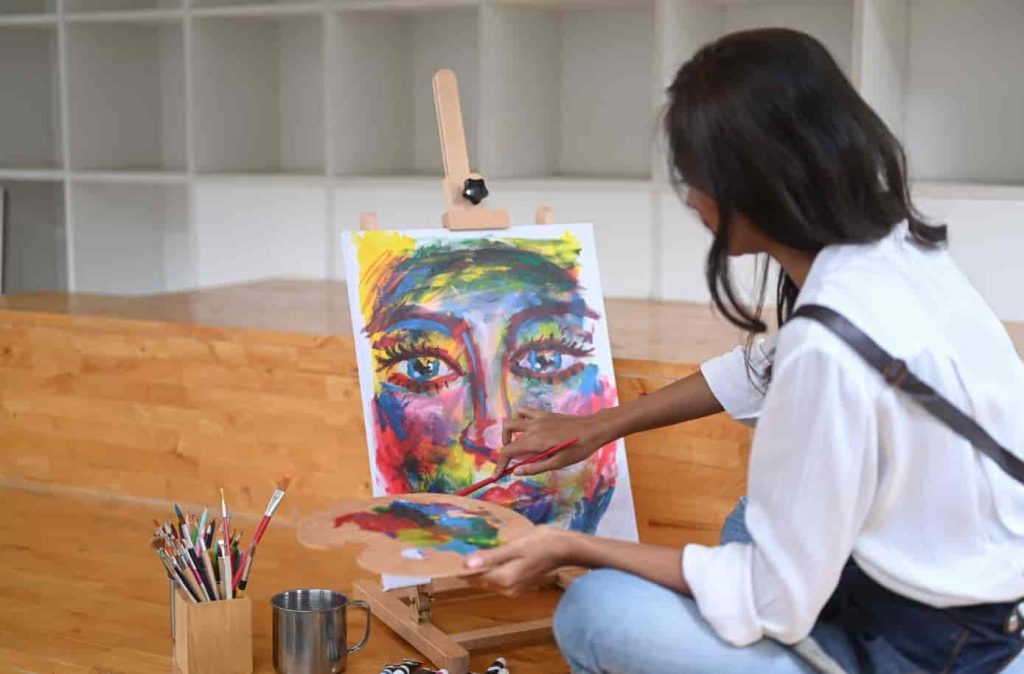
Art, in its many forms, serves as a vital conduit for human expression and communication. For those grappling with emotional turmoil, art can offer not only solace but also a means to articulate feelings that might otherwise remain suppressed. Art therapy stands as a testament to this potential, where creativity meets psychological healing. Research has uncovered a wealth of positive outcomes linked to art therapy, highlighting how participatory creative activities can bridge the gap between art and mental health.
At the core of art therapy lies the premise that the act of creating can facilitate profound emotional healing. Studies have shown that engaging in artistic endeavors triggers the brain’s reward system, releasing feel-good neurotransmitters such as dopamine. This chemical response can foster feelings of happiness and contentment, ultimately enhancing one’s overall mental well-being. Moreover, creating art encourages a state of mindfulness, drawing individuals into the present moment—an invaluable respite for those battling anxiety or depressive thoughts.
Several key elements of art therapy underscore its impact on mental health:
- Non-verbal communication: Many individuals struggle to articulate their emotions, particularly in therapy settings. Art therapy enables them to express themselves through visual mediums, giving voice to complex feelings that may be difficult to convey in words. For example, a person experiencing anxiety might depict their feelings through chaotic colors and forms, offering insight into their mental state without needing to verbalize it.
- Healing trauma: The use of art as a healing tool can be particularly beneficial for those with a history of trauma. Through creative processes, individuals can safely explore and process painful memories. Art can serve as a narrative, where the creator begins to work through their experiences, leading to catharsis and a renewed sense of control over their narrative.
- Community and connection: Participating in group art therapy sessions fosters a sense of belonging and connection among participants. Sharing creative experiences can diminish feelings of isolation, allowing individuals to bond over their shared struggles and triumphs. This communal aspect enhances emotional support and validation, critical components in the journey of healing.
The increasing recognition of art’s powerful influence on mental health is prompting various institutions in the United States to integrate art therapy into their programs. Schools are beginning to explore creative outlets as alternatives to traditional counseling methods, while hospitals and rehabilitation facilities are offering art therapy to support patients dealing with chronic conditions, anxiety, and PTSD. Evidence suggests that the use of creative hobbies, such as painting, sculpture, or music, can significantly contribute to emotional resilience and foster recovery across diverse populations.
It is essential to understand that art therapy is not an exclusive domain for trained artists. Rather, it invites individuals from all walks of life to engage with materials in liberating and innovative ways. As more people embark on artful journeys, whether through structured therapy or personal exploration, the profound benefits on mental health become increasingly accessible, making art a compelling choice for anyone seeking emotional nourishment.
The Therapeutic Benefits of Engaging in Art
Art therapy is a powerful practice that provides much more than simple creative expression. By engaging in various artistic activities, individuals can unlock a vital pathway for emotional healing and personal growth. The therapeutic benefits of art in relation to mental health are multifaceted, influencing aspects of well-being that often go unspoken.One of the most significant advantages of art therapy is its role in stress reduction. Studies have shown that engaging in creative activities significantly lowers cortisol levels, which is the hormone associated with stress. This natural release of stress enhances not only mental clarity but also physical health, paving the way for improved quality of life. The act of creating art allows individuals to focus their energy and thoughts on something productive, acting as a powerful distraction from overwhelming emotions or anxiety.In addition to stress relief, art therapy encourages self-expression. Many people find it challenging to articulate their feelings verbally, especially when dealing with complex emotions or trauma. Art acts as a non-verbal medium through which individuals can convey their thoughts, feelings, and experiences. Whether it’s painting, sculpting, or drawing, creative expression fosters a personal dialogue and can often reveal emotions that might otherwise remain hidden.Moreover, art therapy has been noted for its role in boosting self-esteem. The process of creating something tangible can give a sense of achievement and empowerment, especially for those who may feel they lack control in their lives. Completing an art project, regardless of its perceived quality, can provide profound satisfaction and a sense of accomplishment.By participating in art therapy as a creative hobby, individuals are not just nurturing their artistic side; they are also engaging in practices that provide emotional release and foster resilience. The journey explores the depths of one’s psyche, allowing individuals to heal and cope in a safe, nurturing environment.In summary, the influence of art on mental health is significant. From stress relief and self-expression to boosting self-esteem and resilience, art therapy emerges as a fruitful and engaging path toward mental well-being. It invites individuals to explore their inner worlds creatively, offering not only a hobby but a transformative experience.
| Category | Key Features |
|---|---|
| Stress Reduction | Decreases cortisol levels, enhancing emotional stability. |
| Self-Expression | Allows individuals to convey complex feelings non-verbally. |
| Boosts Self-Esteem | Fosters a sense of achievement and control through creativity. |
These essential benefits draw many individuals toward art therapy as a means to navigate and improve their mental health, underscoring the importance of creative hobbies in overall well-being.
DISCOVER MORE: Click here for sustainable gardening tips
Art Therapy in Diverse Settings
The reach of art therapy extends far beyond traditional therapy rooms, finding footholds in various environments where emotional well-being is paramount. Educational institutions, healthcare facilities, and community centers are increasingly adopting art therapy programs that cater to diverse needs and populations. This integration of art therapy into different settings demonstrates how creative expression can become an accessible tool for improving mental health across demographics.
In schools, especially, art therapy is proving invaluable in addressing mental health challenges among students. With the rising prevalence of anxiety, depression, and stress-related disorders among young people, educators and counselors are leveraging creative outlets to foster emotional resilience. Programs that include art therapy activities not only help students articulate their feelings but also enhance social skills, boost self-esteem, and promote healthy coping mechanisms. For example, a study conducted by the National Arts in Health project found that students engaged in art therapy showed measurable improvements in emotional regulation and behavioral conduct.
Moreover, healthcare settings are beginning to recognize the therapeutic power of art. Hospitals and rehabilitation centers have introduced art therapy as an essential component of holistic care, particularly for patients undergoing treatment for chronic illnesses or mental health disorders. Art therapy can alleviate the overwhelming feelings of vulnerability in medical settings, empowering patients to express their fears and aspirations through art. Such programs have been linked to reduced pain perception, diminished anxiety, and enhanced satisfaction with care, ultimately leading to improved health outcomes.
Community-based art therapy initiatives also play a crucial role in fostering connections, particularly within marginalized or underserved populations. By forming inclusive art groups, organizations can provide a safe space for individuals to explore their creativity while simultaneously tackling issues related to social isolation and mental health disparities. For instance, programs aimed at veterans suffering from PTSD utilize artistic expression as a means of processing trauma and rebuilding community ties, effectively bridging the gap between service and healing.
The Role of Technology in Art Therapy
As technology evolves, it is reshaping the landscape of art therapy, offering new avenues for expression and engagement. Digital platforms are enabling therapists to connect with clients through virtual art therapy sessions, expanding accessibility to those who may have geographical or mobility constraints. Individuals can engage with a variety of digital tools, from drawing applications to online art classes, further empowering them to explore their creative sides in the comfort of their own homes.
Additionally, social media has become a platform for sharing art, thus fostering a sense of community. Artists and non-artists alike use platforms such as Instagram and Pinterest to showcase their creative work and discuss their mental health journeys, building solidarity through shared experiences. Art challenges and collaborative campaigns around mental health have emerged, illustrating how art can be a unifying force that cultivates empathy and understanding in public discourse.
Incorporating art therapy into regular routines is not limited to guided sessions or structured programs. Many individuals are adopting art as a personal hobby, using painting, drawing, or crafting as a way to escape the pressures of daily life. This self-directed form of art therapy harnesses the intrinsic healing properties of creativity, allowing individuals to explore their emotional landscapes at their own pace.
Through the convergence of creative practices and mental health strategies, it is clear that the influence of art on mental health is both profound and multifaceted. As societal ideals around mental well-being continue to evolve, the role of art therapy as a creative hobby is likely to gain further prominence, inviting individuals to embrace the therapeutic potential of art in their lives.
DISCOVER MORE: Click here to dive into sustainable cooking practices!
Conclusion
The exploration of art therapy as a creative hobby reveals a wealth of benefits for mental health, illustrating how art can serve as a profound tool for healing and self-discovery. Whether through structured therapy sessions or engaging in personal creative pursuits, individuals are finding solace and empowerment in artistic expression. As seen in schools, healthcare facilities, and community programs, the incorporation of art therapy not only nurtures emotional resilience but also fosters social connections and enhances overall well-being.
With the advent of technology, the landscape of art therapy is continuously evolving, making creative outlets more accessible than ever. The ability to create and share art digitally has opened doors for many, enabling individuals to connect on a deeper level and cultivate supportive communities online. This interconnectedness can help combat feelings of isolation, particularly for those facing mental health challenges.
Given the increasing recognition of the significance of mental health in today’s society, embracing art therapy as a hobby offers an invaluable opportunity for individuals to channel their emotions and experiences through creativity. The positive impact it can have on mental health is supported by research and personal testimonies alike. As we move forward, it is crucial to continue advocating for the inclusion of art as a therapeutic avenue within diverse settings, and to encourage everyone to discover the healing power of their own creativity. The message is clear: art is not just a form of expression, but a beacon of hope for mental well-being.
Related posts:
The Art of Street Photography: Capturing Urban Stories and Everyday Expressions
Ceramics and Sculpture: The Connection Between Hands and Mind in Artistic Expression
How Artistic Expression Boosts Mental Health and Well-being
The Influence of Handicrafts on Mental Health and Well-Being
How Painting and Drawing Help in Emotional Expression
The Influence of Dance on Self-Esteem and Personal Creativity

Linda Carter is a writer and creative hobbies expert specializing in crafting, DIY projects, and artistic exploration. With extensive experience helping individuals discover their creative potential and bring their ideas to life, Linda shares her knowledge on our platform. Her goal is to empower readers with practical tips, inspiring ideas, and step-by-step strategies for success in the world of creative hobbies.