The Evolution of Artistic Expression: How New Technologies Are Transforming Creative Hobbies
Understanding the Intersection of Art and Technology
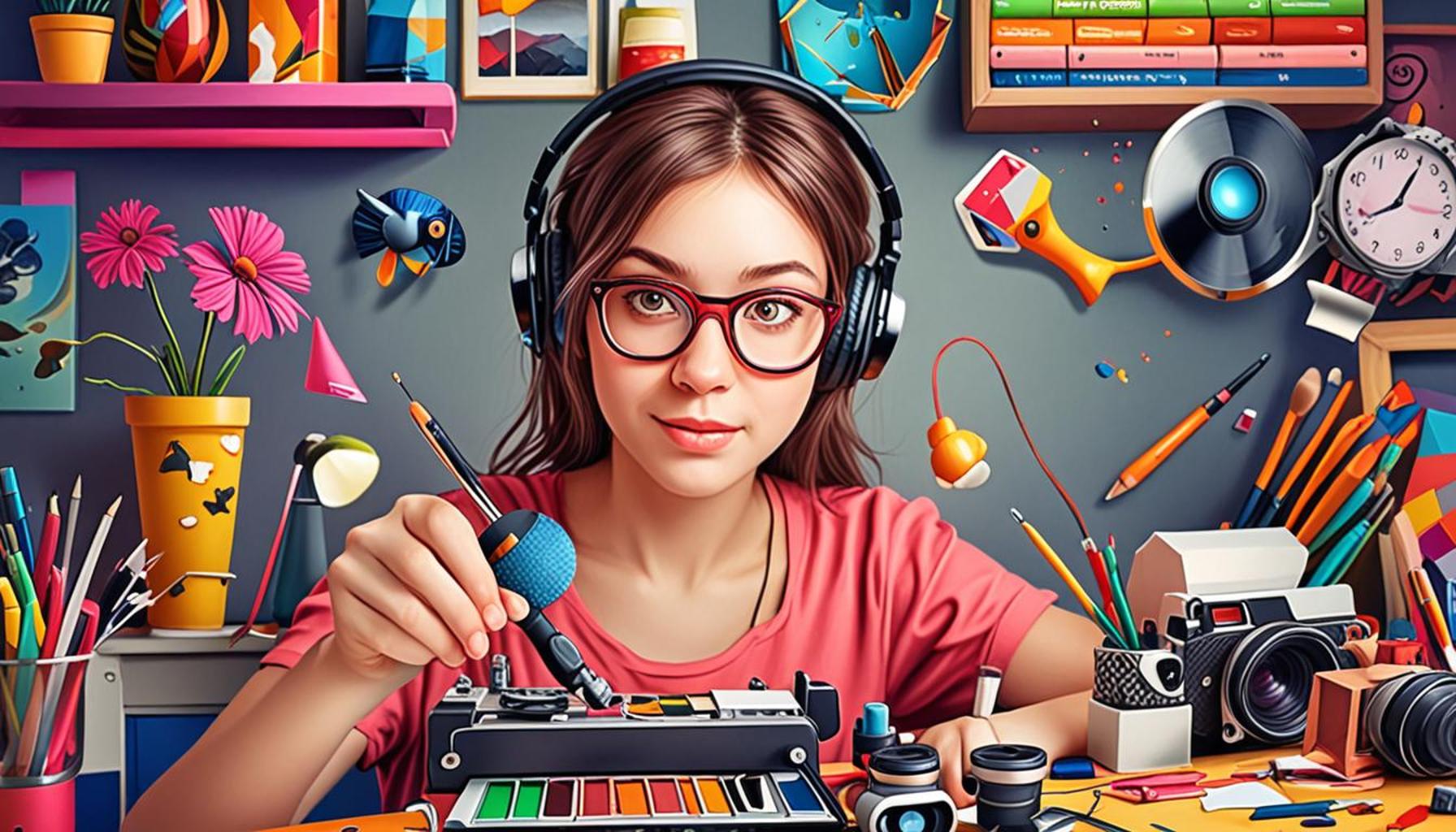
Art has always served as a mirror reflecting societal values, fears, and aspirations. Its evolution has been remarkably swift, particularly in the era of digitalization. Today, the fusion of art and technology has ushered in numerous opportunities for hobbyists and seasoned artists alike, transforming conventional methods of creation into dynamic, interactive experiences.
Digital Art Software
Programs like Adobe Photoshop and Procreate are at the forefront of this shift, providing artists with an unlimited canvas to explore their creativity. With features that enable layering, textures, and a spectrum of brushes, these tools allow for detailed editing and innovative designs. Artists can also easily share their creations online, boosting visibility and engagement with art enthusiasts worldwide. For example, a digital painting created in Photoshop can be instantaneously uploaded to social media platforms like Instagram or Twitter, gaining feedback and attracting potential buyers at the click of a button.
3D Printing
The emergence of 3D printing technology is another turning point in the art world. This revolutionary process allows artists to convert their digital designs into physical forms. Sculptors and industrial designers, for instance, can create complex shapes that would be labor-intensive or impossible to manifest using traditional materials. An artist might design a delicate, intricate sculpture on a computer and print it using biodegradable filament, merging environmental mindfulness with cutting-edge design. Notable examples include artists who have accessed the potential of 3D printing to create stunning installations or functional art pieces, thereby bridging creativity with engineering.
Virtual Reality (VR)
Meanwhile, Virtual Reality (VR) platforms such as Tilt Brush have transformed how artists conceptualize and experience their work. VR enables creators to paint and sculpt in a three-dimensional environment, practically stepping inside their artwork. This immersive technology elevates artistic expression to an entirely new level, inspiring a movement where artists can craft experiences rather than just objects. One example is the annual New York VR Festival, where artists showcase VR pieces that allow viewers to participate in and interact with the artwork, creating a dialogue between the creator and the audience.
Broader Implications
The impact of these technological advancements is profound. Artists are now experiencing enhanced accessibility to a global audience, which has opened doors for collaboration that transcend traditional geographical boundaries. Various platforms promote community engagement, making it easier for artists to connect and collaborate regardless of their location. Additionally, creating art through digital means alleviates many of the financial burdens associated with traditional materials, allowing individuals to experiment freely with minimal risk.
In conclusion, the fusion of art and technology is not just a trend; it is a transformative evolution that continues to influence cultural dynamics and artistic practices. As technology advances, so too does the definition of creativity, prompting societal reflection on the nature of art in a rapidly changing world. With each new tool, artists are empowered to reconsider their methods, challenge conventional norms, and inspire others to engage with art in fresh and innovative ways.
DISCOVER MORE: Click here for insights on the therapeutic benefits of DIY crafts
The Rise of Online Art Communities
The advent of the internet has revolutionized how artists share their work and connect with fellow creators. Online art communities like DeviantArt, ArtStation, and Behance serve as vibrant platforms for artists of all levels. These communities allow individuals to showcase their portfolios, receive feedback, and even collaborate on projects regardless of their geographical locations. This digital ecosystem not only democratizes access to artistic resources but also fosters a sense of belonging among artists worldwide.
Engaging with the Audience
Social media platforms have further intensified this engagement. Websites such as Instagram and Pinterest have become essential outlets for artists to display their work visually. These platforms enable artists to reach a vast audience, transcending traditional exhibition limitations. Artists can utilize hashtags, connect with other creators, and engage in interactions with fans, creating communities that thrive on mutual admiration and support. The power of sharing art with just a click fosters a culture of rapid feedback and innovation, as artists can immediately see how their work resonates with the public.
Virtual Workshops and Courses
The ability to connect online has given rise to a wealth of opportunities for skill development. Many artists participate in virtual workshops and online courses to enhance their skills in various mediums, from painting and drawing to photography and graphic design. Platforms like Skillshare and MasterClass offer tutorials led by renowned artists, allowing hobbyists to learn at their own pace. This accessibility encourages experimentation, as aspiring artists can try new techniques without the financial constraints of traditional classes. Here are some benefits of online art education:
- Flexible Learning: Artists can learn on their schedule, making it convenient to balance education with other commitments.
- Diverse Expertise: Access to a variety of instructors allows students to learn from experts in different artistic fields.
- Global Networking: Collaborating with artists worldwide enhances creativity and broadens one’s perspective on art.
The Impact of Crowdfunding
Another significant transformation in the artistic landscape is the emergence of crowdfunding platforms such as Kickstarter and Indiegogo. These sites enable artists to raise funds for their projects directly from supporters. This model disrupts traditional funding mechanisms, empowering creators to pursue their artistic visions without the constraints of commercial viability dictated by galleries or investors. Crowdfunding not only provides financial backing but also cultivates a community of patrons invested in the success of the project. Through these platforms, artists can build a dedicated following and generate buzz around their work, creating a sustainable ecosystem for artistic endeavors.
In summary, the intersection of art and technology is shaping a new era for creative hobbies. Online art communities, social media engagement, virtual learning experiences, and crowdfunding opportunities are breaking down barriers and providing artists with tools to express themselves freely. As technological advancements continue to unfold, the possibilities for artistic expression will only expand, inviting even more creators to explore this dynamic landscape.
The Influence of Digital Tools on Artistic Hobbies
As technology continues to advance, the realm of artistic expression has witnessed a profound transformation. Artists and hobbyists alike have began embracing a multitude of digital tools that significantly enhance their creative processes. From graphic design software to digital painting apps, these innovations empower creators to transcend traditional boundaries and explore uncharted territories in art and craftsmanship.
Accessibility and Collaboration
One of the most notable benefits of these advancements is the accessibility they provide. In the past, pursuing creative hobbies often required specialized training or access to costly materials. However, today’s technology makes it possible for anyone with a smartphone, tablet, or computer to explore their artistic interests. Social media platforms and online communities facilitate collaboration among artists, allowing individuals to share their work, learn from one another, and partake in a collective creative journey. As a result, a diverse range of voices is emerging in the art world, enriching the cultural fabric of our society.
Innovative Techniques and New Mediums
Furthermore, technological advancements have birthed innovative techniques that traditional art forms could not accommodate. Augmented reality (AR) and virtual reality (VR)</strong) are reshaping how creators develop immersive experiences, blurring the lines between digital and physical realities. Artists are now experimenting with 3D printing and other tech-driven methods that combine artistic expression with engineering and design principles, showcasing that the potential of creative hobbies is only limited by one’s imagination.
The Role of Online Learning
Education has also evolved alongside these changes, with numerous platforms offering online courses tailored specifically for creative pursuits. Aspiring artists can easily access quality instruction from seasoned professionals without the constraints of geographical location. This shift not only broadens the knowledge pool but also enables individuals to hone their skills at their own pace, fostering a new generation of skilled creators.
In conclusion, as we delve deeper into the evolution of artistic expression, it’s evident that new technologies are not just transforming creative hobbies—they are redefining what it means to be an artist in today’s fast-paced, digitized world. As we continue to explore these advancements, the possibilities for innovation, expression, and connection will only expand, inviting a broader audience to engage in the transformative power of art.
LEARN MORE: Click here to discover the therapeutic power of music
The Role of Artificial Intelligence in Art Creation
As technology progresses, artificial intelligence (AI) has emerged as a powerful tool in the field of artistic expression. AI-driven platforms like DeepArt and RunwayML enable artists to create stunning visual art by generating images based on algorithms and neural networks. These tools allow artists to collaborate with machines, resulting in unique artwork that challenges traditional notions of creativity. For instance, AI can assist in creating intricate patterns or suggest color palettes that an artist might not have considered, pushing the boundaries of their imagination.
Personalized Art Experiences
AI is also shaping how art is experienced. Platforms such as Artivive leverage augmented reality (AR) to offer interactive experiences; users can scan physical artworks with their smartphones and see them come to life through additional visual layers or animations. This fusion of the physical and digital realms not only enhances the viewing experience but also allows artists to tell more complex stories through their work. The potential for personalized art experiences means that viewers can engage with artworks in ways that resonate deeply with their individual tastes and preferences, thus revolutionizing traditional art appreciation.
3D Printing and Sculpture
Another facet of technological innovation is the advent of 3D printing, which has transformed the landscape of sculpture and design. Artists can now create detailed models that can be rendered into physical forms using materials ranging from plastic to metal. This technology democratizes sculpture, allowing even amateur artists to produce their work affordably. Local makerspaces and community workshops equipped with 3D printers offer aspiring artists the chance to experiment with new methods, blurring the lines between traditional craftsmanship and modern technology.
The implications of 3D printing extend beyond mere creation; it encourages collaboration across disciplines. For instance, designers can work with engineers to develop functional art pieces that incorporate technology, such as kinetic sculptures that move or react to environmental stimuli. The interdisciplinary nature of these collaborations fosters innovation, making the art-making process not only a solitary endeavor but also a communal experience.
Gaming as a New Artistic Medium
Video games have also emerged as a legitimate form of art, expanding the notion of creativity in new directions. Games like Journey and Gris use stunning visuals, evocative soundtracks, and compelling narratives to create immersive artistic experiences. Developers are increasingly recognized as artists, leading to a burgeoning field known as “game art.” These experiences challenge the audience’s perceptions of storytelling and emotional connection, as players engage directly with the artwork. As this medium continues to evolve, it raises questions about authorship and the role of the viewer, as players actively participate in the unfolding of the artistic narrative.
The integration of AI, 3D printing, and gaming into the artistic practice reflects a broader trend where lines delineating artistic disciplines are more blurred than ever. As artists embrace these technologies, they can experiment and evolve their creative hobbies into new territories, continuously redefining what it means to create and appreciate art in the modern world.
DISCOVER MORE: Click here to enhance your well-being
Conclusion: The Future of Artistic Expression in a Technological Era
In an age where technology permeates every facet of life, the evolution of artistic expression stands as a testament to humanity’s adaptability and creativity. From artificial intelligence and 3D printing to immersive gaming experiences, artists now possess an array of innovative tools that enrich their creative processes. These technologies not only enhance the art-making experience but also redefine the relationship between artists and their mediums. As the boundaries between traditional artistry and digital innovation blur, we begin to witness a democratization of creativity, where individuals, regardless of skill level, can participate in the artistic dialogue.
Moreover, the rise of personalized art experiences offers consumers an unprecedented level of engagement, transforming passive observers into active participants. This evolution prompts deeper reflections on the nature of creativity and authorship, encouraging both seasoned artists and newcomers to explore uncharted territories within their artistic pursuits. The communal aspects of these modern mediums foster collaboration and interdisciplinary connections, showcasing art as a collective endeavor rather than a solitary act.
As we navigate this exciting landscape, it is essential for artists, audiences, and technologists to engage in meaningful conversations about the implications of these advancements. How will we define art in the future? What responsibilities come with these powerful tools? The answers to these questions will likely shape not just individual creative practices, but the broader cultural narratives surrounding art itself. By embracing these changes, we open the door to a future rich with possibilities, inspiring the next generation of artists to innovate and redefine the essence of creative hobbies.
Related posts:
The Benefits of Digital Art as a Form of Creativity and Innovation
The Connection between Board Games and Creative Expression: Building Worlds and Narratives
Creative Writing: How Telling Stories Can Free Emotions and Ideas
Ceramics and Sculpture: The Connection Between Hands and Mind in Artistic Expression
The Influence of Handicrafts on Mental Health and Well-Being
The Importance of Graffiti as a Form of Protest and Cultural Expression

Linda Carter is a writer and creative hobbies expert specializing in crafting, DIY projects, and artistic exploration. With extensive experience helping individuals discover their creative potential and bring their ideas to life, Linda shares her knowledge on our platform. Her goal is to empower readers with practical tips, inspiring ideas, and step-by-step strategies for success in the world of creative hobbies.