Sustainable Craft Making: How to Create with Recycled Materials
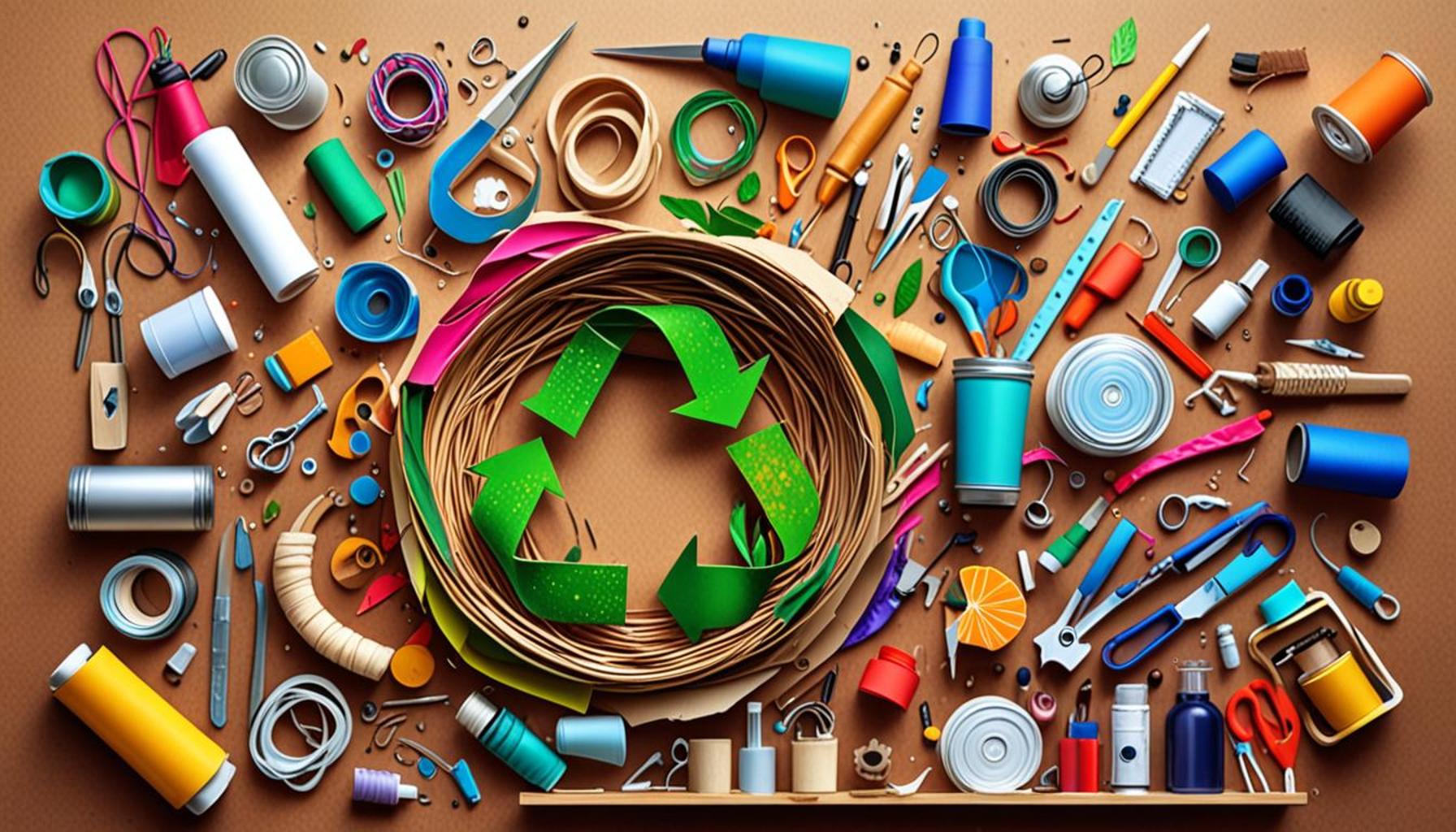
Exploring the World of Sustainable Crafting
In a world increasingly focused on sustainability, craft making with recycled materials is emerging as a powerful trend. This eco-friendly approach not only honors the environment but also unlocks new opportunities for creativity and self-expression. As more people recognize the environmental impact of their choices, crafting with recycled materials is an engaging way to both address waste and ignite individuality.
By repurposing everyday items, crafters can transform the mundane into the extraordinary. The act of breathing new life into discarded objects fosters a sense of achievement and connection to the world around us. Here are some materials to consider for your projects:
- Plastic bottles: These versatile containers can be transformed into stunning planters, ideal for small herbs or succulents. Cut them down the middle, decorate with paint or twine, and add drainage holes for a functional, stylish touch to your garden or windowsill.
- Old newspapers: These can be utilized for paper mache, an age-old craft that allows artisans to craft masks, decorative bowls, or even sculptures. Collage art is another option, where colorful cutouts form vibrant compositions, making use of the newspaper’s visual texture.
- Fabric scraps: The remnants of old clothing or fabric can be sewn together to create unique patchwork quilts, providing warmth and a personal story woven into every stitch. Additionally, these scraps can become one-of-a-kind bags or accessories that express personal style while reducing textile waste.
- Cardboard: What often ends up in landfills can instead be the core of innovative projects. With enough creativity, you can construct furniture, like a chic coffee table or children’s playhouses, and even clever storage solutions that are both functional and aesthetically pleasing.
This movement is more than just an aesthetic choice; it’s fundamentally about making a statement. By choosing recycled materials, artists and crafters contribute to:
- Reducing waste by diverting items from landfills, thereby minimizing environmental pollution.
- Conserving natural resources, as producing new materials often depletes the planet’s precious resources.
- Encouraging local, sustainable economies that foster community and support artisans who prioritize environmental responsibility.
As you delve deeper into the world of sustainable crafting, you’ll discover that each project carries a narrative—a blending of past and present, old and new, intention and creativity. These projects often reflect personal histories, childhood memories, or even cultural heritage, redefined through a modern lens. So, whether you’re an experienced crafter or just starting out, are you ready to explore the limitless possibilities of sustainable craft making? Your next masterpiece could very well be waiting in your recycling bin, waiting to tell its story anew.
DIVE DEEPER: Click here to discover the therapeutic benefits of gardening</p

Materials That Inspire Sustainable Crafts
Every sustainable craft project begins with an inspiring selection of materials. By choosing items that would otherwise be discarded, crafters can embrace ingenuity and transform waste into beautiful artworks. Let’s explore some common recycled materials in more detail, along with ideas for what you can create with them:
- Glass Jars: Typically used for storing food, glass jars can be elevated into stylish storage solutions or decorative candle holders. Cleaning and repurposing them with paints, fabric wraps, or twine can yield chic centerpieces or herb planters, highlighting both functionality and aesthetics.
- Used Pallets: Wooden pallets, often found discarded behind stores, can serve as an excellent source for furniture projects. A little DIY elbow grease can transform pallets into stunning shelves, outdoor furniture, or even vertical gardens that bring life to any space. They offer an eco-friendly alternative that reduces the need for new lumber.
- Egg Cartons: Besides holding eggs, these often-overlooked containers can be transformed into seed starters for your garden. With a bit of paint, they can also serve as a creative base for craft projects, such as fun animal figurines or unique wall art pieces that showcase your artistic flair.
- Wine Corks: Collecting wine corks can turn into a delightful hobby that leads to various craft possibilities. From DIY bulletin boards to trivets and coasters, the rustic charm of wine corks adds texture and personality to your creations while promoting a ‘reuse’ mindset.
The impact of crafting with recycled materials extends beyond just the individual project; it connects makers to broader environmental themes such as waste reduction and conservation. Engaging in sustainable crafting can:
- Foster creativity by allowing individuals to think outside the box and discover new ways to repurpose items.
- Educate others about sustainability, encouraging a community approach to environmental responsibility.
- Create a sense of accomplishment and pride in contributing to a cause that goes beyond mere aesthetics.
As the movement toward sustainability gains momentum, it’s clear that crafting with recycled materials is not only a personal choice but a collective mission. Each project becomes a conversation piece, sparking thoughts on resourcefulness and ecological impact. Tools and resources for sustainable craft making are readily available, making it easier than ever to join this rewarding practice.
The world of sustainable crafting is vast, with endless opportunities to explore various materials and techniques. With each replication of discarded items into functional art, crafters pave the way for a more sustainable future, proving that creativity can indeed change the world, one project at a time.
| Advantage | Description |
|---|---|
| Environmental Sustainability | Craft making from recycled materials significantly reduces waste production and conserves resources by breathing new life into unwanted items. |
| Cost Efficiency | Using recycled materials can lower craft-making costs, enabling crafters to innovate without spending excessively on new supplies. |
The practice of sustainable craft making not only allows creators to express their artistic vision but also contributes positively to the environment. Utilizing items such as plastic bottles, old newspapers, and fabric scraps can lead to unique pieces that reflect individuality while consciously reducing environmental impact. Furthermore, this approach encourages a culture of reuse and repurposing, fostering awareness among participants and those who admire their creations. As more people embrace sustainable practices in their daily lives, the ripple effect can lead to broader environmental changes, such as enhanced recycling rates and increased advocacy for sustainability. With creativity at its core, sustainable craft making remains a powerful avenue for artistic expression and environmental stewardship.
DISCOVER MORE: Click here to explore diverse musical styles
Techniques for Innovative Crafting
Once you’ve gathered your recycled materials, the next step is harnessing various techniques that can elevate your projects from simple DIY tasks to stunning artistic expressions. Below are some effective methods to consider for sustainable crafting:
- Collage and Decoupage: These techniques allow you to breathe new life into old items by layering different materials. By using images from old magazines, newspapers, or even fabric scraps, you can transform everyday objects like cardboard boxes or wooden furniture into eye-catching decorations. This is not just a creative outlet; it also serves as a reminder of the different stories each piece of material can tell.
- Upcycling: Upcycling is the practice of taking something that may be seen as trash and creatively enhancing its value. For example, old clothing can be fashioned into bags, rugs, or quilts. This technique not only conserves resources but also prevents textiles from ending up in landfills, which is especially significant considering that the EPA reports that about 11.3 million tons of textile waste were generated in 2018 alone.
- Mosaics: A brilliant way to use broken pottery or colorful glass is through mosaic art. This technique involves breaking down larger pieces into smaller fragments and arranging them into intricate patterns. Not only does this method allow for artistic expression, but it also teaches patience and the ability to perceive beauty in imperfections.
- Stenciling: Transform discarded wood, paper, or canvas into stunning art pieces by using stencils. This approach lends a professional finish to your handcrafted projects while giving you the freedom to create unique designs. Reusable stencils made from recycled plastic can further enhance the sustainability aspect of this craft.
These techniques not only make crafting more enjoyable but also underscore the principle of sustainability. Each project becomes a personal statement that reflects an individual’s style while advocating for environmentally conscious choices. Notably, engaging in these methods empowers communities. The sharing of skills and ideas can foster workshops that teach sustainable practices, making crafting a collective experience rather than a solitary endeavor.
Connecting with the Sustainable Crafting Community
The rise of social media has played a pivotal role in connecting like-minded individuals passionate about sustainable crafting. Platforms like Instagram and Pinterest showcase a rich tapestry of inspiration and tutorials, allowing crafters to share their creations and techniques. By following hashtags such as #sustainablecrafts or #upcycledart, enthusiasts can engage with a broader community that shares ideas and best practices.
Community thrift stores and local swaps also serve as treasure troves for finding materials for sustainable crafts. Such initiatives not only promote recycling but also provide opportunities for collaboration among artists, environmental groups, and local businesses. Setting up or participating in community events focused on sustainable crafting can pave the way for innovative projects while strengthening communal bonds.
For those wanting to deepen their sustainable crafting journey, there are numerous online resources, including blogs, webinars, and online courses, focusing on specific materials or techniques. Engaging in these resources can enhance your skills and broaden your understanding of the significant impact sustainable crafting can have on both individuals and the environment.
As you explore these techniques and embrace community interactions, you engage in a transformative practice that changes the perception of waste—an act that not only nourishes your creativity but also contributes to a greener planet.
DISCOVER MORE: Click here to dive deeper
Final Thoughts on Sustainable Craft Making
In conclusion, sustainable craft making stands as a powerful testament to the intersection of creativity and environmental responsibility. By utilizing recycled materials, crafters not only engage in imaginative practices that express their individuality but also contribute to a broader movement toward reducing waste and promoting sustainability. The techniques shared, such as collage, upcycling, mosaics, and stenciling, offer a variety of avenues for transforming discarded items into art, enhancing their value while conserving precious resources.
Moreover, the burgeoning community of sustainable crafters enhances the journey beyond solitary crafting. By connecting through social media, local events, and workshops, we share knowledge, spark innovation, and cultivate a sense of belonging. This collaborative spirit serves to amplify the impact of individual efforts, creating a culture where creativity thrives alongside environmental consciousness.
As you embark on your crafting adventures, remember that every project is an opportunity to explore new materials and techniques, to indulge in personal creativity, and to advocate for a more sustainable future. The choices we make in our craft practices today can resonate far beyond our immediate surroundings, paving the way for a healthier planet. With each recycled creation, we contribute to a more mindful approach to consumption, proving that even the simplest acts of creativity can lead to profound changes. Dive into the world of sustainable crafting and uncover the potential that lies in turning the old into something truly extraordinary.
Related posts:
The Impact of Craft Making on Education: Developing Creative Skills in Children and Young People
The Importance of Craft Making in the Preservation of Traditional Artisan Techniques and Their Conte...
Craft Making and Community: How Workshops and Gatherings Foster Social Connections
The Influence of Craft Making in Technical Education: Preparing the Next Generation of Artisans
Sustainable Craft Making Eco-Friendly Materials Techniques for Hobbies
Craft Making and Cultural Identity: Celebrating Traditions Through Creation

Linda Carter is a writer and creative hobbies expert specializing in crafting, DIY projects, and artistic exploration. With extensive experience helping individuals discover their creative potential and bring their ideas to life, Linda shares her knowledge on our platform. Her goal is to empower readers with practical tips, inspiring ideas, and step-by-step strategies for success in the world of creative hobbies.