The role of musical performance in community events: building connections through art
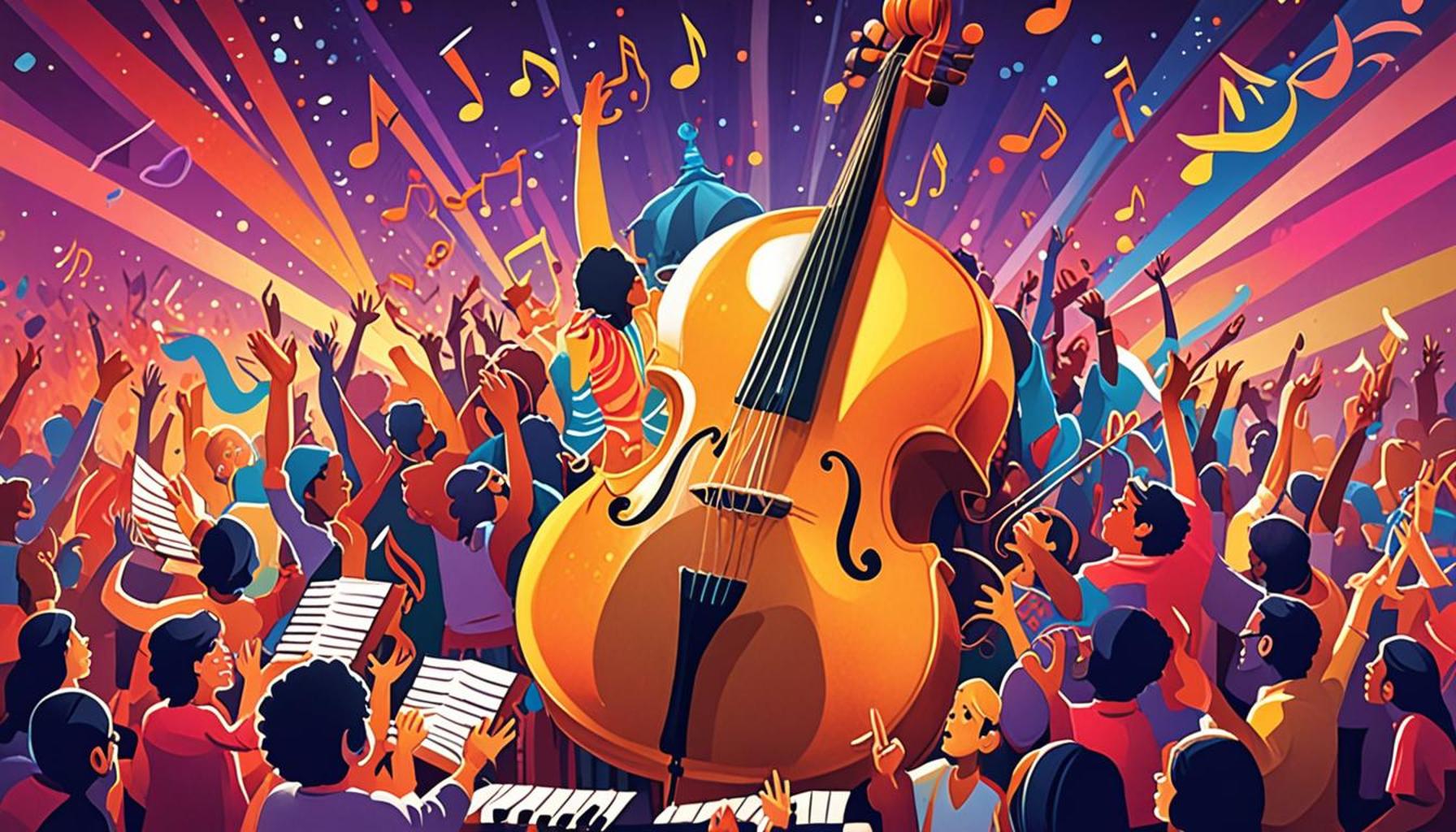
The Transformative Role of Music in Community Gatherings
Music has an extraordinary power to unite people, transcending boundaries and fostering connections. In community events across the United States, musical performance serves as a catalyst for engagement and social bonding. The rhythmic beats and melodic tunes create an environment where individuals from diverse backgrounds can come together, breaking down barriers and forming new relationships.
Consider the various ways in which music enriches community life:
- Celebrations: Festivals and parades, such as the iconic Mardi Gras in New Orleans or the numerous summer music festivals across the country, often feature local musicians. These events create an atmosphere of joy and shared experience. The lively performances encourage participation, whether through dancing or singing along, transforming spectators into active contributors to the festivity.
- Awareness: Benefit concerts, like the annual Farm Aid concert, mobilize communities around important social issues such as food justice and local agriculture. By harnessing the power of music to inspire action, these events not only raise funds but also elevate awareness, connecting individuals who share a passion for change and advocacy.
- Tradition: Cultural events often showcase traditional music, such as Native American powwows or the various state fairs celebrating folk music. These gatherings serve to preserve heritage while promoting inclusivity, allowing attendees to explore and honor different cultural backgrounds through sound.
Each performance not only entertains but also invites participation and connection. Community members gather to share in the collective energy that live music brings, reinforcing a sense of belonging that is often hard to find in today’s fast-paced world. Whether it’s clapping along to a local band or belting out lyrics at a karaoke night, these interactions foster a community spirit that linger long after the last note fades.
In recent years, the rise of local artists and grassroots initiatives has significantly increased the availability of musical performances, offering ample opportunities for engagement. These concerts and gigs not only support local talent but also create safe spaces for dialogue and expression, nurturing creativity and resilience within communities. They encourage everyone—from enthusiastic musicians to first-time performers—to embrace their artistic sides, contributing to a stronger sense of identity.
In a world increasingly divided by digital interactions, the role of music at these gatherings reminds us that art can profoundly enrich our lives and build lasting relationships. By attending local performances, residents can strengthen existing bonds and create new memories while celebrating shared experiences. Discover how your community can harness this vibrant force of music to enhance connections and foster collaboration, making each event a tapestry of collective joy and unity.
DIVE DEEPER: Click here to discover more about the intersections of art
Enhancing Community Bonds Through Musical Engagement
The impact of musical performance on community events extends far beyond mere entertainment; it introduces an essential element of human connection. Live music serves as a powerful tool for bridging gaps between individuals of varying ages, backgrounds, and beliefs. As people gather in anticipation of a shared experience, they engage in an atmosphere imbued with excitement and possibility. Such dynamics encourage open conversations, laughter, and the forging of friendships that might not have occurred in more traditional settings.
Moreover, the communal aspect of musical events encourages collective participation. Consider community choirs or local jam sessions, which invite individuals to express themselves through song and sound. These activities not only celebrate the art but also contribute to a sense of belonging, where participants become part of a greater narrative. The following highlights showcase the multifaceted roles music plays in strengthening these ties:
- Local Pride: Neighborhoods across the U.S. take immense pride in showcasing local talent, with events like street fairs featuring native musicians. This not only strengthens community identity but also boosts local economies, as attendees often support nearby businesses while enjoying the performances.
- Education and Mentorship: Many community events incorporate music workshops or open mic nights, providing platforms for budding artists to hone their craft. These opportunities encourage intergenerational mentorship, as experienced musicians often guide novices, fostering skills development and nurturing artistic interest.
- Building Inclusivity: Music has a unique ability to transcend language and cultural barriers. Festivals that celebrate diversity, such as the National Puerto Rican Day Parade or the New Orleans Jazz & Heritage Festival, not only entertain but educate attendees about various traditions, promoting inclusivity within the community.
Additionally, the digital age has facilitated the rise of online community events, enabling musicians to connect with audiences from anywhere. Streaming performances on platforms like Facebook Live and Instagram have transformed local gatherings into global experiences, allowing communities to unite over shared interests, regardless of geographical location. This shift presents new opportunities for collaboration and cross-cultural communication, reinforcing the notion that music, in its many forms, can act as a universal language.
As communities navigate the complexities of modern life, the role of music becomes increasingly vital. It acts as a reminder of the beauty of human connection, offering a respite from the solitude and isolation that can permeate contemporary living. Attending these events not only enriches our own lives but also supports the growth of vibrant, cohesive communities, where collaborative efforts lead to shared goals and collective achievements.
In exploring the role of musical performance within community events, it becomes clear that this art form is a fundamental pillar in fostering connections, encouraging inclusivity, and nurturing artistic expression. As communities across the nation recognize its significance, the movement towards enriching local life through music continues to gain momentum, creating lasting memories and interconnected bonds.
In recent years, the importance of musical performance in community events has gained even greater recognition as societies strive to foster cultural connections and enhance social cohesion. Music has a unique ability to transcend barriers—be they linguistic, cultural, or generational—allowing individuals to communicate and share experiences in a way that words often cannot achieve. Community events, such as festivals, fairs, and outdoor concerts, serve as platforms where local artists can showcase their talents, which not only uplifts the local arts scene but also encourages community pride. Participation in these events provides citizens with a sense of belonging and ownership, which can be particularly pivotal in diverse communities. Moreover, the collaborative nature of musical performances, whether through group rehearsals or impromptu jam sessions, helps participants build strong networks and friendships. These moments of collaboration can lead to greater social engagement, inspiring individuals to take part in future events or initiatives, thus strengthening community bonds even further.In the light of this trend, many organizations have begun to recognize that integrating music into community programming plays an essential role in not only enriching the local culture but also in promoting mental well-being. Research suggests that music can have therapeutic effects, alleviating stress and fostering emotional stability among participants.As more communities embrace the power of musical performance, it becomes clear that the role of art and culture is fundamental in creating environments where people feel interconnected. Hence, understanding and leveraging these benefits can lead to transformative impacts on community engagement and cohesion. By providing spaces for musical collaboration and expression at public events, towns and cities reinforce the notion that art is a vital thread in the social fabric, enhancing civic life and building a sense of unity through shared experiences. These initiatives not only bring joy and entertainment but also lay the groundwork for sustainable community interaction and development, encouraging artists and audiences alike to step outside their comfort zones.
DISCOVER MORE: Click here to dive deeper into urban gardening techniques
The Transformative Power of Music in Community Building
Musical performance in community events serves as a catalyst for social change, weaving a vibrant tapestry that connects individuals from all walks of life. At its core, music can inspire movements, unite communities, and catalyze personal and collective transformation. One illustrative example is the Rock the Vote initiative, which harnesses the power of music to engage younger demographics in civic activities and voter registration. By leveraging concerts and performances featuring popular artists, this movement successfully mobilizes communities to become active participants in shaping their societal landscape.
Furthermore, the role of music in community healing cannot be overstated. In regions affected by tragedy or social unrest, musicians have banded together to foster hope and resilience. Events like the One Love Manchester concert after the terrorist attack in 2017 exemplify how music unites individuals in their grief while simultaneously raising funds for recovery efforts. By creating a shared emotional experience, these performances cultivate empathy and solidarity among attendees, motivating them to support one another in challenging times.
Despite the cultural diversity present in American communities, music provides a common ground—a way to celebrate differences while unifying people through shared experiences. Initiatives like Play Me, I’m Yours installations, where pianos are placed in public spaces for anyone to play, encourage spontaneous music-making experiences that generate joy and connection among strangers. These musical interactions push communities to embrace inclusivity, fostering a sense of belonging while breaking down preconceived barriers.
- Promotion of Local Culture: Community events that feature local musicians play a crucial role in preserving and celebrating regional music genres. Festivals that highlight bluegrass in Appalachia or zydeco in Louisiana provide opportunities for local talent to thrive while educating attendees about their cultural roots.
- Generational Interaction: Music provides a natural platform for elders to share their stories and traditions with younger generations. Multi-generational events, such as community potlucks combined with live performances, encourage storytelling through music, promoting wisdom transfer and strengthening familial ties.
- Social Awareness and Advocacy: Local artists often use their musical platforms to address pressing social issues, from environmental conservation to social justice. Performance events that feature songs with social commentary provoke thought and discussion, galvanizing communities to participate in advocacy and support causes that impact them directly.
The rise of community-driven music projects highlights the commitment to local engagement and cultural sustainability. Programs like Music in the Parks invite regional artists to perform in public spaces, thereby making art accessible to all, regardless of socio-economic status. By establishing an inclusive environment, these gatherings empower individuals to experience the joy and power of live performance without the barriers of formal venues.
Additionally, the role of technology cannot be overlooked. Online communities promote musical collaboration across vast distances, allowing local musicians to connect with like-minded artists around the world. Initiatives such as virtual concerts during the COVID-19 pandemic showcased this adaptability, reminding us how music has the power to connect and heal, even in isolation. This expanding reach fosters an inclusive atmosphere where creativity flows freely, promoting stronger, more interconnected communities.
Through various forms and styles, musical performance continues to be a dynamic force that profoundly shapes the fabric of community life. By facilitating connections, improving emotional well-being, and encouraging collaboration, music acts as a unifying thread that binds individuals together, creating a rich cultural mosaic reflective of the diverse communities that make up America.
DISCOVER MORE: Click here to learn about the benefits of art therapy
Conclusion: The Resonance of Music in Community Dynamics
In conclusion, the role of musical performance in community events extends far beyond mere entertainment; it serves as a crucial instrument for fostering connection, empathy, and social cohesion. Through vibrant expressions of cultural diversity, music evokes shared experiences that encourage individuals to transcend their differences and unite for common causes. As we have seen through initiatives like Rock the Vote and the collaborative healing efforts following tragedies, musical performances not only entertain but also galvanize communities into action and support.
The capacity for music to act as a bridge between generations allows the rich tapestry of stories and traditions to be passed down and celebrated. Events that invite local talent not only promote a sense of pride but also enhance cultural awareness, exemplifying the importance of preserving local music heritage. Coupled with the emergence of technology, musicians from different locales can share their artistry, enriching the communal experience, especially in today’s digital age.
The transformative essence of music in community events lies in its ability to cultivate inclusivity, promote social awareness, and inspire collective action. Investing in musical initiatives encourages individuals to engage with their surroundings on a deeper level and cultivates a sense of belonging that is vital for community health and resilience. Moving forward, communities would do well to continue prioritizing artistic expressions as a means of connection, ultimately allowing music to be the heartbeat that sustains vibrant, inclusive, and thriving societies. In exploring the multifaceted impacts of music, we unveil a powerful tool for social engagement and community enrichment worthy of ongoing exploration and investment.
Related posts:
Developing Musical Discipline: Routines and Habits for Amateur Practitioners
The musical journey: how the pursuit of musical skills can transform personal life
The Importance of the Musical Community: How Groups and Social Networks Can Boost Your Hobby
The evolution of music as a hobby: from vinyl to digital production
Exploring Musical Improvisation: A Path to Personal Expression
How Music Influences Mental Health Therapeutic Power of Musical Pursuits

Linda Carter is a writer and creative hobbies expert specializing in crafting, DIY projects, and artistic exploration. With extensive experience helping individuals discover their creative potential and bring their ideas to life, Linda shares her knowledge on our platform. Her goal is to empower readers with practical tips, inspiring ideas, and step-by-step strategies for success in the world of creative hobbies.