Artistic Expression Through Fashion: Creating Identity and Personal Style
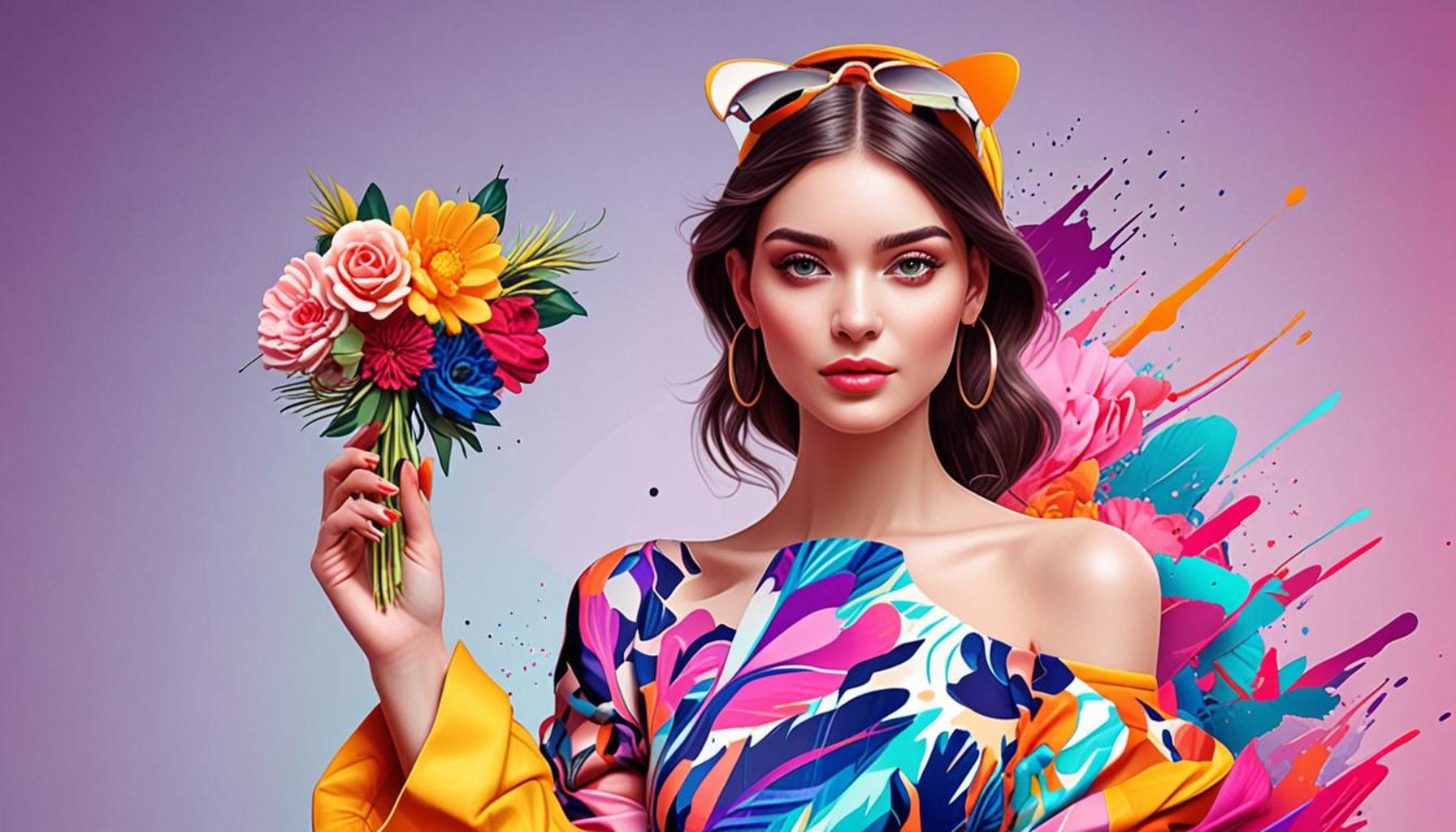
Fashion as a Medium of Artistic Expression
Fashion is an intricate tapestry woven with threads of personal stories, cultural influences, and artistic innovation. It’s not merely a collection of garments, but rather a profound artistic expression that enables individuals to communicate their unique identities to the world. As individuals sift through the endless array of trends, fabrics, and styles available, their clothing choices morph into personal narratives that reflect their tastes, beliefs, and experiences. Each outfit serves as a canvas painted with emotions, memories, and aspirations, illustrating the deep connection between what we wear and who we are.
Consider the various elements that contribute to this rich dialogue between fashion and identity, shaping how we perceive ourselves and how others perceive us:
- Color Choices: Colors possess the power to evoke emotions and set moods. For instance, the color red can convey passion or confidence, while softer hues like pastels may express tranquility or innocence. When someone chooses to wear bright colors, it may indicate an outgoing personality, while muted tones might suggest a more reserved individual.
- Textures and Fabrics: The choice of fabric plays a crucial role in the overall message an outfit conveys. Wearing a soft cotton T-shirt can communicate a sense of comfort and casualness, while a well-tailored silk blazer exudes elegance and sophistication. The tactile quality of clothing can also influence how individuals feel in their skin, impacting their overall confidence.
- Accessories: Accessories act as the punctuation marks of fashion. A striking necklace, a vintage handbag, or a trendy hat can elevate an outfit from ordinary to exceptional, adding depth and layers of meaning. For example, wearing statement jewelry may signify a bold personality, while a minimalist approach to accessories might reflect a more subdued and thoughtful character.
In the context of American fashion, these elements come together to create a vibrant landscape of diverse expressions. Streetwear, for example, not only emphasizes comfort and functionality but also tells the story of urban culture, youth activism, and community pride. On the other hand, vintage styles pay homage to the past, presenting a nostalgic view of fashion that allows individuals to connect with different eras and cultural movements.
Events such as New York Fashion Week further enrich this narrative by showcasing emerging designers and established fashion houses alike, offering a grand stage for the creativity and innovation that defines the industry. It is a melting pot of ideas, where cultural influences intersect and new trends are born, reflecting the dynamic character of American society.
As you navigate your personal journey through fashion, take a moment to reflect on how your wardrobe choices communicate your identity. Consider how the pieces you select can influence not only your self-perception but also impact the way others perceive you. Through understanding the profound interplay between artistic expression, identity, and personal style, you can begin to explore the myriad ways in which fashion enriches both individual lives and cultural narratives. Armed with this knowledge, you can embrace the power of fashion to articulate who you are in a world that continually evolves.
DIVE DEEPER: Click here to discover the evolution of home cooking
Unveiling the Layers of Fashion and Identity
Fashion is a multifaceted form of artistic expression that transcends mere fabric and design; it is integral to the formation of personal and cultural identity. As individuals curate their wardrobes, they not only reflect their tastes but also narrate their stories through the visible markers of their attire. In the vast landscape of American fashion, a plethora of styles converge, offering an exciting playground for personal exploration and expression.
At the heart of this exploration lies the intersection of identity, artistic expression, and personal style. Fashion enthusiasts often draw connections between their clothing choices and their personal backgrounds—including their heritage, culture, and life experiences. In this complex interplay, certain styles or movements resonate deeply, allowing individuals to express their unique identities boldly.
- Subcultures and Fashion: Fashion subcultures, from punk to goth, offer distinct aesthetics that serve as powerful forms of expression. Each subculture narrates a story, encapsulating values and social critiques through style. For instance, the punk movement emerged in defiance of mainstream norms, utilizing torn clothing, bold hairstyles, and accessories to communicate rebellion and individualism.
- The Influence of Pop Culture: Artists, musicians, and celebrities profoundly shape fashion trends, often informing how the public perceives and adapts these styles. Icons like Madonna in the ’80s or Beyoncé in contemporary culture not only set trends but also create aspirational figures whose fashion choices encourage fans to embrace their unique identities.
- Sustainable Fashion: A growing awareness of environmental issues has led to the rise of sustainable fashion. This trend reflects a conscious choice in personal style, where individuals opt for slow fashion, upcycled materials, and ethical brands. By making these choices, consumers express their values and commitment to the planet, promoting a different narrative within their wardrobes.
The art of fashion is also a canvas for self-discovery and power dynamics. In many cases, clothing can serve as a tool of empowerment, allowing individuals to express confidence and assert their presence in various social contexts. For instance, a business professional dressed in a tailored suit may command respect in a corporate environment, while a casual ensemble might promote approachability in social settings. The ability to switch between various styles can accentuate different facets of one’s identity, making fashion an empowering force in personal presentation.
In American society, fashion also intersects with themes of social justice and activism. Movements like Black Lives Matter and LGBTQ+ rights see individuals using clothing as a form of protest and solidarity. T-shirts emblazoned with slogans or colorful displays of pride allow wearers to communicate their beliefs and support for critical causes, showing that fashion can be both a personal choice and a statement of collective identity.
As you ponder how to engage with the world through your personal style, consider the messages you wish to convey through your clothing. In exploring the relationship between artistic expression and identity in fashion, you may uncover new insights into who you are and how you wish to present yourself to the world.
Fashion serves as a dynamic avenue for artistic expression, allowing individuals to showcase their personality through their style choices. Beyond mere aesthetics, it reflects cultural narratives, individual stories, and creative identity. The blend of art and fashion fosters an environment where personal style can become a canvas for self-exploration. Each outfit can tell a story, embody emotions, and even signal one’s beliefs and values. As such, choosing the right ensemble goes beyond fabric choices—it’s a statement of who one is or aspires to be.
Moreover, the accessibility of fashion through various mediums such as social media platforms has democratized artistic expression. Artists, designers, and even everyday individuals can share their unique perspectives and creations, inspiring a global audience. This exchange of ideas cultivates a rich tapestry of styles, promoting a greater appreciation for diversity and innovation in fashion. When people see their identities represented in the styles they choose or admire, it fosters a sense of belonging and community.
| Artistic Impact | Cultural Significance |
|---|---|
| Visual Communication | Fashion acts as a universal language, transcending cultural and linguistic barriers. |
| Identity Formation | Personal style influences social perceptions and helps define one’s place within society. |
As designers and consumers continue to challenge conventions and embrace individualism, the intersection of art, identity, and fashion opens exciting possibilities for future expressions. It encourages exploration and experimentation, where the journey of finding one’s style can be just as enriching as wearing it. The vibrant responses from communities worldwide herald a new era of fashion that champions creativity and celebrates the uniqueness of every individual.
DISCOVER MORE: Click here to learn about the mental health benefits of music</
Threads of Influence: The Role of Culture and Community in Fashion
Fashion does not exist in a vacuum; it is a reflection of the cultural zeitgeist and the communities that shape it. Every garment carries the weight of influence—be it historical, social, or artistic. The intricate tapestry of American fashion reveals how various communities contribute their unique styles, enriching the broader fashion narrative. The rise of streetwear is a prime example of this phenomenon, fusing influences from urban cultures, art, and music, resulting in a genre that resonates across socioeconomic demographics.
The explosion of streetwear can be traced back to the late ’70s and ’80s, where the hip-hop scene merged with skate culture, creating a style that embodied the spirit of rebellion and creativity. Influential brands like Supreme and Off-White have not only dominated the fashion landscape but also underscored the significance of community and collaboration in shaping identity. This intersection of art and commerce illustrates how personal style can simultaneously be an individual expression and a collective movement.
- Gender Fluidity in Fashion: In today’s landscape, traditional gender norms are increasingly being challenged through fashion. The rise of unisex clothing lines and non-binary designers showcases that fashion can transcend predetermined categories. By adopting styles that defy gender conventions, individuals are creating a dialogue about identity and self-acceptance, proving that personal style is a fluid and evolving expression of self.
- Global Influences: The interconnectedness of our world today allows fashion to draw from a vast array of cultural influences. International fashion weeks, from New York to Paris, now showcase diverse designers that introduce traditional techniques and patterns from their homelands, thereby allowing American consumers to embrace global fashion narratives. This cultural exchange encourages a broader understanding of identity and promotes inclusivity in fashion.
- Artistic Collaborations: Partnerships between high-fashion brands and street artists exhibit the synergy between fine arts and fashion. Collaborations, like that of Louis Vuitton with artist Takashi Murakami, demonstrate how fashion can serve as a canvas for artistic expression. These cross-disciplinary collaborations not only amplify the visibility of the artists but also elevate the significance of creativity in personal style.
Moreover, fashion plays a crucial role in millennial and Gen Z activism, particularly through social media platforms. Influencers and everyday advocates use their style to raise awareness for issues such as climate change, racial equality, and mental health. Fashion becomes a medium to communicate values, as seen in popular campaigns that encourage thrift shopping or slow fashion practices. This trend not only fosters an appreciation for individual style but also emphasizes the community’s power to effect change through collective behavior.
The social media landscape acts as a double-edged sword, empowering individuals to express their identities while simultaneously exposing them to rapid shifts in trends that can shape or distort these identities. The rise of “cancel culture” and the demand for accountability from influencers highlight the responsibility that arises when fashion meets social ethics. As consumers become increasingly conscious of the origins and implications of their fashion choices, the narrative around personal style evolves, incorporating elements of ethical consumption into the broader fabric of identity.
In the exploration of fashion as an artistic expression, it becomes evident that the interconnectivity of culture, community, and personal identity fosters a more profound understanding of individuality. As individuals navigate their personal style within a larger societal framework, they engage in a continuous dialogue that reshapes not only their appearance but also their place within the diverse tapestry of modern culture.
DIVE DEEPER: Click here to learn about sustainable craft making
Conclusion
In summation, the intricate relationship between artistic expression and fashion serves as a dynamic platform for individuals to explore and define their identities. As we navigate through the various dimensions of style—shaped by cultural influences, community narratives, and personal experiences—it becomes clear that fashion is not merely about clothing but a profound form of personal storytelling. The rise of movements such as streetwear and gender-fluid fashion highlights how societal norms are being challenged, fostering an environment where everyone can feel empowered to express themselves.
Moreover, the accessibility of global fashion influences fuels a diverse landscape that enriches individual styles, allowing for a blend of traditional techniques and contemporary aesthetics. The collaborative efforts between artists and brands not only amplify creative expression but also encourage the integration of art into everyday wear, demonstrating that fashion can act as a canvas for compelling narratives.
As we move forward in this ever-evolving industry, it is essential to acknowledge the responsibility that comes with our fashion choices. Increasingly, consumers are leveraging their personal style to advocate for ethical practices, sustainability, and social change, intertwining activism with artistic expression. This not only reshapes the dialogue around identity but also builds a collective legacy that echoes the values of our times.
Ultimately, the journey of discovering one’s personal style is an ongoing exploration steeped in creativity, culture, and community, inviting us all to engage in this vibrant exchange of ideas and self-expression. The future of fashion is not just about what we wear, but how we choose to portray our identities and values through the powerful medium of art.
Related posts:
The Role of Theatre in the Exploration of Personal and Social Identity
The Writing of Journals as a Tool for Self-Discovery and Personal Expression
The Influence of Handicrafts on Mental Health and Well-Being
Exploring Artistic Expression Painting Performance Their Intersections
How Artistic Expression Boosts Mental Health and Well-being
Ceramics and Sculpture: The Connection Between Hands and Mind in Artistic Expression

Linda Carter is a writer and creative hobbies expert specializing in crafting, DIY projects, and artistic exploration. With extensive experience helping individuals discover their creative potential and bring their ideas to life, Linda shares her knowledge on our platform. Her goal is to empower readers with practical tips, inspiring ideas, and step-by-step strategies for success in the world of creative hobbies.