The evolution of music as a hobby: from vinyl to digital production
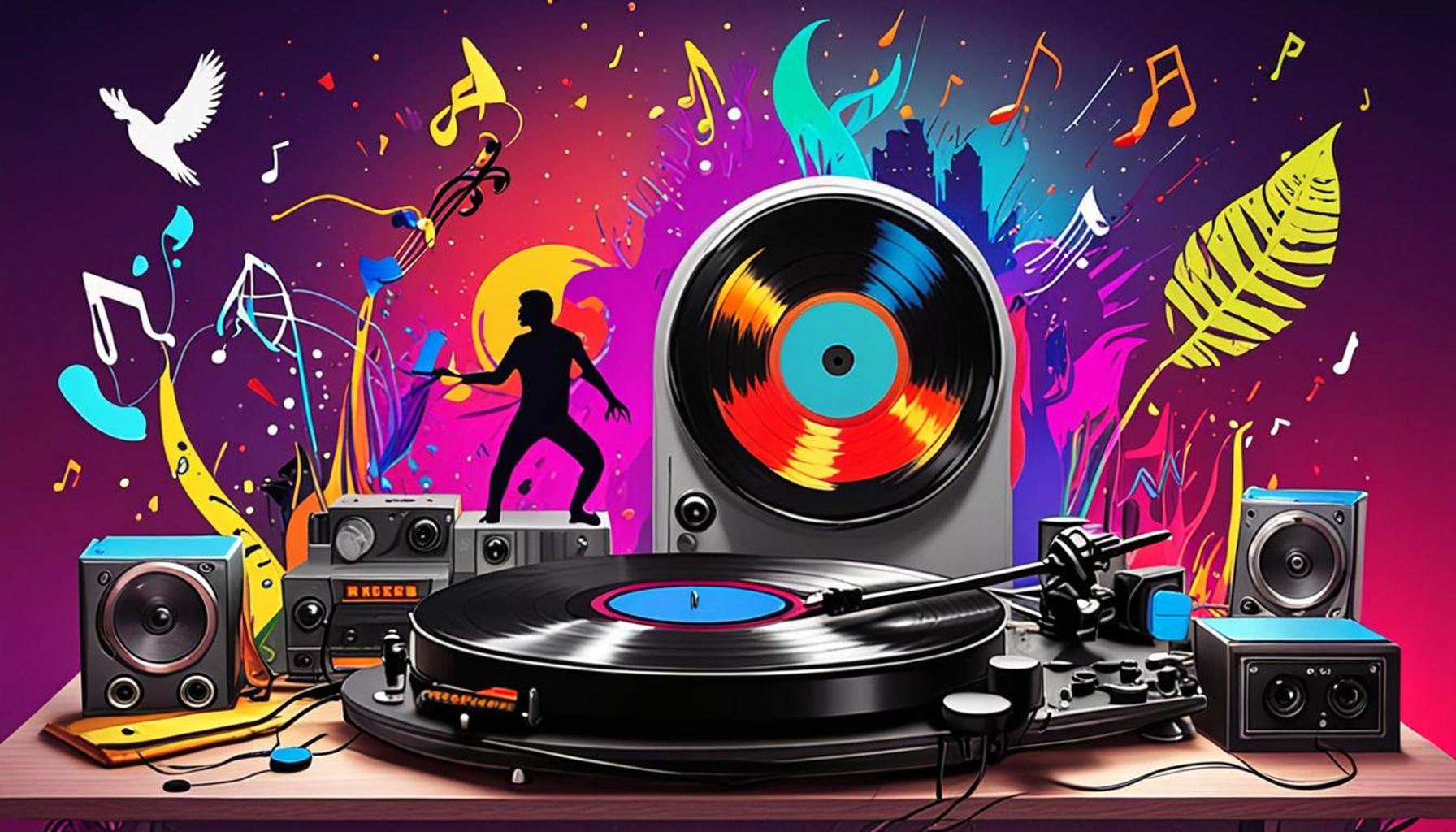
The Journey of Music Consumption and Creation
Over the decades, music has transformed from a simple pastime into a diverse and interactive hobby. The evolution of technology has reshaped how enthusiasts engage with music, leading to significant developments that cater to various tastes and preferences. Understanding this journey offers insights into the profound relationship between music and personal creativity.
Vinyl Records: A Charming Resurgence
Vinyl records once dominated the music scene in the 20th century, known for their ability to deliver a warm and rich sound. However, with the advent of new technologies, they were largely overlooked. Interestingly, in recent years, records have made a remarkable comeback. This resurgence is not solely due to nostalgia; collectors and new listeners alike revel in their sound quality and tactile experience. Record stores have popped up in cities across the United States, and events like Record Store Day celebrate this revival, allowing fans to experience music in a way that digital formats cannot replicate. Limited edition releases often spark bidding wars among collectors on platforms like Discogs, illustrating the enduring allure of vinyl.
Cassettes and CDs: The Revolution of Portability
The introduction of cassettes and CDs in the 1980s and 1990s revolutionized how music was consumed. Suddenly, music lovers could easily create personalized mixtapes or playlists, enhancing their listening experience with a touch of creativity. The portability of these formats allowed people to enjoy their favorite tracks during commutes or while traveling, a significant leap from static records. In recent times, cassettes have also seen a niche resurgence, appealing to collectors and fans of retro culture.
Digital Downloads: Instant Access
The early 2000s marked a shift to digital downloads, making music instantly accessible. Platforms like iTunes radically transformed the landscape, offering vast catalogs at one’s fingertips. This accessibility changed how users discovered music, enabling a wider range of artists to reach audiences without the need for traditional record labels. As a result, indie musicians found new opportunities to share their work and connect with fans directly.
Streaming Services: The New Frontier
Today, services like Spotify and Apple Music dominate the market, providing limitless options for music discovery. Users can explore an extensive range of genres and discover new artists with ease, often driven by sophisticated algorithms that suggest music tailored to their individual tastes. This personalization has fostered a new era of music fandom; listeners now engage with music communities online, sharing playlists and reviews, thus expanding their horizons even further.
Digital Production Tools: Empowering Creativity
The shift from physical to digital has not only affected how music is consumed but also influenced its creation. With the rise of digital production tools, home studios have become increasingly popular. Software like Ableton Live and GarageBand enables aspiring musicians to create and produce music from their bedrooms. This democratization of music production has resulted in an explosion of creativity, allowing individuals without access to traditional studios to express themselves artistically. As platforms for sharing music also evolve, many independent artists can now go from bedroom recordings to chart-topping hits.
This article explores these remarkable transitions, highlighting key innovations and their impact on music enthusiasts. Join us as we dive into this fascinating evolution, inviting both seasoned audiophiles and novices to uncover the world of music as a hobby. Whether you are a vinyl purist or a streaming enthusiast, the journey of music continues to unfold in exciting new ways, inviting discovery and personal expression at every turn.
DISCOVER MORE: Click here to learn about the evolution of craft making
From Vintage Charm to Digital Convenience
The evolution of music as a hobby is marked by numerous intriguing transformations, with each technological advancement reshaping not only how we consume but also how we create music. As we reflect on this journey, it becomes clear that these changes have catered to the diverse preferences of music lovers, offering both nostalgic connections and modern conveniences. Let’s delve deeper into the pivotal eras of this evolution.
Live Performances: The Heart of Music Appreciation
Before recordings became mainstream, live performances were the only way to experience music. Audiences flocked to concert halls, parks, and local venues to hear their favorite musicians. From legendary jazz clubs in New Orleans to rock shows in Los Angeles, the communal atmosphere of live interactions created lasting memories. As music technology began to develop, the charm of live performances remained an essential part of the journey, shaping a passionate community around music.
Music Television: Visual Engagement
The 1980s saw the birth of music television with the launch of MTV, a groundbreaking platform that merged audio with visual artistry. Music videos became a new medium for storytelling and self-expression, attracting millions of viewers and establishing iconic trends. Artists utilized this format to enhance their engagement with fans, offering a complete experience that involved not just listening but also watching and interpreting their art in a wholly immersive way. The impact of music television on cultural trends cannot be overstated; it shaped music consumption patterns and inspired many to explore music as a hobby in new and innovative ways.
Accessibility of Music: The Rise of Home Listening
During the late 20th century, the proliferation of home audio systems further revolutionized the listening experience. With advancements in technology, high-fidelity sound became accessible to the masses. Families would gather around their stereo systems to enjoy albums, and the experience became a social ritual. The introduction of surround sound and high-definition audio gradually transformed how music was enjoyed in households, leading to a deeper appreciation for sound quality and arrangement.
A Timeline of Change
To highlight the key transformations in music consumption, consider the following timeline:
- 1920s-1950s: Dominance of vinyl records; music was played on gramophones.
- 1960s-1990s: Introduction of cassettes and later CDs, allowing for portability and mixtape culture.
- 2000s: Digital downloads took over, with platforms like iTunes reshaping the music purchasing landscape.
- 2010s-Present: Rise of streaming services like Spotify and Apple Music, offering endless libraries at users’ fingertips.
Overall, these developments have not only changed how music is consumed but have significantly influenced the culture surrounding music as a hobby. As technology continues to evolve, the relationship between listeners and creators remains dynamic, prompting further exploration into the realms of sound, community, and artistic expression.
| Category | Description |
|---|---|
| Vinyl Revival | The resurgence of vinyl records showcases nostalgia and improved sound quality, appealing to audiophiles. |
| Digital Music Production | Technology-driven, it democratizes music creation, allowing aspiring artists to produce high-quality tracks from home. |
| Accessibility | Streamlined access to diverse music tools, software, and online tutorials empowers creative expression. |
| Community Engagement | Online platforms facilitate collaboration, sharing, and support, creating vibrant music communities globally. |
The contrast between the warmth of vinyl records and the precision of modern digital production creates an intriguing narrative about how music as a hobby has adapted throughout the decades. Vinyl records, once a primary medium, are experiencing a resurgence among enthusiasts who cherish the tactile and auditory experience they provide. On the other hand, digital music production platforms make it simpler than ever for newcomers armed with knowledge and creativity to dive into music-making without significant financial investments.In today’s digital age, access to a plethora of music software, virtual instruments, and online courses enables passionate individuals to explore their musical potential. Community-driven platforms further enhance the experience, connecting budding musicians with established artists and enabling knowledge exchange. This evolution signifies not just a change in how music is consumed, but a transformation in how it is created and experienced, inviting more people to harness their creativity and embrace music as a fulfilling hobby.
DISCOVER MORE: Click here to uncover the mental health benefits of gardening
The Digital Revolution: New Spaces for Creativity
The transition from analog to digital marked a significant watershed in the evolution of music as a hobby, creating unprecedented opportunities for both enthusiasts and aspiring musicians. With the advent of digital audio workstations (DAWs) and software like GarageBand and Ableton Live, anyone could become a music creator from the comfort of their own home. This democratization of music production ignited a surge of creativity, leading to a paradigm shift in how music is made and enjoyed.
Home Studios: The New Frontier
As computers advanced, the concept of the home studio became increasingly popular. Musicians were no longer confined to professional recording studios, which often involved high costs and complicated logistics. With affordable microphones, MIDI controllers, and audio interfaces, hobbyists could craft songs, record instruments, and even produce polished tracks using only their personal computers. This accessibility not only empowered traditional musicians but also attracted a whole new generation of creators who may not have considered themselves musically inclined. The rise of platforms like SoundCloud and Bandcamp has allowed artists to share their work far and wide, fostering grassroots movements and local music scenes.
The Impact of Social Media
Social media has played a transformative role in the evolution of music as a hobby. Platforms like YouTube and TikTok have become launching pads for musical talent, enabling users to discover, create, and share music easily. Viral challenges and trends often bring songs into popular culture, thrusting unknown musicians into the spotlight. For example, songs that become popular through TikTok trends can lead to impressive streaming numbers on platforms like Spotify, showcasing the powerful symbiosis between social media and music. This direct line to audiences has shifted how musicians approach music creation and marketing, as they must now consider engaging with listeners on multiple levels.
Genres and Subcultures: A Cultural Mosaic
As music production became more accessible, an explosion of new genres and subcultures emerged, reflecting the diverse tastes of listeners. Genres like lo-fi, bedroom pop, and vaporwave saw exponential growth, often characterized by their homemade aesthetic and innovative use of technology. Artists can now blend styles, drawing influences from around the globe to create unique sounds that resonate with niche communities. The DIY ethos is prevalent, with the “bedroom producer” becoming a celebrated figure in contemporary music. These subcultures thrive in online spaces, often bypassing traditional music industry gatekeepers and redefining what it means to be a musician in today’s world.
A Shift Toward Collaborative Creation
The digital landscape has also cultivated a culture of collaboration, where artists from different corners of the globe can work together without geographical limitations. Through shared online platforms, musicians can co-write songs, remix tracks, or produce together in real time, fostering an environment of creativity that transcends time zones. Tools like Splice and Soundtrap have streamlined this collaborative process, making it easier than ever to create music collectively. These innovations underline the increasingly interconnected nature of modern music-making, allowing for combinations of styles and ideas that were previously unimaginable.
With each layer of innovation, from the rise of home recording to viral challenges on social media, the evolution of music as a hobby continues to unfold, revealing exciting new pathways for connection, creativity, and cultural exchange.
DISCOVER: Click here to uncover the mental health benefits of gardening
Conclusion: The Future of Music as a Hobby
The evolution of music as a hobby, from the tactile charm of vinyl to the seamless grandeur of digital production, reflects a dramatic shift in how we perceive and engage with music. The rise of home studios and digital audio workstations has democratized music creation, allowing anyone with a passion for sound to express themselves creatively. Coupled with the all-encompassing influence of social media, former barriers to entry have all but vanished, enabling both established artists and newcomers to find their audience in a crowded marketplace.
The diverse genres and subcultures borne from this accessibility illustrate that music is no longer just a form of entertainment; it has transformed into a vibrant cultural mosaic where individuals can thrive creatively. The increasing trend of collaboration across geographical boundaries fosters a sense of community that resonates beyond local scenes. Today, artists are not just musicians but curators of unique experiences that speak to audiences around the world.
As enthusiasts continue to embrace innovative tools and technologies, the future of music as a hobby remains bright. With possibilities expanding exponentially, we stand on the edge of a new era that promises fresh sounds and engaging interactions. The journey from vinyl to digital production is not just about technological advancement; it encapsulates the spirit of human creativity and the ever-evolving ways we connect through music. Exploring this evolving landscape is imperative for anyone passionate about understanding how music shapes, and is shaped by, human experience.
Related posts:
Developing Musical Discipline: Routines and Habits for Amateur Practitioners
Developing Musical Collaboration Skills: How Making Music in a Group Can Enrich Your Hobby Experienc...
Exploring Diverse Musical Styles A Personal Musical Hobby Journey
Exploring the Diversity of Music Genres: How to Find the Style That Resonates with You
How Music Influences Mental Health Therapeutic Power of Musical Pursuits
How to Find Your Voice: Techniques for Beginners in Singing and Songwriting

Linda Carter is a writer and creative hobbies expert specializing in crafting, DIY projects, and artistic exploration. With extensive experience helping individuals discover their creative potential and bring their ideas to life, Linda shares her knowledge on our platform. Her goal is to empower readers with practical tips, inspiring ideas, and step-by-step strategies for success in the world of creative hobbies.