The Art of Street Photography: Capturing Urban Stories and Everyday Expressions
Capturing the Pulse of the City
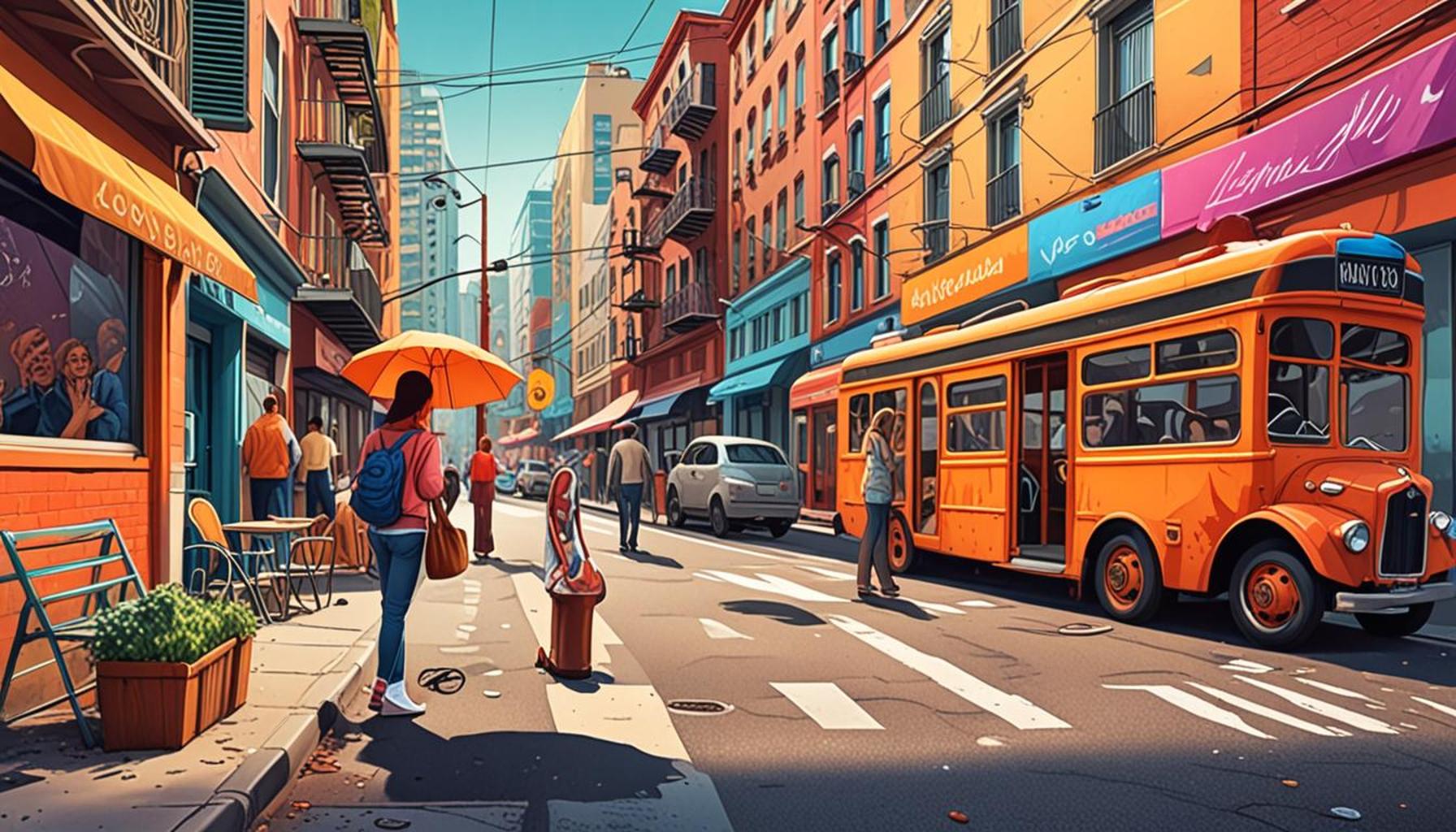
Street photography is a profoundly engaging art form that transcends the simple act of taking pictures. It revolves around the notion of capturing the essence of urban life, where every click of the shutter reveals a slice of reality, brimming with narratives that range from joyous interactions to poignant moments of solitude. In the bustling chaos of urban environments, photographers embark on a journey to illustrate the stories that unfold right before their eyes, uncovering the beauty nestled within the mundane.
Key Attributes of Street Photography
- Spontaneity: Street photography thrives on spontaneity. The essence of an exquisite shot lies in the photographer’s ability to seize the moment. For instance, a candid smile shared between strangers at a bus stop or the life of a street vendor can encapsulate a fleeting interaction that resonates deeply.
- Context: Images captured within urban landscapes can articulate complex social narratives. Consider a photograph of a homeless individual juxtaposed against the backdrop of a towering skyscraper. Such an image can provoke discussions about economic disparity and urbanization, revealing layers of societal issues often overlooked.
- Diversity: The myriad locations that street photography encompasses—from lively markets igniting the senses with vibrant colors and sounds to the tranquil serenity of a secluded park—offer unparalleled insights into the lives of different communities. For example, capturing the hustle and bustle of Times Square versus the quietude found in a residential neighborhood showcases the many dimensions of city life.
In the United States, cities like New York, San Francisco, and Chicago serve as vibrant backdrops for this dynamic genre. Here, photographers capture a rich tapestry of life that reflects the cultural melting pot of urban America. The gritty realism of subway stations and the electrifying performances from street artists in places like the Mission District encapsulate a range of human experiences that tell compelling, visual stories. Each photograph becomes a historical document, preserving moments that may otherwise be forgotten.
Why It Matters
The significance of street photography reaches beyond mere visual appeal; it fosters a dialogue about culture, society, and humanity. These images invite viewers to pause and consider their surroundings, highlighting the rich interplay of urban experiences. For instance, a photograph showcasing a group of people enjoying a communal meal in an open-air market can spark conversations about community engagement and the importance of connection in an often fragmented urban landscape.
Moreover, street photography challenges observers to view familiar spaces through a fresh lens, prompting them to discover the extraordinary within the ordinary. As both artists and audiences interact with these visual narratives, they are encouraged to explore deeper themes of connection, resilience, and identity within the urban jungle.
Ultimately, street photography holds the power to transform our understanding of the world around us, making it a vital and invigorating facet of contemporary visual culture. For those who seek to embark on their own street photography journey, the streets serve as an ever-evolving canvas filled with stories waiting to be told.
DISCOVER MORE: Click here to learn how gardening can enhance your mental well-being
Finding the Story in Every Frame
Street photography is an intimate dance between the observer and the observed, reflecting the spontaneity of life in real-time. It’s here, amidst the urban sprawl, that photographers find countless moments to document, each waiting to be discovered and immortalized. According to Henri Cartier-Bresson, a seminal figure in the genre, “There is nothing in this world that does not have a decisive moment.” Understanding and recognizing these “decisive moments” is critical for anyone looking to master the art of street photography.
Tools of the Trade
When embarking on a street photography journey, one must consider the tools that aid in the art form. While advanced DSLRs have their place, many street photographers prefer lightweight and discreet equipment that allows for agile movement. Popular choices for street photographers include:
- Mirrorless Cameras: These cameras provide high-quality images without the bulk of traditional DSLRs, enabling quick shots without drawing attention.
- Point-and-Shoot Cameras: Known for their simplicity and portability, they allow for spontaneous captures, making them favorites among street photographers.
- Smartphones: With their sophisticated camera technology, smartphones provide an accessible entry point for budding photographers to document urban life without the need for professional gear.
Regardless of the equipment chosen, the key lies in the photographer’s perspective and their ability to connect with the environment. Mastering composition and understanding light are essential components that can elevate the quality of street photography. Famed street photographer Vivian Maier managed to capture stunning images with a simple twin-lens reflex camera, showing that creativity tends to triumph over accessories.
The Importance of Being Observant
To effectively capture the unfiltered essence of urban life, a keen sense of observation is paramount. Patience and anticipation play crucial roles; often, successful street photography requires waiting for the perfect moment. Observing the way people interact, their expressions, and the dynamics of their environment can reveal layers of stories. Consider capturing the essence of a city through various elements:
- Body Language: An interaction between friends or a stranger lost in thought could convey the spectrum of human emotion.
- Urban Architecture: Buildings and street art can become vital characters in the narrative, revealing the historical context and cultural identity of a location.
- Weather and Time of Day: The golden hour and rainy days both create distinct moods that can elevate the storytelling aspect of each photograph.
Engaging with the urban landscape allows the photographer to translate fleeting moments into lasting images. It’s this rich interplay of observation and creativity that brings urban stories to life, inviting viewers to see beyond the surface and connect with the humanity that resides within every frame. As photographers develop their craft, they begin to understand that the true art of street photography lies not just in capturing images, but in telling the intricate stories woven into the fabric of everyday life. This is the heart of street photography—finding the profound within the commonplace, and sharing that discovery with the world.
| Advantages of Street Photography | Characteristics |
|---|---|
| Authentic Storytelling | Capturing real moments and emotions that resonate with the audience. |
| Artistic Expression | Allows artists to convey their unique perspective on urban life. |
| Community Connection | Fosters relationships and interactions with diverse individuals. |
| Creative Challenges | Encourages photographers to think outside the box and innovate. |
As street photographers immerse themselves in the urban landscape, they discover an unparalleled medium for storytelling. Each image encapsulates unique narratives, revealing the vibrant tapestry of city life. The spontaneous nature of street photography offers a rare glimpse into the intricate dynamics of communities, placing viewers directly into the heart of real-life moments.With each click of the shutter, artists are not just recording scenes; they are crafting visual poetry that resonates with the human experience. The ability to freeze time allows for an appreciation of fleeting emotions and everyday interactions, transforming ordinary occurrences into extraordinary observations. Street photography embodies creativity, encouraging artists to pursue their own interpretation of the urban surroundings, proving that beauty often lies in the unexpected.Moreover, the interaction with strangers while wielding a camera facilitates invaluable conversations, creating connections within the community. This form of photography invites an exploration of the layers and complexities of urban life, urging photographers to continuously question and redefine their perspectives, thus enhancing their artistic development.
DISCOVER MORE: Click here to learn about the mental health benefits of gardening</
Crafting Emotion through Context
To elevate street photography from simple snapshots to compelling urban narratives, understanding context is essential. This goes beyond just the subject in the frame; it’s about the surrounding elements that contribute to an image’s overall story. Each photograph should feel like a window into a moment, inviting viewers to engage and reflect on the emotions being displayed. Street photographers must become proficient storytellers, intertwining the backdrop, the people, and the atmosphere into a singular cohesive image.
Using Light as a Tool
Natural light plays a hugely significant role in street photography, creating moods and emphasizing emotions. Amazing street photographers like Garry Winogrand and Andreas Gursky have shown us how light can breathe life into images. Techniques such as filtering the harsh midday sun or capturing the enchantment of twilight can create an atmosphere that supports the emotional weight of the photograph. For instance:
- Backlighting: Capturing a subject with light behind them can create silhouettes, adding mystery and drama.
- Golden Hour: The warm glow around sunrise or sunset gives photographs a magic quality, enriching the urban landscape.
- Shadow Play: Using shadows can introduce patterns and depth, making an ordinary scene feel dynamic and engaging.
Experimenting with different light sources not only sharpens a photographer’s skill but also enhances the storytelling aspect in undeniably powerful ways. Photographers should approach each shoot with the mindset of an architect, designing scenes by leveraging natural elements to convey a deeper message.
Ethics in Street Photography
As photographers delve deeper into the urban jungle, the question of ethics becomes increasingly relevant. Capturing candid images of individuals without their consent raises moral considerations, particularly in a world where privacy is a growing concern. Ethical street photography advocates emphasize the importance of remaining respectful and aware of the ramifications of one’s work. Considerations should include:
- Respect for Subjects: Always think about how your work may affect your subjects. Strive to capture moments without exploiting or misrepresenting individuals.
- Storytelling through Consent: While candid shots have their place, gaining consent, when possible, can provide depth to the narrative and create a partnership between photographer and subject.
- Cultural Sensitivity: Understanding cultural contexts is critical, especially when working in diverse environments. What may seem acceptable to one group may be offensive to another.
As street photography shapes an individual’s unique perspective on the world, it also underscores the responsibility that comes with sharing urban stories. A thoughtful approach to ethics not only fosters respect but enriches the narratives captured, allowing for more authentic connections with subjects and viewers alike.
Editing: Refining Urban Narratives
The journey of street photography does not end with the shutter click; post-processing plays a vital role in shaping the final story. Photographers can harness software tools to enhance colors, balance light, and crop images for optimal composition. Yet, editing should serve the story rather than overshadow it. The objective is to maintain authenticity while elevating the emotional punch of the image. Here are some recommendations:
- Color Grading: Adjusting tones can help convey the desired mood—warm tones may evoke nostalgia, while cooler tones can suggest detachment or melancholy.
- Contrast and Exposure: Working with shadows and highlights can bring out textures, emphasizing the grit or allure of urban environments.
- Simple Cropping: A well-considered crop can dramatically shift the image’s focus, leading the viewer to engage more deeply with the central narrative.
Photos, when edited thoughtfully, become more than mere representations; they transform into stories that resonate. By combining skill, ethics, and technology, photographers can continue to uncover and share the rich tapestry of life that exists within our cities, ensuring that every click of the shutter tells not just a moment but an intricate story of human experience.
DIVE DEEPER: Click here to discover how technology is reshaping creativity
Conclusion: The Soul of Urban Narratives
The art of street photography transcends the mere act of pressing a shutter; it is a profound exploration of the human condition interwoven with the atmosphere of urban life. As we have seen, context enriches each image, transforming fleeting moments into poignant stories that resonate with viewers far beyond the frame. The interplay of light serves as a critical element, imbuing photographs with emotion and depth, while ethical considerations remind photographers of their responsibility to capture subjects with respect and integrity.
Moreover, the editing process allows for an additional layer of storytelling, refining images to enhance rather than detract from their authenticity. When approached with thoughtfulness and intent, street photography does not simply document reality; it invites audiences to reflect on their own experiences within the shared landscape of urban life.
Ultimately, street photography is an ongoing conversation between the photographer, the subject, and the viewer, cultivating a deeper understanding of the diverse narratives that unfold in everyday settings. As you embark on your own journey through the streets, remember that every click of the camera has the potential to reveal a story waiting to be told. Embrace the challenge, and let your lens become the bridge connecting urban tales with the hearts of those who witness them.
Related posts:
Artistic Expression Through Fashion: Creating Identity and Personal Style
The Connection between Board Games and Creative Expression: Building Worlds and Narratives
The Influence of Handicrafts on Mental Health and Well-Being
Creative Writing: How Telling Stories Can Free Emotions and Ideas
The Importance of Graffiti as a Form of Protest and Cultural Expression
The Role of Theatre in the Exploration of Personal and Social Identity

Linda Carter is a writer and creative hobbies expert specializing in crafting, DIY projects, and artistic exploration. With extensive experience helping individuals discover their creative potential and bring their ideas to life, Linda shares her knowledge on our platform. Her goal is to empower readers with practical tips, inspiring ideas, and step-by-step strategies for success in the world of creative hobbies.