Craft Making and Cultural Identity: Celebrating Traditions Through Creation
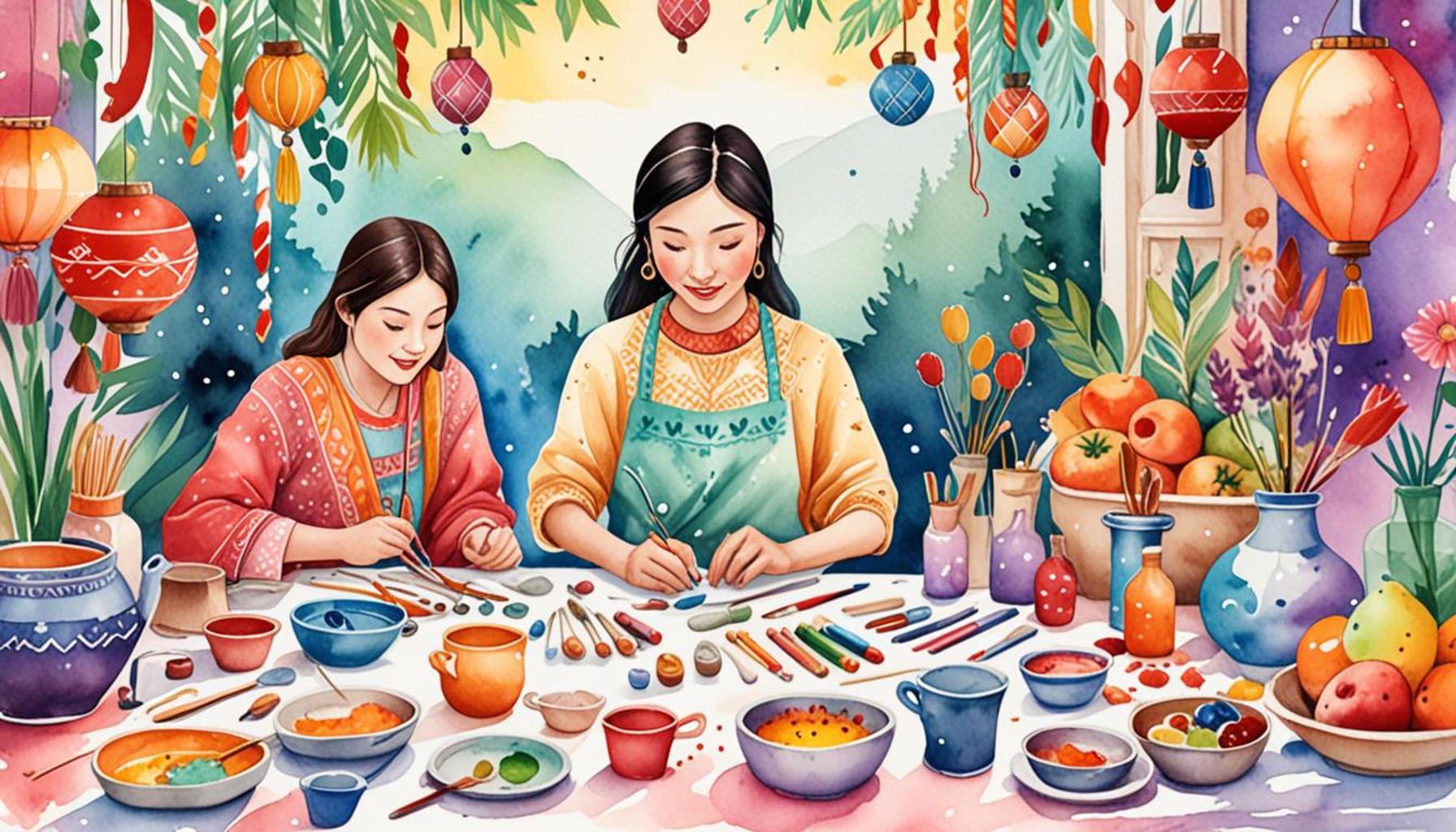
Crafting Identity and Community
Craft making transcends mere hobby; it serves as a powerful medium through which individuals express their cultural identity. From intricate pottery to vibrant textiles, the art of creation reveals the rich tapestry of traditions that shape communities across the globe. Each handmade piece not only reflects the aesthetic preferences of the craftsman but also embodies the history and values of their culture.
- Historical Significance: Many crafts have roots that date back centuries, linking artisans to their ancestors. For instance, the ancient practice of pottery can be traced to various civilizations, with each bringing forth techniques that reflect their environment and societal needs. The continuation of such crafts helps preserve invaluable traditions that might otherwise fade away.
- Community Engagement: Craft gatherings, such as quilting bees in rural America or pottery workshops in urban centers, foster connections and strengthen bonds among participants. These events create spaces for sharing skills, stories, and cultural legacies. Craft fairs and local artisan markets not only showcase individual talents but also weave a fabric of community across diverse backgrounds.
- Personal Expression: Each creation can reflect the maker’s heritage, beliefs, and personal journey. For example, a textile artist may incorporate traditional patterns that tell a story of their family lineage, while a woodworker might craft items that echo the landscapes of their upbringing. This personal touch makes every handcrafted piece a unique contribution to the larger cultural narrative.
As American society embraces a melting pot of cultures, the significance of craft making becomes even more pronounced. Across the United States, various communities celebrate their unique backgrounds through:
- Native American beadwork and dreamcatchers that embody spiritual significance. These intricate pieces often serve as protective talismans, showing deep respect for cultural beliefs and values.
- Italian hand-stitched lace passed down through generations, showcasing the precision and artistry of Italian heritage. Communities often come together to celebrate these skills at local festivals, ensuring the craft lives on in future generations.
- Mexican papel picado that brings color and festivity to every celebration. This decorative craft, made from intricately cut paper, is frequently used in cultural events, highlighting the importance of celebration in Mexican traditions.
Exploring the world of craft making opens up avenues for understanding and appreciation. Artisans are not just creators; they are storytellers who encapsulate their culture in every piece. In a rapidly globalizing world, preserving these skills not only honors cultural heritage but also enriches our collective human experience. As communities come together to learn and share these crafts, we build bridges across differences, reinforcing the idea that creativity unifies us through the beautiful lens of tradition.
DIVE DEEPER: Click here to discover the emotional benefits of cooking
The Evolution of Craft Traditions
Understanding the intersection of craft making and cultural identity requires a look into how these traditions evolved over time. From indigenous practices to contemporary art, the journey of crafts reflects both historical contexts and modern influences. This evolution is vital for appreciating how artisans today bridge the past with the present, creating pieces that honor their lineage while resonating with contemporary audiences.
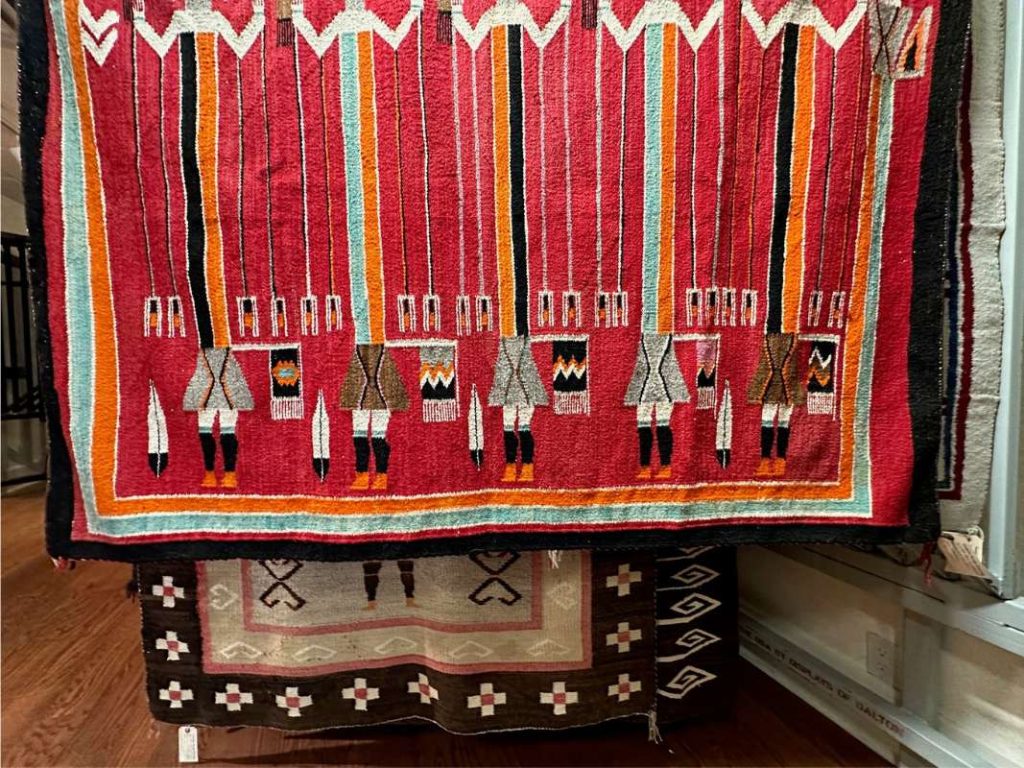
The artistic endeavor in craft making often mirrors the socio-economic conditions of a given culture. For example, traditional African basket weaving involves the use of locally sourced materials, showcasing the connection between the community and its environment. These meticulously woven baskets are not only functional; they are imbued with cultural significance and regional symbolism, representing everything from status to storytelling. Similarly, in many Indigenous cultures across North America, pottery and weaving serve as a means to retain cultural narratives and practices, passed down through generations, preserving language and tradition.
As globalization expands, craft making is increasingly infused with new techniques and influences, fostering innovation while still honoring traditional methods. One notable example is the rise of upcycling in textile arts, where artisans breathe new life into discarded materials, combining sustainable practices with traditional crafting techniques. This evolution matters, as it not only appeals to modern sensibilities but also resonates with younger generations who value both heritage and sustainability.
Cultural Festivals and Craft Revival
Cultural festivals play a pivotal role in celebrating craft traditions and encouraging community participation. These gatherings serve as platforms for artisans to showcase their skills and for the public to engage with the stories behind the crafts. Events like the annual Smithsonian Folklife Festival in Washington D.C. invite craftspeople from various backgrounds to demonstrate their craft, thus creating an immersive cultural experience. Visitors can interact with artisans, learn techniques, and understand the narratives tied to practices that may span thousands of years.
- Local heritage fairs often feature artisan demonstrations, where locals can witness traditional methods of weaving and pottery, linking them to their community’s past.
- Artisans’ markets provide opportunities for people of different backgrounds to trade skills and stories, promoting cultural exchange while fostering a sense of belonging.
- Workshops are frequently organized to pass down crafting techniques to the next generation, ensuring that these precious skills are not lost but rather adapted in ways that meet contemporary needs.
Through cultural festivals, the craft becomes a living history, transforming into a dynamic dialogue between generations. By engaging in hands-on experiences, attendees not only appreciate the aesthetics of craft but also grasp the deeper meanings behind each creation. This interconnectedness of learning and sharing reflects the broader narrative of identity, where craft serves as a conduit for understanding oneself and one’s heritage.
| Cultural Significance | Artistic Expression |
|---|---|
| Traditional Techniques | Handcrafted Artifacts |
| Preservation of Heritage | Unique Identity Formation |
Craft making is not merely a hobby; it is a vital practice that encapsulates the essence of cultural identity. The use of traditional techniques in crafting creates a deep connection between artisans and their heritage. This practice serves as a bridge, allowing new generations to maintain an awareness of their ancestral skills and the historical contexts from which they arise.Moreover, crafting nurtures artistic expression through unique handcrafted artifacts that often carry profound meanings. Each piece tells a story—whether it’s a woven basket or a painted pottery—reflecting the individual and community experiences interwoven throughout history. This act of creation is crucial not only for self-expression but also for the preservation of heritage, ensuring that traditions are cherished and passed down.Furthermore, crafting facilitates the formation of a unique identity, as individuals actively engage with cultural narratives. By participating in these creative processes, people affirm their ties to their communities, fostering a sense of belonging and pride in their origins. As we explore the depths of craft making, we unveil layers of cultural narratives waiting to inspire curiosity and respect for diverse traditions.
DISCOVER MORE: Click here to learn about the mental health benefits of music</
The Role of Craft in Cultural Identity Formation
At its core, craft making is an expression of identity that binds individuals to their heritage while simultaneously allowing for personal interpretation. This intricate relationship between crafts and cultural identity can also be seen in the way communities embrace their unique skill sets, creating a collective narrative that resonates through generations. For instance, the renowned Native American beadwork, characterized by intricate designs and vibrant colors, serves not only as a visual celebration of cultural history but also as a means of spiritual expression. Each bead carries significance, telling stories of ancestry and community values.
Craftsmanship often acts as a form of resistance against the homogenization brought about by globalization. Artisans consciously infuse their works with traditional techniques and cultural symbolism to assert their identities in a rapidly changing world. The art of traditional quilting, prevalent in many Southern American states, exemplifies this. Each quilt often narrates personal and communal stories, allowing the maker to connect with their heritage while forging community bonds through shared labor and history. Festivals that celebrate quilting not only showcase the vibrant patterns but also highlight the rich tales behind each stitch, reinforcing community ties.
Modern Interpretations of Traditional Crafts
In the contemporary landscape, there is a growing trend of integrating traditional crafts into modern design, a phenomenon that breathes new life into age-old practices. Modern Indigenous artists are increasingly merging traditional craftsmanship with contemporary themes and aesthetics, thereby continuing the conversation about cultural identity. This not only helps younger generations reconnect with their roots but also allows these crafts to sit comfortably within global art dialogues. For example, the incorporation of modern materials into traditional basket weaving practices enhances both function and aesthetic appeal, engaging wider audiences while honoring the craft’s origins.
- Emerging artists are experimenting with mediums such as metal and ceramics, blending them with traditional motifs to create unique, narrative-rich works.
- The rise of social media enables artisans to showcase their work to global audiences, sparking new conversations about craft making, cultural preservation, and identity.
- Collaborative projects, where artisans work alongside designers from different backgrounds, manifest in innovative pieces that celebrate diversity and adaptability in cultural expressions.
This blending of the traditional and the modern reflects a dynamic cultural landscape, where craft making becomes a vessel for dialogue and exploration of identity. It creates a platform where voices from varied backgrounds can converge, allowing for a fuller understanding of what it means to belong to a culture while simultaneously existing in a modern society. Crafting, in this regard, is no longer merely a means of creating artifacts but an ongoing narrative that evolves as communities interact with both their heritage and the modern world.
DIVE DEEPER: Click here to discover more about the connection between art and mental well-being
Conclusion
In an age where cultural identity is often challenged by the forces of globalization, craft making stands as a testament to the enduring spirit of tradition and creativity. It is through the meticulous practice of crafting that individuals not only honor their ancestral roots but also navigate the complexities of modern life. As explored, crafts such as Native American beadwork and traditional quilting serve as powerful narratives of personal and collective identity, weaving stories that connect generations and cherish cultural resilience.
The modern interpretations of these crafts reflect a dialogue between the past and the present, as artisans innovate while staying rooted in tradition. The integration of contemporary aesthetics into traditional techniques revitalizes these crafts, ensuring they remain relevant and accessible to younger audiences. The rise of social media has further democratized this dialogue, enabling artisans to showcase their creations and engage with global communities, thus propelling conversations about cultural preservation and identity into new territories.
Craft making is not merely an artistic pursuit but an essential element of cultural dialogue, fostering a sense of belonging and promoting diversity. As communities engage in crafting practices that celebrate their unique heritage, they not only enrich their own cultural identities but also contribute to a broader understanding of what it means to be part of a mosaic of cultures. This journey—defined by creation, adaptation, and celebration—invites us all to explore, honor, and participate in the rich tapestry of human experience that is craft making.
Related posts:
The Influence of Craft Making in Technical Education: Preparing the Next Generation of Artisans
Craft Making and Community: How Workshops and Gatherings Foster Social Connections
The Impact of Craft Making on Education: Developing Creative Skills in Children and Young People
Integrating Technology into Craft Making: Digital Tools for Modern Artisans
The Intersection of Craft Making and Ecology: Ecological Practices for Sustainable Craftsmanship
Sustainable Craft Making Eco-Friendly Materials Techniques for Hobbies

Linda Carter is a writer and creative hobbies expert specializing in crafting, DIY projects, and artistic exploration. With extensive experience helping individuals discover their creative potential and bring their ideas to life, Linda shares her knowledge on our platform. Her goal is to empower readers with practical tips, inspiring ideas, and step-by-step strategies for success in the world of creative hobbies.