Craft Making and Women’s Empowerment: Stories of Women Who Transform Materials into Art
Crafting Empowerment through Artistry
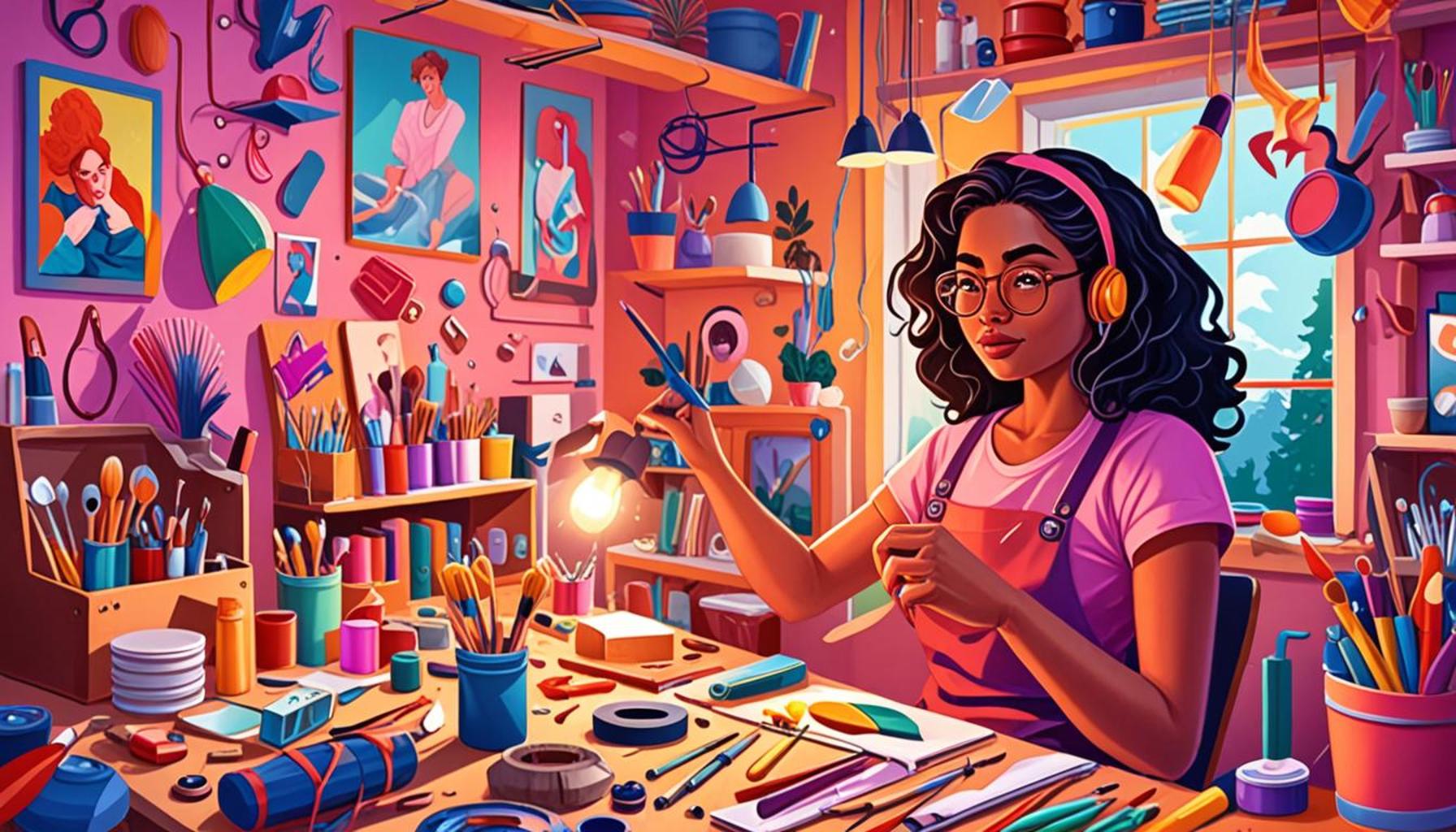
The art of crafting has long been a medium of self-expression, but today, it emerges as a beacon of hope and transformation for many women around the world. Craft making is not merely about the creation of artistic pieces; it weaves a rich tapestry of personal narratives, community engagement, and cultural heritage. With the rise of artisanal movements, women harness their creative skills to carve out spaces for themselves in a society where their contributions have historically been overshadowed.
Economic Independence plays a significant role in this movement. Many women are turning their passion for crafting into sources of income, often utilizing platforms such as Etsy or local craft fairs to reach broader markets. For example, women in rural areas are creating intricate handmade jewelry using sustainable materials, and selling these unique pieces not only uplifts their families economically but also fosters local economies. According to a 2021 report by the American Craft Council, craft-based businesses contribute approximately $42 billion to the U.S. economy, showcasing the potent impact of this sector.
In addition to economic benefits, crafting also promotes community building. Craft workshops, where women gather to learn new techniques or collaborate on projects, create nurturing environments that encourage mutual support and friendship. Take the “Craft House” initiative in Portland, Oregon, where women meet to engage in crafting sessions, share resources, and even participate in community events. These gatherings not only enhance skills but also forge lasting relationships among participants, instilling a sense of belonging and purpose.
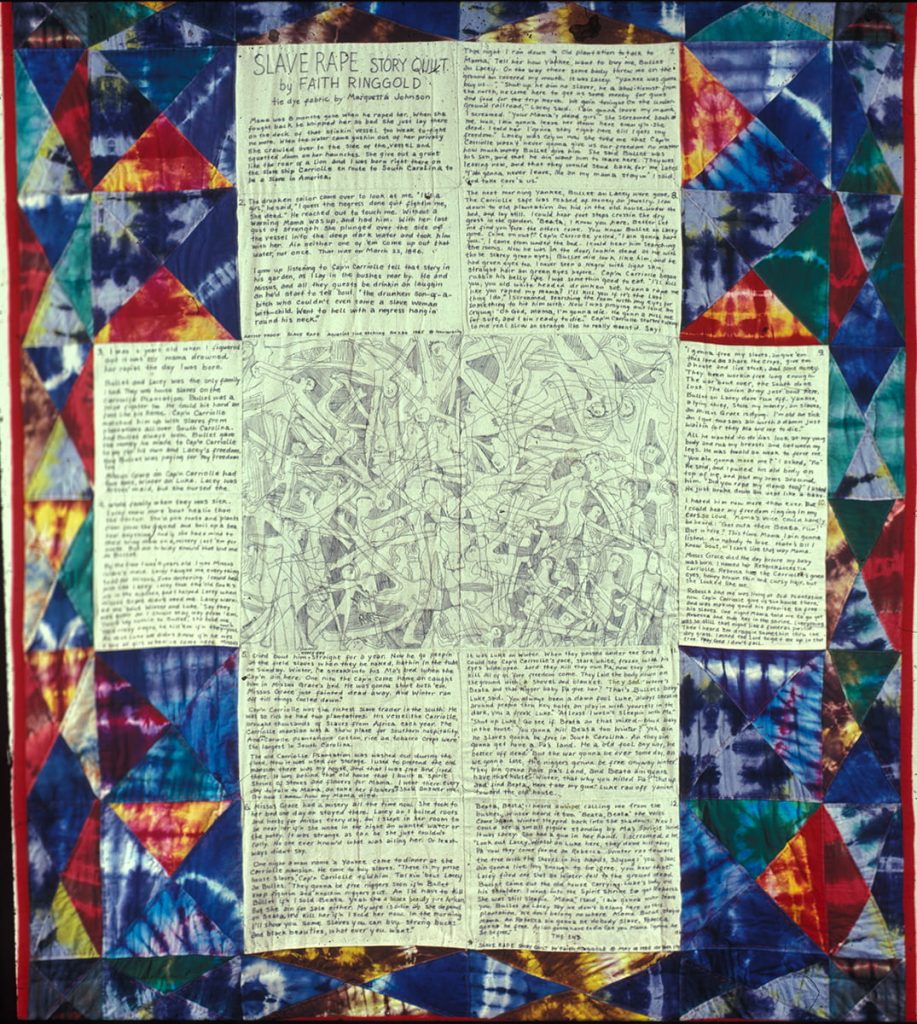
Moreover, crafting prominently features a role in cultural preservation. Techniques passed down through generations, such as quilting in African American communities or weaving traditions among Native Americans, help maintain rich cultural narratives. By reviving these practices, women contribute significantly not just to their families but to the larger societal fabric. An example of this is the Indigenous women’s beadwork initiatives which not only create stunning pieces but also serve as educational touchpoints for younger generations about their heritage and traditions.
Women-led cooperatives, such as those found in the Appalachian region, embody the transformative power of crafts. Artisans collaborate to utilize collective resources, share knowledge, and market their handmade goods. This collective approach significantly enhances their ability to thrive in the competitive craft landscape while fostering empowerment and autonomy among the women involved.
As we uncover the stories behind these remarkable female artisans, we see how every piece they create stands as a testament to resilience, creativity, and empowerment. Craft making offers a narrative of change, illustrating that behind each handcrafted item lies a journey of struggle and triumph, collectively moving towards a future of equality and voice. Join us as we explore these inspiring tales, discovering how artistry becomes a vital thread in the fabric of empowerment.
DIVE DEEPER: Click here to explore diverse musical styles
Unveiling Stories of Artisans
The stories of women artisans are as diverse as the crafts they create, each narrative a unique journey that showcases their ingenuity and resilience. From urban studios to countryside workshops, women are breaking barriers through their artistic talents. These narratives highlight not only the personal triumphs of the artisans but also the broader implications for their communities.
Creativity as a Catalyst for Change is a powerful theme permeating the fabric of women’s craft making. For many women, crafting allows for the exploration and expression of their identities. In cities like San Francisco, groups of women are transforming everyday materials into art that challenges societal norms. One example is the “She Who Crafts” collective, where every project fosters dialogue around gender, power, and self-representation. Such endeavors not only challenge traditional artistic boundaries but also invite a critical examination of feminist principles. Here, creativity serves as a protest against the status quo, harnessing the transformative power of art to inspire social change.
Moreover, the intersection of technology and tradition is reshaping the landscape of craft making. Many artisans are utilizing social media to showcase their work, creating vibrant online communities while also building a customer base that extends far beyond their local markets. Platforms like Instagram and Pinterest enable them to share their stories and foster connections with potential buyers, allowing for a unique form of empowerment through visibility. Notably, hashtags such as #WomenWhoCraft and #HandmadeWithLove help amplify their voices, resonating with audiences worldwide.
The impact of these digital platforms can be measured in several ways:
- Increased Market Reach: Women can now showcase and sell their creations to global customers.
- Community Support: Online platforms encourage collaboration, offering networking opportunities with other women artisans.
- Skill Development: By sharing techniques and tutorials, women can enhance their craft while also instilling confidence in others.
Additionally, the concept of sustainable practices in craft making plays a pivotal role in women’s empowerment. Increasingly, artisans are turning to eco-friendly materials and practices, which not only promotes environmental consciousness but also draws attention to social issues related to labor and production. For instance, women in Guatemala engage in textile weaving using organic cotton, contributing to both the preservation of traditional arts and sustainable economic opportunities. Such practices resonate deeply, appealing to a growing market that values ethical consumption.
As we delve further into the world of craft making, it becomes evident that these women are not just crafting items; they are crafting futures. Each creation encapsulates stories of struggles, aspirations, and victories that transcend individual experiences, resonating with broader movements towards equality and empowerment. Their journeys inspire a deeper understanding of how art can serve as a powerful tool for transformation, weaving connections between personal fulfillment and community upliftment.
| Advantage | Details |
|---|---|
| Empowerment Through Skill | Women gain independence by mastering traditional and modern crafting techniques. |
| Community Building | Crafting fosters a sense of belonging as women come together to share experiences and resources. |
| Economic Growth | Crafts can lead to micro-enterprises, providing sustainable income and support for families. |
| Cultural Preservation | Through their art, women preserve and promote their cultural heritage. |
Women involved in crafting are transforming not just materials into art, but also their own lives and communities. The empowerment gained through crafting skills provides more than creative fulfillment; it fosters independence and resilience. As these women master techniques ranging from traditional weaving to contemporary art forms, they elevate their status within their communities, often inspiring others to follow suit. Moreover, the benefits extend beyond the individual. Craft making creates a vibrant social network, allowing women to forge connections that foster support and collaboration. This aspect of community is vital, as it enhances their collective efforts in promoting economic growth through micro-enterprises. By selling handmade goods, women contribute to their families’ financial stability while celebrating their cultural heritage through unique artistic expressions.These various dimensions of craft making not only empower women but also enrich communities, making it an essential avenue of transformative change.
DISCOVER MORE: Click here for insights on DIY craft making
Empowering Economies through Craft
Beyond personal narratives, the economic implications of women’s craft making cannot be underestimated. Globally, women artisans are creating micro-economies that contribute significantly to their families and communities. In the United States, organizations like Women’s Bean Project exemplify this impact by providing job training and employment to women experiencing barriers to the workforce. Through the production of gourmet foods and handcrafted goods, these women not only gain financial independence but also build self-esteem and a sense of purpose.
Microfinancing has also emerged as a vital tool in empowering these artisans. By giving women access to small loans, initiatives like Kiva open doors for them to buy materials, expand their businesses, or invest in skill development. A recent report indicated that women entrepreneurs in craft sectors who received microloans increased business profits by as much as 25%, demonstrating that financial support is crucial in turning creative dreams into sustainable livelihoods.
The rise of community-based craft cooperatives further underscores the collective power of women in crafting. These cooperatives foster collaboration, resource sharing, and collective purchasing power. For example, the Women’s Cooperative in Oaxaca, Mexico showcases how indigenous women have banded together to create beautiful pottery and textiles, while also educating one another on business management and marketing skills. Their cooperative structure not only increases their bargaining power but also reinforces their cultural traditions and preserves local craftsmanship.
Cultural Preservation through Craft
Women artisans play a critical role in cultural preservation as they pass on traditional techniques and narratives through their crafts. This process is not only about maintaining heritage but also about empowering the next generation. In the United States, women of Native American descent are crucial in keeping ancestral crafts alive by teaching young girls the art of beadwork, sweeping the traditional dance regalia, and storytelling through visual arts. This transfer of knowledge helps build a sense of identity and belonging among younger generations, reminding them of their roots and inspiring pride in their heritage.
In Africa, women’s groups often turn to traditional weaving and dyeing techniques, creating vibrant fabrics that reflect their cultural heritage while generating income. The Ghanaian Women Weavers, for instance, engage in the age-old practice of kente weaving, where every pattern tells a story. These women not only sustain the craft but also provide economic stability for their families, ensuring that these cultural practices continue to thrive in contemporary society.
Building Networks and Advocacy
The emergence of networks dedicated to supporting women artisans is another significant development in the craft making landscape. Organizations like Crafting a Living are committed to advocating for women’s rights in the craft sector, providing them with resources, mentorship, and market opportunities. These networks not only amplify the voices of women artisans but also challenge policymakers to recognize and address the unique challenges they face.
Furthermore, crafting initiatives often intersect with social movements, rallying women to advocate for issues transcending the craft itself, such as rural development, access to education, and healthcare. Events like Craftivism demonstrate how crafting can serve as a form of peaceful protest, where women come together to raise awareness about social issues through their art. The intricate details within each handcrafted piece can be seen as messages of resilience and unity, echoing the combined strength of women working together towards a common goal.
LEARN MORE: Click here to discover sustainable gardening practices
Conclusion: The Transformative Power of Craft
The intersection of craft making and women’s empowerment unfolds a captivating narrative that transcends mere artistry; it highlights the resilience, creativity, and strength of women around the world. As we have seen, through various initiatives and community efforts, women are not only transforming materials into beautiful works of art but also their lives and the lives of those around them. The economic opportunities stemming from craft making, such as job training programs and microfinancing, showcase the potential for women to build sustainable livelihoods while fostering a sense of community and collective strength.
Cultural preservation further adds depth to their craft as women artisans pass down traditional techniques and stories, ensuring that rich heritages continue to thrive in contemporary settings. This practice not only provides them with a source of income but also instills pride and identity in younger generations, bridging the gap between past and present.
Moreover, the emergence of advocacy networks amplifies the voices of women artisans, creating a support system that extends beyond crafting. As these women come together to champion social issues and promote awareness, it becomes clear that crafting is not merely an individual pursuit but a collective movement towards empowerment.
As we reflect on the vital role of women in crafting, it is essential to continue supporting their journeys. By purchasing handmade goods or advocating for their rights, we contribute to a larger narrative of women’s empowerment through craft. Let the stories of these remarkable women inspire us all to recognize the transformative power that art can bring, both to individuals and communities alike.
Related posts:
The Importance of Craft Making in the Preservation of Traditional Artisan Techniques and Their Conte...
The Evolution of Craft Making: Traditional vs. Modern
The Intersection of Craft Making and Ecology: Ecological Practices for Sustainable Craftsmanship
Sustainable Craft Making: How to Create with Recycled Materials
Craft Making as a Form of Personal Empowerment: Turning Ideas into Reality
Sustainable Craft Making Eco-Friendly Materials Techniques for Hobbies

Linda Carter is a writer and creative hobbies expert specializing in crafting, DIY projects, and artistic exploration. With extensive experience helping individuals discover their creative potential and bring their ideas to life, Linda shares her knowledge on our platform. Her goal is to empower readers with practical tips, inspiring ideas, and step-by-step strategies for success in the world of creative hobbies.