The Evolution of Craft Making: Ancient Traditions and New Trends

The Evolution of Craft Making
Craft making has been an integral aspect of human civilization, intricately woven into the fabric of cultural identity and expression. Its journey spans from the rudimentary creations of prehistoric communities to the sophisticated artistry seen in contemporary society. Each era contributes to a larger narrative, marked by the tools, materials, and cultural exchanges that have advanced over centuries, continually reflecting the social dynamics and technological innovations of their time.
Historical Contributions to Craft Making
Across various civilizations, distinctive crafts have emerged that speak volumes about the societies that produced them. For instance, Mesopotamian pottery boasts intricate designs that were not only functional but also symbolically significant, often reflecting the beliefs and lifestyles of ancient Mesopotamians. Meanwhile, Egyptian textiles highlight the art of weaving, with beautifully crafted linen that adorned pharaohs and was used in burial practices, showcasing the importance of materials in spiritual contexts.
Furthermore, the Indigenous American beadwork serves a profound purpose, telling stories through colors and designs. Beads made from natural materials like quills, shells, and bones articulate cultural narratives and personal histories, emphasizing the bond between art and identity.
The Intersection of Tradition and Modernity
In today’s fast-paced environment, craft making is experiencing a renaissance, where ancient techniques meet modern trends. A key highlight is the movement towards eco-friendly materials, driven by a growing consciousness about environmental sustainability. Artisans are now utilizing organic fabrics, recycled papers, and natural dyes, reducing waste while celebrating traditional craftsmanship.
Moreover, the rise of digital craftsmanship has transformed how artists and hobbyists create. Technologies such as 3D printing and digital design software enable more intricate and personalized crafting. This is evidenced by the rise of DIY culture, where individuals can access templates, tutorials, and inspiration from across the globe, allowing them to reinterpret traditional crafts in innovative ways.
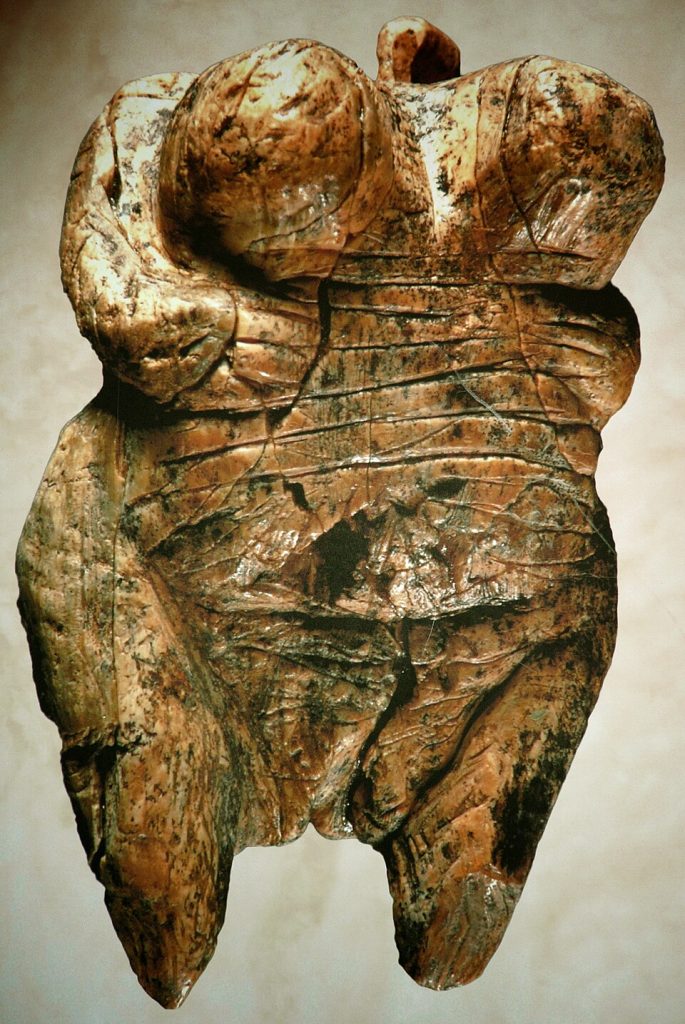
Social media platforms like Instagram and Pinterest play a pivotal role in fostering community engagement among crafters. They provide a space for artists to showcase their work, share techniques, and connect with like-minded individuals. This exchange of ideas and experiences not only nurtures creativity but also builds a global network that transcends geographical boundaries.
As both seasoned artisans and new enthusiasts navigate this evolving landscape, the intersection of tradition and innovation invites us to reflect on the essence of craft making. By understanding its roots, we can better appreciate the rich narrative of human creativity and the endless possibilities that lie ahead. The journey into the world of crafts promises not only to celebrate the past but also to ignite a passion for making in the future, encouraging everyone to explore their artistic instincts.
DISCOVER MORE: Click here to dive into sustainable gardening techniques
Ancient Craftsmanship: Foundations of Creative Expression
The roots of craft making trace back to the very essence of human survival and expression. In ancient times, crafts were not merely artistic practices; they were essential skills for everyday life. Early artisans relied on natural materials found in their environments, resulting in an array of functional items that ranged from simple tools to decorative objects steeped in symbolism.
One of the key aspects of ancient craft making was the use of local resources. For instance, early civilizations like the Chinese excelled in ceramics, developing techniques that led to the creation of fine china that is still coveted today. Artisans honed their skills over generations, often passing down techniques and traditions from parent to child. This generational knowledge ensured the survival of specific methods, blending practical use with artistic expression.
Regional Variations and Cultural Significance
The diversity in craft making across regions illustrates the rich tapestry of cultural heritage. Each area brought forth unique crafts that reflected its history, beliefs, and environment. Notable examples include:
- Japanese Origami: More than just paper folding, origami embodies principles of mathematics and aesthetics, resulting in forms that evoke nature and elegance.
- Indian Pottery: With roots in the Indus Valley Civilization, Indian pottery features intricate patterns and is often used in rituals, connecting daily life to spiritual practices.
- African Textile Art: Through vibrant weaves and bold patterns, African textile traditions tell stories of identity and community, using symbols that resonate with the wearer’s heritage.
These examples underscore how craft making can encapsulate the broader cultural narratives of a society. Techniques vary significantly, shaped not just by available materials but also by the values and worldviews of the people who create them.
The Influence of Trade and Cultural Exchanges
The evolution of craft making has also been heavily influenced by trade routes and cultural exchanges. As civilizations interacted, they shared not only goods but also ideas, techniques, and artistic styles. The Silk Road, for instance, was crucial in spreading knowledge about textiles and ceramics between the East and West. Such interactions led to a fusion of styles, enriching the craft traditions of each culture involved.
With globalization, modern crafts are increasingly shaped by an influx of techniques and materials from various cultures around the world. Artists today often draw inspiration from ancient practices, merging them with contemporary values and aesthetics. This adaptation has given rise to unique hybrid crafts that celebrate diversity in creativity while maintaining a connection to ancestral roots.
As we delve deeper into the evolution of craft making, it becomes clear that ancient traditions serve as the bedrock for innovative trends, demonstrating the enduring relevance of craftsmanship in an ever-changing world. Understanding this relationship not only highlights the significance of various cultural expressions but also invites contemporary artisans to explore the wealth of history embedded in their crafts. By delving into the past, we can better appreciate the intricate art of making, as well as the potential for future innovations that keep the spirit of craft alive.
The Evolution of Craft Making: Ancient Traditions and New Trends
The world of craft making has transformed significantly over the centuries, evolving from ancient traditions to modern practices that embrace both heritage and innovation. Exploring this evolution reveals a rich tapestry of cultural significance and contemporary creativity, inviting enthusiasts and artisans alike to engage in this timeless art.
Historical Roots of Craft Making
The origins of craft making date back thousands of years, with various cultures developing unique techniques and styles that reflected their values, beliefs, and resources. From ceramics in the Neolithic era to intricate textile weaving in ancient civilizations, these crafts served both functional and artistic purposes. The legacy of these ancient skills remains evident today, often employed by those looking to rekindle their connection to the past while creating new works.
Modern Innovations in Craft
As society progresses, so too does the craft making landscape. Today, we witness a fusion of traditional methods with modern technology, resulting in innovative approaches that breathe new life into age-old practices. For example, the use of digital tools and online platforms allows artisans to reach a global audience, showcasing their work and trades in ways previously unimaginable. Workshops that combine traditional craft techniques with 3D printing are redefining how we think about materiality and production.
Table of Advantages
| Category | Benefits |
|---|---|
| Cultural Heritage | Preserves and celebrates unique traditions. |
| Innovative Techniques | Blends history with modern technology for new creations. |
| Economic Opportunities | Supports local artisans and sustainable practices. |
The adaptability of craft making also reflects a broader societal shift towards sustainability and individuality. As consumers increasingly seek authenticity and sustainability in their purchases, artisans who embrace both ancient techniques and modern sensibilities are well-positioned in the market. This intersection is not merely a trend; it is a movement that values craftsmanship, quality, and the story behind each piece.
Future of Craft Making
As we look to the future, it is essential to consider how craft making can continue to adapt and thrive. Encouraging education and workshops, promoting community involvement, and enhancing accessibility through technology are vital steps in ensuring these valuable traditions endure. With a focus on sustainability and innovation, the craft making landscape will undoubtedly continue to evolve, inviting new generations to explore the rich heritage and creative possibilities within.
DISCOVER: Click here to uncover the emotional benefits of cooking
The Renaissance of Craft in the Modern Era
As the industrial revolution swept across the globe in the 18th and 19th centuries, craft making experienced a significant shift. Mass production became the norm, leading to the decline of traditional handmade crafts in many areas. However, as society progressed, there emerged a counter-movement known as the Arts and Crafts Movement, ignited by a desire to revive the lost values of artisanal craftsmanship. This movement not only celebrated hand-made goods but also emphasized the importance of design and the artist’s connection to their work.
The late 20th century and early 21st century has ushered in a new wave of interest in handmade crafts, fueled by a growing appreciation for sustainability and unique craftsmanship. With increasing technological advancements, today’s artisans have access to a diverse range of tools that allow them to innovate while still honoring traditional methods. For example, the incorporation of digital design and 3D printing technologies has opened doors for contemporary craft makers. By blending traditional techniques with cutting-edge technology, artists can create intricate pieces that were unimaginable just a few decades ago.
The Craft Revival: A Blend of Old and New
In the United States, this revival can be observed in the surge of interest in DIY culture, which empowers individuals to explore craft making in their personal lives. Platforms like Etsy have transformed the landscape, enabling artisans to reach global audiences while showcasing their unique creations. These small businesses serve as not only a means of income but also a celebration of individuality and craftsmanship.
Furthermore, modern craft fairs and local makers’ markets are experiencing incredible growth, providing artisans the opportunity to connect with their communities. Events like these foster a sense of collaboration, where traditional artisans can share their knowledge with the next generation, bridging the gap between the past and the future of craft. In this vein, the craft movement is also intertwined with the rise of social media, where platforms such as Instagram provide visual storytelling opportunities for artists, thus gaining popularity and engagement.
Sustainability and Social Responsibility in Craft Making
Today, craft making is increasingly characterized by a focus on ethics and sustainability. Many contemporary artisans are advocating for environmentally friendly practices, using recycled materials or responsibly sourced resources to create their work. The resurgence of interest in natural dyes, organic textiles, and the re-purposing of traditional crafts emphasizes a commitment to both creativity and the health of our planet. This dedication is echoed in various community initiatives and workshops that aim to teach sustainable practices and promote craft making among those who seek environmentally conscious alternatives in their lives.
Moreover, the evolving landscape of craft making has opened doors for social commentary and activism. Artists are using their craft as a means to address political and social issues, addressing topics like the environment, gender equality, and cultural preservation. Craft has become a powerful tool for expression, reflecting the values and concerns of contemporary society. This modern renaissance illustrates that tradition and innovation can coexist, creating an exciting landscape for both artisans and consumers.
Through the intertwining of ancient techniques and modern trends, it is evident that the evolution of craft making is a dynamic dialogue. As history inspires current practices, the craft continues to challenge norms and redefine the future of artistic expression. This ongoing relationship between past and present serves to illuminate the transformative power of creativity while encouraging artisans to explore their heritage as they forge new paths forward.
LEARN MORE: Click here to discover the evolution of home cooking
Conclusion
The journey of craft making, from its ancient roots to its contemporary renaissance, showcases a fascinating interplay between tradition and innovation. What once thrived as a necessity for daily survival has evolved into a vibrant expression of culture and individuality. The modern craft movement, characterized by a surge in DIY culture and the rise of online platforms like Etsy, underscores a growing desire for authenticity in a mass-produced world. Artisans today are not just makers; they are storytellers, channeling the legacies of their predecessors while embracing new technologies that enhance their craft.
Moreover, the increasing emphasis on sustainability and social responsibility highlights a profound shift—craft making is being redefined not only as a means of expression but also as a commitment to environmental stewardship and social commentary. By integrating recycled materials and ethical practices, contemporary artisans are paving the way for a more conscientious approach to creation. This evolving landscape not only reflects the values of today’s society but also challenges us to reconsider our consumption patterns and the impact of our choices.
In essence, the evolution of craft making is a testament to the enduring human spirit and its quest for meaning through art. As we navigate the complexities of modern life, the importance of fostering these connections—between artisan and community, past and future—remains paramount. The craft that began as a simple act of creation now inspires a global dialogue, encouraging all of us to explore, appreciate, and contribute to this rich tapestry of human experience.
Related posts:
Craft Making as a Tool for Social Inclusion: Promoting Diversity and Accessibility in the Arts
Craft Making and the Creative Economy: Business Opportunities for Independent Artisans
The Impact of Craft Making on Education: Developing Creative Skills in Children and Young People
The Intersection of Craft Making and Ecology: Ecological Practices for Sustainable Craftsmanship
Emerging Trends in Craft Making: New Techniques and Materials that are Changing the Game
Integrating Technology into Craft Making: Digital Tools for Modern Artisans

Linda Carter is a writer and creative hobbies expert specializing in crafting, DIY projects, and artistic exploration. With extensive experience helping individuals discover their creative potential and bring their ideas to life, Linda shares her knowledge on our platform. Her goal is to empower readers with practical tips, inspiring ideas, and step-by-step strategies for success in the world of creative hobbies.