DIY: Building Support Structures for Plants in Your Garden
The Importance of Support Structures in Gardening
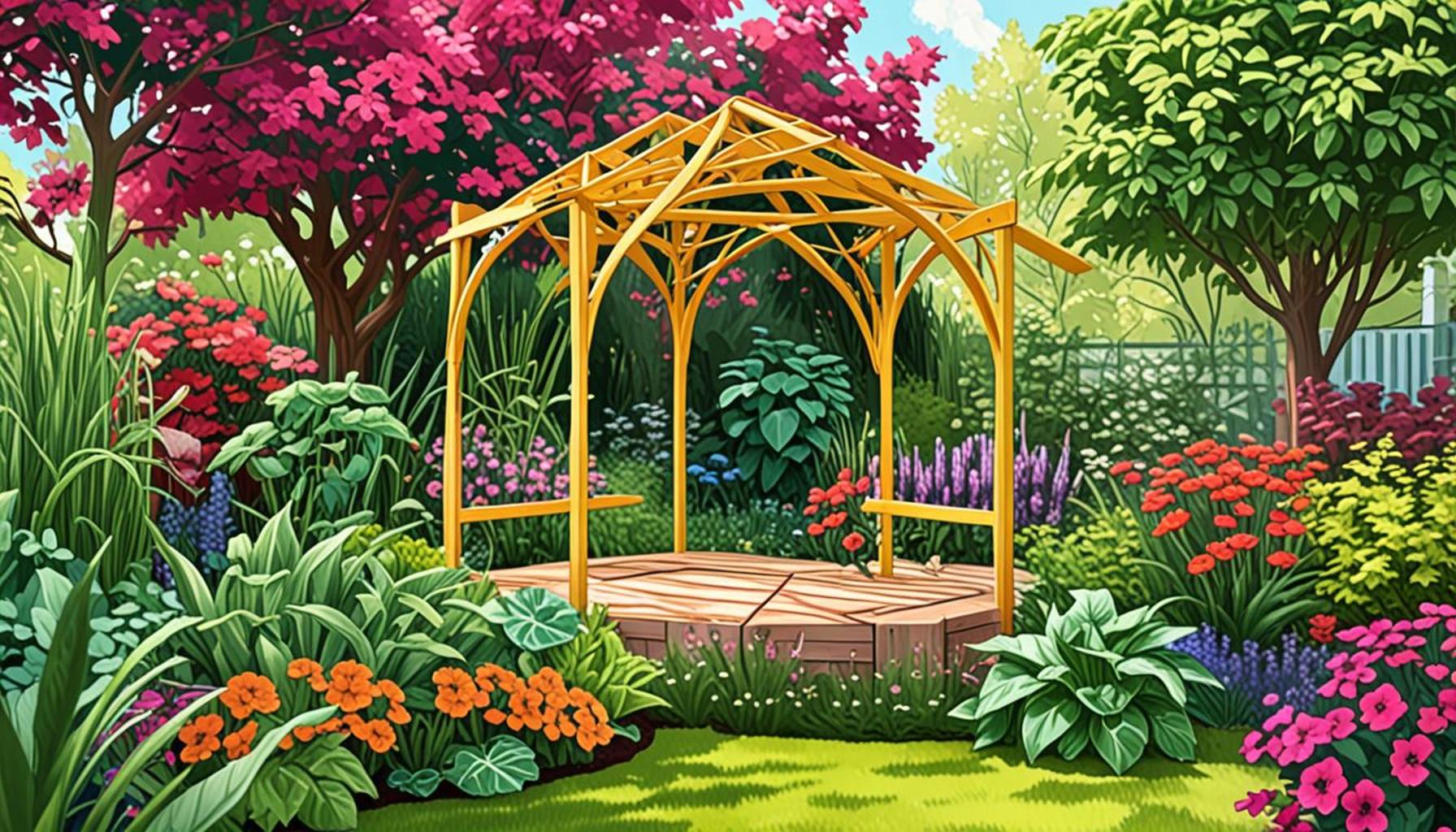
Creating a thriving garden is a labor of love, and one strategy that can significantly enhance this endeavor is the implementation of support structures for your plants. These structures play a vital role not only in providing stability for climbing and heavy plants but also in contributing to the overall aesthetic appeal of your outdoor space. In a world where gardening has become a popular pastime for many Americans, understanding how to effectively use support structures is more relevant than ever.
Key Features to Consider
When planning your DIY support structures, it is essential to focus on a few fundamental characteristics:
- Sturdiness: The choice of materials is critical as they must endure various weather conditions, including rain, wind, and sun exposure. For instance, using treated wood, metal, or durable composite materials greatly enhances the longevity of your structures. This ensures they remain functional and visually appealing throughout the growing season.
- Height Variety: Different plants have distinct needs. For example, tomatoes and pole beans thrive when encouraged to climb upwards, while sunflowers or other tall plants may require singular support. Adjustable heights can be achieved with retractable trellises and staking systems that can adapt as the plants grow.
- Customization: Every garden is unique, and so should be the structures that support it. Tailoring the size, shape, and style of your support systems allows you to create a space that reflects personal taste while serving practical purposes. Consider local inspirations, such as rustic farm-style designs that resonate with many American gardens.
Popular Support Structures
Several types of support structures are commonly utilized by avid gardeners:
- Trellises: These vertical garden elements are ideal for climbing plants like cucumbers, peas, and flowering vines. A well-placed trellis can provide not only structural support but also create an eye-catching focal point in your garden.
- Stakes: Often employed for single tall plants like sunflowers or dahlias, stakes deliver necessary height support that prevents plants from bending or breaking. Eco-friendly options, such as bamboo stakes, blend seamlessly into natural surroundings.
- Arbors: Creating a shaded pathway adorned with flowering vines enhances a garden’s beauty and offers a cool respite on hot summer days. Arbors can also serve as functional entryways to garden spaces, blending utility with elegance.
Constructing these support structures does not just improve your plants’ health but also enriches your gardening experience. With creativity and determination, these functional designs can become statement pieces that enhance your garden’s ambiance, inviting appreciation from visitors and neighbors alike. Whether you are an experienced horticulturist or simply nurturing a few pots on your balcony, support structures are a worthy investment in your gardening journey.
DISCOVER MORE: Click here to learn about the evolution of craft making
Materials and Tools for Crafting Effective Support Structures
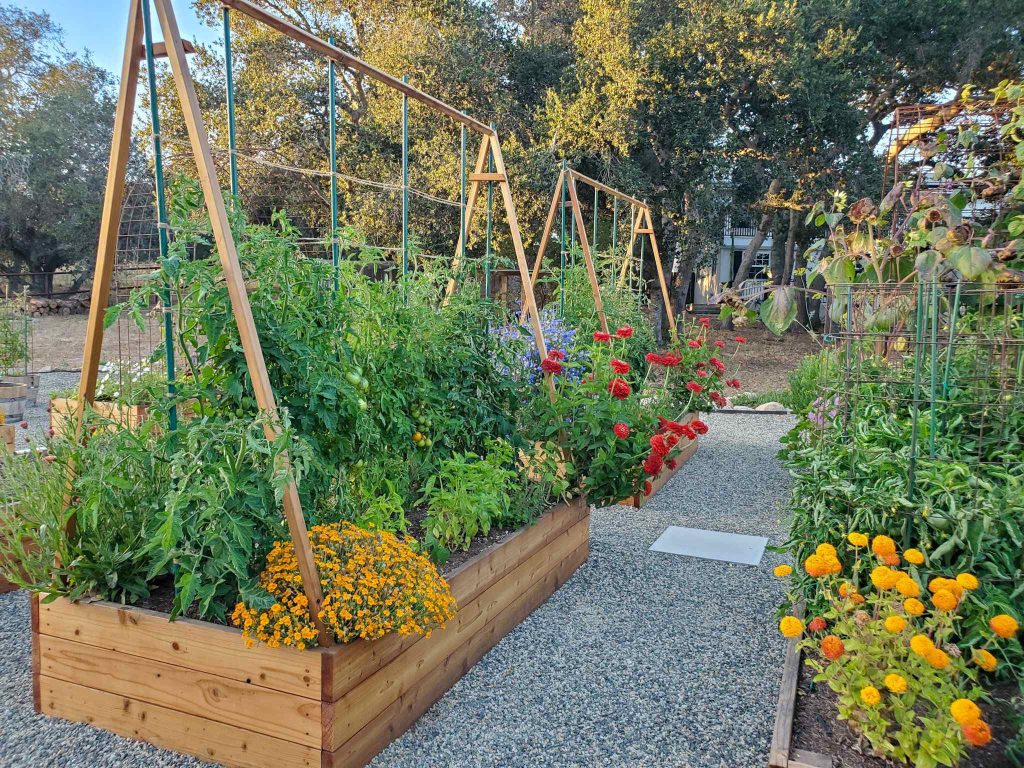
To embark on your DIY journey of building support structures for plants in your garden, the selection of appropriate materials is imperative. This not only guarantees the strength and durability of your supports but also ensures that they harmonize with the overall aesthetic of your garden. Here, we explore various materials and tools you might consider when crafting these essential garden features.
Choosing the Right Materials
Depending on the type of support structure you wish to create, there are several materials to choose from, each bringing its unique benefits:
- Wood: Treated lumber or cedar is a popular choice among gardeners for building trellises, arbors, and stakes. Wood combines sturdiness with a natural look that complements the garden environment. However, it is crucial to ensure that the wood is treated to resist decay and insect damage.
- Metal: Materials like galvanized steel or aluminum are excellent for those seeking longevity and strength. Metal supports can withstand the test of time and are ideal for trellises that need to bear the weight of heavy vines or fruit. Additionally, these structures often require less maintenance compared to their wooden counterparts.
- Bamboo: If you’re looking for an eco-friendly and lightweight option, bamboo offers versatility in design. Its natural beauty is perfect for a rustic aesthetic, and its strength makes it a solid choice for staking and simple trellis systems.
- Composite Materials: Modern advancements have led to the development of composite materials, which are made from recycled plastics and wood fibers. These materials are highly durable and resistant to warping, making them a smart choice for permanent garden structures.
Essential Tools for Assembly
Having the right tools at your disposal can make the assembly of support structures a breeze. Here are some essential tools you should consider:
- Power Drill: A power drill makes installing screws faster and easier, ensuring each connection is secure.
- Saw: Depending on your chosen material, a handsaw or power saw will allow you to cut pieces to the desired dimensions accurately.
- Level: To ensure that your structures are straight and stable, a level is crucial. An even support system will better withstand the elements and provide reliable stability for your plants.
- Measuring Tape: Accurate measurements are vital. A measuring tape will help you lay out your design effectively, reducing inaccuracies during construction.
By carefully selecting materials and tools, you can easily construct support structures tailored to your garden’s specific needs. The right supports not only contribute to healthy plant growth but also enhance the charm of your garden space. As you plan your DIY projects, consider experimenting with various designs to find the perfect fit for your plants and your personal style.
| Advantage | Details |
|---|---|
| Increased Plant Health | Support structures enhance air circulation and sunlight exposure, vital for photosynthesis. |
| Better Growth and Yield | By keeping plants upright, support structures can lead to a greater harvest by allowing fruits and flowers to grow more efficiently. |
Building support structures can dramatically change your gardening game. For instance, implementing DIY solutions like trellises or cages ensures that your climbing vegetables and flowering plants thrive. Not only do these structures provide support, but they also minimize the risk of disease, as plants that are well-spaced are less likely to retain moisture.Moreover, when you build support systems, you open up your garden space, creating a more appealing aesthetic while also optimizing the available area. This means you can grow more plants in less space, making your garden not just functional but visually attractive, too. From repurposed wood to metal frames, the materials you choose can vary greatly, allowing you to personalize your garden based on your style and needs.Overall, DIY support structures can transform your garden by improving plant health and increasing your overall yield. Understanding these benefits can motivate you to explore creative ways to support your plants effectively.
DISCOVER MORE: Click here to uncover the mental health benefits of gardening</p
Designing and Constructing Your Plant Support Structures
Once you’ve gathered your materials and tools, the next exciting step is to design and construct your plant support structures. Creativity and practicality go hand in hand in this phase, as you’ll be deciding not just how your supports will look, but also how well they will function to support your plants. Various designs can be tailored to cater to specific plant types, while also enhancing your garden’s visual appeal.
Understanding Plant Needs
Before diving into the construction process, it’s essential to understand the specific support needs of the plants you wish to cultivate. For instance, climbing plants such as sweet peas, cucumbers, and morning glories thrive when supported by trellises. On the other hand, smaller plants like tomato and pepper plants benefit immensely from cages or stakes. Take into account the expected height and spread of each plant to determine the necessary structure scale.
Designing Support Structures
Creating an effective support system doesn’t just involve functionality; aesthetics are also important. Here are a few popular designs to consider:
- Trellises: These are fantastic for climbing vines and can be designed in numerous styles—from simple A-frames to elaborate latticework. A well-placed trellis can serve as a focal point in bloom while encouraging vertical growth.
- Cages: Ideal for round plants, such as tomatoes, these structures allow for solid support while keeping the fruits off the ground, reducing the chance of rot and pest issues.
- Arbors and Archways: For a more ambitious project, building an arbor not only serves to support climbing plants but also creates striking entryways in garden pathways, inviting guests to explore.
- Espalier Systems: This method involves training plants to grow flat against a wall or fence. It’s an exquisite approach for fruit-bearing plants, allowing for greater air circulation and sunlight access while maximizing space.
Building Your Support Structures
Once you’ve settled on a design that complements both the needs of your plants and the style of your garden, it’s time to start building. Here’s a step-by-step guide:
- Measure and Plan: Using measuring tape, layout the dimensions of your support structure in the garden. Ensure you’re allowing enough space for the plants to grow without overcrowding.
- Cut Materials to Size: Using your saw, cut your materials to the required sizes according to the design you have chosen. Always remember safety first—wear protective eyewear and gloves as needed.
- Assemble the Structure: If you’re working with wood or metal, use your power drill to secure your pieces together. Ensure that all joints are reinforced for added stability.
- Secure the Structure: Depending on the size of the support, you may need to dig post holes or use anchors to stabilize the structure, especially in windy areas. Ensuring a firm foundation is critical for supporting tall plants.
- Finish with Aesthetics: Consider adding a coat of weatherproof sealant or paints that blend with your garden’s theme. A little decoration like climbing plants or flowers around the base can pull the design together.
As you embark on crafting your support structures, remember that each design iteration adds character to your garden while fulfilling a crucial role in plant growth. With each trellis constructed or cage assembled, you’re not only fortifying your plants but also infusing creativity and personal touch into your green sanctuary.
DIVE DEEPER: Click here to delve into the evolution of culinary techniques
Conclusion: Elevate Your Garden with DIY Support Structures
Building support structures for plants in your garden is not only a practical endeavor but also an enriching experience that allows creativity to flourish. By understanding the unique needs of your plants and selecting the appropriate designs—be it trellises, cages, or arbors—you enhance the structural integrity and visual appeal of your garden. These supports not only foster healthy growth, preventing premature fruit rot and enabling climbers to reach greater heights, but they also transform your outdoor space into a more inviting and organized environment.
As you dive into DIY projects, uncertain moments are inevitable. However, the satisfaction of crafting a support system tailored to your plant’s specific requirements and style brings unmatched joy. Not to mention, engaging in such projects can also provide a learning opportunity, sparking a deeper appreciation for botanical care and the gardening process. With proper planning, the right materials, and a bit of ingenuity, you can create stunning structures that complement both your garden’s aesthetic and your gardening ambitions.
So, gather your tools, unleash your creativity, and embark on this rewarding journey. Explore various designs, seek inspiration from nature, and don’t shy away from experimenting. The world of DIY plant supports is vast and exciting—so go ahead, and let your garden thrive in both health and beauty!
Related posts:
The Therapeutic Benefits of Gardening: How Cultivating Plants Can Enhance Mental Health
Night Gardening: Exploring Plants that Bloom and Shine at Night
Sustainable Gardening Techniques for an Eco-Friendly Green Space
Gardening for Sustainability: Ecological Practices for an Environmentally Friendly Garden
Gardening for Kids: Fun Activities to Engage Little Ones with Nature
Gardening Benefits Boosting Mental Health Well-being Naturally

Linda Carter is a writer and creative hobbies expert specializing in crafting, DIY projects, and artistic exploration. With extensive experience helping individuals discover their creative potential and bring their ideas to life, Linda shares her knowledge on our platform. Her goal is to empower readers with practical tips, inspiring ideas, and step-by-step strategies for success in the world of creative hobbies.