Community Gardening: Strengthening Bonds Through Collective Cultivation
Unveiling the Many Benefits of Community Gardening
Community gardening is more than just a trend; it has become a cornerstone for fostering resilience and connectivity within neighborhoods across the United States. As urbanization continues to encroach upon green spaces, these gardens emerge as vital hubs where residents gather to cultivate not only plants but also friendships and community spirit.
- Fosters Relationships: The heart of community gardening lies in its ability to bring people together. When neighbors join forces to plant, maintain, and harvest a garden, they often forge strong bonds. For instance, in a community garden in Los Angeles, participants have reported developing lifelong friendships as they meet weekly to tend to their crops. This collaborative effort creates a sense of belonging, transforming solitary activities into shared experiences.
- Enhances Food Security: In many urban areas, access to fresh and nutritious food can be a pressing issue. Community gardens serve as a crucial resource, providing fresh produce to families who may otherwise rely on processed foods due to limited access to grocery stores. For example, the Detroit Black Community Food Security Network operates numerous urban gardens that supply vegetables to low-income neighborhoods. These initiatives not only address hunger but also empower residents to take control of their food sources.
- Promotes Environmental Awareness: Engaging in community gardening allows participants to learn about sustainable practices, ecology, and the importance of biodiversity firsthand. When residents cultivate their own gardens, they gain insights into composting, permaculture, and the ecological impact of their choices. Educational programs, such as those offered by the American Community Gardening Association, equip individuals with knowledge on how to grow food responsibly and sustainably.
The increasing significance of green spaces cannot be overstated as cities expand and populations rise. Community gardens contribute not only to the beautification of neighborhoods but also serve as a sanctuary for pollinators and other wildlife. The lush greenery provides essential habitats that are often lost to urban development.
Furthermore, community gardening initiatives can spark local activism. They become platforms for advocacy on related issues such as food justice, environmental conservation, and urban planning. By getting involved, residents can voice their needs and work together toward common goals. This collaborative spirit enhances community resilience, enabling neighborhoods to collectively adapt to challenges such as climate change or economic downturns.
As you delve deeper into the world of community gardening, it becomes evident that its impacts stretch far and wide. These gardens beautify spaces, foster meaningful connections among residents, and instill a profound understanding of sustainability. Exploring local initiatives could inspire you to join a community garden, empowering not only yourself but also your neighbors to cultivate a greener, more connected future.
DIVE DEEPER: Click here to discover sustainable craft ideas
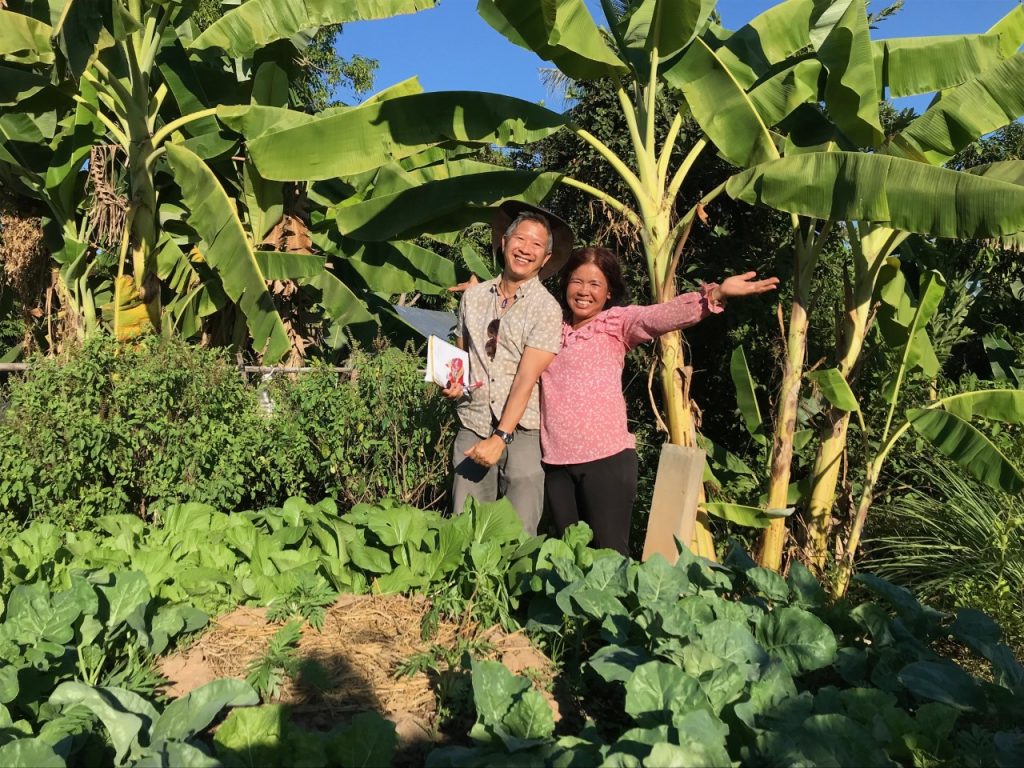
Building Connections Through Shared Experiences
At the core of community gardening is the profound realization that shared labor leads to shared lives. The act of tending to a garden can break down barriers that often exist in urban environments, where anonymity and isolation can stifle genuine interactions among neighbors. According to a study published in the Journal of Community Psychology, participants in community gardens report increased social ties, enhanced feelings of trust, and a greater sense of collective identity. These projects are unique in their ability to transform a patch of land into a vibrant meeting point, fostering collaboration that extends beyond the garden’s borders.
In cities such as New York and Chicago, community gardens often serve as microcosms of diversity, bringing together individuals from varying backgrounds, cultures, and age groups. For instance, the Garfield Park Community Garden in Chicago showcases how collective cultivation can celebrate cultural heritage while promoting the exchange of knowledge. Gardeners share recipes and cooking techniques that reflect their unique culinary traditions, thus enriching the community through food and fellowship.
Common Goals Foster Team Spirit
As individuals come together to plant seeds, weed, and harvest, they cultivate not only plants but also common goals. This teamwork fosters a spirit of solidarity, which can be observed in the various roles that participants often take on within these gardens:
- Garden Coordinators: These individuals create schedules, organize events, and ensure that everyone feels included in decision-making processes.
- Plant Specialists: Experienced members often step into mentorship roles, teaching novices about the complexities of different plants, including how to care for them and the best planting techniques.
- Harvesters: Once crops are ready, teams come together to harvest the fruits of their labor, often sharing the bounty with local food banks or hosting potluck dinners to enjoy their efforts.
This division of roles not only enhances the gardening experience but also contributes to a sense of accountability and pride. Individuals are more likely to show up and engage when they feel a responsibility towards the group and have a shared investment in the outcome. The camaraderie cultivated through this shared labor can lead to robust friendships and, in some instances, the formation of local advocacy groups focused on broader community issues.
Moreover, as residents witness firsthand the fruits of their labor, their connection to each other and their environment deepens. Meeting weekly or bi-weekly cultivates routine interactions that evolve from mere acknowledgment into deeper conversations, revealing stories, aspirations, and challenges. These authentic connections often extend into other areas of community life, spurring additional collaboration in neighborhood initiatives and events.
Community gardening has transcended its humble beginnings, evolving into a powerful tool for social cohesion and change. As these gardens blossom, they not only beautify urban landscapes but also weave stronger social fabric by intertwining the lives of those who partake in the collective cultivation journey.
Community gardening is not only about growing food; it serves as a vital platform for community engagement and strengthening social ties. By bringing diverse groups of people together, these gardens foster a sense of belonging and shared purpose that transcends individual differences. Participants engage in collective decision-making, which cultivates a spirit of cooperation and mutual respect among neighbors.Moreover, community gardening encourages sustainable practices and environmental stewardship. As individuals learn to grow their own food, they understand the importance of organic practices and biodiversity, which ultimately contribute to healthier ecosystems. Educational workshops can be organized to impart skills such as composting, pest management, and crop rotation, creating a knowledgeable community that prioritizes sustainability.Additionally, community gardens can be pivotal in addressing food insecurity. They provide fresh produce to neighborhoods that are often lacking access to healthful food options, promoting better nutrition and overall health. As members collaboratively maintain these gardens, they not only address immediate food needs but also empower themselves with the skills and resources to create lasting change in their community.As participants witness the fruits of their labor, they build camaraderie and friendships, making the garden a space of joy and celebration. Seasonal harvest festivals and communal meals are just a few examples of how gardens can serve as social hubs, bringing communities together in the spirit of collaboration and goodwill.In this way, community gardening interweaves personal growth with collective achievement, establishing networks that uplift and inspire. The bonds formed in these green spaces have the potential to extend far beyond the garden beds, engendering a sense of unity and responsibility among community members that is essential for nurturing vibrant neighborhoods.
DISCOVER: Click here to learn more about the therapeutic power of music
Environmental Stewardship Through Collective Gardening
Beyond the social benefits, community gardening plays a crucial role in fostering environmental awareness and stewardship. As individuals unite to cultivate green spaces, they cultivate a deeper understanding and appreciation for the natural world. Community gardens serve not only as a food source but also as a platform to educate participants about sustainable practices and biodiversity. With urban areas continuously expanding, the pressing need for green spaces has never been more significant. According to the American Community Gardening Association, over 18,000 community gardens exist in the United States, demonstrating a growing desire for greener, healthier environments.
Many community gardens implement practices such as organic gardening, composting, and permaculture principles, which emphasize sustainability and the health of ecosystems. Workshops held in these gardens teach participants about soil health, water conservation, and native plants, enabling them to become informed stewards of their environment. For instance, replanted native flora not only enhances garden beauty but also attracts local wildlife, enhancing biodiversity. Reports show that habitats created in urban gardens help support pollinator populations, essential for a thriving garden and ecosystem.
Food Security and Nutrition Awareness
An integral aspect of community gardening is its potential to combat food insecurity, particularly in urban neighborhoods dubbed food deserts. In these areas, access to fresh produce is limited, often forcing residents to rely on convenience stores with few healthy options. Community gardens address this issue head-on, providing fresh fruits and vegetables to local residents and creating opportunities for people to engage in their food systems.
- Food Education Programs: Many community gardens offer classes on cooking healthy meals, budgeting for nutrition, and even preserving harvests. These educational efforts empower community members with the skills they need to make healthier food choices.
- Emergency Food Supplies: Some gardens harvest surplus produce to donate to local food banks or soup kitchens, directly supporting those in need and addressing hunger in their communities.
This dual effect of improving nutrition while fostering a sense of empowerment is evident in several success stories across the country. The Brooklyn Grange rooftop farms in New York City stand out as a notable example, offering diverse educational programs while providing locally grown produce. Such initiatives can truly transform food justice by building self-sufficient communities.
Furthermore, community gardens inspire creativity by encouraging local artists to express their talents within these vibrant spaces. Murals, sculptures, and seasonal festivals contribute to an evolving landscape that reflects the community’s character. These artistic endeavors not only beautify the gardens but also strengthen relationships among neighbors, highlighting shared visions and aspirations.
As community gardening continues to grow, it emerges as a powerful agent for social change, ecological awareness, and health improvement. Through collective cultivation, neighborhoods are revitalized, and residents find renewed hope and purpose in their collaborative efforts, thereby deepening communal connections and fostering a sustainable future.
DISCOVER MORE: Click here to dive deeper
Conclusion: Cultivating Connection and Community
In an era where urbanization often disconnects individuals from their surroundings, community gardening emerges as a vital movement that not only nourishes the body but also cultivates the spirit of solidarity among neighbors. These shared spaces serve as a powerful reminder of the importance of collaboration, nurturing both the environment and personal relationships. From fostering environmental stewardship to tackling food insecurity, community gardens are transforming urban landscapes into vibrant patches of life and interaction.
As participants become more engaged in sustainable practices, they nurture a sense of responsibility toward the ecosystem, learning to respect local flora and fauna while actively contributing to biodiversity. The educational programs offered in these gardens play a pivotal role in empowering individuals with knowledge about healthy living, further enhancing the role of community gardens as tools for social change. This combination of environmental, nutritional, and educational benefits positions community gardening as a cornerstone of food justice initiatives nationwide.
The beauty of community gardening lies in its inclusivity—inviting individuals of all ages, backgrounds, and abilities to join in cultivation. It fosters creativity, encourages artistic expression, and strengthens neighborhood ties, transforming once underutilized spaces into thriving community hubs. As more residents gather to tend their gardens, they share not only the labor but also their stories, traditions, and aspirations, reinforcing a deep-seated sense of belonging.
Looking forward, community gardening stands out as a powerful method for reconnecting people with nature and each other. By continuing to support and expand these green initiatives, we pave the way for a future grounded in community engagement and ecological health. The seeds we plant today will flourish into a stronger, more resilient society for generations to come.
Related posts:
Night Gardening: Exploring Plants that Bloom and Shine at Night
The Therapeutic Benefits of Gardening: How Cultivating Plants Can Enhance Mental Health
Sensory Gardening: Creating Spaces that Stimulate the Senses with Plants and Textures
Seasonal Gardening: How to Plan and Maintain a Garden That Blooms All Year Round
Growing Food at Home: The Benefits of Sustainable Gardening
DIY: Building Support Structures for Plants in Your Garden

Linda Carter is a writer and creative hobbies expert specializing in crafting, DIY projects, and artistic exploration. With extensive experience helping individuals discover their creative potential and bring their ideas to life, Linda shares her knowledge on our platform. Her goal is to empower readers with practical tips, inspiring ideas, and step-by-step strategies for success in the world of creative hobbies.