The Art of Vertical Gardening: How to Transform Small Spaces into Vibrant Gardens
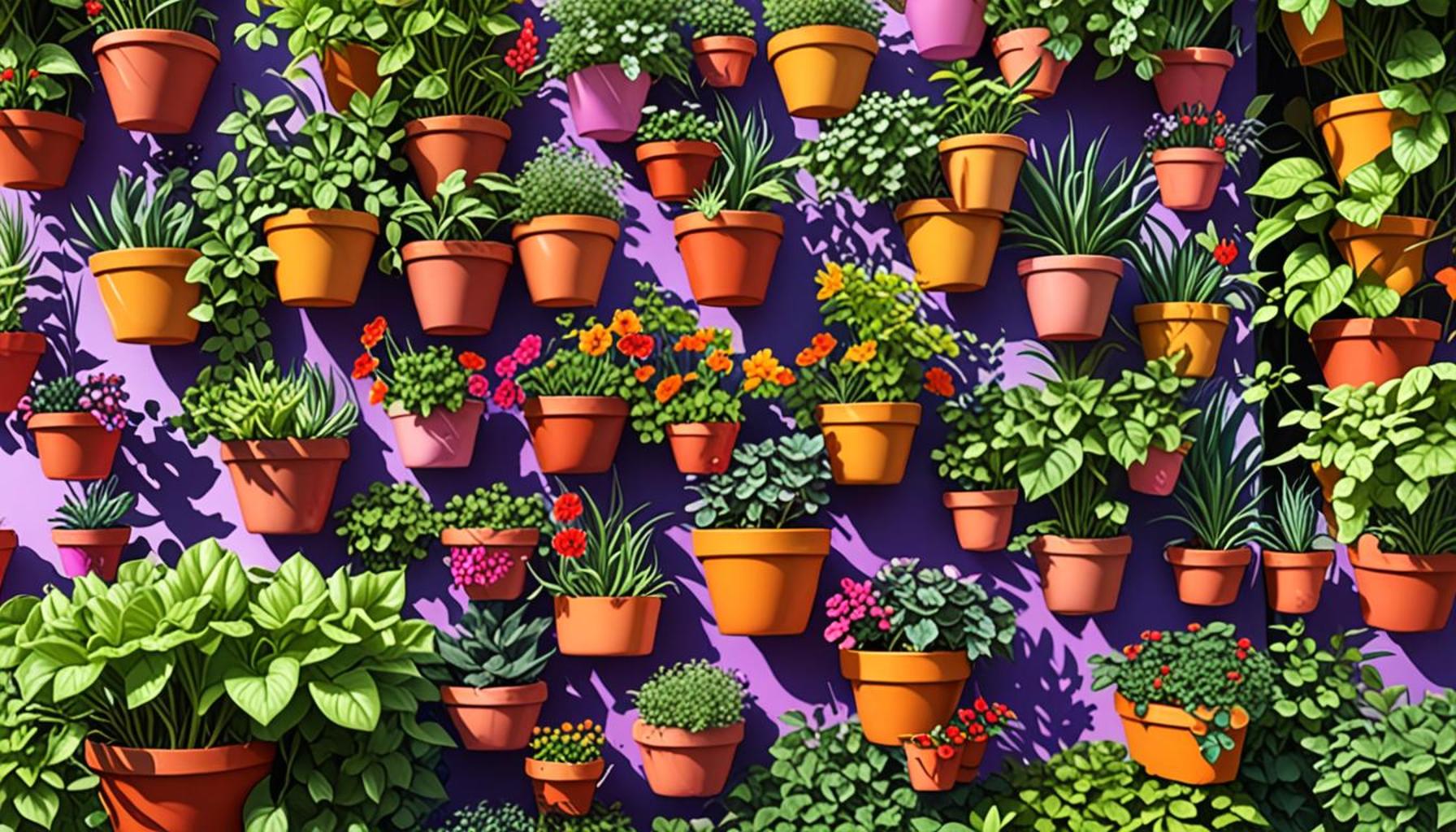
Transforming Your Space
Small spaces don’t have to mean sacrificing greenery. Vertical gardening is an innovative solution that allows you to create lush, vibrant gardens, even in compact urban environments. With the right techniques, anyone can turn a bare wall or balcony into a flourishing oasis. This approach to gardening has gained popularity not only for its aesthetic appeal but also for its practical benefits within densely populated areas.
Benefits of Vertical Gardening
- Maximizes Space: Vertical gardening utilizes walls, fences, and balconies to expand your gardening area significantly. According to the National Gardening Association, even a small vertical garden can yield a substantial amount of produce, making the most of limited real estate.
- Improves Air Quality: Plants absorb carbon dioxide and release oxygen, thereby enhancing your environment. A vertical garden can significantly improve the air quality in urban settings, where pollution levels are higher. Furthermore, certain plants like peace lilies and spider plants are great at filtering toxins, making them excellent choices for your indoor vertical gardens.
- Enhances Aesthetics: Beyond their environmental benefits, vertical gardens create stunning visual displays that add character to your home. Whether it’s a colorful array of herbs, vibrant flowers, or lush foliage, these gardens can serve as eye-catching focal points that elevate the overall design of any room or outdoor area.
Imagine transforming your dull apartment patio into a vibrant garden brimming with herbs and flowers. This landscaping trend not only optimizes space but also engages the senses, inviting nature right into your living area. For example, a vertical wall adorned with fragrant basil, rosemary, and mint can elevate your cooking experience while providing a beautiful sight. From DIY wall planters made from reclaimed wood to sleek, pre-designed systems available at garden centers, the options are both diverse and accessible.
What to Consider
- Plant Selection: Choose plants that thrive in vertical setups, such as succulents, ferns, or climbing vines. Many gardeners in urban areas find that herbs and vegetables, like cherry tomatoes or green peppers, also flourish in this setup, providing both beauty and utility.
- Light Requirements: Assess sunlight exposure in your chosen space to ensure your plants receive adequate nourishment. Locations that receive partial to full sunlight are ideal for many species; however, shade-tolerant plants can thrive in low-light setups as well.
- Irrigation System: Plan for efficient watering methods. Options range from sophisticated drip irrigation systems that reduce water waste to simple methods such as hand watering with a watering can. The key is to ensure that your vertical garden receives the right amount of moisture without becoming waterlogged.
Dive into the world of vertical gardening and discover how simple adjustments can lead to extraordinary transformations in your small space. With a bit of planning, you can create your very own oasis. Whether you are a novice gardener or a seasoned green thumb, the journey to cultivating a vertical garden is both rewarding and enriching. As you explore various setups and plant combinations, you may find that urban gardening opens up a whole new realm of creativity and connection to nature.
DIVE DEEPER: Click here to discover the emotional benefits of cooking
Getting Started with Vertical Gardening
For many urban dwellers, a lack of outdoor space can deter the enthusiasm for gardening. However, vertical gardening offers an ingenious pathway to create stunning gardens, even in the tightest of spaces. As you embark on this green journey, understanding the fundamentals can set you up for a successful and fulfilling gardening experience.
Choosing the Right Structure
Vertical gardens can be constructed in various ways, depending on your space requirements and available materials. To ensure your garden looks stylish while being functional, consider the following structures:
- Living Walls: These can be installed either indoors or outdoors. Made from modular panels filled with soil, they allow you to plant a variety of plants in a compact manner. Living walls bring a unique aesthetic while maximizing vertical space.
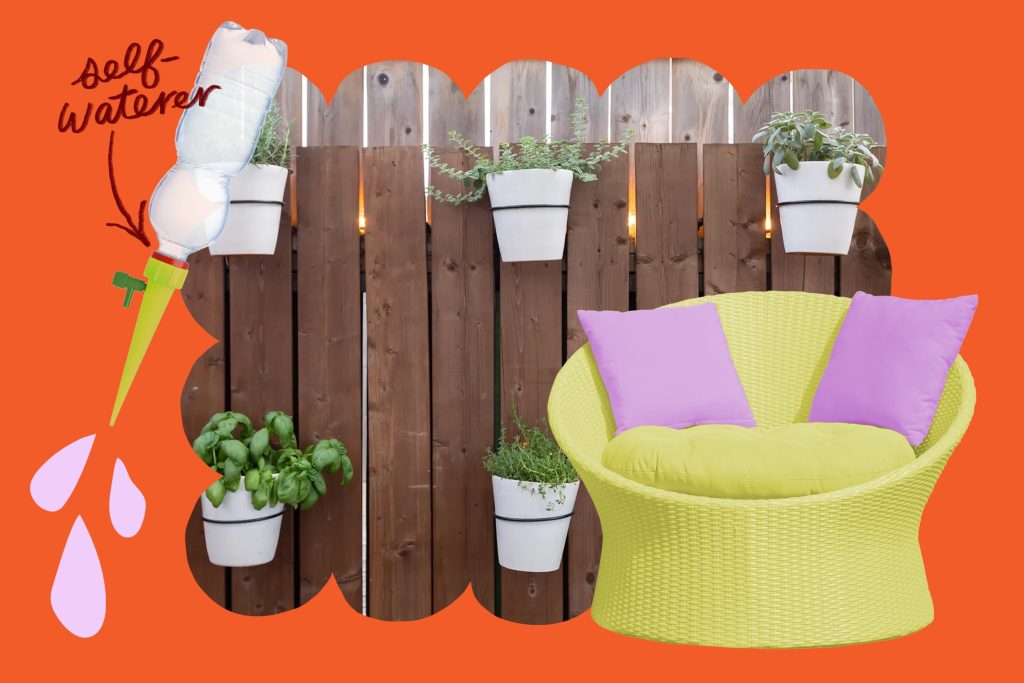
- Wall Planters: Often crafted from plastic or metal, wall planters can be attached to any vertical surface, turning empty walls into artfully arranged gardens. They are ideal for a selection of herbs, flowers, or trailing plants.
- Vertical Garden Kits: For beginners, pre-packaged kits provide an easy introduction to vertical gardening. These kits typically include planters, soil, and even seeds, making it simple to dive into gardening without extensive prior knowledge.
- Repurposed Materials: Don’t hesitate to utilize old pallets, crates, or even gutters as planting containers. These creative solutions not only save money but also contribute to a sustainable gardening approach.
Understanding Plant Compatibility
When selecting plants for your vertical garden, it’s crucial to understand their compatibility with the vertical environment. Some plants thrive better in confined spaces and exhibit strong upward growth, while others may struggle.
Consider incorporating a mix of the following plants:
- Herbs: Common choices like basil, thyme, and oregano grow well in vertical setups, providing both beauty and culinary benefits.
- Climbing Plants: Vining plants, such as sweet peas or cucumbers, are perfect for trellising systems, as they naturally seek vertical growth.
- Edible Flowers: Nasturtiums and pansies add a pop of color while also being edible, perfect for those looking to add a touch of whimsy to their dishes.
- Succulents: These low-maintenance plants thrive in moderate light and can add an interesting texture to vertical gardens.
Establishing a vertical garden is not merely about the plants but also understanding how to create an ecosystem that promotes healthy growth. Assess your sunlight, water, and overall environment—this is crucial in helping your plants flourish and your garden thrive.
With a blend of creativity and practicality, vertical gardening opens the door to a world where even the smallest spaces can burst with life and color. As you delve deeper into this art form, allow yourself to experiment and enjoy the process of cultivating your unique green sanctuary.
The Benefits of Vertical Gardening
Vertical gardening is not just an innovative way to beautify small spaces; it also brings numerous advantages that can transform your environment effectively. Let’s delve into some of the key benefits of adopting this thriving gardening method.
| Benefits | Key Features |
|---|---|
| Maximized Space Efficiency | Vertical gardening allows you to utilize every inch of your garden, making the most out of limited square footage. |
| Aesthetic Appeal | Creating a living wall adds stunning visual interest and serves as a natural artwork that uplifts your space. |
Vertical gardening also promotes biodiversity, as it allows for a variety of plants to thrive in close proximity. The unique layering facilitates better air circulation and sunlight exposure, enhancing plant health and productivity. Furthermore, this technique supports sustainable practices by enabling urban dwellers to engage in gardening regardless of space constraints.
Are you intrigued by how vertical gardening can revolutionize your small spaces? Stay tuned as we explore more innovative techniques and plant selections that can elevate your green oasis to new heights!
DISCOVER MORE: Click here to learn about sustainable gardening techniques
Essential Care for a Flourishing Vertical Garden
Once you have established your vertical garden, maintaining its health and vibrancy is essential. Regular care can mean the difference between a thriving garden and a dwindling collection of plants. Let’s explore some fundamental care routines to ensure your vertical garden remains a stunning focal point in your living space.
Watering Techniques
Watering is a critical aspect of vertical gardening, and understanding how to effectively hydrate your plants can yield excellent results. Unlike traditional gardens, vertical systems often require a unique approach due to gravity affecting water distribution.
- Drip Irrigation: Consider installing a drip irrigation system for optimal results. This method delivers water directly to the roots, preventing over-saturation and allowing uniform moisture distribution.
- Watering Schedule: Consistency is key. Create a regular watering schedule, checking the soil moisture to avoid waterlogging or drought. Many vertical gardeners find it beneficial to water in the early morning or late afternoon to reduce evaporation.
- Self-Watering Planters: If you’re looking for convenience, self-watering systems can be a perfect solution. These planters have reservoirs that gradually release water, keeping the soil moist while reducing manual intervention.
Fertilization Strategies
As vertical gardens can become nutrient-depleted more quickly due to limited soil volume, fertilizing your plants is essential to support healthy growth.
- Organic Fertilizers: Opt for organic options like compost tea or worm castings to provide a natural nutrient boost. These enrich the soil without the risk of chemical buildup.
- Slow-Release Fertilizers: Incorporate slow-release granules to gradually feed your plants over time, ensuring they receive nutrients consistently without constant reapplication.
- Foliar Feeding: Customarily overlooked, foliar feeding—applying liquid fertilizer directly to leaves—can quickly provide essential nutrients and minerals, especially in vegetative stages.
Pruning and Maintenance
Tending to your vertical garden isn’t just a matter of watering and fertilizing; pruning is vital for keeping plants healthy and aesthetically pleasing. Regular maintenance promotes air circulation and prevents pest infestations.
- Deadheading: Remove dead flowers to encourage new blooms and prevent energy depletion from wasted foliage.
- Controlling Growth: For climbing plants, routinely prune excess vines or foliage that may overlap with other plants. This practice encourages robust growth and allows each plant to flourish without competition.
- Pest Management: Keep an eye out for any signs of pests or diseases. Using natural pest repellents or introducing beneficial insects, such as ladybugs, can maintain a healthy ecosystem within your vertical garden.
Moreover, addressing any changes in environment—such as shifts in sunlight, humidity, or temperature—can prolong the life of your vertical garden. Be observant, flexible, and responsive to the needs of your plants; this attentiveness will not only ensure a vibrant spectacle but also provide deeper satisfaction in your gardening journey.
Vertical gardening, while requiring specialized care, offers immense rewards in terms of aesthetics, sustainability, and the joy of nurturing living plants in limited spaces. By investing time in maintenance and exploration into advanced gardening techniques, you can effectively transform your small area into a lush vertical paradise.
DIVE DEEPER: Click here to discover more about musical journeys
Conclusion: Embrace the Magic of Vertical Gardens
As we conclude our exploration of vertical gardening, it’s clear that this innovative approach to gardening opens up a world of possibilities, especially for those constrained by limited space. Not only does vertical gardening enhance the aesthetic appeal of our homes, it also promotes sustainability by encouraging the use of environmentally-friendly practices, such as organic fertilization and efficient water management techniques.
By adopting effective care routines—including consistent watering schedules, nutrient-rich fertilization, and diligent pruning—you can cultivate a vibrant vertical garden that thrives throughout the seasons. The benefits extend beyond mere beauty; vertical gardens provide fresh produce, act as natural air purifiers, and offer a unique opportunity to reconnect with nature, even in an urban setting.
As you embark on your vertical gardening journey, remain curious and open to experimentation. Every garden is a personal canvas—filled with your choice of plants, colors, and design elements. Consider reaching out to local gardening communities or online forums to exchange tips and inspiration, enhancing your knowledge and skills further.
In summary, the art of vertical gardening is not just about creating a lush green wall; it’s about fostering a deeper connection to the environment, promoting creativity, and embracing the joy of nurturing life, no matter the space constraints. So, gather your materials, unleash your creativity, and let your vertical garden flourish, transforming your small space into an oasis of color and vitality.
Related posts:
Urban Gardening: Innovative Techniques for Growing Food in Small Spaces
The Therapeutic Benefits of Gardening: How Cultivating Plants Can Enhance Mental Health
Gardening for Kids: Fun Activities to Engage Little Ones with Nature
Night Gardening: Exploring Plants that Bloom and Shine at Night
DIY: Building Support Structures for Plants in Your Garden
Growing Food at Home: The Benefits of Sustainable Gardening

Linda Carter is a writer and creative hobbies expert specializing in crafting, DIY projects, and artistic exploration. With extensive experience helping individuals discover their creative potential and bring their ideas to life, Linda shares her knowledge on our platform. Her goal is to empower readers with practical tips, inspiring ideas, and step-by-step strategies for success in the world of creative hobbies.