Therapeutic Gardening: How Planting and Caring for Plants Can Improve Mental Well-Being

Unlocking the Benefits of Gardening for Mental Health
In a fast-paced world, the quest for balance and tranquility is more crucial than ever. Therapeutic gardening has emerged as a powerful tool to enhance mental well-being, offering a refreshing escape from daily stresses. As individuals increasingly seek holistic methods to improve their mental health, gardening provides an accessible and nurturing solution that transcends traditional therapeutic practices.
Engaging with plants can yield a myriad of psychological benefits, including:
- Stress Relief: Numerous studies indicate that gardening activities can significantly reduce anxiety levels and promote relaxation. The act of digging in the soil, planting seeds, and nurturing growth can serve as a creative outlet, helping individuals release pent-up tension. The rhythmic nature of gardening—whether it’s watering, weeding, or pruning—can resemble meditation, allowing the mind to settle and focus.
- Boosted Mood: Engaging with nature has been shown to elevate mood and decrease symptoms of depression. For instance, a study conducted by the University of Reading found that spending as little as 30 minutes outdoors gardening increased participants’ happiness levels. Exposure to natural light and fresh air, combined with the satisfaction that comes from nurturing life, significantly impacts emotional well-being.
- Enhanced Focus: The hands-on approach required in gardening allows individuals to practice mindfulness, significantly improving concentration. Many gardeners find that being engaged in the task at hand helps clear mental clutter, fostering a greater ability to focus on daily tasks outside of gardening.
Moreover, therapeutic gardening encompasses a wide range of practices, including:
- Community Gardens: Community gardens play a pivotal role in fostering social connections and a sense of belonging. These shared spaces enable people from diverse backgrounds to come together and cultivate vegetables and flowers, promoting camaraderie while increasing access to fresh produce. In cities across the United States, such as New York and Chicago, community gardens have become hubs for cultivating not just plants but also relationships.
- Herb Gardening: Growing herbs can lead to culinary adventures, providing both sensory stimulation and a practical benefit. Culinary herbs like basil, mint, and rosemary are not only easy to grow, but they also encourage individuals to experiment with cooking, leading to healthier eating habits.
- Adaptive Gardening: Techniques tailored to individuals with physical limitations promote inclusivity and ensure that everyone can experience the joys of gardening. Raised beds, ergonomic tools, and adaptive seating allow those with mobility challenges to participate fully in gardening activities.
As we delve deeper into the practice of gardening, it becomes clear that the simple act of planting and caring for plants can transform not just physical spaces, but also emotional landscapes. Gardening cultivates resilience, offering individuals the opportunity to cope with life’s challenges and setbacks in a productive and fulfilling way. With ongoing research supporting the connection between gardening and improved mental health, it’s evident that this age-old practice continues to be a vital resource for personal well-being.
DISCOVER MORE: Click here to learn about sustainable cooking practices
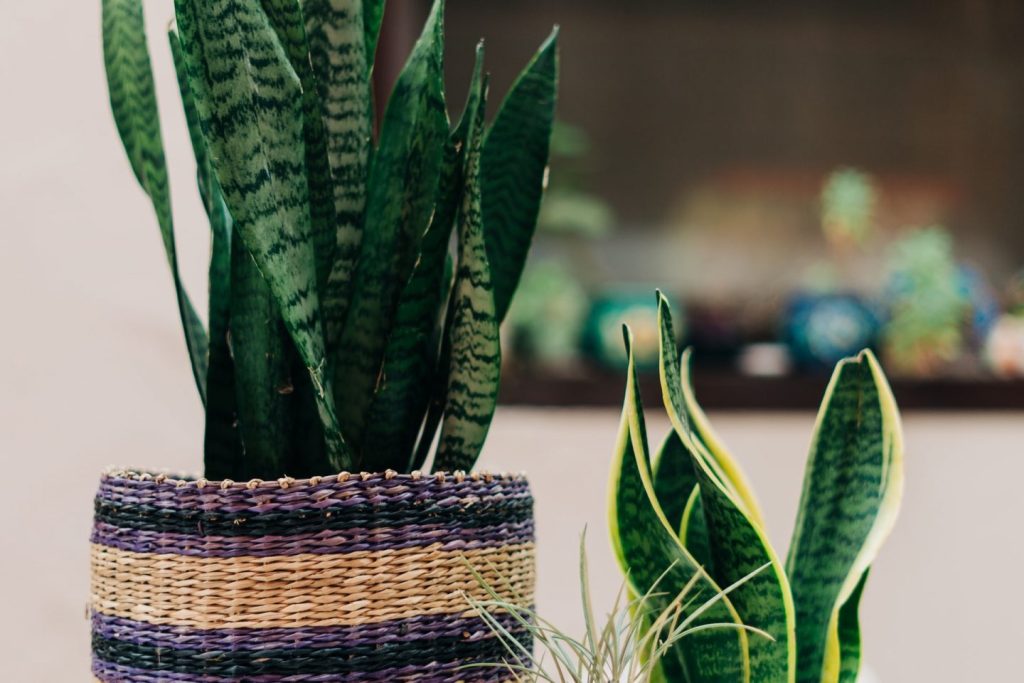
Exploring the Psychological Impact of Gardening
Therapeutic gardening is not merely a pastime; it is a holistic approach to improving mental health through the act of nurturing plants. Researchers have increasingly focused on the psychological benefits that stem from gardening, shedding light on how this activity facilitates emotional healing and growth. Gardening offers a sensory experience that engages individuals on multiple levels, leading to a profound sense of well-being.
The benefits of therapeutic gardening can be categorized into various dimensions of mental health, each contributing to a healthier state of mind:
- Physical Activity: Gardening requires a range of physical movements, from digging and planting to watering and pruning. This physical engagement releases endorphins, the body’s natural mood enhancers, which help alleviate feelings of stress and anxiety. Moreover, studies have shown that physical exercise, even in moderate forms such as gardening, is crucial for maintaining mental health.
- Connection to Nature: Being in nature has been linked to decreased levels of cortisol, the stress hormone. The simple act of being surrounded by greenery can elevate mood and enhance cognitive functions. It serves as a reminder of life’s cycles and helps individuals gain perspective on their own lives.
- Sensory Stimulation: The tactile experience of working with soil, the vibrant colors of flowers, and the diverse scents of plants can evoke positive emotional responses. Engaging multiple senses fosters a deep connection with the environment, encouraging a state of mindfulness. This sensory engagement is particularly beneficial for individuals seeking relief from chronic stress or anxiety.
In addition to these psychological benefits, therapeutic gardening encompasses varied techniques and practices that cater to diverse needs and preferences, allowing individuals to tailor their gardening experiences for maximum mental health benefit:
- Container Gardening: For those with limited space, container gardening offers an opportunity to cultivate plants while minimizing physical strain. This method is accessible and versatile, allowing individuals to create vibrant micro-gardens on balconies, patios, or windowsills.
- Garden Therapy Programs: Many organizations, including hospitals and rehabilitation centers, have begun implementing garden therapy programs designed specifically for mental health. These structured environments support individuals in using gardening as a therapeutic outlet to address anxiety, depression, and even trauma recovery.
- Elderly Gardening Initiatives: Senior centers frequently incorporate gardening activities into their programs, providing older adults with a productive means of exercising, socializing, and remembering past experiences. The familiarity of gardening can foster nostalgia and joy, enhancing overall mental well-being in this demographic.
As we delve deeper into the multifaceted world of therapeutic gardening, it becomes increasingly evident that the simple act of planting and caring for plants can yield significant emotional and psychological benefits. Cultivating resilience through gardening not only provides a coping mechanism but also enriches daily lives with purpose and connection to the environment. Embracing this practice can be a transformative journey toward improved mental well-being.
Benefits of Therapeutic Gardening
Therapeutic gardening is more than just planting seeds and watching them grow; it’s a profound practice that offers numerous mental health benefits. Engaging in such gardening activities allows individuals to connect with nature, which has been shown to alleviate symptoms of anxiety and depression. Through simple tasks such as watering, pruning, or nurturing plants, individuals can find a sense of purpose and accomplishment that nurtures their mental wellness.
Moreover, the act of gardening tends to promote mindfulness. It requires a level of focus and presence that can draw attention away from daily stressors and negative thoughts. Participants often experience a state of flow, where time seems to pause, leading to enhanced relaxation and inner peace. Evidence suggests that spending time in green spaces or even just observing nature can significantly reduce cortisol levels, enhancing overall emotional health.
Connection to Community
Additionally, therapeutic gardening can foster a sense of community. Community gardens and group gardening activities enable individuals to participate in a shared experience, which can combat feelings of loneliness and isolation. Such interactions often nurture social bonds, creating networks of support that amplify emotional resilience.
This communal approach not only cultivates friendship but also encourages the exchange of knowledge and resources, enriching the gardening experience. Ultimately, therapeutic gardening emerges as a catalyst for improved mental well-being, encouraging individuals to embrace nature’s healing potential while connecting with those around them. To further understand the depths of this practice, consider exploring the various types of plants that can be beneficial in therapeutic gardening settings.
| Category | Advantages |
|---|---|
| Mental Clarity | Gardening promotes focus and reduces anxiety. |
| Social Interaction | Encourages community bonding and shared experiences. |
DISCOVER MORE: Click here to dive deeper
Benefits Beyond the Garden Bed
The advantages of therapeutic gardening extend far beyond the immediate joy of planting and cultivating. The enriching experience fosters a sense of community and belonging, critical elements for mental wellness. Engaging in gardening activities not only enriches individual lives but also encourages social connections, serving as a bridge across generations and diverse backgrounds.
One of the most compelling aspects of therapeutic gardening is its potential to create social networks. Participating in community gardening initiatives allows individuals to connect with others who share similar interests. These communal spaces serve as platforms for socializing, sharing gardening tips, and practical advice on plant care. According to a study published in the Journal of Environmental Psychology, individuals who participate in community gardening report significantly higher levels of life satisfaction and improved social interactions. This sense of belonging can combat feelings of loneliness, especially prevalent among urban dwellers and seniors.
Sharing Knowledge: Community gardens often become educational hubs where participants can teach and learn. Workshops covering various topics, ranging from plant biology to organic gardening techniques, allow individuals to gain new skills while fostering self-esteem. The reciprocal nature of these exchanges enhances social bonds and contributes to a supportive environment that nurtures mental well-being.
Additionally, gardening can serve as a means for self-discovery and emotional expression. For those coping with mental health issues, the act of caring for plants can provide a healthy outlet for processing emotions. The rhythm of gardening—planting, watering, and observing growth—mirrors life’s challenges and triumphs. Research indicates that individuals who engage in creative activities related to gardening, such as designing garden layouts or creating decorative planters, experience a boost in self-esteem and empowerment.
Therapeutic Gardening for Diverse Populations
Therapeutic gardening is not just beneficial for adults; it has been adapted for various age groups and demographics, addressing a wide range of mental health concerns. For children, gardening can enhance their emotional development. Schools incorporating gardening programs reveal that children exposed to horticulture often show improved focus and reduced behavioral issues. Gardening serves as an interactive method for teaching children about responsibility, patience, and nurturing, all while providing them with a safe space to express their feelings.
Furthermore, therapeutic gardening has gained recognition within the healthcare community as an effective intervention for individuals recovering from substance abuse or trauma. Rehabilitation centers have started incorporating gardening into their programs, utilizing its therapeutic qualities to help individuals rebuild their lives. The focus on nurturing living plants can symbolize growth and recovery, empowering individuals to take charge of their healing process.
Research in therapeutic gardening is also expanding within the field of dementia care. Studies have shown that gardening activities can trigger memories, improve cognitive function, and enhance overall well-being in individuals with dementia. The familiar routines and sensory stimulation provided by gardening can lead to increased engagement and happiness in patients, making it a valuable tool in dementia therapy.
Clearly, therapeutic gardening offers a diverse array of benefits from social connections to personal empowerment and emotional healing. As more individuals and institutions embrace this practice, the potential for improving mental health and well-being through simple acts of planting and caring for plants becomes increasingly evident.
DIVE DEEPER: Click here to uncover the emotional benefits of cooking
Conclusion
In conclusion, therapeutic gardening emerges as a powerful avenue for enhancing mental wellness, transcending mere horticultural engagement. It unlocks a myriad of benefits that nourish the mind, body, and spirit through the simple yet profound act of planting and caring for plants. This practice not only fosters emotional healing but also cultivates essential social connections that are increasingly vital in a fast-paced world.
As evident from various studies, including those highlighting the role of community gardens, participating in these green spaces can significantly boost life satisfaction and promote healthier social interactions. The community aspect of gardening creates a nurturing environment where individuals can feel connected, supported, and empowered. From sharing knowledge in workshops to forming friendships, therapeutic gardening offers immense potential for personal growth and collective healing.
Moreover, its adaptability across diverse populations—be it children learning responsibility or adults in recovery—reinforces the idea that gardening is universally beneficial. Its integration into therapeutic settings, particularly in caring for individuals with dementia or mental health challenges, showcases its versatility as a recognized intervention.
Ultimately, the act of tending to plants is not just about cultivating flora; it’s about cultivating hope, resilience, and emotional well-being. As we embrace this holistic approach, we may uncover new dimensions of mental health care rooted in nature, leading to a fulfilling and balanced life. With these insights, the call to action is clear: explore therapeutic gardening as it holds the potential to transform not only our gardens but also our lives.
Related posts:
The Influence of Plants in Interior Decoration: Creating Cozy Environments with Green
Sensory Gardening: Creating Spaces that Stimulate the Senses with Plants and Textures
Gardening for Kids: Fun Activities to Engage Little Ones with Nature
The Therapeutic Benefits of Gardening: How Cultivating Plants Can Enhance Mental Health
Night Gardening: Exploring Plants that Bloom and Shine at Night
Sustainable Gardening Techniques for an Eco-Friendly Green Space

Linda Carter is a writer and creative hobbies expert specializing in crafting, DIY projects, and artistic exploration. With extensive experience helping individuals discover their creative potential and bring their ideas to life, Linda shares her knowledge on our platform. Her goal is to empower readers with practical tips, inspiring ideas, and step-by-step strategies for success in the world of creative hobbies.