Gardening Exotic Fruits and Vegetables: Cultivating Unique Flavors at Home
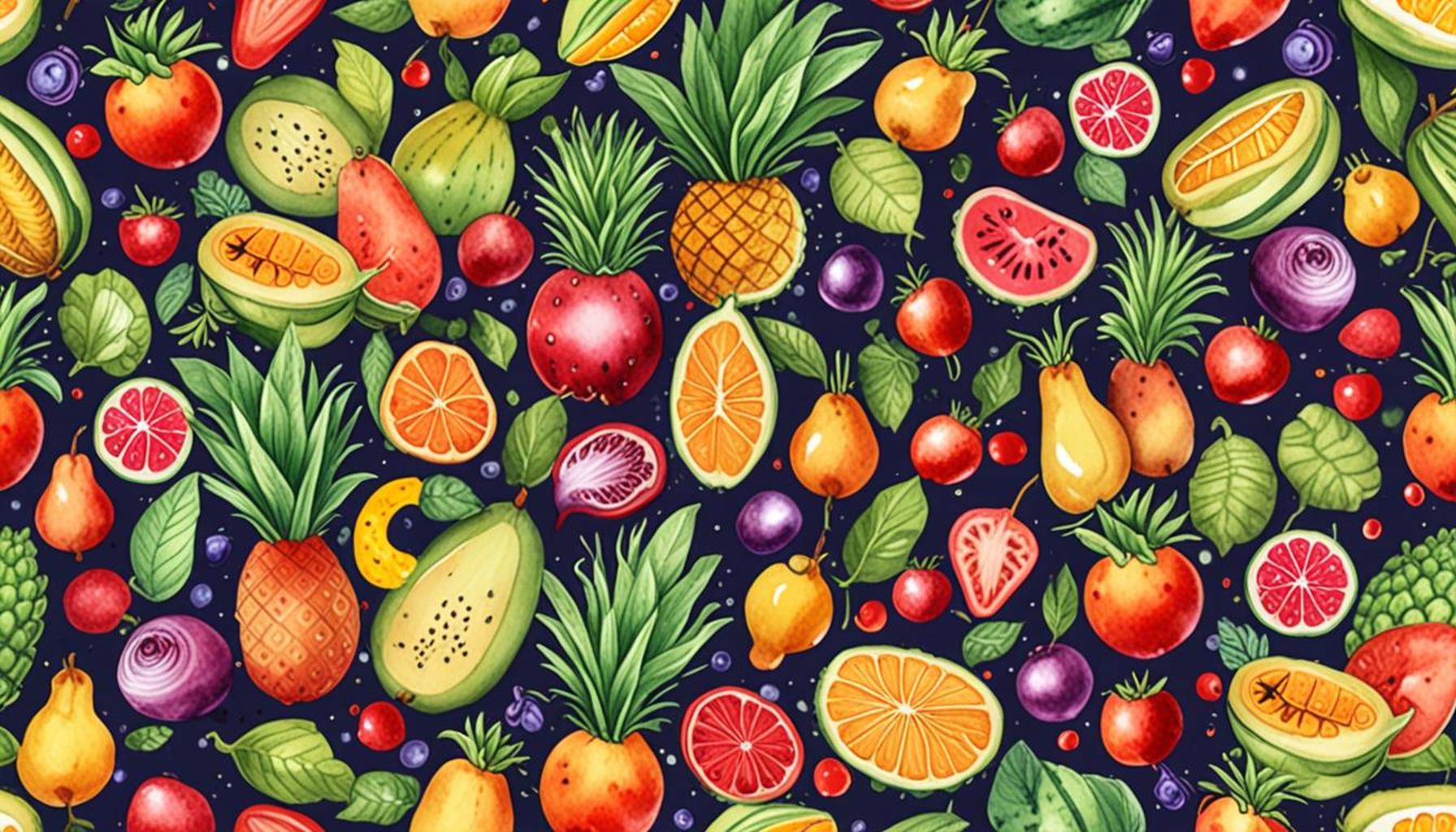
Unlocking a World of Flavor in Your Backyard
Imagine stepping into your own garden and discovering an array of exotic fruits and vegetables. From vibrant dragon fruit to tangy barbadine, growing unique produce can transform your culinary experiences and enhance your palate. With a little creativity and determination, you can bring these delights home.
Why Grow Exotic Plants?
Growing exotic plants in your backyard offers numerous benefits, making it an enticing venture for both novice and experienced gardeners alike:
- Unique Flavors: Elevate your dishes with ingredients that are rarely found in stores. Take for example rambutan, a tropical fruit with a sweet and juicy flavor that adds a unique twist to fruit salads or desserts. Similarly, Hmong red corn is an heirloom variety that boasts a nutty taste and vibrant color, making it a striking addition to soups and salsas.
- Health Benefits: Many exotic fruits and vegetables are packed with nutrients and antioxidants. For instance, moringa leaves are known as a superfood, rich in vitamins A, C, and calcium, while producing goji berries can boost your intake of antioxidants—helping to protect your body from oxidative stress.
- Environmental Impact: Cultivating these plants can promote biodiversity and sustain local ecosystems. By growing plants that are native to different regions, you contribute to conservation efforts, helping to maintain the balance of local flora and fauna.
The journey of gardening doesn’t have to be limited to traditional choices. With the right conditions, exotic gardening can thrive even in diverse US climates, from the warm southern regions to the cooler northern states, expanding your gardening horizons.
Getting Started
As you delve into the world of cultivating unique flavors, consider these steps to pave the way for a successful gardening experience:
- Research suitable exotic varieties for your specific climate. Resources such as the USDA Plant Hardiness Zone Map can help you determine which plants will flourish in your area. For instance, ackee may thrive in Florida, while kiwano can flourish in warmer regions.
- Learn about their growth requirements including sunlight, water, and soil. Different plants have varying needs; for example, longan prefers moist soil and lots of sunlight, whereas finger limes thrive in well-drained, slightly acidic environments.
- Experiment with different gardening techniques such as container gardening or raised beds. Container gardening is an excellent option for smaller spaces and allows for flexibility in location and sunlight exposure. Raised beds can provide better soil quality and drainage for your exotic plants.
By nurturing these remarkable plants, you can not only enjoy their exceptional tastes but also become part of a growing community of home gardeners exploring the beauty of diversity in their dishes. From sharing recipes to swapping seeds, engaging with fellow enthusiasts can enrich your gardening journey. Embarking on this flavorful adventure not only benefits your culinary repertoire but also promotes a deeper connection to the food you grow and consume.
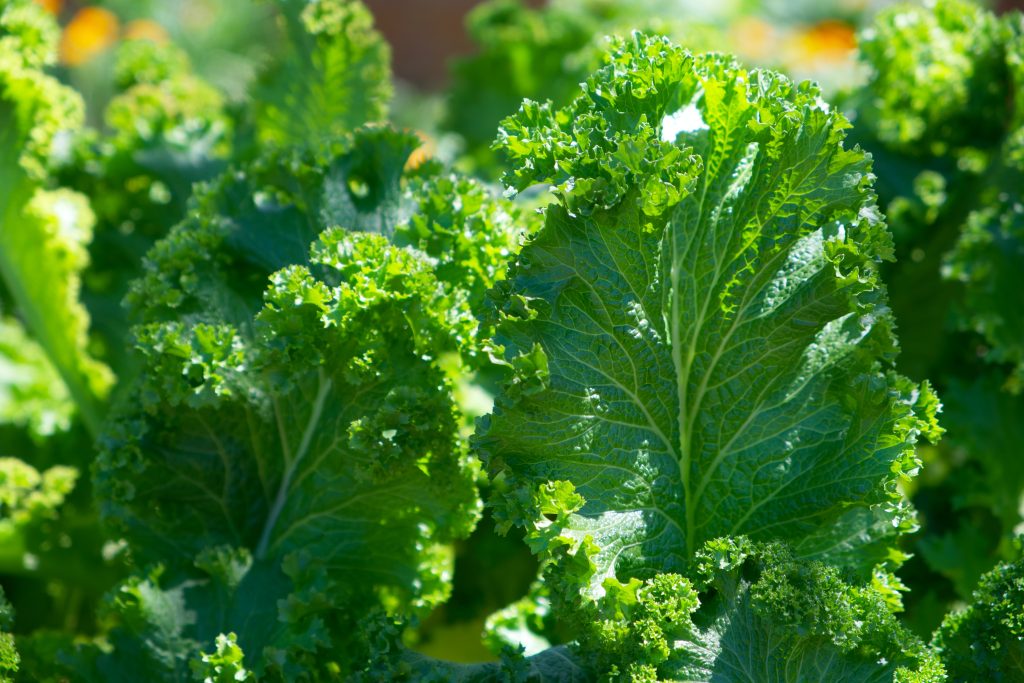
DIVE DEEPER: Click here to discover how music can change your life
Diving Deeper into the World of Exotic Gardening
As you embark on the journey of gardening exotic fruits and vegetables, understanding the unique requirements and characteristics of these plants can set the foundation for a fruitful harvest. Discovering the options available and their specific needs is essential to thrive in this fascinating endeavor.
Choosing Exotic Varieties Wisely
To ensure a successful gardening experience, it’s crucial to select exotic varieties that are suited to your local environment. Here’s a selection of a few stunning fruits and vegetables you may want to consider:
- Cherry Tomatoes from the Galápagos: These small, sweet fruits are perfect for gardens in USDA Zones 10-11, where they can receive plenty of sunlight.
- Chinese Long Beans: This versatile vegetable not only grows fast but thrives in warm climates, making them ideal for southern gardeners.
- Asian Pear: With its unique crisp texture, this fruit can become a standout in salads or desserts. However, it prefers well-drained soil and moderate watering, flouring in Zones 5-9.
- Durian: Known as the “king of fruits,” growing durian may require warmer environments like Florida or southern California, with extensive care to mimic its natural tropical habitat.
- Finger Limes: These small citrus fruits, often referred to as “citrus caviar,” thrive in warm climates and can enhance many dishes with their zesty flavor.
Identifying the right varieties is just the starting point. Pay close attention to their unique growing practices and needs. For example, while dragon fruit requires a trellis for support, yuzu might thrive with just a bit of shade from the unforgiving heat.
Creating the Perfect Environment
Successful cultivation of exotic fruits and vegetables revolves around replicating their native habitats. Here are some key factors to consider while planning your garden:
- Light: Most exotic plants require full sun to flourish; ideally, they should receive around six to eight hours of direct sunlight each day. Understanding their light needs is crucial to prevent stunted growth or disease.
- Water: Watering practices can vary significantly among exotic crops. While passion fruit requires consistent moisture, others like kohlrabi might thrive with less frequent watering.
- Soil Quality: Investing in rich, organic soil can enhance the growth of nutrient-rich exotic plants. Testing pH levels and amending soil with organic matter can create a suitable environment for your new botanical ventures.
As you prepare your garden space, getting to know each plant’s needs will increase your odds of a successful and satisfying yield. The thrill of nurturing these exotic varieties can lead to delightful culinary adventures, not just for you but also for friends and family who share in the harvest. Moreover, by cultivating exotic fruits and vegetables, you are contributing to a richer, more diverse food culture, one unique flavor at a time.
Exploring Unique Varieties
Gardening exotic fruits and vegetables can be an exhilarating experience, inviting you on a sensory journey filled with unique flavors and delightful textures. One key advantage of this endeavor is the sheer variety of produce you can cultivate. Imagine growing dragon fruits with their vibrant magenta skin, or the delightful kiwano with its spiky exterior and refreshing taste. Not only do these plants provide food, but they also serve as a stunning visual centerpiece in any garden.Additionally, cultivating exotic produce can enhance biodiversity. By planting non-native species, you enrich the ecosystem and promote a broader range of pollinators and beneficial insects. This approach fosters a thriving environment, which consequently leads to healthier, more robust plants. Each unique plant has specific requirements, allowing gardeners to engage in a rich learning process as they tailor their care techniques to suit each species.Moreover, many exotic varieties boast impressive nutritional benefits. For instance, moringa, often dubbed the “miracle tree,” is packed with vitamins A, C, and E, providing powerful health benefits that can improve your overall well-being. By integrating these superfoods into your diet, you not only savor exotic flavors but also invest in your health.Lastly, growing exotic fruits and vegetables can provide a strong sense of accomplishment and connection to your food. Watching your plants mature, blossom, and ultimately yield colorful, unique fruits is a deeply rewarding experience. As you share these rare finds with friends and family, you invite them into your gardening journey, enriching your community’s culinary landscape. This unique gardening experience opens doors to flavors that are often difficult to find in commercial markets, making it a worthwhile venture for both the palate and the planet.
DISCOVER MORE: Click here to dive deeper
Techniques for Cultivating Exotic Delights
Once you’ve chosen the exotic fruits and vegetables that excite your taste buds and planned your garden layout, the next step is to employ effective cultivation techniques to maximize growth and flavor. Promoting healthy plants requires a detailed understanding of effective gardening strategies specific to these unique varieties.
Vertical Gardening for Space Optimization
For those with limited space, vertical gardening offers a practical solution. Many exotic plants, such as climbing vegetables like yard-long beans and pole beans, can be trained to grow vertically using trellises or grids. This approach not only saves space but also increases air circulation and sunlight exposure, promoting healthier growth. Additionally, growing plants like kiwi or passion fruit upwards can create a living wall that adds beauty to your garden.
Companion Planting for Healthier Ecosystems
Another innovative gardening method is companion planting, where compatible plant species are grown together to enhance their growth while naturally repelling pests. For instance, pairing lemongrass with chili peppers can keep pests away while encouraging both plants to thrive. This technique not only fosters a mini-ecosystem but also maximizes the use of garden space and enhances flavor through diverse cultivation.
- Pest Management: Introduce beneficial insects such as ladybugs and lacewings to manage pests organically, maintaining the health of your garden without harmful chemicals.
- Mulching: Applying a layer of organic mulch can help retain moisture, suppress weeds, and add nutrients as it breaks down.
Optimizing Nutrients through Fertilizers
Nutrient management is a critical aspect of cultivating exotic fruits and vegetables. Unlike traditional garden varieties, exotic plants may have specific nutritional needs to achieve optimal growth. Utilizing organic fertilizers like compost, worm castings, or fish emulsion can enhance soil fertility and yield. Additionally, consider foliar feeding, where you apply nutrient solutions directly to the leaves, allowing for rapid absorption and vigorous growth.
Regular soil testing can guide you in making any amendments necessary to optimize growth for plants like Mexican sour cucumber or dragon fruit, ensuring you meet their unique nutritional profile.
Seasonal Care and Protection
Understanding the seasonal cycles for your chosen exotic varieties is vital. Many tropical fruits may need protection during cooler months, especially in non-tropical regions. Consider using frost blankets or row covers to shield sensitive plants from cold damage. Additionally, during peak summer, ensure adequate water supply as exotic plants often require more hydration to produce their characteristic flavors.
- Pruning: Regular pruning encourages healthy growth and air circulation. Remove dead or yellowing leaves, and be sure to trim back vigorous vines to prevent overcrowding.
- Harvesting: Timing your harvest is crucial; harvesting fruits and vegetables at their peak flavor adds to the uniqueness of your culinary creations.
By incorporating these techniques into your gardening practices, you will be well on your way to cultivating a diverse selection of exotic fruits and vegetables that not only enrich your meals but also contribute to a unique garden experience. Exploring and mastering these methods can open up new avenues to sustainability and flavor diversity in your home gardening venture.
DISCOVER MORE: Click here to delve into the transformative power of music
Conclusion
In summary, gardening exotic fruits and vegetables at home is not only a rewarding endeavor but also a fascinating journey into the diverse world of flavors and textures that these unique crops offer. By employing effective cultivation techniques, such as vertical gardening and companion planting, you can maximize space and create a sustainable mini-ecosystem. With an understanding of each plant’s individual needs for nutrients, water, and seasonal care, your garden can flourish even in less-than-ideal conditions.
The beauty of growing unusual plants like dragon fruit or yucca goes beyond aesthetics; it invites exploration and experimentation in your culinary endeavors. As you cultivate these exotic delights, you’ll discover a treasure trove of flavors that enhance your meals and invigorate your palate. Not only can these flavors elevate your cooking, but they also provide an opportunity for healthier eating and environmental sustainability.
For those looking to further deepen their gardening expertise, consider connecting with local gardening communities or online forums dedicated to exotic plants. Engaging with fellow enthusiasts can provide invaluable tips and support, leading to even more successful gardening ventures. Ultimately, whether your interest lies in global cuisines or simply enjoying a flowering garden, venturing into the realm of exotic fruits and vegetables is bound to enrich your home and lifestyle.
Related posts:
Sustainable Gardening Techniques for an Eco-Friendly Green Space
Gardening for Kids: Fun Activities to Engage Little Ones with Nature
Sensory Gardening: Creating Spaces that Stimulate the Senses with Plants and Textures
Urban Gardening: Innovative Techniques for Growing Food in Small Spaces
Gardening Benefits Boosting Mental Health Well-being Naturally
Hydroponic Gardening: Growing Plants Without Soil in Urban Environments

Linda Carter is a writer and creative hobbies expert specializing in crafting, DIY projects, and artistic exploration. With extensive experience helping individuals discover their creative potential and bring their ideas to life, Linda shares her knowledge on our platform. Her goal is to empower readers with practical tips, inspiring ideas, and step-by-step strategies for success in the world of creative hobbies.