Gardening in Small Spaces: Tips for Growing a Garden on Balconies and Patios
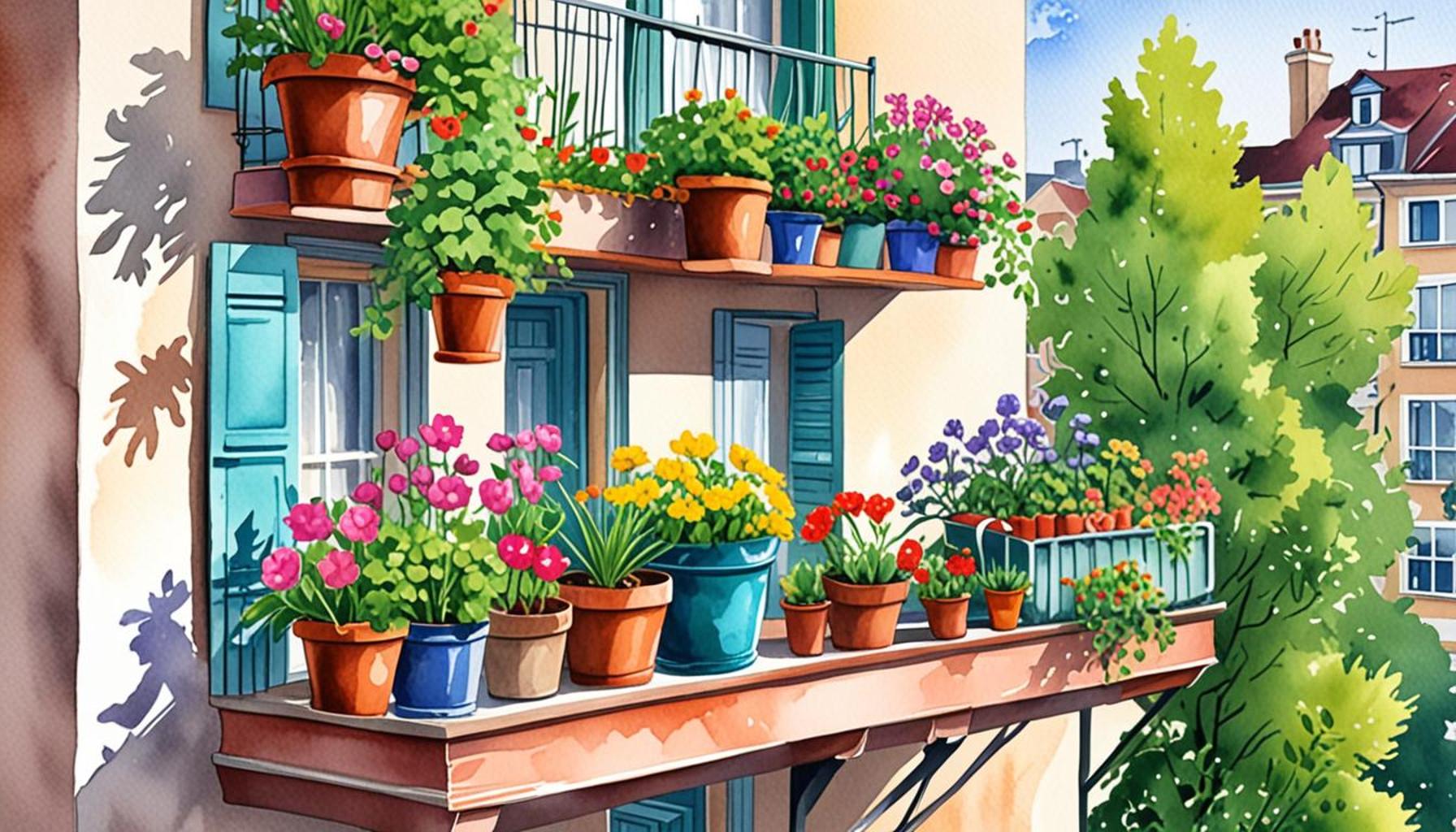
Discover the Joy of Small Space Gardening
Creating a garden in a limited area can be an incredibly fulfilling endeavor. With the right techniques and a touch of creativity, even the smallest balconies and patios can blossom into vibrant, lush spaces. Garden enthusiasts, whether they reside in bustling apartments or quaint houses with tiny yards, can transform their compact outdoor settings into thriving green retreats.
Why Small Space Gardening?
- Accessibility: Gardening so close to your home means that you can easily tend to your plants, ensuring they receive the attention they need. Imagine stepping onto your balcony to snip fresh basil for a pasta dish or to water your favorite flowers with just a few steps.
- Fresh Produce: One of the most gratifying aspects of small space gardening is the ability to grow your own herbs and vegetables. This not only offers the satisfaction of eating homegrown produce but also brings a taste of freshness right to your doorstep. Picture yourself enjoying a delicious tomato salad made from cherry tomatoes that you nurtured from seed.
- Enhanced Aesthetics: A well-planned garden can dramatically improve the aesthetics of your outdoor area. Planting colorful flowers, aromatic herbs, or even decorative foliage can create tranquil spots for relaxing or entertaining, making your space feel more inviting and alive.
Small space gardening isn’t just about planting in confined areas; it’s all about maximizing every square foot effectively. Utilizing various methods such as vertical gardening, where plants grow vertically on frames or walls, allows you to create lush greenery without sacrificing floor space. Container gardening is another great option, giving you the flexibility to arrange plants anywhere you like. Hydroponics, a soilless growing technique, provides an innovative way to cultivate herbs and vegetables, all while reducing the amount of space required for traditional gardening.
When it comes to choosing what to plant, the possibilities are endless. Consider these excellent options:
- Herbs: Basil, mint, and parsley not only thrive in pots but can also be used in daily cooking, enriching your meals with fresh flavors.
- Vegetables: Cherry tomatoes and peppers are ideal for smaller spaces. They grow well in containers or hanging baskets and produce a bountiful harvest despite their compact size.
- Flowers: Brightly colored petunias and cheerful marigolds can add vibrant color to your outdoor space, attracting pollinators and enhancing the overall experience of your garden.
As you embark on your gardening journey, keep in mind that every inch counts! With a little planning and creativity, the limited space you have can be transformed into a lush sanctuary that reflects your style and passion for gardening. Small space gardening encourages not only a connection with nature but also cultivates a rewarding hobby that can bring years of joy and satisfaction.
DIVE DEEPER: Click here to discover the evolution of culinary techniques
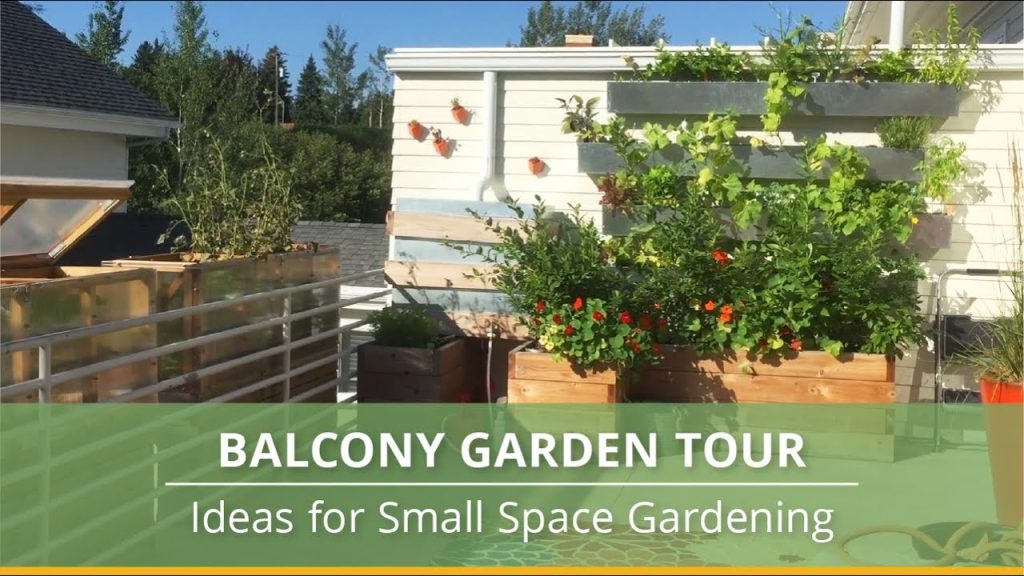
Essential Tips for Maximizing Your Small Space Garden
If you’re ready to dive into the world of small space gardening, it’s essential to approach the endeavor with a strategic mindset. Utilizing available resources effectively and understanding the unique challenges that come with gardening in confined areas can dramatically affect your success. Here are some key tips to help you cultivate a flourishing garden on your balcony or patio.
1. Choose the Right Containers
Container gardening is the cornerstone of successful small space gardening. Selecting the right containers can make all the difference. A mixture of sizes allows for versatility in planting and can accommodate different types of plants. Opt for containers that:
- Provide Drainage: Ensure you choose pots with drainage holes to prevent overwatering and root rot, a common issue for plants in confined spaces.
- Reflect your Style: Fun, colorful pots can enhance the visual appeal of your outdoor space, while something more minimalist might suit a contemporary aesthetic.
- Are Lightweight: Consider using materials like plastic or fiberglass for easy transportation, especially if your balcony is high up and requires moving pots regularly for sun exposure.
2. Embrace Vertical Gardening
When space is at a premium, vertical gardening allows you to expand your gardening area upwards rather than outwards. This approach can make your garden more dynamic and provides an eye-catching focal point in your outdoor space. Techniques for vertical gardening include:
- Wall Planters: These can be made from various materials, such as wood or repurposed items. Hanging planters filled with herbs or flowering plants can offer both beauty and functionality.
- Vertical Racks: Utilize tiers of shelves or racks to create levels for potted plants, allowing sun exposure and making care easier.
- Climbing Plants: Investing in trellises for climbing vines or dwarf beans enhances vertical space while creating a dense, green backdrop.
3. Optimize Sunlight Exposure
Understanding sunlight exposure is crucial for any gardening venture, particularly in small spaces where the arrangement of pots can easily block light. Analyze your patio or balcony to determine:
- Sunlit Hours: Note the number of hours of direct sunlight different areas receive throughout the day. Most vegetables and herbs thrive with at least six hours of sunlight.
- Shady Zones: In places that receive less light, choose shade-tolerant plants such as ferns, hostas, or certain herbs like mint, which can still thrive under less-than-ideal conditions.
By combining these techniques, you will not only make the most out of your gardening experience but also create a unique, beautiful retreat right outside your door. Start small and let your interests guide your journey as you transform your tiny balcony or patio into a vibrant garden oasis!
| Advantages | Details |
|---|---|
| Space Optimization | Utilizing vertical gardening and container strategies maximizes limited space. |
| Enhanced Aesthetics | A vibrant garden can transform balconies and patios into beautiful outdoor retreats. |
| Improved Air Quality | Plants help filter pollutants and produce oxygen, enhancing urban living environments. |
| Food Production | Growing herbs and vegetables provides fresh produce and reduces grocery costs. |
| Therapeutic Benefits | Gardening promotes mental well-being and relaxation, offering an escape from daily stress. |
When engaging in gardening on balconies and patios, understanding these advantages can significantly enhance your experience. Space optimization techniques, such as vertical gardening and pot arrangements, allow you to make the most of limited areas. This not only creates a functional garden but also enhances the overall aesthetics of your living space. Additionally, incorporating plants improves air quality, making urban environments healthier. The satisfaction derived from growing your own food can be financially rewarding as well, positively impacting your grocery budget. Furthermore, the therapeutic benefits of tending to plants provide a peaceful retreat from the hustle and bustle, making small-space gardening a rewarding endeavor.
DISCOVER MORE: Click here to learn how gardening can elevate your mood
Innovative Ideas for Small Space Gardening
As urban living continues to expand, residents are exploring different methods to integrate greenery into their outdoor spaces, especially in balconies and patios where space is often limited. Creative ideas can transform even the tiniest corners into lush environments that nurture both plants and well-being. Here are some innovative suggestions to enhance your small space garden.
4. Utilize Edible Landscaping
One of the most rewarding aspects of small space gardening is the ability to grow your own food. Edible landscaping combines aesthetics with functionality, allowing you to create a beautiful garden that also provides fresh produce. Here are some inspirations to get you started:
- Herb Gardens: Grow culinary herbs such as basil, rosemary, and cilantro in small pots or window boxes. They not only save space but also bring flavor to your kitchen.
- Vegetable Towers: Vertical gardening can also cater to vegetables! Consider using a tiered planter for compact crops like lettuce, cherry tomatoes, and radishes.
- Flowering Plants with Benefits: Many flowers, such as nasturtiums or marigolds, attract beneficial insects and can also be edible. Incorporate them into your garden for a pop of color and added utility.
5. Implement Smart Watering Solutions
Managing water usage is critical for small space gardening. With limited area, it’s important to find efficient methods of irrigation to avoid water wastage while ensuring your plants receive adequate hydration. Some techniques include:
- Self-Watering Containers: These pots come with a reservoir that provides plants with a steady supply of water, making them ideal for busy gardeners who might forget frequent watering.
- Drip Irrigation Systems: Consider investing in a drip irrigation system tailored for container gardens. This system allows you to water directly at the root of the plants, reducing evaporation and waste.
- Water-Capturing Features: If your balcony or patio allows, install a rain barrel to collect rainwater. This sustainable practice not only conserves water but also provides plants with natural hydration.
6. Choose Companion Planting Strategies
Pairing plants together based on their needs and benefits can enhance growth and deter pests—a practice known as companion planting. Within the confines of your small garden, this approach can be particularly advantageous:
- Mutually Beneficial Combinations: For example, planting marigolds alongside vegetables can help repel nematodes, while pairing garlic with roses can safeguard them from aphids.
- Complementary Growth: Some plants, like tomatoes and basil, not only cohabit well but can also improve each other’s growth and flavor.
- Maximizing Space: Combine tall plants, such as pole beans, with lower-growing plants, like lettuce, to create a layered growing environment that optimizes space.
With each of these strategies, you can personalize your small space garden, crafting an outdoor oasis that complements your lifestyle while maximizing growth potential. As you experiment with different ideas, remember that gardening is a journey, offering abundant opportunities for learning and creativity.
DISCOVER MORE: Click here to learn about the therapeutic power of music
Conclusion
Gardening in small spaces, such as balconies and patios, offers a unique blend of creativity, sustainability, and personal satisfaction. With the right techniques and a bit of ingenuity, even the smallest outdoor area can flourish into an incredibly productive garden oasis. From the effective use of edible landscaping to implementing smart watering solutions and practicing companion planting, the strategies discussed equip you with versatile methods to optimize the growth potential of your plants.
As you embark on your small space gardening journey, consider the importance of combining beauty with functionality. Choosing varieties that entice both the eye and the palate can elevate your gardening experience while also contributing to a healthier lifestyle. Remember to embrace vertical gardening and innovative containers that maximize every inch available to you.
Ultimately, gardening in confined spaces is not just about growing plants; it’s an opportunity to connect with nature right outside your door. Whether you are nurturing a few herbs in pots or crafting a vertical garden of vibrant vegetables, each layer of engagement allows for personal growth and fulfillment. The fusion of urban living with lush greenery enhances not only our spaces but also our mental well-being. So, grab your tools, explore the possibilities, and watch as your small space transforms into a thriving green retreat.
As you cultivate your own little piece of nature, the journey will surely inspire a deeper connection with your environment and motivate you to explore further in the enchanting world of gardening.
Related posts:
Seasonal Gardening: How to Plan and Maintain a Garden That Blooms All Year Round
Hydroponic Gardening: Growing Plants Without Soil in Urban Environments
Gardening for Bird Attraction: Creating a Refuge for Birds in Your Garden
Gardening Exotic Fruits and Vegetables: Cultivating Unique Flavors at Home
Gardening for Health: How to Grow Medicinal Herbs at Home
DIY: Building Support Structures for Plants in Your Garden

Linda Carter is a writer and creative hobbies expert specializing in crafting, DIY projects, and artistic exploration. With extensive experience helping individuals discover their creative potential and bring their ideas to life, Linda shares her knowledge on our platform. Her goal is to empower readers with practical tips, inspiring ideas, and step-by-step strategies for success in the world of creative hobbies.