Butterfly Gardens: How to Attract Pollinators to Your Green Space
The Beauty and Importance of Butterfly Gardens
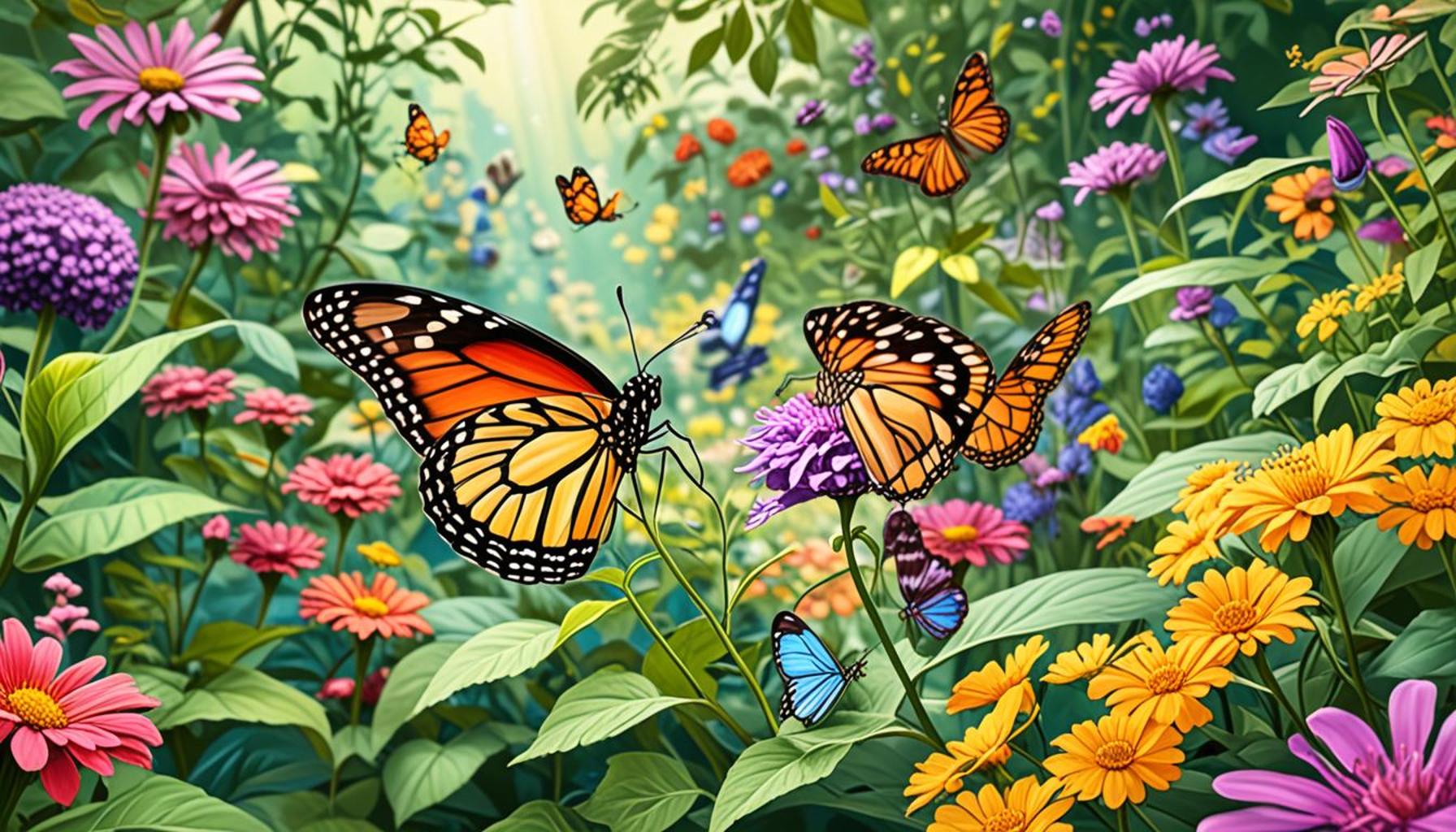
Creating a vibrant butterfly garden is a delightful endeavor that rewards not only the gardener but also the local environment. Pollinators like butterflies are crucial for maintaining healthy ecosystems, enhancing biodiversity, and supporting the reproductive success of various plants. As guardians of the natural world, these delicate creatures aid in the transfer of pollen, which is vital for many flowering plants to produce fruits and seeds. The presence of butterflies in your garden not only adds visual beauty but contributes significantly to ecological balance.
Essential Elements to Attract Butterflies
To successfully entice pollinators such as butterflies, you must thoughtfully integrate several critical elements into your garden design:
- Diverse Plant Selection: Prioritize native flowers that provide both nectar and pollen. Plants like coneflowers, milkweed, and black-eyed Susans are excellent choices, as they attract a variety of butterfly species while being well-adapted to local conditions.
- Colorful Blooms: Incorporate an array of colors and shapes. Butterflies are particularly drawn to bright blooms like zinnias, marigolds, and lantanas. Different species of butterflies may prefer distinct colors; for instance, orange and yellow blooms often attract monarchs.
- Host Plants: Focus on including species that serve as food sources for butterfly larvae. For example, milkweed is the exclusive host plant for monarch caterpillars, making it essential for their lifecycle. Similarly, parsley or fennel supports swallowtail caterpillars.
- Sunshine and Shelter: Design your garden with sunny spots where butterflies can bask. Additionally, provide sheltered areas, such as small shrubs or rocks, where they can rest and escape harsh weather conditions.
The Environmental Impact of Butterfly Gardens
Beyond their aesthetic contributions, butterfly gardens significantly influence local ecosystems. According to the U.S. Fish and Wildlife Service, creating habitats for pollinators fosters conservation efforts and bolsters local biodiversity. As butterflies and other beneficial insects thrive, they help sustain bird populations and other wildlife that rely on them as food sources. Gardens that support a variety of pollinators also tend to produce more vibrant and diverse plant life, creating a more robust food web.
A Guide to Cultivating Your Butterfly Haven
This guide will delve into effective strategies for luring pollinators and transforming your outdoor space into a thriving butterfly haven. Whether you are a seasoned green thumb or a gardening novice, there are actionable steps to connect you with nature and contribute to a greener world.
Moreover, consider implementing practices such as organic gardening techniques, which reduce chemical usage and promote healthy insect populations. Engaging with local gardening clubs or online forums can provide additional insights and peer support as you embark on this rewarding journey towards creating a butterfly-friendly environment.
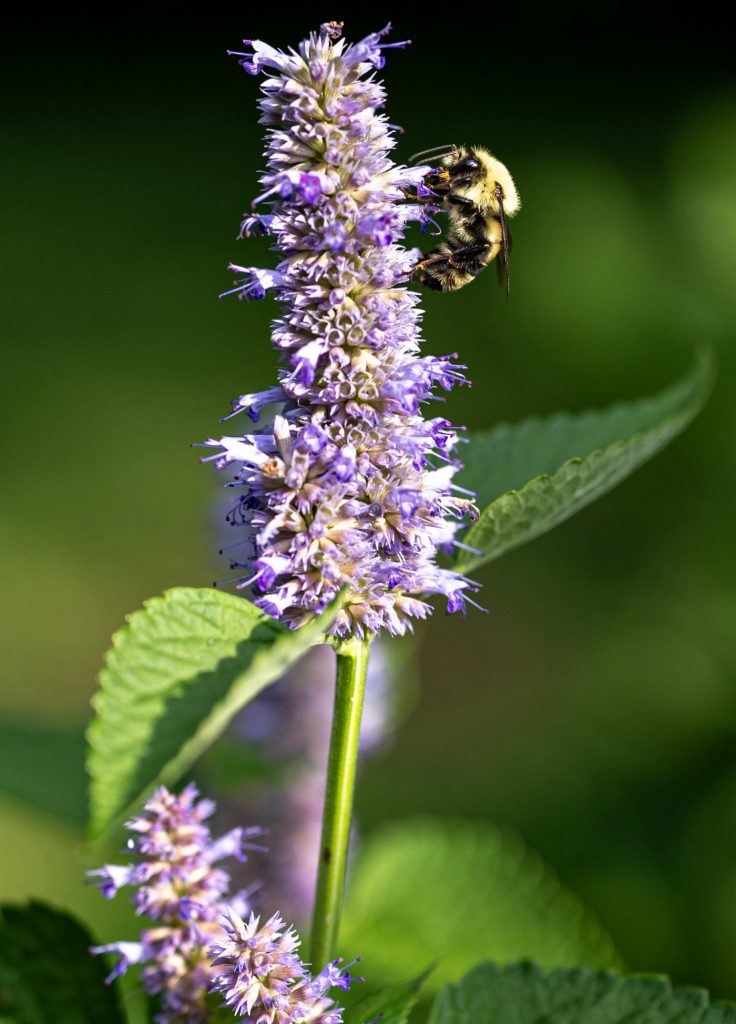
Embrace the opportunity to cultivate not only a garden that pleases the eye but also one that plays an essential role in sustaining the delicate balance of your local ecosystem.
DISCOVER MORE: Click here to uncover the therapeutic benefits of DIY craft making
Designing Your Butterfly Garden: Key Considerations
Creating a butterfly garden goes beyond just planting flowers; it requires a thoughtful design that encourages butterflies to visit and thrive. Understanding the needs of these fascinating insects is key to cultivating an effective habitat. Here are some essential considerations for designing your butterfly garden:
Creating a Welcoming Environment
Butterflies are attracted to gardens with certain environmental features. By mimicking their natural habitats, you can significantly increase the likelihood of attracting these beautiful pollinators:
- Water Sources: Butterflies need a reliable source of water for hydration. Consider adding a shallow birdbath or a small dish filled with pebbles submerged in water. This will provide a refreshing drink while allowing these delicate creatures to perch safely.
- Windbreaks: Incorporating natural barriers, such as fences or hedges, can create a sheltered environment that protects butterflies from harsh winds. They prefer calm, sunny spots to bask in the sunlight, which enhances their metabolism and movement.
- Layered Plantings: A diverse structural layout can accommodate various butterfly species. Employ taller plants at the back and shorter ones in the front to create layers. This vertical diversity not only provides butterflies with perches and resting places but also attracts different species at various heights.
Seasonal Blooms for Year-Round Attraction
To foster a dynamic butterfly habitat, it’s essential to plant flowers that bloom at different times throughout the growing season. This ensures a continuous food source for these insects, attracting them from spring through fall. Here are some examples of plants categorized by bloom time:
- Early Bloomers (Spring): Plant species like lupines, cabbage white butterflies, and cleome to entice butterflies emerging from hibernation.
- Summer Blooms: Consider planting purple coneflower and swamp milkweed. These mid-summer blooms are crucial for sustaining butterflies during their peak activity months.
- Late-Season Flowers: Gentian and asters can flower in late summer or fall, providing sustenance for butterflies before the winter months.
By planning for a balance of blossoming plants throughout the year, you can create a vibrant landscape that provides food and habitat for butterflies during all life stages, increasing their chances of thriving.
Engaging Your Community and Raising Awareness
Your butterfly garden can be more than just a personal haven; it can also serve as an educational tool for your community. Consider engaging local schools, gardening clubs, or environmental organizations to spread awareness about the importance of pollinators. Workshops or guided tours can inspire others to create their own butterfly-friendly spaces and contribute to conservation efforts.
The beauty of butterfly gardens lies not only in their aesthetic appeal but also in their capacity to promote healthy ecosystems. By thoughtfully designing your green space, you can play a pivotal role in attracting and supporting vital pollinators, ensuring the prosperity of local flora and fauna.
To create an inviting environment for butterflies and other pollinators, it is essential to consider the types of plants you include in your garden. Native plants are particularly effective, as they are well-adapted to the local climate and soil, providing the necessary food and habitat for local pollinator species. For example, planting milkweed not only attracts monarch butterflies but also helps support their breeding. Additionally, consider incorporating a variety of flowering plants that bloom at different times throughout the season to ensure a continuous supply of nectar. This diversity will attract a broader range of pollinators.
Another key factor in attracting pollinators is ensuring that your garden has water sources. A simple butterfly puddler—made from a shallow dish filled with sand and water—can provide a necessary hydration point for butterflies and other insects. Be mindful of chemicals; using organic gardening practices will create a safe haven for these beneficial creatures. This means avoiding pesticides that can harm pollinators, opting instead for natural pest control methods, such as insect-repelling plants and beneficial insect attractions.
Creating sheltered habitats is also crucial in making your garden more appealing to pollinators. Incorporate native shrubs and trees that offer protection from predators and harsh weather conditions. Compost piles and brush piles can act as natural refuges for butterflies during both the day and night. Moreover, consider leaving some areas of your garden a bit wild; this encourages the natural insects to thrive and contributes to a healthy ecosystem.
By cultivating a conscious and thoughtful garden space, you not only attract stunning butterflies but also invite a variety of pollinators that play a vital role in our food systems. As your garden flourishes, take note of the pollinators that visit, and you will discover a world of beauty and biodiversity right outside your door. Each effort you make contributes to a larger environmental impact, aiding pollinator conservation and enhancing the ecological balance.
| Category 1 | Category 2 |
|---|---|
| Native Plants | Support local pollinators and thrive in local conditions. |
| Water Sources | Butterfly puddlers provide vital hydration for pollinators. |
| Sheltered Habitats | Native shrubs and brush piles offer protection and refuge. |
DISCOVER MORE: Click here to dive into a personal musical journey
Enhancing Biodiversity and Supporting Butterfly Lifecycles
A successful butterfly garden not only attracts these vibrant insects but also supports their complex life cycles. To enhance biodiversity and provide a nurturing environment, you should incorporate host plants that serve as food sources for caterpillars. While adult butterflies feed on nectar, their larvae require specific plants for growth. Here’s how to create a garden that supports all stages of the butterfly life cycle:
Incorporating Host Plants
Different butterfly species have distinct preferences when it comes to host plants. By integrating these plants into your garden, you help ensure that caterpillars have the resources they need to thrive. Here are some popular host plants for common butterflies found in the United States:
- Monarch Butterflies: These iconic butterflies depend on milkweed for laying their eggs and for the caterpillars to feed on. Planting various species of milkweed will encourage monarchs to take up residence in your garden.
- Swallowtail Butterflies: Planting fennel, parsley, or carrots can attract different swallowtail species. These herbs provide an ideal food source for their young.
- Cabbage White Butterfly: Host plants like broccoli and cabbage are crucial for the cabbage white caterpillars, which are common in gardens.
By thoughtfully incorporating these host plants, you can provide essential resources for caterpillars, contributing to the next generation of butterflies and further enhancing your garden’s appeal.
Minimizing Pesticide Use
Another crucial aspect of attracting butterflies to your garden is creating a safe environment where they can thrive. Pesticides pose a significant threat to butterfly populations and other beneficial insects. By minimizing the use of harmful chemicals, you can help sustain the butterfly ecosystem:
- Emphasizing Natural Control: Explore organic gardening methods and encourage natural predators like ladybugs and lacewings, which can help manage pests without jeopardizing butterfly habitats.
- Using Eco-Friendly Products: When necessary, choose organic pesticides or insecticidal soaps that are less harmful to butterflies and other pollinators, allowing you to protect your plants while supporting local fauna.
- Creating Pollinator Partnerships: Collaborate with local beekeepers or entomologists to foster a balance between pest control and pollinator health in your garden.
Encouraging Visitor Engagement
To foster a deeper connection with nature, encourage family and friends to join the butterfly garden project. Creating a volunteer day or hosting events centered around butterfly education can cultivate awareness and stewardship in your community. Consider engaging in activities such as:
- Butterfly Identification Walks: Organize guided walks to observe butterflies and discuss their habits and importance in the ecosystem.
- Workshops on Gardening for Pollinators: Share your knowledge about creating butterfly-friendly spaces and help attendees understand the best planting practices.
- Citizen Science Initiatives: Participate in butterfly counts or surveys to contribute to citizen science efforts, aiding research and conservation initiatives.
By involving your community and sharing the joys of butterfly gardening, you contribute not just to your local landscape but also to global conservation efforts. In this harmonious endeavor, everyone benefits from the beauty and functionality of a vibrant ecosystem.
DISCOVER MORE: Click here to dive into sustainable crafting
Conclusion: Cultivating a Sanctuary for Butterflies and Pollinators
Creating a butterfly garden is a rewarding endeavor that goes beyond mere aesthetics. By carefully selecting nectar-rich flowers and essential host plants, you not only attract diverse butterfly species but also help nurture their life cycles, promoting biodiversity in your green space. This thoughtful approach fosters an ecosystem where butterflies thrive, butterflies contribute to pollination, which is vital for food production and maintaining healthy plant communities.
Moreover, minimizing pesticide use is crucial for ensuring that your garden remains a safe haven for both butterflies and other beneficial insects. Emphasizing natural pest management strategies empowers you to create a balanced environment, allowing you to enjoy a vibrant garden without compromising its integrity.
Engaging your community in butterfly gardening enriches this experience, cultivating a shared appreciation for nature’s wonders. Through workshops, guided walks, and citizen science initiatives, you can empower your neighbors to join in this invaluable conservation effort, making a positive impact on the local ecosystem.
In a world facing declining pollinator populations, your efforts in establishing a butterfly garden can spark a ripple effect. By transforming your green space into a sanctuary for these delicate creatures, you inspire others to do the same, creating a collective movement that champions biodiversity and sustainability. Together, we can foster flourishing habitats for butterflies and ensure they continue to grace our gardens with their beauty for generations to come.
Related posts:
Seasonal Gardening: How to Plan and Maintain a Garden That Blooms All Year Round
Community Gardening: Strengthening Bonds Through Collective Cultivation
Gardening in Small Spaces: Tips for Growing a Garden on Balconies and Patios
Gardening for Health: How to Grow Medicinal Herbs at Home
Gardening for Kids: Fun Activities to Engage Little Ones with Nature
The Art of Vertical Gardening: How to Transform Small Spaces into Vibrant Gardens

Linda Carter is a writer and creative hobbies expert specializing in crafting, DIY projects, and artistic exploration. With extensive experience helping individuals discover their creative potential and bring their ideas to life, Linda shares her knowledge on our platform. Her goal is to empower readers with practical tips, inspiring ideas, and step-by-step strategies for success in the world of creative hobbies.