How to Create a Minimalist Space: Practical Tips for an Organized Home
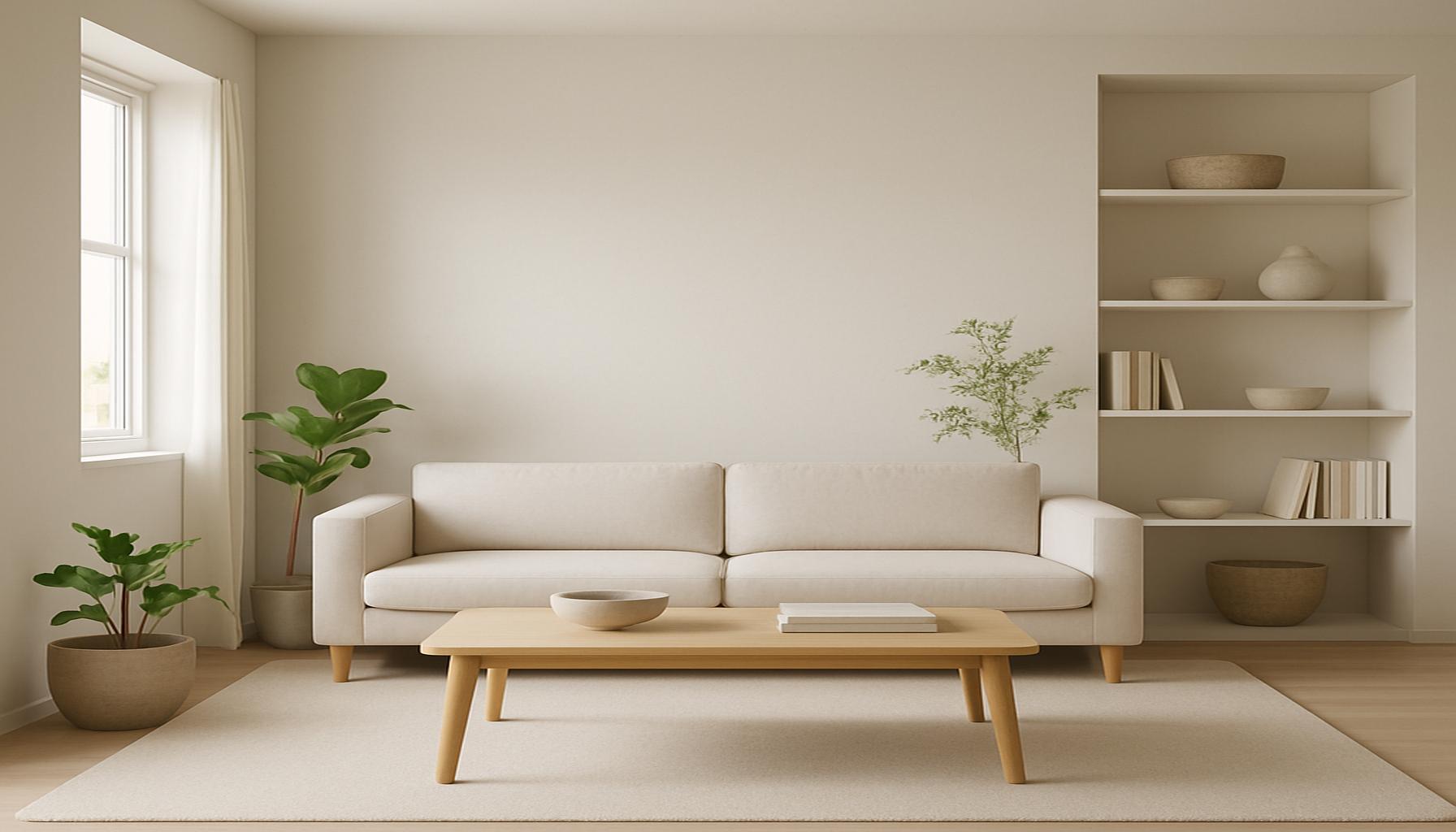
Introduction to Minimalism
Embracing a minimalist space goes beyond mere aesthetics; it’s a lifestyle choice that fosters clarity and peace. By reducing clutter and focusing on what truly matters, you can create an organized home that promotes tranquility. As the demands of modern life increase, many people find themselves overwhelmed by the extent of their possessions and obligations. A minimalist approach encourages a thoughtful evaluation of what we own and how we live, creating a refreshing, simplified environment.
To start, consider these core principles of minimalism:
- Declutter Regularly: Set aside time weekly to evaluate your belongings. This doesn’t mean throwing everything away at once. Rather, treat decluttering as an ongoing process. For example, you might dedicate an hour each Sunday to go through one room or area of your home, deciding what to keep, donate, or discard based on your recent usage and emotional attachment to items.
- Invest in Quality: Choose fewer but higher-quality items that will last. Instead of buying multiple inexpensive items that wear out quickly, consider investing in a few durable and stylish pieces. For instance, opting for a well-designed, sturdy couch may cost more upfront but can enhance your living space for years to come.
- Practice Mindful Consumption: Avoid impulsive purchases; focus on necessity. In a consumer-driven society, it can be tempting to buy the latest trends. However, mindful consumption involves asking yourself if a new item truly adds value to your life before making a purchase. Try implementing a waiting period of 30 days before buying anything non-essential, to determine if the desire to purchase fades.
Additionally, the benefits of a minimalist space can be profound:
- Enhanced Focus: A clutter-free environment allows for better concentration. Research shows that our surroundings significantly influence our cognitive abilities. A clean workspace can lead to improved work performance and reduced distractions.
- Reduced Stress: Simplified spaces can lead to greater mental clarity. Studies indicate that clutter can increase levels of cortisol—a stress hormone—making it essential to create a calming environment for mental well-being.
- Increased Productivity: Organizing your home encourages efficiency. With fewer distractions, you can streamline daily tasks, from cooking in a tidy kitchen to staying focused when working from home.
In this guide, you will discover practical tips and techniques to transform your space into a sanctuary of simplicity. Examples may range from implementing a capsule wardrobe to choosing multifunctional furniture like ottomans that double as storage. With each small step, you’ll learn to appreciate the balance of functionality and design, ultimately leading to a more satisfying living environment. This journey toward simplicity not only changes your space but also allows you to reclaim time and energy for what genuinely matters in your life.
DISCOVER MORE: Click here to dive deeper
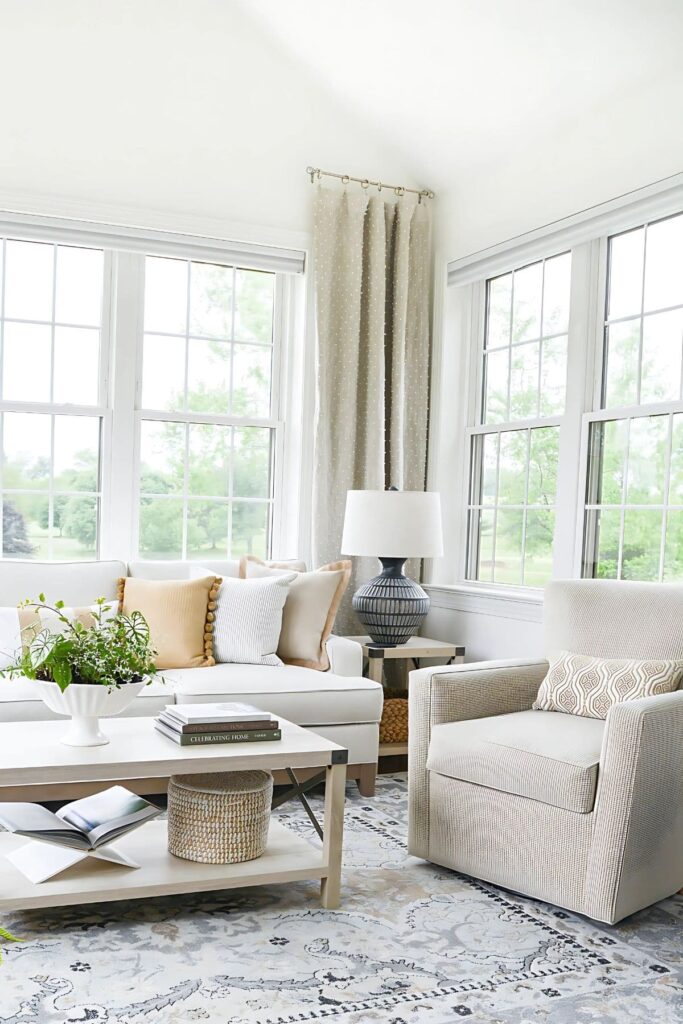
Decluttering Your Home: The First Step to Minimalism
To create a truly minimalist space, one has to begin with the essential practice of decluttering. This process can seem daunting, especially if you’ve accumulated years’ worth of items, but it’s a necessary step toward achieving a simplified and organized home.
Start by approaching the decluttering process with specific goals in mind. Consider the following methods to streamline your belongings effectively:
- The Four-Box Method: Label four boxes as “Keep,” “Donate,” “Sell,” and “Trash.” As you go through your possessions, place each item in one of these boxes. This method provides a clear framework for making decisions about your items and helps reduce indecision.
- The 30-Day Minimalism Game: This challenge involves getting rid of one item on the first day, two items on the second day, and so on for 30 days. By the end of the month, you will have purged a total of 465 items, showing just how overwhelming clutter can accumulate over time.
- Room-by-Room Approach: Tackle one room at a time to avoid feeling overwhelmed. Focus on specific areas—like your closet, kitchen, or garage—devoting entire sessions to sort through what you truly need versus what you can let go of. This targeted focus allows for a more manageable and satisfying experience.
While decluttering, it’s vital to assess not only the physical utility of items but also the emotional attachment tied to them. Ask yourself questions like: Does this item serve a purpose? or Does it bring me joy? If the answer is no, it might be time to part ways.
Creating Functional Spaces
Once you’ve decluttered, the next step involves organizing your space in a practical way. A minimalist space is not just about having less; it’s also about making the most of what you keep. Here are some strategies to enhance functionality:
- Use Multi-Functional Furniture: Invest in pieces that offer dual purposes. For instance, a coffee table with storage compartments or a bed with drawers underneath can maximize space without sacrificing style.
- Implement Open Shelving: Instead of bulky cabinets, opt for open shelving to display items you use frequently. This not only reduces visual clutter but also invites an airy feel to your living space.
- Establish a Regular Cleaning Routine: Once you’ve organized your space, it’s essential to maintain it. Set a schedule for regular cleaning and tidying to ensure that clutter doesn’t creep back in. Incorporating this habit will keep your minimalist ethos alive.
By prioritizing decluttering and creating functional spaces, you set the stage for a home that embodies the principles of minimalism. As you continue on this journey, you’ll find that the effort invested will be reflected in the serenity and focus of your everyday life.
How to Create a Minimalist Space: Practical Tips for an Organized Home
Creating a minimalist space goes beyond just decluttering; it involves a shift in mindset about how you interact with your environment. Minimalism promotes intentional living by encouraging you to cherish what you have and to make room for what truly matters. One essential aspect is to assess your belongings and identify items that serve a purpose or hold significant emotional value. This process helps eliminate distractions and promotes a sense of calm in your surroundings.
Another key strategy in establishing a minimalist home is adopting multifunctional furniture. Pieces like sofa beds, storage ottomans, and extendable dining tables not only save space but also enhance the flexibility of your living environment. For instance, a simple coffee table that doubles as a storage unit can help keep your space tidy while ensuring items are easily accessible when needed.
Incorporating neutral color palettes can further augment the minimalist aesthetic. Shades of white, beige, and gray can make spaces feel larger and more serene, while strategically placed pops of color can help create visual interest without overwhelming the senses.
When it comes to organization, employing vertical storage solutions can be a game changer. Shelves, wall hooks, and pegboards maximize floor space and can add a unique design element to your home. Additionally, consider using clear containers and labels to simplify accessibility and enhance the visual appeal of your storage areas.
Lastly, we must emphasize the importance of digital decluttering. With our lives increasingly intertwined with technology, organizing digital files and reducing screen time contributes to overall mental clarity. Evaluate your digital space as thoroughly as your physical surroundings to achieve a truly minimalist lifestyle.
| Benefits of Minimalism | Practical Tips |
|---|---|
| Simplicity in Daily Life | Focus on fewer but more meaningful items. |
| Reduced Stress Levels | Create well-defined spaces for work and relaxation. |
| Enhanced Productivity | Maintain an organized workspace free from distractions. |
| Time Efficiency | Implement easy-to-access storage systems. |
Embracing these practical tips will guide you on your journey to create a minimalist space that is not only organized but also a true reflection of your values and lifestyle. Through intentional choices and consistent effort, the minimalist approach can lead to a more meaningful and fulfilling life.
DISCOVER MORE: Click here to elevate your productivity
Curating Your Belongings: The Art of Minimalism
Once you’ve successfully decluttered and organized your space, the next step in cultivating a minimalist home is to carefully curate your belongings. It’s essential to select items that not only serve a function but also resonate with your personal aesthetics and values. This mindful approach can transform your environment into a calming and inspiring sanctuary. Here are some effective ways to curate your possessions:
- Choose Your Color Palette: A cohesive color scheme can have a profound impact on the visual harmony of a room. Opt for neutral tones supplemented by occasional pops of color. By understanding color psychology, you can create a space that feels both tranquil and invigorating, tailoring the atmosphere to your lifestyle—from serene whites and grays to warm earthy tones.
- Limit Decorative Items: In a minimalist space, decorations should serve a purpose or evoke emotion. Select a few meaningful décor pieces or artwork that reflect your identity. This not only reduces clutter but ensures that each item holds significance, enhancing rather than detracting from the overall aesthetic.
- Think Quality Over Quantity: Invest in high-quality furniture and accessories that are both functional and stylish. A well-made piece can elevate the look of your space and last longer than cheaper alternatives. Aim for timeless designs that won’t become outdated quickly, contributing to a sustainable minimalist lifestyle.
Curating your belongings doesn’t just beautify your space; it also makes cleaning and organizing easier. A home filled with thoughtfully chosen items tends to be more manageable, allowing you to maintain your minimalist principles effortlessly.
Mindful Shopping: The Minimalist Consumer
As you curate your surroundings, being a mindful shopper becomes crucial in maintaining your minimalist philosophy. Each purchase impacts your living space and mindset. Here are several strategies to become a more mindful consumer:
- Establish a ‘One In, One Out’ Rule: For every new item you bring into your home, consider removing an existing one. This simple guideline helps prevent excess accumulation and keeps your space organized and purposeful.
- Set Clear Criteria for New Items: Before you buy, ask yourself important questions such as: Is this something I truly need? Does it provide value or joy? Is this an impulse purchase, or have I thought it through? Being critical of your shopping habits can significantly reduce unnecessary clutter.
- Opt for Experiences Rather Than Things: Minimalism encourages a shift from material possessions to experiences. Instead of buying more products, consider investing in vacations, classes, or hobbies that bring joy and enrich your life, fostering treasured memories rather than physical clutter.
Taking the time to curate your belongings and adopting a mindful approach to shopping reinforces your minimalist goals. By focusing on quality, purpose, and experiences over material goods, your home becomes a reflection of intentional living, creating a more organized and fulfilling environment.
DISCOVER MORE: Click here to find out how to declutter effectively
Embracing Minimalism for a Balanced Life
In conclusion, creating a minimalist space is not just about decluttering your physical environment; it’s about fostering a lifestyle that prioritizes peace, clarity, and intentionality. As we’ve explored, the journey begins with decluttering your surroundings, but it flourishes through thoughtful curation and mindful purchasing habits. By prioritizing quality over quantity, establishing a cohesive color palette, and choosing meaningful decorative items, you can transform your home into a personal sanctuary that reflects your values.
Moreover, the approach of being a mindful consumer cannot be overstated. By implementing practices such as the ‘One In, One Out’ rule and focusing on experiences rather than material possessions, you grant yourself the freedom to live with less, while enriching your life through meaningful moments. This lifestyle aligns not only with aesthetic preferences but also promotes mental clarity and emotional well-being.
Ultimately, embracing minimalism is a commitment to intentional living. It encourages you to cultivate environments that inspire creativity, productivity, and tranquility. As you embark on your minimalist journey, remember that it is a personal path; take it at your own pace and adapt the principles to resonate with your unique lifestyle. With patience and practice, you’ll find that a minimalist space is not just a physical transformation, but a pathway to a more organized and fulfilling life. Explore, experiment, and enjoy the benefits that come from living in harmony with the essentials.
Related posts:
Effective Strategies for Organizing Small Spaces
The Art of Detachment: How to Get Rid of Excess in Your Minimalist Home
The Art of Maintaining Simplicity: Strategies to Avoid Clutter in Daily Life
Simple Minimalist Organization Strategies to Reduce Clutter at Home
How to Create a Sustainable Personal Organization System
Decluttering Digital: Tips to Organize Your Devices and Improve Productivity

Linda Carter is a writer and organization expert specializing in minimalism and personal organization. With extensive experience helping individuals create clutter-free, functional spaces and adopt mindful habits, Linda shares her knowledge on our platform. Her goal is to empower readers with practical advice and strategies to simplify their lives, stay organized, and achieve a sense of calm and balance in their daily routines.