Gardening Benefits Boosting Mental Health Well-being Naturally
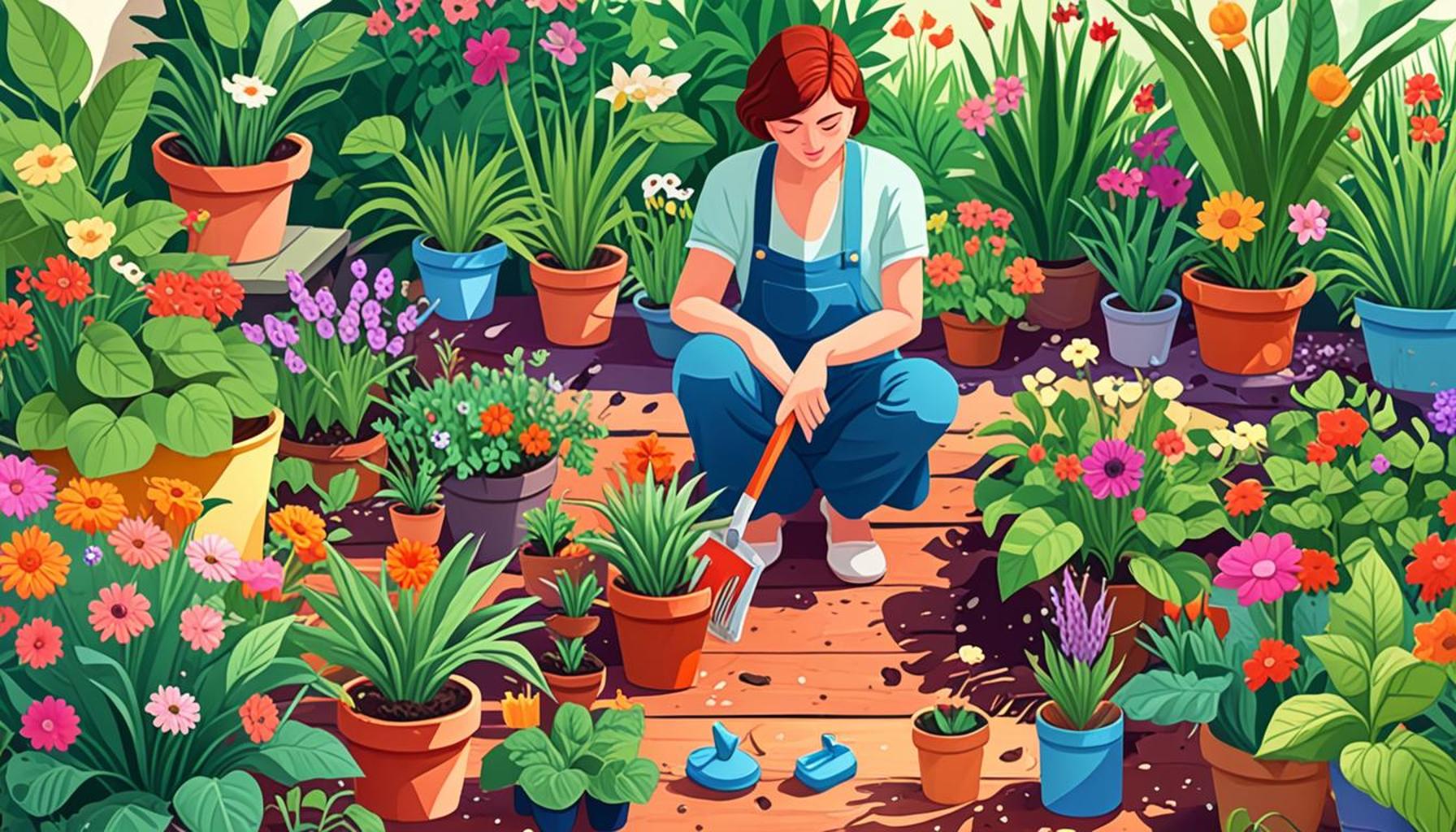
Discover the Healing Power of Gardening
In recent years, the connection between creative hobbies and mental health has gained significant attention. Among these hobbies, gardening stands out as a practical outlet that nurtures not only plants but also personal well-being. Engaging with nature has been linked to reduced stress levels, improved mood, and a sense of accomplishment, enhancing overall mental health.
For those seeking to improve their emotional well-being, the therapeutic benefits of gardening are profound. Studies have shown that spending time in green spaces can release serotonin, the “feel-good” hormone, while the act of planting can provide a grounding experience that fosters mindfulness. Gardening allows individuals to reconnect with nature, encouraging both creativity and reflection.
As you delve deeper into the world of gardening, we’ll explore the Top 5 benefits it offers for mental health and well-being. From its ability to spark joy to encouraging physical activity, these advantages make gardening a compelling choice for anyone looking to support their emotional health naturally. Get ready to learn how this age-old practice can transform your life!
Top 5 Reasons Why Gardening is Essential for Mental Health and Well-being
Gardening is far more than an aesthetic pursuit or a means to an end for fresh produce; it is a transformative activity that can bolster mental health and well-being in profound ways. Against the backdrop of a society grappling with escalating stress and anxiety, gardening emerges as a sanctuary that supplies psychological and emotional nourishment. Whether through the calming act of tending to flowers or the rewarding labor of cultivating a vegetable plot, gardening can be a therapeutic ally. Below, we delve deeper into the top five reasons why planting seeds and nurturing green life can enhance mental wellness, starting from number five.
5. Enhanced Mindfulness
Mindfulness, the powerful practice of being fully present and engaged in the moment, is one of the most immediate benefits of gardening. When immersed in the activities of the garden, such as observing the nuances of plant growth or appreciating the varying hues and textures of blooming flowers, individuals often find themselves in a state of mental tranquility. This engagement in repetitive and rhythmic tasks induces a meditative state, which can significantly reduce stress levels. The therapeutic impact of mindfulness through gardening is supported by numerous studies, which highlight its potential in lowering the symptoms of anxiety and depression. Such focused attention offers mental clarity, helping individuals navigate the often turbulent waters of contemporary life.
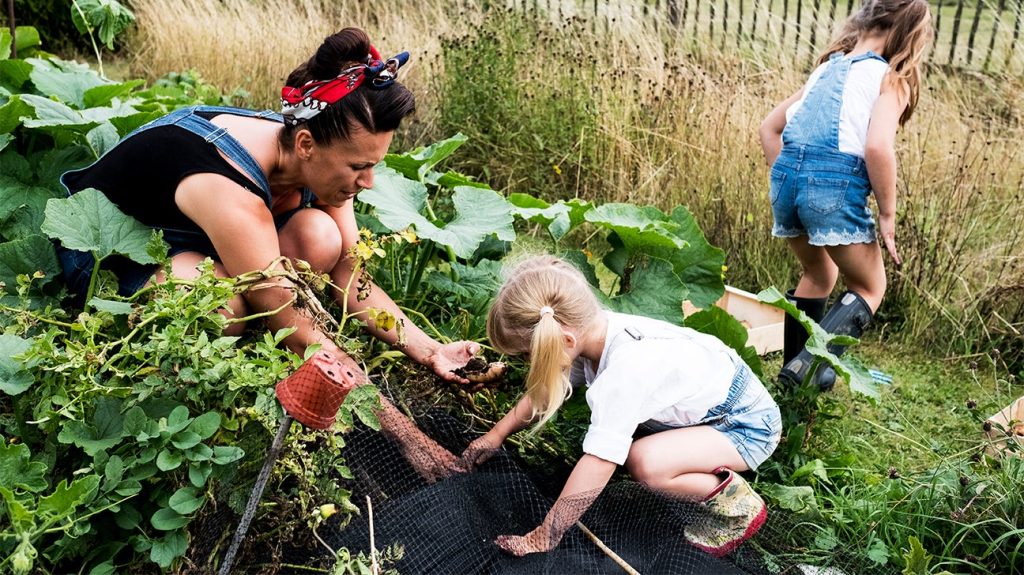
Consider the act of weeding: an activity that requires concentration yet allows the mind to relax and reflect. Pulling weeds can be seen as an analogy for removing unwanted, negative thoughts. As gardeners meticulously work their way through the soil, they simultaneously nurture both plants and mental peace.
4. Physical Activity
While gardening is typically seen as a sedentary activity, it incorporates a surprising amount of physical exertion. Actions such as digging, planting, weeding, and watering engage various muscle groups. Moreover, gardening can be classified as moderate exercise, which stimulates the release of endorphins. These chemicals elevate mood and act as natural pain relievers, countering mental fatigue and enhancing energy levels.
The physical benefits extend beyond just the muscular system. Regular garden work can improve cardiovascular health, increase flexibility, and with time, contribute to better overall physical fitness. A 30-minute moderate gardening task can potentially burn upwards of 150 calories, paralleling activities like brisk walking or gentle aerobic exercises. In this way, gardening not only nurtures the earth but also strengthens the gardener’s body and mind.
3. Connection with Nature
In the digital age, where individuals often find themselves confined to concrete jungles and tethered to screens, gardening rekindles our intrinsic bond with the natural world. This reconnection can work wonders for mental health. Surrounded by the scents, sounds, and sights of nature, individuals often experience profound relaxation and inspiration. The therapeutic effects of nature exposure are well-documented, with numerous studies underscoring its ability to elevate mood and bolster emotional well-being.
The Japanese practice of “Shinrin-yoku” or forest bathing, emphasizes the healing qualities of being in natural surroundings. Similarly, tending to one’s garden provides a micro-slice of such beneficial exposure. Whether planting a tree or simply enjoying the rustling leaves, these moments facilitate a restorative connection that combats feelings of isolation and anxiety.
2. Boosting Creativity and Accomplishment
Creativity flourishes in the garden. The layout, aesthetics, and selection of plants all offer countless avenues for personal expression and creative problem-solving. Designing a garden involves planning and innovation, whether in choosing a harmonious color palette or deciding on plant placements for optimal growth. As gardeners craft their personal paradises, their brains are primed for creative thinking and decision-making.
The realization of a thriving garden provides deep satisfaction and a sense of accomplishment. Witnessing seeds sprout into life-affirming plants or seeing vegetables ripe for harvest instills a sense of pride. Setting and achieving gardening goals, however modest, reinforces self-esteem and instills mental resilience. This process cultivates not only plants but also personal growth, as each milestone supports a cycle of positive reinforcement.
1. A Sense of Community
Beyond personal benefits, gardening significantly contributes to community bonds. Local gardening clubs, community garden projects, or simply exchanging cuttings and tips with neighbors create social ties that are vital for mental health. The shared experience of nurturing earth facilitates camaraderie and social support networks, which are essential for emotional well-being. These connections provide friendship and support, often proving invaluable during challenging times.
Consider the community garden: a shared plot where diverse people come together for a common purpose. In these spaces, knowledge is exchanged, friendships forged, and a collective pride in shared accomplishments grows. It is through these interactions that gardens transform into vessels of community spirit and mental health enrichment.
In conclusion, gardening serves as a rich tapestry of experiences that enhance mental health and well-being. Whether through promoting mindfulness, encouraging physical activity, reconnecting with nature, boosting creativity, or fostering community ties, its benefits are as varied as the plants it nurtures. Embracing gardening not only cultivates vibrant landscapes but also nurtures a healthier, more resilient mindset. For those seeking sanctuary and strength in an ever-complex world, the garden awaits as a place of refuge and regeneration.
Engaging in gardening offers profound psychological benefits that can significantly contribute to one’s mental health and overall well-being. The act of nurturing plants creates a unique bond with nature, fostering a sense of connection that many individuals find revitalizing. Studies have indicated that this connection can lead to reductions in stress and anxiety levels. As urban environments grow more chaotic, these natural retreats become increasingly essential for mental clarity.
Moreover, gardening provides an excellent form of physical activity. The combination of light exercise involved in gardening—from planting and weeding to watering and harvesting—releases endorphins, which are known as the body’s natural mood lifters. This surge of chemical happiness not only improves mood but also enhances one’s sense of accomplishment, as watching plants grow can inspire feelings of achievement.
The cognitive benefits of gardening are equally impressive. Tasks like planning a garden layout or understanding plant biology stimulate the brain, promoting cognitive functioning and creativity. Engaging with the rhythms of nature can also cultivate mindfulness, drawing attention to the present moment and promoting relaxation through focused engagement in the tasks at hand.
Furthermore, gardening can enhance social interactions, particularly in community gardening settings. When individuals come together to share knowledge, resources, or simply the joy of nurturing a communal garden, the result is an increased sense of community and belonging. This social aspect can significantly mitigate feelings of loneliness and isolation, common issues in modern society.
| Category | Details |
|---|---|
| Stress Reduction | Gardening acts as a therapeutic outlet, helping to lower cortisol levels and promote relaxation. |
| Physical Activity | Light gardening tasks can improve fitness levels, boost mood through endorphin release, and create a sense of achievement. |
| Cognitive Engagement | Planning and nurturing gardens stimulate mental functioning, enhancing creativity and promoting mindfulness. |
| Social Connectivity | Community gardening fosters relationships, reduces feelings of isolation, and enhances a sense of belonging. |
Thus, through every seed planted and every leaf nurtured, gardening cultivates a myriad of benefits that profoundly affects mental health and well-being, making it an invaluable activity for individuals seeking solace in a hectic world.
Frequently Asked Questions about the Importance of Gardening for Mental Health and Well-being
What are the mental health benefits of gardening?
Gardening is more than just a hobby; it’s a powerful tool for mental health. Engaging with nature can significantly reduce stress and anxiety levels. Studies have shown that gardening activities can reduce symptoms of depression and lead to improvements in overall mood. The act of nurturing plants can also instill a sense of purpose and accomplishment, making it an effective therapeutic practice.
How can gardening improve one’s physical health?
Besides its mental health benefits, gardening also contributes to physical well-being. It involves physical activity, which can help in maintaining fitness. Tasks like digging, planting, and weeding are excellent forms of low-impact exercise that improve cardiovascular health and increase muscle strength. Additionally, exposure to sunlight while gardening helps in synthesizing vitamin D, which is crucial for bone health and immune function.
Can gardening help in building social connections?
Yes, gardening offers significant opportunities for social interaction. Community gardens, in particular, serve as meeting points where people from different backgrounds come together. This fosters a sense of community and social cohesion. Working alongside others in a garden setting can enhance communication skills, build friendships, and reduce feelings of isolation.
Is there any research supporting the therapeutic effects of gardening?
Yes, there is a growing body of research affirming the therapeutic effects of gardening. Numerous studies have indicated that gardening can alleviate symptoms of mental health conditions such as anxiety and depression. For example, horticultural therapy has been incorporated into many rehabilitation programs worldwide, highlighting its effectiveness as a form of treatment for mental health issues.
Conclusion: Cultivating Wellness Through Gardening
In an era where our daily lives are dominated by technology and fast-paced routines, the timeless practice of gardening emerges as a crucial ally in promoting mental health and well-being. The compelling advantages of gardening extend beyond the visual delight of a blooming garden; it deeply nurtures our psychological and emotional states. Throughout the article, we have explored the multifaceted benefits of this creative hobby, which not only beautifies environments but also nurtures the soul.
The Healing Power of Nature
The therapeutic effects of gardening are deeply rooted in its ability to connect individuals with nature. Engaging with plants has been shown to reduce stress, anxiety, and depression, offering a profound sense of peace and tranquility. As hands dig into the soil and nurture life, there is a rejuvenation of the spirit that resonates with our intrinsic longing for a connection with the earth.
Fostering Mindfulness and Creativity
Gardening inherently encourages mindfulness, inviting individuals to be present in the moment. This paralleled meditation practice cultivates awareness and encourages a deep appreciation for the processes of growth and transformation. Furthermore, gardening stimulates creativity, providing an artistic outlet that can be tailored to personal preferences and styles.
A Promising Avenue for Social Connection
Beyond individual benefits, gardening fosters social interaction. Community gardens serve as vibrant spaces for connection, offering opportunities to share knowledge, discuss techniques, and collaborate on projects. This sense of belonging and community further amplifies the psychological benefits of gardening.
In conclusion, embracing gardening as a creative hobby is not merely about tending to plants; it’s about tending to oneself. Its profound effects on mental health and well-being reinforce its importance in an integrated lifestyle. For those seeking solace, inspiration, and a meaningful connection with nature, gardening offers a pathway worth exploring, urging all to dig deeper into the possibilities it holds for mental rejuvenation and overall wellness.
Related posts:
DIY: Building Support Structures for Plants in Your Garden
Sensory Gardening: Creating Spaces that Stimulate the Senses with Plants and Textures
Therapeutic Gardening: How Planting and Caring for Plants Can Improve Mental Well-Being
Gardening for Kids: Fun Activities to Engage Little Ones with Nature
Growing Food at Home: The Benefits of Sustainable Gardening
The Therapeutic Benefits of Gardening: How Cultivating Plants Can Enhance Mental Health

Linda Carter is a writer and creative hobbies expert specializing in crafting, DIY projects, and artistic exploration. With extensive experience helping individuals discover their creative potential and bring their ideas to life, Linda shares her knowledge on our platform. Her goal is to empower readers with practical tips, inspiring ideas, and step-by-step strategies for success in the world of creative hobbies.