Unlocking Mental Health Therapeutic Benefits of DIY Craft Making
In recent years, the conversation surrounding mental health has gained significant attention, emphasizing the importance of self-care and lifestyle choices. One effective way to enhance well-being is through creative hobbies, particularly craft making. Engaging in DIY projects not only fosters creativity but also offers a host of therapeutic benefits that can positively impact mental health.
Research suggests that hands-on activities such as crafting can reduce stress, increase feelings of achievement, and even combat symptoms of anxiety and depression. Here are some key reasons why craft making is a powerful tool for mental wellness:
- Enhances mindfulness: Focusing on a craft project promotes presence in the moment.
- Boosts self-esteem: Completing a DIY project can provide a sense of accomplishment.
- Offers social connection: Crafting can be a communal activity, fostering relationships.
- Increases dopamine levels: The satisfaction gained from crafting triggers the brain’s reward system.
- Encourages self-expression: Crafting allows for personal creativity and emotional expression.
As we explore the top five craft activities that can unlock these mental health benefits, prepare to discover how simple DIY projects can become an essential part of your self-care toolkit.
The Therapeutic Benefits of Craft Making: How DIY Projects Can Improve Mental Health
In our fast-paced world, the multitude of demands often overshadows simple joys and creative expression. Yet creativity, in its many forms, serves as a powerful tool for enhancing mental wellness. Craft making, or engaging in DIY projects, offers more than just a productive pastime. These activities provide a pathway toward improved mental health by channeling focus, encouraging social interaction, and fostering a sense of achievement. Here, we explore the top five therapeutic benefits of craft making and how these activities can uplift spirits and enhance emotional well-being.
Enhances Focus and Mindfulness
Our modern lives are filled with distractions, from the constant ping of notifications to the pressures of multitasking. Engaging in craft making requires a level of focus that can effectively draw our minds away from overwhelming thoughts that contribute to stress and anxiety. Whether knitting a scarf, painting landscapes, or intricately carving wood, these activities demand concentration, bringing about a state of mindfulness.
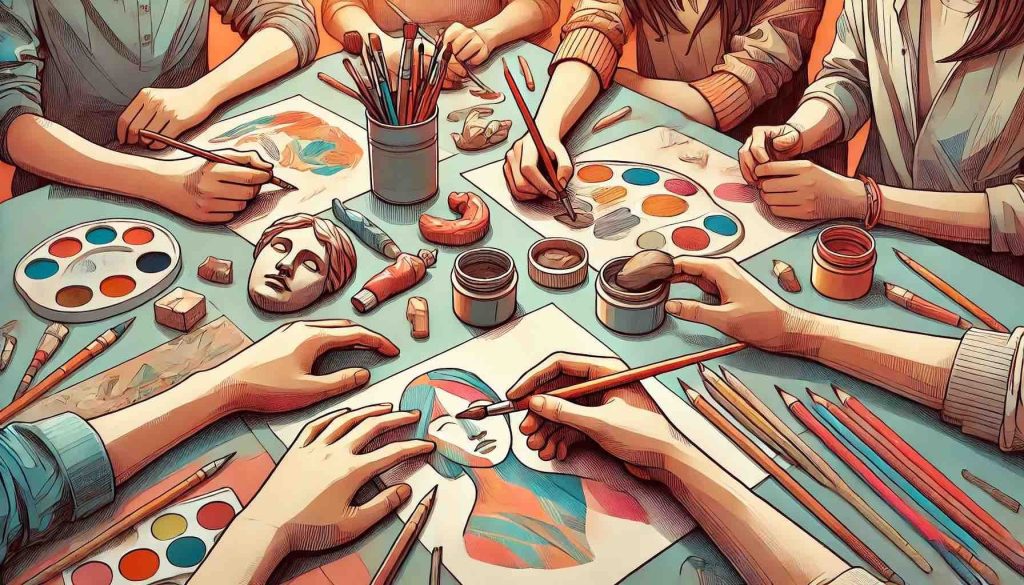
Mindfulness is the practice of being fully present in the moment, and numerous studies have shown it to reduce levels of depression and anxiety. As your hands work on a craft project, your brain can transition from racing thoughts to a more serene state. This focused attention not only alleviates stress but also fosters a profound sense of accomplishment. Over time, you’re likely to experience an enhanced ability to detach from chronic worry, a common contributor to mental distress.
Social Interaction and Community Building
While crafting is often seen as a personal, solitary task, it can also provide significant social benefits. Engaging in group activities, such as craft clubs or workshops, fosters a sense of community where individuals can share ideas, techniques, and personal experiences. This interaction can effectively combat feelings of isolation and loneliness, often associated with poor mental health.
- Participating in group crafts projects promotes teamwork and collaboration, where individuals can feel a part of something larger than themselves.
- Creative discussions often lead to valuable friendships, creating a supportive network that extends beyond the crafting table.
- Sharing completed projects provides a sense of achievement and validation, allowing crafters to take pride in their work.
The camaraderie and support derived from these interactions can significantly boost self-esteem and provide a vital outlet for self-expression, where diverse voices and talents are celebrated.
Provides a Sense of Achievement
Whether completing a quilt, finalizing a piece of furniture, or finishing a painting, working on DIY projects often leads to tangible results and creates a powerful sense of accomplishment. Every completed project is a testament to your skills and creativity, serving as a reminder of your personal capabilities.
This sense of achievement is particularly crucial for individuals battling mental health issues, where self-doubt often looms large. Each small victory, represented by a completed craft, shifts the focus from struggles to successes, fostering a mindset that encourages personal growth and resilience. Creating something unique also offers a beautiful way to keep tangible mementos of your journey and progress.
Reduces Symptoms of Anxiety and Depression
Artistic endeavors and creative crafts have been linked to reduced symptoms of anxiety and depression, providing a therapeutic outlet for complex emotions that can otherwise remain bottled up. Painting, sculpting, or even cooking enables expression of thoughts and feelings that words sometimes fail to convey.
Crafting becomes a medium for self-expression and emotional release, which is particularly beneficial for those who find it hard to verbalize their feelings. In expressive arts therapy, this concept is central; it underscores how art can serve as both a release and an instrument for processing emotions. Regular engagement in crafting can significantly alter mood, providing a non-threatening space for feelings to surface and be addressed.
Stimulates the Brain and Improves Cognitive Function
The profound impact of craft making on cognitive function is paramount. Hands-on activities stimulate various areas of the brain involved in creativity, problem-solving, and critical thinking. This brain engagement is especially valuable for those experiencing cognitive decline or facing mental health challenges.
Crafting promotes learning new skills, which keeps the brain active and engaged. The process involves planning, executing, and completing tasks, all of which enhance neural connections and improve overall cognitive capabilities. Various studies have suggested that such creative activities could even delay the onset of cognitive impairments commonly associated with aging, offering a proactive approach to maintaining mental acuity.
In conclusion, the therapeutic benefits of craft making extend far beyond the joyous act of creation. Whether enhancing focus, offering social engagement, fostering self-esteem, alleviating anxiety, or stimulating cognitive function, DIY projects serve as versatile tools for improving mental health. Embracing these creative hobbies not only paves the way for personal healing but also allows individuals to flourish within a supportive and expressive environment. By fostering community, encouraging mindfulness, and cultivating achievement and self-expression, craft making definitively proves to be a powerful ally in the pursuit of emotional and mental well-being.
| Category | Description |
|---|---|
| Stress Relief | Participating in craft making provides a therapeutic distraction from daily stressors. Engaging in the tactile and visual aspects of crafting can lower stress hormones, promoting relaxation and mental clarity. |
| Enhanced Focus | Crafting requires concentration and attention to detail. This immersive focus can help draw attention away from negative thoughts, fostering mindfulness and a sense of accomplishment once a project is completed. |
| Social Connectivity | Participating in community crafting events or workshops creates opportunities for social interaction. These connections can help combat feelings of isolation and contribute positively to emotional well-being. |
| Creative Expression | Craft making serves as a medium for individuals to express their thoughts and emotions artistically. This form of self-expression can lead to better emotional understanding and regulation. |
This table presents a concise exploration of the therapeutic benefits of craft making in relation to mental health. Each category highlights a significant component of how DIY projects can positively influence emotional well-being and enhance life satisfaction. The stress relief gained from crafting, for instance, plays a critical role in realigning one’s mental state by providing a user-friendly outlet for relaxation. By channeling creativity, individuals not only engage their minds in fulfilling and enriching activities but also mitigate feelings of anxiety and depression that often plague modern life. Research indicates that communities that engage in craft-based activities report higher levels of social satisfaction and lower incidences of mental health issues. Group activities, such as knitting circles or pottery classes, foster environments of support, sharing, and collaboration, allowing participants to thrive in their journeys toward mental wellness. With an ever-increasing body of evidence supporting the psychological benefits of hands-on activities, individuals are encouraged to find their craft. Whether it be painting, woodworking, or scrapbooking, DIY projects can provide cathartic experiences that contribute profoundly to one’s mental health journey.
Frequently Asked Questions about the Therapeutic Benefits of Craft Making
What are some mental health benefits of engaging in craft making?
Engaging in craft making can yield multiple mental health benefits. Studies have shown that crafting activities such as knitting, painting, or woodworking can significantly reduce stress and anxiety levels. By providing a focus for the mind, these activities facilitate mindfulness, which is linked to a decrease in depressive symptoms. Moreover, completing a project offers a sense of accomplishment, boosting self-esteem and promoting a sense of purpose and fulfillment.
How does craft making promote mindfulness and relaxation?
Craft making encourages mindfulness by demanding concentrated attention on the present moment. When deeply involved in a DIY project, individuals naturally align their thoughts with their immediate actions. This practice mirrors meditation techniques, where focusing on the task at hand helps to quiet the noise of everyday worries. As a result, many find that crafting offers a break from their usual mental routines, leading to a state of relaxation and mental clarity.
Are there specific types of crafts that are more beneficial for mental health?
While any type of craft can potentially benefit mental health, some may offer specific advantages. For instance, repetitive crafts such as knitting or crocheting can have a soothing, meditative effect due to their rhythmic patterns. On the other hand, creative crafts like painting or sculpting allow for self-expression and a release of emotions. Ultimately, the best craft is one that resonates personally and offers joy and a sense of fulfillment.
Can craft making be a complementary therapy for mental health conditions?
Yes, craft making can be used as a complementary therapy for various mental health conditions. Incorporating crafting into therapeutic routines can enhance traditional therapies by providing a calming outlet for expression. Certain clinical studies suggest that engaging in creative activities can enhance mood, reduce symptoms of depression, and even improve cognitive function. However, it is essential to consult with a mental health professional to tailor these activities to individual needs and ensure they complement existing treatment plans effectively.
Conclusion
In summary, the therapeutic benefits of craft making are both multifaceted and profound, providing significant impacts on mental health and overall well-being. Engaging in DIY projects offers individuals a unique outlet for creativity, serving as a powerful tool to reduce stress, promote mindfulness, and foster a sense of accomplishment. These advantages underscore the importance of integrating creative hobbies into our daily lives.
Throughout the article, we examined the top five therapeutic benefits of craft making: its ability to enhance mood, build self-esteem, improve cognitive function, provide a sense of community, and act as a form of distraction from negative thoughts. Each of these benefits highlights how creative activities can serve as a valuable adjunct to traditional mental health treatments.
The act of creating with one’s hands can lead to increased dopamine production, contributing to feelings of optimism and well-being. At the same time, crafting encourages mindfulness and concentration, pulling individuals away from anxiety-ridden thoughts and toward the present moment. Moreover, the practice of completing a project, no matter how small, imbues a sense of achievement and builds self-confidence.
As global awareness about mental health continues to grow, more individuals are turning to simple yet effective practices, such as DIY projects, to supplement their mental health regimens. The role of craft making as a tool for emotional healing invites further exploration and discussion. By incorporating creative hobbies into our daily routine, we not only enrich our leisure time but also contribute positively to our mental health. Encouraging further research and dialogue on this topic can lead to innovative ways to harness the full potential of craft making for mental wellness. The interplay between creativity and psychological health offers intriguing potential, waiting to be tapped by eager minds and guiding hands.
Related posts:
The Impact of Craft Making on Mental Health: Creativity as a Self-Care Tool
Emerging Trends in Craft Making: New Techniques and Materials that are Changing the Game
Craft Making and Cultural Identity: Celebrating Traditions Through Creation
The Intersection of Craft Making and Ecology: Ecological Practices for Sustainable Craftsmanship
Craft Making and Women's Empowerment: Stories of Women Who Transform Materials into Art
The Importance of Craft Making in the Preservation of Traditional Artisan Techniques and Their Conte...

Linda Carter is a writer and creative hobbies expert specializing in crafting, DIY projects, and artistic exploration. With extensive experience helping individuals discover their creative potential and bring their ideas to life, Linda shares her knowledge on our platform. Her goal is to empower readers with practical tips, inspiring ideas, and step-by-step strategies for success in the world of creative hobbies.