How Artistic Expression Boosts Mental Health and Well-being
In recent years, the connection between artistic expression and mental health has gained significant attention from researchers and mental health professionals alike. The act of creating art has been shown to provide therapeutic benefits that promote emotional well-being. As society increasingly embraces the idea that creativity can be a crucial part of self-care, it becomes essential to explore how various forms of artistic engagement can enhance psychological resilience.
Engaging in creative hobbies is not merely a pastime; it serves as a powerful tool for self-exploration and healing. To understand this phenomenon better, consider the following key aspects:
- Art as a form of communication: It allows individuals to express emotions that they may struggle to articulate verbally.
- Stress relief: Engaging in creative activities can significantly reduce stress and anxiety levels.
- Building community: Art fosters connections among individuals, providing support systems and reducing feelings of isolation.
- Enhancing self-esteem: Completing a creative project can boost confidence and provide a sense of accomplishment.
- Cognitive stimulation: Artistic activities stimulate mental processes and improve problem-solving skills.
As we delve deeper into this fascinating topic, we will highlight the Top 5 artistic expressions that have been shown to significantly boost mental health and well-being. Join us on this journey to uncover how creativity can be a vital part of enhancing our emotional lives.
The Influence of Art on Mental Health: How Artistic Expression Can Promote Well-Being
Art has been an integral part of human experience across ages, emerging as a powerful avenue for expression, communication, and connectivity. These artistic pursuits have had a noteworthy impact on mental wellness throughout history, shaping not only societies but individuals who deeply engage with them. This article explores five significant ways in which artistic expression can enhance mental health, underscoring the role of creativity as a catalyst for well-being.
5. Enhancing Emotional Awareness
Art invites us into a dialogue with our emotions, offering a non-verbal outlet for feelings that might otherwise remain unexpressed or misunderstood. Whether through painting, drawing, music, or another medium, art extends an invitation to delve into one’s emotional landscape in new and freeing ways. Such engagement allows individuals to gain insight into their emotional states, fostering a deeper understanding that is often elusive through words alone.
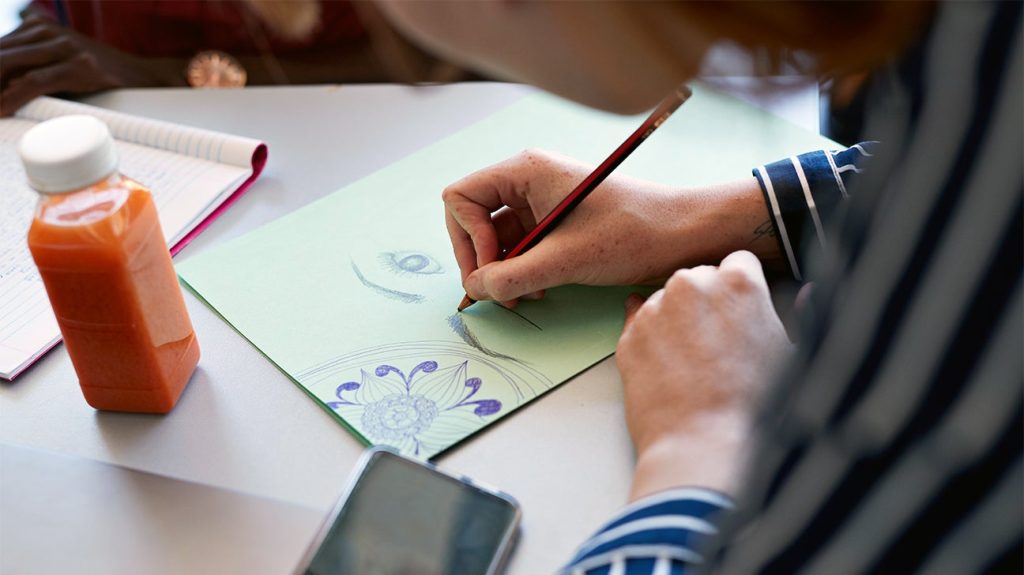
When participants document emotions visually, they often discover perspectives and sentiments that are not as readily articulated. This act of self-examination can cultivate emotional regulation and resilience. Activities like journaling through visual art provide a canvas for unpacking feelings. Understanding art’s nuance in expressing emotions can be enhanced through psychoeducational workshops, where art and emotions are demystified together.
- Journaling through art: Deploy colors, shapes, and symbols to embody feelings on a visual timeline.
- Psychoeducation: Workshops can illuminate connections between artistic endeavors and emotional intelligence.
- Group art therapy: Collaborative creation fosters collective insight and emotional growth.
4. Reducing Stress and Anxiety
Art therapy is gaining recognition as an efficacious strategy in managing stress and anxiety. The simple act of creativity serves as a form of mindfulness, engaging the participant’s head, hands, and heart in the present moment. This focus can drastically reduce anxiety levels.
Scientific studies back this up: creating art can reduce cortisol levels, the hormone associated with stress. The American Art Therapy Association’s findings illustrate that creative activities have a calming effect akin to mindfulness meditation, providing an avenue of tranquility amid life’s demands. Whether through the gentle strokes of a paintbrush or the rhythmic sound of a musical instrument, art offers a discreet escape and comfort.
3. Building Self-Esteem and Confidence
Artistic creation brings with it a companionable sense of accomplishment. For those grappling with low self-esteem, this process offers tangible affirmation of personal worth and ingenuity. Each brushstroke or melodic line represents a personal triumph, a testament to one’s ability to create something meaningful and unique.
By sharing their works in galleries or online, artists invite critique and appreciation, reinforcing self-recognition and community support. Creative pursuits become milestones of personal progress, with each finished piece enriching the individual’s sense of capacity and achievement.
- Setting personal artistic goals: Achievable projects can encourage a clear sense of growth and progression.
- Workshops and classes: Group dynamics provide a nurturing environment for shared learning and support.
- Public exhibitions: Displaying one’s work can enhance feelings of pride and recognition.
2. Fostering Social Connections
Art transcends language, making it a remarkably effective tool for building interpersonal connections. Whether through cooperative art projects, workshops, or community art initiatives, these shared creative spaces allow individuals to forge meaningful relationships built on a foundation of shared purpose and intent, reducing loneliness and feelings of isolation.
Group art activities invariably encourage communication and collaboration. The cooperative nature of these endeavors often leads to a supportive community where new friendships form and social ties strengthen, providing a vital component for sustained mental health. The bonds cemented through shared creative experiences contribute to a richer, more connected life.
1. A Channel for Personal Healing
The therapeutic potential of art for personal healing is perhaps its most profound aspect. In art therapy, individuals can explore and express challenges such as trauma, grief, or depression in a non-verbal language of creativity. This therapeutic model creates a vital space for releasing pent-up emotions.
Studies have confirmed that expressing oneself visually or through crafting can significantly assist in processing unresolved emotions, leading to a profound sense of liberation and healing. Art creates a safe, supportive environment where journeys of personal healing can unfold naturally, allowing individuals to reconstruct their narratives on their terms.
In conclusion, the intersection of art and mental health is rich and rewarding. By enhancing emotional awareness, reducing stress and anxiety, building self-esteem, fostering social connections, and facilitating personal healing, artistic expression emerges as a fundamental instrument for achieving overall well-being. Embracing creative hobbies not only furnishes individual growth but it can amplify happiness and health for anyone willing to explore the abundant tapestry of their inner world through art.
| Category | Details |
|---|---|
| Emotional Expression | Art provides a powerful channel for individuals to express complex emotions that may be difficult to articulate verbally. Through various artistic mediums, people can explore their feelings, enabling better self-awareness and processing of emotions. |
| Community Connection | Participating in art projects can foster a sense of belonging and community connection. Collaborative art initiatives often bring together individuals from diverse backgrounds, promoting social interaction and reducing feelings of isolation. |
| Stress Relief | Engaging in artistic activities is known to reduce stress levels and enhance relaxation. Creating art can serve as a meditative practice, allowing individuals to focus on the process and escape from daily pressures and anxieties. |
| Cognitive Development | Art encourages cognitive engagement and problem-solving skills. Through art, individuals can explore critical thinking, adaptability, and creativity, which are vital for mental resilience and emotional health. |
Art’s influence on mental health encompasses a variety of dimensions, all reinforcing its profound significance in promoting overall well-being. The mere act of engaging in creative expression can be therapeutic, enabling individuals to confront and navigate their emotional landscapes more effectively. In sharing their art, individuals often find that they are not alone in their struggles, thereby enhancing their mental health and fostering robust interpersonal relationships.
FAQs: The Influence of Art on Mental Health
What role does art play in improving mental health?
Art acts as a powerful tool for mental well-being by providing an avenue for self-expression and emotional release. Engaging in artistic activities can lead to a decrease in stress levels and an increase in mental clarity. Studies have shown that art therapy sessions can help individuals process complex emotions, amplify positive experiences, and promote a stronger sense of identity. By fostering creativity, art enables people to break away from negative thought patterns and focus on constructive visualization.
How does participating in art activities reduce stress?
Engaging in art activities allows individuals to enter a state of “flow,” where they are fully immersed and lose track of time. This immersion leads to a state of relaxation similar to meditation. Moreover, creating art can trigger the release of dopamine, the brain’s “feel-good” chemical, thus enhancing mood and reducing anxiety. The repetitive motions and focus required in many art forms provide a form of mindfulness, which has been linked to stress reduction and improved emotional health.
Is artistic talent necessary to benefit from art’s impact on mental health?
Absolutely not. The beauty of art lies in its subjective nature; it does not require any skill level to yield benefits. The process of creating is often more important than the end product. A novice painter or an experienced sculptor may both experience similar levels of mental relief and joy. The essential thing is the opportunity for self-expression and the therapeutic act of creation itself, rather than the skill displayed in the final artwork.
Can viewing art have a similar impact on mental health as creating art?
Yes, viewing art can indeed have a positive impact on mental health, though in subtler ways. Observing artwork can evoke emotions and stimulate cognition, leading to a deeper understanding of personal feelings and societal issues. Visiting galleries or attending exhibitions can promote relaxation and elicit inspiration. It’s been observed that even a short exposure to art can significantly improve one’s mood, highlighting the power of visual stimuli within the realm of mental health.
Are there specific types of art that are more beneficial for mental health?
While all types of art can be beneficial, some studies suggest that certain art forms might be particularly effective in promoting mental well-being. For instance, activities that involve tactile engagement, such as pottery or sculpture, might be more grounding and stress-relieving. Other forms like music and dance may engage one’s physical senses and enhance emotional expression, leading to a heightened state of well-being. Ultimately, the most beneficial type of art is one that resonates personally with the individual and allows for genuine self-expression.
Conclusion
The exploration of art’s influence on mental health reveals a profound and multifaceted relationship, where artistic expression emerges as a potent tool for enhancing well-being. As discussed throughout the article, engaging in creative activities such as painting, music, and dance can significantly alleviate stress, anxiety, and depressive symptoms. These artistic endeavors allow individuals to channel their emotions in a constructive manner, offering a sanctuary from the rigors of daily life.
Moreover, the article highlights various studies and expert opinions that underscore the therapeutic potential of art. Whether through structured art therapy sessions or personal creative hobbies, the act of creating art provides a unique avenue for self-discovery and personal growth. It fosters an improved self-esteem and offers individuals a sense of purpose and accomplishment.
Furthermore, engaging in art can strengthen social connections, as group workshops and community art projects encourage collaborative interactions, enhancing social support networks. Such environments promote a sense of belonging, crucial for mental health resilience. For those battling mental health challenges, creative expression offers a non-verbal outlet for emotions that might otherwise remain unaddressed.
Reflecting on these insights, it becomes apparent that integrating art into daily life can serve as a powerful complement to traditional therapeutic practices. The accessibility and versatility of artistic activities make them a compelling option for anyone seeking improved mental health. In an era where mental health concerns are increasingly prevalent, embracing the benefits of art can lead to more holistic approaches to well-being. Thus, as we consider creative hobbies, we should recognize their potential not merely as leisure activities but as vital components in cultivating mental health and overall wellness.
Related posts:
The Writing of Journals as a Tool for Self-Discovery and Personal Expression
The Importance of Graffiti as a Form of Protest and Cultural Expression
The Importance of Music as a Form of Artistic Expression in Everyday Life
The Influence of Dance on Self-Esteem and Personal Creativity
The Role of Theatre in the Exploration of Personal and Social Identity
The Impact of Visual Arts on the Perception of Reality and the Creation of Emotional Connections

Linda Carter is a writer and creative hobbies expert specializing in crafting, DIY projects, and artistic exploration. With extensive experience helping individuals discover their creative potential and bring their ideas to life, Linda shares her knowledge on our platform. Her goal is to empower readers with practical tips, inspiring ideas, and step-by-step strategies for success in the world of creative hobbies.