Ceramics and Sculpture: The Connection Between Hands and Mind in Artistic Expression
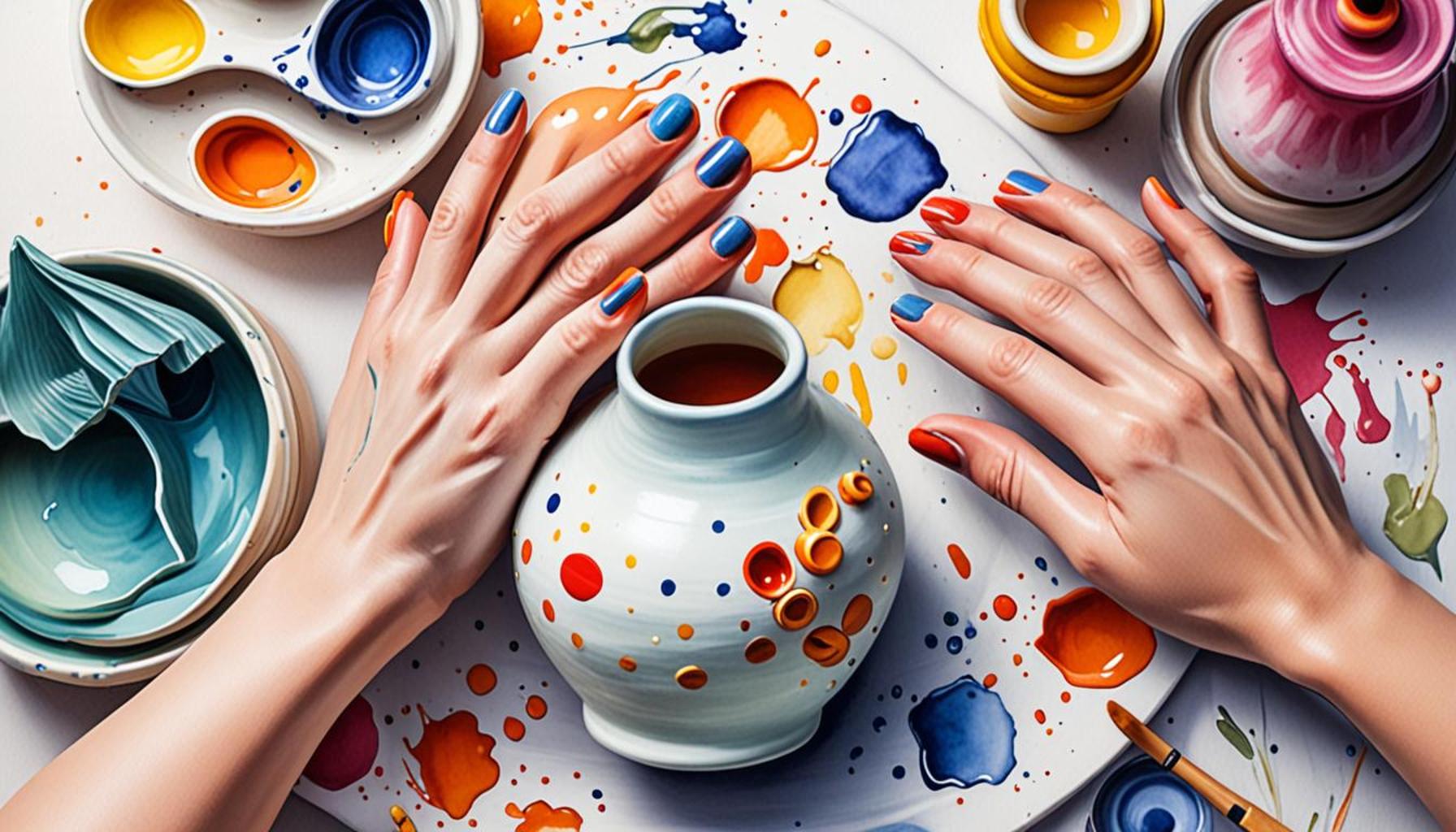
The Intersection of Material and Mind in Artistic Creation
Artistic expression has long been regarded as a bridge connecting the inner world of thoughts and the outer realm of creativity. In the realms of ceramics and sculpture, this connection is particularly profound. Here, the hands become an extension of the mind, transforming raw materials into evocative forms that tell stories and evoke emotions.
Consider the unique characteristics of these art forms:
- Ceramics: This medium encompasses everything from functional pottery to intricate art pieces. The craft of ceramics not only requires meticulous handwork but also a deep understanding of various materials, glazes, and firing techniques. A seasoned ceramicist might experiment with high-fire stoneware for its durability, or low-fire earthenware for its vibrant colors and textures. Renowned American potter Paul Soldner is known for pioneering the use of atmospheric firing techniques, resulting in one-of-a-kind finishes that celebrate the unpredictability of nature.
- Sculpture: Whether carved from stone, cast in bronze, or molded from clay, sculpture embodies three-dimensional expression. It invites viewers to engage with the artwork from multiple angles, creating a dynamic interaction that two-dimensional art cannot achieve. Take the work of contemporary sculptor Richard Serra, whose large-scale installations force the viewer to navigate the space and consider the relationship between the artwork and its environment.
Both disciplines require tactile engagement, where artists harness their physical abilities to translate emotions and intellect into tangible forms. The sensory experience of molding clay or chiseling stone is not just about the final product; it involves a meditative process that fosters mindfulness, allowing artists to immerse themselves fully in the moment.
Through the act of shaping, adding, and refining, practitioners engage in a profound dialogue with their materials. This interaction raises intriguing questions about:
- The role of mindfulness in creativity: Engaging with materials can serve as a meditative practice, helping artists to focus their thoughts and clear their minds.
- The significance of technique and skill development: Mastery of techniques such as glazing in ceramics or lost-wax casting in sculpture reveals the artist’s personal voice and vision.
- The impact of cultural influences on artistic expression: Artistic traditions vary widely across cultures. For instance, Indigenous pottery in the Southwestern United States features rich storytelling techniques that connect to the land and heritage, providing insight into the cultural narrative.
As we delve deeper into the interplay between hands and mind, the transformative power of ceramics and sculpture becomes increasingly apparent. These art forms not only serve as channels for personal expression but also function as a reflection of societal values and historical contexts. Join us in uncovering how these mediums illuminate the essence of human creativity and offer a unique lens through which to view the world.
DISCOVER: Click here to learn about the mental health benefits of gardening</p
The Artisan’s Journey: From Idea to Form
At the heart of both ceramics and sculpture lies a shared journey of transformation. This journey begins with a spark of inspiration, often born from a moment of observation or a deeply felt emotion. As artists, they play the roles of both dreamers and doers, marrying their mental visions with the tactile realities of their chosen medium. This intricate dance not only symbolizes the connection between hands and mind but enriches the creative process.
In ceramics, the initial step may involve sketching designs or envisioning a final piece. However, the true magic unfolds when an artist’s hands plunge into the cool, pliable clay. As they shape the material, there exists an almost symbiotic relationship—fine motor skills are tested, and artistic instincts are challenged, leading to a deeper understanding of the medium. This connection can be enhanced through a variety of techniques that bring vision to life:
- Wheel-Throwing: A foundational technique, wheel-throwing requires precision and skill as the artist spins a lump of clay on the potter’s wheel, rapidly forming vessels that possess both beauty and functionality. The rhythmic motion involved becomes a dance between hands and wheel, cultivating a meditative state.
- Hand-Building: For those who prefer a more organic approach, hand-building techniques like coiling or pinching enable artists to create unique forms through direct manipulation. This method emphasizes the connection to the craft, allowing each piece to retain the signature marks of the artist’s touch.
- Glazing and Firing: The finishing process in ceramics is where technique meets alchemy. Understanding the chemical reactions that occur during firing can elevate a simple form into a profound expression of color and texture. Renowned ceramicist Peter Voulkos successfully fused functional pottery with abstract expressionism, illustrating the impact of glazing techniques on perception.
Turning to sculpture, artists often engage in a diverse array of methods, each contributing to the depth of their creative expression. Whether working with soft clay, stone, or metal, the chosen materials inspire distinctive techniques:
- Carving: This subtractive method, commonly utilized in stone sculpture, invites the artist to reveal forms hidden within the material. The precise removal of material not only requires physical strength but also a deep mental focus as each cut determines the outcome of the piece.
- Molding: In contrast, molding allows for the team building of forms using various materials, such as plaster or resin. This technique opens up endless possibilities for experimentation, enabling artists to push the boundaries of their imagination.
- Assemblage: Modern sculptors often utilize assemblage, where disparate objects are combined to create a cohesive work. This approach reflects contemporary artistic practices, highlighting the complex dialogues between consumerism, identity, and creation.
As they explore these various techniques, artists continually engage their minds and hands in a fluid interplay, cultivating a unique style that echoes their philosophies and emotions. Each piece produced is not merely an object but rather a physical manifestation of an artist’s journey—a testament to the profound connection between hands and mind in the realms of ceramics and sculpture.
The interplay between ceramics and sculpture serves as a profound testimony to the connection between the artist’s hands and mind. The act of molding clay, carving stone, or assembling materials necessitates a harmonious relationship between physical dexterity and cognitive thought. As artists engage their hands in the tactile manipulation of their mediums, they transform abstract concepts into three-dimensional forms. This process not only showcases their technical skills but also reflects the artist’s emotional and intellectual engagement with their work.
Moreover, the physicality of the artistic process enables a unique form of meditation. The repetitive motions involved in creating ceramics or shaping a sculpture allow artists to enter a state of flow, where thinking and doing seamlessly align. This can often lead to moments of unexpected inspiration, where the mind sparks new ideas through the tactile feedback of their hands. With each touch, shaping becomes a dialogue between consciousness and material, resulting in pieces that convey a narrative deeper than mere aesthetics. Artists often report feeling liberated, as their hands bring forth visions that the mind alone could not articulate.
In educational settings, hands-on experiences with ceramics and sculpture tools not only develop fine motor skills but also foster critical thinking and problem-solving abilities. When students engage in this form of artistic expression, they learn to see and interpret the world around them from multiple perspectives. This multifaceted approach encourages a deeper understanding of cultural narratives and personal stories, enriching their overall artistic journey.
As we delve deeper into the realm of ceramics and sculpture, we uncover layers of meaning intertwined with imagination and skill. The tangible results speak not just of craftsmanship but also of the rich tapestry of human experience, emotions, and thought involved in the artistic process. Each piece becomes a bridge connecting the artist’s internal world with the external one, inviting viewers to engage with the artwork on a personal level.
| Advantage | Description |
|---|---|
| Hands-on Engagement | Creating art encourages tactile exploration, enhancing the mind-hand connection. |
| Emotional Expression | Articulates inner feelings through the physical act of sculpting or shaping. |
As artists pursue their creative journeys, the connection between their hands and minds continues to evolve, fostering a deeper appreciation for the artistic process and its capacity to communicate the nuances of human experience.
DIVE DEEPER: Click here to discover how music can change your life
Expanding Horizons: Cultural Influences and Innovations
The world of ceramics and sculpture is profoundly shaped by cultural influences and innovations that enhance the artist’s ability to convey their thoughts and emotions. From ancient civilizations to modern trends, diverse traditions contribute to the artistic landscape, allowing for a rich tapestry of expressions. For ceramicists and sculptors in the United States, these influences can be seen in how historical narratives and contemporary movements converge, providing a platform for dialogue through their work.
Throughout history, distinct cultures have left their mark on the realms of ceramics and sculpture. The techniques of the Japanese tea ceremony and the emphasis on minimalism in Japanese ceramics profoundly contrast with the bold colors and intricate patterns found in Native American pottery. This intersection of styles not only broadens an artist’s palate but fuels an ongoing exploration of identity. For instance, Shelley DeNeef, a ceramic artist based in California, draws inspiration from both Asian aesthetics and indigenous practices, merging them uniquely in her work while reflecting her personal journey.
Moreover, the modern era has sparked a myriad of innovations, particularly with the integration of technology in ceramics and sculpture. Artists are now utilizing computer-aided design (CAD) software to create intricate sculptures that would be impossible to achieve through traditional methods alone. 3D printing, for instance, has revolutionized the way sculptors conceptualize and produce their pieces. By beginning with a digital model, artists can manipulate forms and test their ideas before committing to physical materials, leading to works that push the boundaries of creativity.
This melding of technology and traditional handcrafting techniques highlights the ongoing evolution of the artist’s journey. Many artists now embrace a hybrid approach that combines the tactile nature of working with clay or stone while also utilizing technological aids to refine their concepts further. The renowned artist Ernesto Neto, known for his organic, interwoven sculptures, exemplifies this trend by exploring the relationship between viewer and art through immersive environments that encourage interaction. His works remind us that the conversation between hands and mind is not just about creation but also about the viewer’s interpretation and connection to the piece.
The prevalence of public art installations has also transformed the connection between communities and sculptural works. Artists like Mary Miss leverage site-specific installations to address social issues and environmental concerns, prompting dialogues within public spheres. These large-scale projects not only embody their creator’s vision but also enable the audience to engage directly with the concepts, fostering a deeper understanding of the material through physical interaction.
Furthermore, ceramics, often perceived as functional art, is finding a new voice in contemporary settings. Artists are challenging the idea of utility, creating installations that blur the lines between traditional crafts and high art. Gina Adams, for example, uses her ceramic sculptures to address themes of colonialism and Indigenous storytelling, urging us to reconsider our perceptions of function and beauty in art.
As artists continue to explore cultural influences, technological advancements, and the intricacies of public engagement, the connection between hands and mind becomes ever more complex and layered. Each piece created serves as a reflection of not just the artist but also the society that engages with the art, art remaining a crucial medium for expressing the myriad facets of the human experience.
DISCOVER MORE: Click here to uncover the therapeutic benefits of DIY craft-making
Conclusion: The Art of Connection
The intricate relationship between ceramics and sculpture is a testament to the profound depth of human expression, showcasing how the connection between hands and mind can create art that resonates across cultures and eras. As we’ve explored, this art form is not merely a static representation; it evolves, influenced by historical movements, technological advancements, and personal narratives. Each piece stands as a dialogue—a harmonious blend of tactile experience and cognitive engagement that invites viewers to contemplate their own interpretations.
As contemporary artists navigate this landscape, they continue to challenge preconceived notions of ceramics as solely functional or sculpture as merely aesthetic. By embracing a hybrid methodology that merges traditional techniques with digital innovations like 3D printing, artists are redefining the boundaries of creativity and encouraging us to reconsider our understanding of art itself. This evolution propels a deeper inquiry into themes that are relevant on both personal and societal levels, such as identity, colonialism, and community.
Public installations and interactive artworks further emphasize the importance of collective experiences, demonstrating how art can foster dialogue about pressing social issues. Artists like Mary Miss and Gina Adams remind us that sculptures can serve as powerful tools for social commentary, reflecting the complexities and challenges of our time.
In conclusion, the world of ceramics and sculpture not only bridges the divide between hands and mind, but also embodies a pivotal role in shaping our collective consciousness. The artistry we encounter today serves as an invitation to engage, reflect, and reconsider what it means to create and connect in an ever-evolving artistic landscape. As we continue to explore these dynamic mediums, we uncover the vast potential they hold for expressing the diverse narratives of the human experience.
Related posts:
The Importance of Graffiti as a Form of Protest and Cultural Expression
The Evolution of Artistic Expression through Creative Hobbies
The Writing of Journals as a Tool for Self-Discovery and Personal Expression
The Influence of Dance on Self-Esteem and Personal Creativity
The Art of Cooking: How Cooking Becomes a Form of Creative Expression
How Painting and Drawing Help in Emotional Expression

Linda Carter is a writer and creative hobbies expert specializing in crafting, DIY projects, and artistic exploration. With extensive experience helping individuals discover their creative potential and bring their ideas to life, Linda shares her knowledge on our platform. Her goal is to empower readers with practical tips, inspiring ideas, and step-by-step strategies for success in the world of creative hobbies.