Craft Making as a Tool for Social Inclusion: Promoting Diversity and Accessibility in the Arts
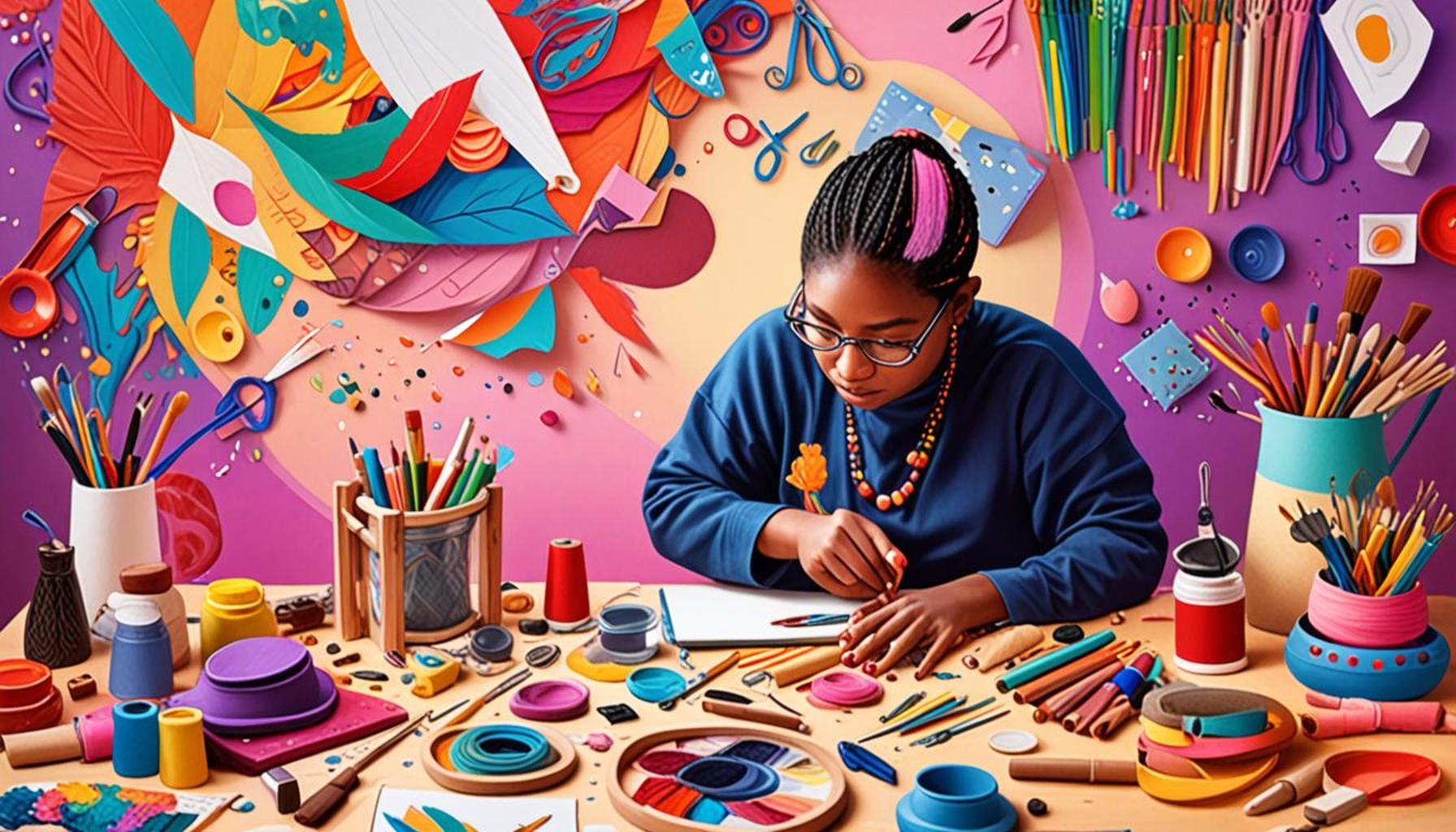
Crafting Connections: How Art Speaks to All
In a world increasingly focused on inclusivity, the role of craft making in promoting diversity and accessibility in the arts cannot be overstated. Crafting is not merely a form of expression; it is a powerful tool that fosters community and connection among diverse groups. Whether through pottery, textile work, or woodcraft, individuals engage in a shared experience that transcends language and background.
The beauty of craft making lies in its ability to connect individuals from various sectors of society. For example, community pottery classes in cities like Philadelphia often draw participants from different neighborhoods, allowing individuals of varying ages, races, and economic backgrounds to bond over a shared creative endeavor. Participants not only learn the technical skills of shaping clay but also forge friendships, paving the way for deeper understanding and respect for each other’s stories.
Some compelling benefits of using craft making for social inclusion include:
- Empowerment: Crafting allows participants to gain confidence and a sense of ownership over their creations. For instance, in Chicago, programs targeting at-risk youth have seen transformative results, as teens who engage in textile art find their voices and express their stories through fabric and thread.
- Social Cohesion: Crafting brings together people from various walks of life, enhancing understanding and mutual respect. Artisans working in local co-ops, such as those in New Mexico, create not just art but networks of support that foster community resilience.
- Skill Development: Learning to create art can lead to professional opportunities, particularly for marginalized individuals. Programs that teach woodcraft skills in Detroit have empowered disenfranchised communities by equipping them with the tools needed for entrepreneurship.
Across the United States, community initiatives and arts programs are harnessing the transformative power of craft to reach underrepresented populations. From local workshops to city-wide craft fairs, these initiatives aim to create environments where everyone feels welcome. The question arises: how can craft making be further leveraged to embrace our country’s rich tapestry of cultures?
One notable example is the resurgence of traditional crafts among immigrant populations. These individuals often bring distinct techniques and styles from their home countries, enriching the local arts scene. In cities like New York, cultural festivals showcase the crafts of various communities, allowing for exchanges that celebrate heritage while teaching broader audiences about the artistry involved.

This article explores the intricate relationship between craft making and social inclusion, shedding light on successful initiatives and inspiring stories. Join us as we dive deeper into the world where art meets accessibility, revealing paths to a more inclusive artistic landscape. The potential for craft and community to intertwine is vast and unbounded; as we unravel these narratives, we invite you to explore how crafting connections can lead to a richer, more diverse artistic community.
DIVE DEEPER: Click here to discover the mental health benefits of gardening
The Impact of Craft Making on Communities
At a time when societal divisions seem to be widening, craft making emerges as a beacon of hope, uniting individuals through shared experiences. Participation in craft programs has shown to mitigate cultural barriers, fostering interactions that can lead to greater social awareness and community bond. As more organizations recognize the benefits of craft as a medium for social inclusion, they are implementing diverse approaches that cater to varied demographic needs.
One of the most significant outcomes of these community-driven initiatives is the cultivation of emotional wellness among participants. Crafting has been shown to alleviate stress and anxiety, providing individuals with a sense of purpose and belonging. For instance, therapeutic craft workshops often target mental health issues, offering a safe space where participants can express their emotions through creativity. Studies have indicated that engaging in these activities enhances participants’ mental well-being, proving that art can indeed be a powerful form of therapy.
Moreover, the accessibility of craft making makes it an ideal medium for inclusion on multiple levels. Local organizations across the United States have taken significant steps to eliminate barriers to participation. Consider the following initiatives:
- Adaptive Workshops: Programs that provide tools and materials designed for individuals with disabilities ensure that everyone can participate actively. In California, a pottery studio has implemented wheelchair-accessible workspaces, allowing individuals with mobility challenges to create alongside their peers.
- Low-Cost Classes: Many community centers offer free or low-cost classes to ensure that economic status does not hinder access to the arts. In Atlanta, for example, local non-profits provide scholarships for underprivileged youth, enabling them to explore craft making without financial burdens.
- Cultural Programming: By incorporating culturally significant crafts into their curricula, programs are emphasizing the importance of heritage. Organizations in Minnesota, for instance, collaborate with Native American artisans to teach traditional techniques that resonate with diverse community members.
This commitment to diversity and accessibility in craft making creates myriad opportunities for individuals to connect, learn, and grow. Because crafting often occurs in group settings, participants are more likely to engage with others who have different perspectives and backgrounds. These interactions facilitate a deeper appreciation for each culture’s unique contributions to the artistic landscape.
As we delve deeper into the transformative power of craft making, it’s essential to recognize how these endeavors serve as more than just an artistic outlet. They have the potential to reshape communities, fostering understanding and forging connections that bridge divides. The next wave of social change is here, and it’s being crafted by hands eager to create a more unified world.
| Advantage | Impact |
|---|---|
| Enhanced Community Engagement | Craft making workshops can serve as vibrant community meet-up points, facilitating interactions among diverse groups. |
| Skill Development | Participants gain valuable skills in crafting that can boost self-esteem and create job opportunities, further promoting accessibility. |
The realm of craft making serves not only as an avenue of artistic expression but also as a means of fostering social inclusion. Workshops dedicated to various crafts can cultivate an atmosphere ripe for enhanced community engagement. They often become spontaneous hubs where individuals from different backgrounds come together, share stories, and form lasting connections. The resulting interactions can empower participants to feel a sense of belonging and ownership, crucial for marginalized voices often overlooked in mainstream culture. Moreover, involvement in crafting can facilitate profound skill development, providing individuals with practical skills transferable to numerous job markets. As participants hone their crafting abilities, they simultaneously bolster their self-esteem and open doors to potential employment opportunities. Such initiatives emphasize the importance of diversity and accessibility in the arts, ensuring that creative avenues are available and welcoming to all, regardless of background. Exploring these workshops isn’t just about crafting; it’s about crafting a more inclusive future.
DISCOVER: Click here to uncover the mental health benefits of gardening
Transformational Stories: Craft Making in Action
Certainly, the community initiatives highlighting craft making are more than just programs; they are lifelines for social inclusion. Across the United States, numerous programs are emerging that utilize the art of craft making as a vehicle to bring together individuals from all walks of life. These initiatives often tell powerful stories of transformation, bridging gaps and fostering a deep sense of belonging.
One remarkable example is Art from the Heart, a New York City-based organization that combines craft making with support for homeless individuals. Through intricate sewing and textile projects, participants receive training that not only enhances their technical skills but also empowers them to share their narratives through art. This allows for a deeper dialogue about homelessness and opens avenues for community members to understand the complexities surrounding this social issue.
Additionally, the Crafting Inclusive Spaces project in Chicago showcases how inclusive designs and engaging workshops collaborate to create diverse arts experiences. They focus on integrating craft practices that honor the voices of marginalized groups. Participants of this project often report a renewed sense of identity as they contribute to the community fabric through workshops that celebrate their unique backgrounds through various crafts, such as basket weaving and beading, which have roots in different cultural traditions.
Moreover, the National Crafting Council highlights the importance of partnerships between local businesses and art organizations in facilitating craft-based inclusion. By sponsoring events that take place in retail environments, such as craft fairs and pop-up workshops, they create accessible platforms that encourage community interaction. These events not only support local artisans but also attract diverse audiences, showcasing handmade crafts that tell unique stories and share heritage, ultimately integrating culture within the community.
In the context of youth development, programs like Crafts for Change focus on empowering young individuals through skill-building workshops. These initiatives help develop work ethics and promote healthy teamwork dynamics while also encouraging self-expression. When adolescents engage in joint craft projects, they learn valuable life skills, such as communication and collaboration, which are essential for their futures, fostering community solidarity.
Statistical data from studies indicates that participation in craft making leads to enhanced social networks, resulting in more cohesive communities. Research conducted by the American Craft Council notes that 45% of craft participants reported an increase in social connections after joining a community craft group. This attests to the profound impact craft making has on creating lasting human connections and enhancing collective well-being.
The implications of these programs extend beyond the immediate benefits of personal satisfaction and enhanced emotional health. Craft making serves as a catalyst for expansive conversations about inequality and the challenges faced by various demographic groups. By fostering an environment where diverse backgrounds can converge, these initiatives continue to promote a more integrated and inclusive society.
As craft making evolves into a vital tool for social inclusion, it encourages us to rethink our notions of community, creativity, and belonging. Each stitch, stroke, and sculpture carves new paths for understanding, interactions, and friendships that transcend societal barriers, making the case for art as an essential framework for nurturing social equity.
DISCOVER MORE: Click here to learn about art therapy and its benefits
Conclusion: Crafting a Future of Inclusion and Diversity
In conclusion, the exploration of craft making as a tool for social inclusion reveals its profound potential to promote diversity and accessibility within the arts. Through various initiatives highlighted in this article, it becomes evident that craft making transcends mere artistic expression, evolving into a robust medium for community engagement and cultural exchange. Whether it is through organizations like Art from the Heart or projects such as Crafting Inclusive Spaces, the ability of crafts to challenge societal perceptions and offer a platform for marginalized voices is irrefutable.
The stories of transformation shared reflect not only the personal victories of individuals but also the collective strength of communities coming together. Statistics that indicate enhanced social networks among craft participants reinforce the notion that art can serve as a bridge, connecting diverse populations and fostering a sense of belonging. As we see more partnerships forming between local businesses and artistic organizations, we witness the creation of accessible environments that welcome varied audiences to experience the richness of handmade crafts.
Furthermore, the focus on youth development through programs like Crafts for Change emphasizes the potential of craft making to instill life skills in the next generation, preparing them for cooperative and constructive engagement in society. Looking forward, it is essential to continue championing these initiatives, as they lay the groundwork for a future rooted in inclusivity and understanding.
Ultimately, as we embrace the transformative power of craft making, we are invited to rethink our roles within our communities. Engaging in craft activities not only enriches individual lives but also cultivates a collective narrative that celebrates diversity and nurtures social equity. Through the lens of creativity, the possibilities for connection, dialogue, and collaboration are endless, pointing towards a more harmonious and inclusive society.
Related posts:
The Intersection of Craft Making and Ecology: Ecological Practices for Sustainable Craftsmanship
Integrating Technology into Craft Making: Digital Tools for Modern Artisans
Emerging Trends in Craft Making: New Techniques and Materials that are Changing the Game
Unlocking Mental Health Therapeutic Benefits of DIY Craft Making
Sustainability in Craft Making: How to Create Crafts with Recycled Materials
Craft Making and Community: How Workshops and Gatherings Foster Social Connections

Linda Carter is a writer and creative hobbies expert specializing in crafting, DIY projects, and artistic exploration. With extensive experience helping individuals discover their creative potential and bring their ideas to life, Linda shares her knowledge on our platform. Her goal is to empower readers with practical tips, inspiring ideas, and step-by-step strategies for success in the world of creative hobbies.