Exploring the Diversity of Music Genres: How to Find the Style That Resonates with You
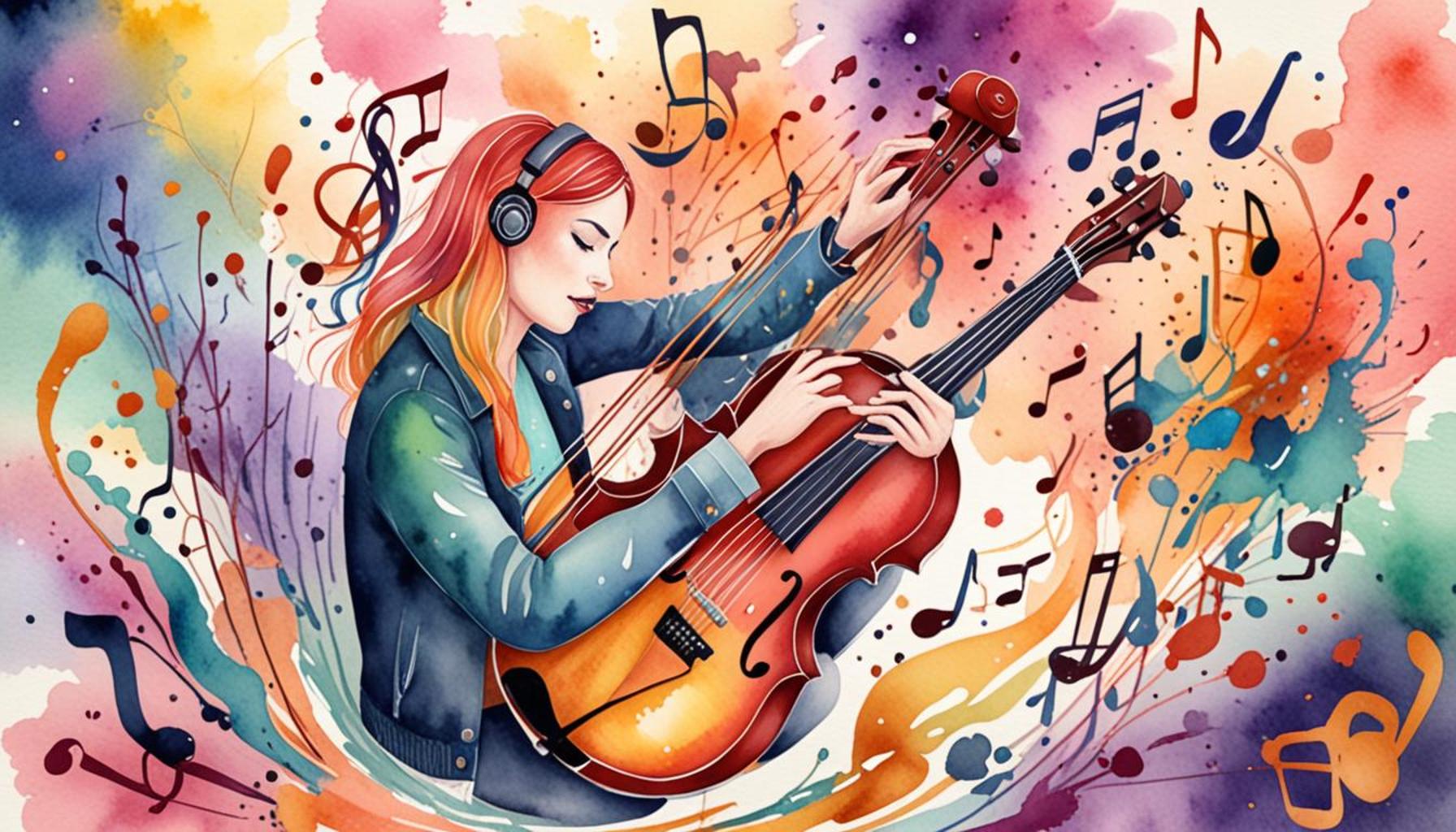
Diving Deeper into the World of Music
The realm of music is an expansive universe, pulsating with myriad genres, each serving as an emotional gateway to different cultures, histories, and lifestyles. It’s not just about the sound; it’s about the stories woven into the rhythms and melodies that accompany us through life’s moments. Whether you’re feeling nostalgic or in the mood to dance, there’s a genre designed to resonate with your current emotional state.
Thanks to the evolution of technology, particularly streaming platforms, accessing and exploring various genres has never been easier. You can sample tracks from around the globe, delve into the roots of each style, and connect with artists directly through social media. Here are some key genres worth exploring:
- Rock: Characterized by its powerful guitar riffs and dynamic vocals, rock music has been an influential genre since the 1950s. From the rebellious spirit of bands like The Beatles and Led Zeppelin to the grunge movement spearheaded by Nirvana, rock has continually evolved, giving rise to countless sub-genres ranging from punk to alternative rock.
- Jazz: This genre is an embodiment of creative freedom, emphasizing improvisation and complex harmonies. Artists like Louis Armstrong and Miles Davis transformed jazz into a rich cultural movement, blending elements of blues and ragtime. The genre continues to thrive today with modern interpretations, including jazz fusion and smooth jazz.
- Hip-Hop: Emerging from the streets of the Bronx in the 1970s, hip-hop has evolved into a global phenomenon that combines rhythmic spoken word with beats. Iconic figures like Tupac Shakur and Jay-Z have shaped this genre, addressing topics from social justice to personal experiences. The growth of sub-genres like trap music has further diversified its sound.
- Country: With roots in folk traditions, country music often tells stories of love, hardship, and everyday life. Artists like Johnny Cash and Dolly Parton have established a narrative richness that provides insight into the American experience, while contemporary stars like Kacey Musgraves and Chris Stapleton keep the genre relevant by infusing modern themes into traditional sounds.
- Electronic: This genre emphasizes synthesized sounds and digital production techniques, influencing everything from pop music to club culture. With the rise of artists like Calvin Harris and Skrillex, electronic music has become synonymous with high-energy settings, merging genres like house, techno, and dubstep.
Each of these genres not only reflects unique cultural backgrounds but also evokes various emotional responses and connections. Understanding what makes each style distinctive can enable you to navigate this vibrant musical landscape more effectively.
Your musical journey is an exploration of identity, and the quest to discover which sounds resonate with you personally can be both exciting and enlightening. Are you drawn to the soulfulness of jazz, the storytelling of country, or the energy of hip-hop? By diving deeper into the eclectic world of music genres, you’ll uncover not just sounds, but stories and communities that can enrich your life.
Embrace the diversity of music, and let it inspire you as you uncover your unique sound. Whether you’re a listener or an aspiring musician, the world of music invites you to experiment, express, and explore in your quest for discovery.
DISCOVER MORE: Click here to uncover how music can change your life
Understanding Music Genres: A Journey of Discovery
As you embark on this journey into the rich tapestry of music genres, it’s essential to appreciate how each style offers a unique lens through which to view the world. Music serves as a mirror for society, reflecting both cultural heritage and contemporary issues. To identify the genres that resonate with you, it’s beneficial to explore the foundational elements that distinguish each style. The diversity of music genres encompasses a wide range of influences, rhythms, and storytelling techniques, each crafted to evoke specific emotions and experiences.
To begin your exploration, consider the following aspects that define various music genres:
- Cultural Influence: Every genre is steeped in cultural background, often emerging from specific regions or communities. For example, reggae, which originated in Jamaica, addresses themes of resistance and social justice, often accompanied by a laid-back rhythm that encourages reflection and relaxation. Recognizing these roots can enhance your appreciation for the music you discover.
- Instrumentation: The tools of the trade vary widely across genres. In country music, you might hear the sweet twang of a steel guitar, while electronic music heavily relies on synthesizers and digital samples. Familiarizing yourself with the different instruments used in various styles can provide deeper insight into how they produce unique sounds.
- Lyricism: The power of storytelling in music cannot be overstated. Genres like folk and country excel in narrating relatable life experiences, whereas genres like hip-hop often delve into personal and societal struggles, employing clever wordplay. Listening closely to the lyrics can enhance your enjoyment and connection to the music.
- Rhythm and Tempo: Different genres evoke distinct emotional responses through their rhythmic structures and tempos. For instance, the upbeat rhythm of dance music aims to energize and engage listeners physically, while the slower tempo of classic blues may evoke contemplative moods. Pay attention to how rhythm makes you feel, as it is often a key component in identifying your preferences.
By immersing yourself in the characteristics of these diverse genres, you can begin to pinpoint the styles that resonate with your tastes. Consider creating playlists that explore artists from various genres, or attend live performances that feature a mix of styles. Each experience presents an opportunity for personal reflection, helping you navigate your musical identity.
As you delve deeper into the world of music, remember that your preferences may evolve. It’s a fluid process, shaped by your experiences and emotions, and as such, mapping your musical journey allows for growth and discovery. Whether you find solace in the intricate improvisations of jazz or the energetic beats of electronic music, each genre offers a unique connection to the broader narrative of human experience.
Exploring Unique Music Genres
As we delve deeper into the vibrant world of music genres, it becomes clear that each style possesses its own unique qualities. From the rhythmic beats of hip-hop to the melodic structures of classical, understanding these distinctions can enhance your listening experience. Let’s take a closer look at some popular genres, what sets them apart, and how they might resonate with different audiences.
| Genre | Key Characteristics |
|---|---|
| Jazz | Improvisation, swing, blue notes |
| Rock | Guitar-driven sound, heavy drumming, anthemic lyrics |
| Pop | Catchy melodies, repetitive structures, broad appeal |
| Electronic | Synthesized sounds, beats, and various sub-genres |
Each genre not only serves as a soundtrack to our lives but also reflects cultural movements and personal connections. Exploring music genres can be akin to embarking on a journey, where each note and rhythm opens new pathways to emotional resonance. Understanding the nuances of these styles allows you to discover which genre speaks to you the most, aiding in the exploration of your personal musical identity.
Moreover, platforms like music streaming services often curate playlists that can introduce you to new genres, further amplifying your exploration. Creating an awareness of the diversity in music genres can lead to a deeper appreciation of the art form, enriching your experience and potentially introducing you to sounds that align with your individuality.
DISCOVER MORE: Click here to delve into the evolution of culinary techniques
Diving Deeper: The Intersection of Emotion, Experience, and Music
As you navigate the diverse landscape of music genres, it’s crucial to reflect on how individual experiences and emotions shape your musical preferences. Music is not just a collection of sounds; it is a powerful form of expression that can articulate feelings that words often cannot. In this exploration, you will discover how different genres resonate emotionally, providing outlets for joy, sorrow, and everything in between.
Emotional Resonance: Each genre has its own unique way of evoking emotions. For example, the raw, soulful sound of gospel music often elicits feelings of hope and resilience, arising from its deep roots in African American cultural traditions. On the other hand, genres like heavy metal can channel feelings of aggression and empowerment, often addressing themes of overcoming adversity. Consider reflecting on how particular pieces of music make you feel, as this can be a powerful indicator of what genres truly resonate with you.
Personal Associations: The music we listen to is often tied to significant moments in our lives, and these associations can heavily influence our preferences. A buoyant pop song might remind you of carefree summer days, while a poignant indie ballad may resonate with a moment of heartbreak. Explore playlists that evoke nostalgia or create new connections by tracking the music you gravitate towards during different life stages. Documenting your experiences with music can help clarify which genres truly resonate with your personal narrative.
Community and Connection: Music genres can also provide a sense of belonging. Communities often form around specific styles, such as the bluegrass scene in the American South or the thriving hip-hop culture in urban centers. Attending local shows, festivals, or community events centered around specific genres can immerse you in these cultures, expanding your understanding and appreciation. These environments often foster connections with others who share similar tastes, enhancing the emotional experience through a sense of community. Seek out music festivals that showcase eclectic lineups to experience multiple genres and meet fellow enthusiasts who can introduce you to music that resonates with you.
Exploration Beyond the Mainstream: While popular music tends to dominate the airwaves, countless underground and independent artists bring diverse sounds to the forefront. Genres such as alternative rock, dream pop, and world music offer unique perspectives and innovative combinations that can be refreshing departures from mainstream commercial offerings. Platforms like Bandcamp, SoundCloud, and Spotify can serve as treasure troves for discovering lesser-known artists who push the boundaries of traditional genres. Don’t hesitate to explore curated playlists that highlight indie talent, or engage with social media communities dedicated to niche genres.
As you continue your musical journey, allow yourself the freedom to explore different genres and reflect on their impact. The intersection of emotion, experience, and cultural significance not only enhances your appreciation for music but also roles in shaping your identity. Keep an open mind and embrace the myriad sounds available, as each genre offers a distinct narrative waiting to be discovered.
DISCOVER MORE: Click here to unlock the therapeutic benefits of DIY craft making
Conclusion: Your Musical Journey Awaits
As we’ve delved into the vast tapestry of music genres, it becomes clear that the journey to find a style that resonates with you is both personal and enriching. Each genre tells its own story, steeped in cultural heritage and emotional depth, allowing you to explore not just sound but also identity. From the lively beats of reggae to the intricate melodies of classical, the sheer variety ensures that there is a niche for everyone.
Your exploration should not only focus on mainstream hits but also embrace the hidden gems found in indie music and underground scenes. These lesser-known genres can offer unique musical experiences that are often overlooked but can speak volumes to your soul. Your personal associations with music will guide you in discovering styles that reflect your emotional landscape—be it through the comfort of a jazz standard after a long day or the invigorating energy of punk when seeking motivation.
Moreover, don’t underestimate the power of community. Engaging with local music scenes and collective experiences can deepen your connections and expand your musical horizons. Attend concerts, join online forums, or participate in social media discussions to gain insights from fellow enthusiasts. Remember, the quest for the perfect genre is a journey, not a destination. It’s about the connections you make and the stories that unfold through each note. So turn up the volume, keep an open heart, and allow the music to guide you to the sounds that truly resonate with your spirit.
Related posts:
Exploring Diverse Musical Styles A Personal Musical Hobby Journey
How to Find Your Voice: Techniques for Beginners in Singing and Songwriting
Exploring Musical Improvisation: A Path to Personal Expression
Music and Technology: Digital Tools that Facilitate Learning and Musical Practice
Exploring the Connection Between Music and Mental Health: Benefits of Musical Practice as a Hobby
The journey of the self-taught: how to become a musician without formal lessons

Linda Carter is a writer and creative hobbies expert specializing in crafting, DIY projects, and artistic exploration. With extensive experience helping individuals discover their creative potential and bring their ideas to life, Linda shares her knowledge on our platform. Her goal is to empower readers with practical tips, inspiring ideas, and step-by-step strategies for success in the world of creative hobbies.