Gardening for Bird Attraction: Creating a Refuge for Birds in Your Garden
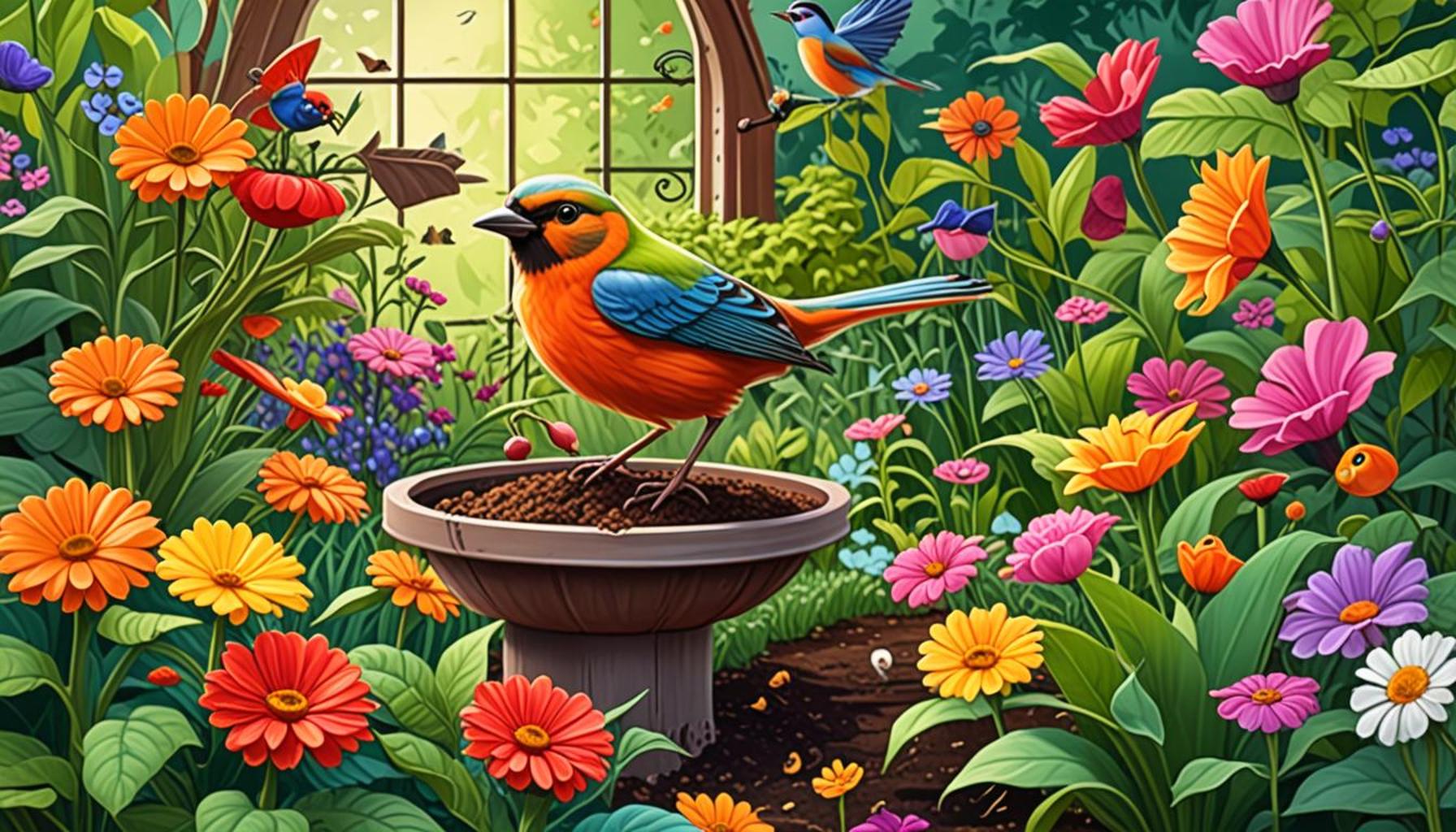
Transforming Your Garden into a Bird Paradise
Imagine stepping into your garden, greeted by the cheerful chirping of various birds. A well-planned garden can serve as a sanctuary for birds, providing them with essential resources and a safe habitat. This transformation not only enhances the aesthetic and tranquility of your outdoor space but also plays a crucial role in supporting local ecosystems.
Creating a bird-friendly garden isn’t just rewarding; it also contributes to local biodiversity. In fact, birds are vital for pollination and seed dispersal, making them important allies in maintaining plant health. Here’s how you can make your garden a preferred destination for our feathered friends:
- Plant native species: Native plants are adapted to local conditions and provide food and shelter that birds rely on for survival. For example, planting a mix of Eastern Redbuds or Black-Eyed Susans can attract species like finches and sparrows. These plants not only draw birds but also require less maintenance and water, reducing your gardening efforts while promoting an eco-friendly garden.
- Add water features: Installing a bird bath or a small pond can entice birds looking for hydration and a place to bathe. The sound of water can also attract birds from across the neighborhood. Ensure that the water is shallow enough to prevent drowning and refresh it regularly to keep it clean. For added interest, consider incorporating natural elements like rocks or floating plants that provide perches and shade.
- Provide nesting opportunities: To create a hospitable environment, consider installing birdhouses or leaving brush piles as shelter during nesting season. Different bird species prefer different nesting styles; for example, bluebirds favor open spaces, while wrens like it dense and protected. Consider making or buying houses that cater specifically to the local birds in your area, ensuring they have a safe haven to breed.
With simple steps, you can support bird conservation while enhancing your garden’s beauty. Not only do these practices promote biodiversity, but they also enhance your outdoor experience, allowing you to observe and connect with nature. Keep in mind that creating a bird paradise requires patience as it can take time for birds to find and adapt to new habitats.
Dive deeper into the world of gardening for birds and discover how your green space can become a vital refuge for them. For example, by implementing the optimal plant choices and ensuring a steady food and water supply, you’ll create an inviting atmosphere. Additionally, consider the timing of your planting; spring is typically the best time to sow seeds in U.S. regions as it aligns with birds returning for breeding.
In conclusion, taking these steps not only assists in avian conservation but also allows you to foster a deeper appreciation for the natural world right in your backyard. As you see birds flitting from tree to feeder, you’ll understand the crucial link between your gardening efforts and the health of our local ecosystems. The joy of birdwatching can be as fulfilling as the gardening itself, creating a beautiful synergy that benefits both you and the wildlife.
DISCOVER MORE: Click here to learn about sustainable gardening techniques
The Key Elements of a Bird-Friendly Garden
To truly transform your garden into a sanctuary for birds, it is essential to incorporate several key elements that will cater to their needs. These elements not only entice diverse species but also create a balanced ecosystem that benefits all wildlife. Below are some critical components to consider as you embark on this rewarding journey of gardening for bird attraction:
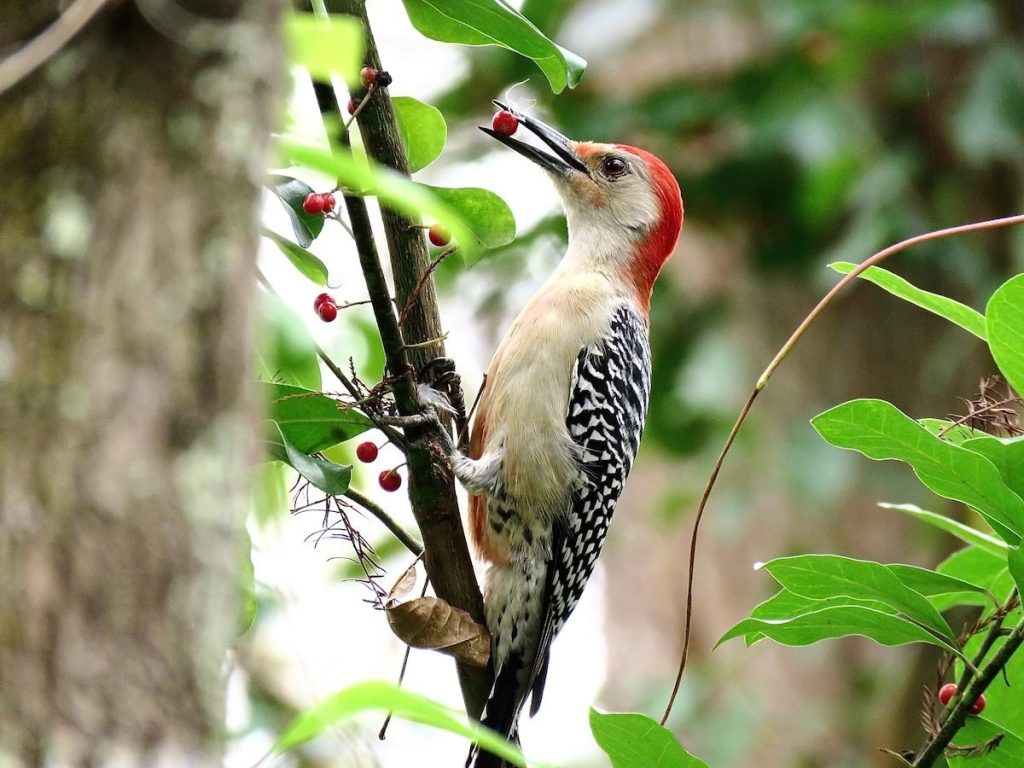
- Food Sources: Providing a variety of food options is crucial for attracting different bird species. Consider planting fruit-bearing trees such as Hawthorn and Serviceberry, which provide delectable fruits for birds, especially during late summer and fall. Additionally, including plants like sunflowers and milkweed can attract seed-eating birds and pollinators alike. Furthermore, placing birdfeeders stocked with various seeds, suet, and mealworms ensures that your feathered guests always have ample nourishment.
- Dense Shrubs and Trees: Birds need safe spaces for protection from predators and for nesting. Adding shrubs like spirea or trees such as red maple creates layers of habitat, providing shelter and nesting sites. Ideally, you want a mix of evergreen and deciduous plants to provide year-round cover, thereby increasing your chances of attracting birds throughout the seasons. A diverse landscape not only supports birds but also enhances the visual interest of your garden.
- Safe Perches: Birds love to have vantage points from which they can survey their surroundings. Incorporate bird-friendly elements like tall grasses, ornamental grass, or a few strategically placed garden stakes. These perches allow birds to observe their environment while feeling secure. Additionally, installing native deciduous trees will not only offer shelter but also provide safe landing spots for various species.
- Reducing Hazards: To create the safest possible environment for your avian visitors, minimize hazards like reflective windows that can confuse and injure birds. Consider using window films or netting to reduce collisions. Additionally, keeping pets, particularly cats, indoors can help ensure that wild birds are safe from predation. Implementing these precautions is paramount for promoting a thriving bird garden.
Integrating these essential elements into your garden will not only foster a thriving bird community but also create a space that is enjoyable for both birds and people. As you select plants and design your outdoor layout, remain mindful of local wildlife, taking care to understand the specific needs and preferences of birds in your region. Resources such as your local extension office or native plant societies can offer guidance to help you choose the best options.
As you nurture your bird-friendly oasis, consider documenting your observations. This journal can become a precious tool for tracking which species visit your garden and for how long, allowing you to refine your approach over time. Watching birds in your garden can provide a sense of wonder and joy, a reminder of how interconnected we are to the natural world.
| Advantages | Description |
|---|---|
| Increased Biodiversity | Transforming your garden into a bird sanctuary not only attracts various species of birds but also contributes to a healthier ecosystem. |
| Enhanced Aesthetic Appeal | Landscaping with bird-friendly plants enhances the beauty of your garden while providing essential food and shelter for feathered visitors. |
| Educational Opportunities | Creating a refuge allows you and your family to learn about bird species, their habitats, and behaviors, fostering a greater appreciation for nature. |
| Stress Relief | Interacting with birds in your garden can provide calming effects, reducing anxiety and enhancing your overall well-being. |
Gardening with birds in mind not only brings joy and tranquility to your home but also supports essential wildlife. By selecting the right plants and structures, like bird feeders and baths, you can create a lively sanctuary right in your backyard. This endeavor encourages a deeper connection to the environment and promotes sustainable practices that nourish both birds and plants alike. Engaging in bird-friendly gardening practices enriches the natural world, creating a refuge where birds thrive and you become a steward of nature.
DIVE DEEPER: Click here to explore the journey through diverse musical styles
Creating Water Features to Attract Birds
Water is an essential resource for birds, particularly in hot weather, as they rely on it not only for drinking but also for bathing and maintaining their feathers. Incorporating water features into your garden can significantly increase its attractiveness to birds. Here are a few options to consider:
- Birdbaths: A simple but effective way to provide water is by installing a birdbath. Choose a model that has a shallow basin with a textured bottom to allow birds to easily grip it while bathing. It’s important to change the water regularly to keep it fresh and clean, as stagnant water can harbor bacteria, which is harmful to birds. Elevating the birdbath on a pedestal or incorporating it within a garden can offer a safe spot for birds to enjoy without the threat of ground predators.
- Water Features: For a more elaborate setup, consider installing a small pond or fountain. Moving water, like that from a fountain, can attract birds even more than still water because of the appealing sounds. Ensure that these water features have sloped edges or rocks for birds to easily access and leave the water. If you decide to create a pond, consider adding native aquatic plants, which not only offer shelter but also help maintain healthy water quality.
- Drip Waterers: Another innovative option is drip waterers that slowly release water onto rocks or soil. These features create a natural drinking area where birds can comfortably stop by for a sip. Drip watering systems can be discreet and add an element of attraction for ground-feeding birds.
Establishing Nesting Areas
Providing nesting opportunities is another way to develop a bird-friendly garden. Birds are more likely to settle in an area where they feel safe enough to raise their young, and creating suitable nesting sites can encourage a variety of species to visit. Here’s how to enhance your space for nesting:
- Nest Boxes: Installing nest boxes or birdhouses is one of the most straightforward methods to attract nesting birds. Ensure the boxes are made from wood, which provides insulation, and place them in quiet, sheltered spots. Different birds have varying preferences for box sizes, entrance hole dimensions, and locations, so research local species to select appropriately sized boxes.
- Native Plants for Nesting: Many birds prefer to build their nests in dense shrubbery or low trees. Incorporating plants like native honeysuckle or viburnum not only provides spaces for birds to build nests, but they also offer berries that feed birds in the fall and winter months. These plants can also attract insects, which can be an additional food source for nesting birds.
- Leave Natural Materials: Allow for some natural debris in your garden, such as twigs, leaves, and grasses, as they can provide materials for birds to use in their nests. Creating a designated “wild area” can complement your garden and foster a more inviting atmosphere for birds.
By adding water features and nesting areas, you create a multi-faceted oasis that meets the needs of a variety of bird species. These elements build a welcoming and safe habitat, allowing you to enjoy the beauty of birds while fostering an intimate connection with nature. The more diverse and rich your garden’s offerings, the more avian visitors you are likely to attract, ultimately transforming your garden into a vibrant refuge for birds.
DISCOVER MORE: Click here to dive deeper
Conclusion: Cultivating a Sanctuary for Feathered Friends
In conclusion, creating a bird-friendly garden is a rewarding endeavor that not only enhances your landscape but also contributes to local biodiversity. By integrating essential elements like water features and nesting areas, you provide indispensable resources for a variety of bird species, fostering an enriched ecosystem right in your backyard.
As you incorporate inviting elements, consider the diverse needs of the avian visitors you wish to attract. Birdbaths, ponds, and drip waterers can transform your garden into a vital watering hole, while carefully selected native plants offer both food and safe nesting sites. Furthermore, small initiatives such as leaving natural materials for nest-building can create a welcoming ambience, inviting a plethora of species that rely on such resources.
Emphasizing a harmonious coexistence with nature can significantly enhance your garden, making it a personal sanctuary for both you and the birds. As you enjoy observing the dynamic life that flourishes in your space, know that your efforts are contributing to the conservation of this delicate balance. Not only do you cultivate a visually appealing garden, but you also create a lasting legacy of wildlife conservation. Dive deeper into the world of avian gardening, and you may find your newfound hobby evolving into a powerful appreciation for nature’s wonders.
Related posts:
Gardening for Sustainability: Ecological Practices for an Environmentally Friendly Garden
Gardening for Health: How to Grow Medicinal Herbs at Home
Night Gardening: Exploring Plants that Bloom and Shine at Night
Gardening as a Form of Art: Creating Aesthetic Compositions with Plants and Flowers
The Therapeutic Benefits of Gardening: How Cultivating Plants Can Enhance Mental Health
Sustainable Gardening Techniques for an Eco-Friendly Green Space

Linda Carter is a writer and creative hobbies expert specializing in crafting, DIY projects, and artistic exploration. With extensive experience helping individuals discover their creative potential and bring their ideas to life, Linda shares her knowledge on our platform. Her goal is to empower readers with practical tips, inspiring ideas, and step-by-step strategies for success in the world of creative hobbies.