Gardening for Kids: Fun Activities to Engage Little Ones with Nature
The Joys of Gardening for Children
Encouraging young minds to interact with nature through gardening can open a door to a world filled with learning and excitement. From the moment their tiny fingers touch the earth, children can experience foundational lessons that will nurture their growth, creativity, and even their awareness of environmental stewardship. This hands-on activity is not just about growing plants; it merges learning with play, making it an enriching pastime.
Connecting with Nature
The beauty of gardening lies in its power to instill a sense of wonder. As children dig in the dirt, observe bugs, and witness the growth of a seedling, they begin to cultivate a personal connection with the natural world. By dedicating time to understanding ecosystems, they can learn about the vital role insects such as bees and butterflies play in pollination. For instance, while planting a flower garden, children can be encouraged to observe how bees flit from one bloom to another, thereby reinforcing the importance of these creatures in maintaining the health of our environment.
Encouraging Physical Activity
In a world increasingly dominated by screens, gardening serves as a fantastic alternative, promoting physical activity in a fun and interactive way. Activities such as digging holes, lifting pots, and watering plants involve both large and fine motor skills. Research suggests that engaging in physical activities from a young age can lead to healthier lifestyle habits later in life. By making gardening an enjoyable and physical experience, kids not only learn about nature, but they also develop strength and dexterity.
Fostering Responsibility
Gardening nurtures a sense of responsibility in children as they learn to care for living things. Assigning them specific tasks like watering plants or weeding can instill a sense of ownership. They begin to understand that plants depend on them for survival, which can mirror responsibilities they may face in other areas of life. For example, a simple routine like discussing how and when to water or fertilize can teach time management and the importance of routine care.
Creative Gardening Projects
Transforming your yard into a creative haven involves exciting projects that captivate children’s imaginations. Beyond traditional planting, there are numerous activities that make gardening appealing:
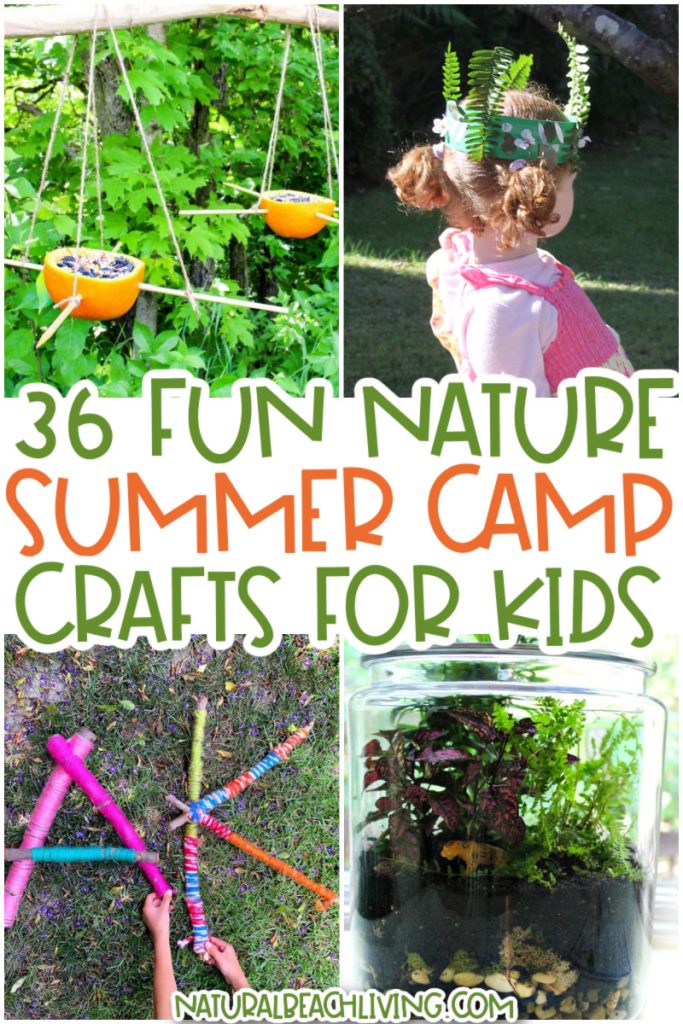
- Seed Planting: Select seeds for vegetables or flowers and guide kids through the planting process, teaching them about each species.
- Building a Butterfly Garden: Help children design a space with native plants that attract butterflies and beneficial pollinators, creating a living lesson in biodiversity.
- DIY Garden Decorations: Encourage kids to express their artistry through unique garden markers or painted stones, adding a personal touch to their gardening space.
Ultimately, gardening goes beyond just the act of planting seeds. It lays the groundwork for environmental awareness, responsibility, and physical well-being, preparing children to become mindful stewards of the earth. Each time children engage with their garden, they are forging connections that could lead to a lifetime of respect and care for nature. So gear up for a gardening adventure, and watch as your children blossom in every way imaginable!
DISCOVER MORE: Click here to dive deeper
Engaging Young Minds with Hands-On Activities
One of the most rewarding aspects of gardening for kids is the multitude of hands-on activities that cater to their natural curiosity. These activities not only foster a love for nature but also offer creative outlets that stimulate an imaginative spirit. For instance, children can experiment with various plants, learning firsthand about the different growing conditions that each species requires. This can spark meaningful conversations about how diverse ecosystems support various life forms.
Interactive Learning Opportunities
As children delve deeper into the world of gardening, they can encounter several interactive learning opportunities that weave together practical skills and scientific concepts. For example, embarking on a project to create a small vegetable garden can lead to exciting lessons about nutrition, food sources, and even cooking. Children can plant staples such as tomatoes, cucumbers, and carrots, following their growth cycle from tiny seeds to delicious vegetables. This journey cultivates not only an appreciation for where food comes from but also an understanding of the importance of sustainable practices.
Engaging Environmental Awareness
Gardening can be a gateway to engaging environmental awareness. Kids can participate in activities such as learning about composting, which teaches them how to recycle organic waste into nutrient-rich soil. This is not just an ecological lesson; it’s a chance to advocate for responsible consumption and waste reduction. Kids can identify kitchen scraps like vegetable peels and coffee grounds that can be composted, making them conscious about their everyday choices.
Fun and Educational Gardening Activities
Integrating fun with education can ensure that gardening remains both an enjoyable and enriching experience. Here are some engaging gardening activities that will captivate young gardeners:
- Nature Scavenger Hunt: Organize a scavenger hunt where children search for specific items in the garden, such as different types of leaves, bugs, or flowers. This encourages observation skills and nature appreciation.
- Garden Journal: Provide children with a notebook to chronicle their gardening adventures. They can sketch plants, note growth progress, and write down observations, fostering a connection through documentation.
- Planting a Rainbow: Challenge kids to plant flowers or vegetables in every color of the rainbow, introducing them to various shades and colors while teaching them about color theory in nature.
As children engage in these fun and educational gardening activities, they do more than simply plant seeds; they cultivate critical thinking and problem-solving skills. These experiences can ignite a passion for gardening and a lifelong commitment to environmental stewardship, making each time spent in the garden a memorable adventure.
| Activity Type | Benefits |
|---|---|
| Seed Planting | Encourages patience and teaches children about the life cycle of plants. |
| Nature Scavenger Hunts | Enhances observational skills and reinforces knowledge about different plants and insects. |
| Composting | Teaches resourcefulness and the value of recycling organic matter into valuable soil. |
Engaging children in gardening activities offers numerous educational advantages. Activities such as seed planting cultivate not only horticultural skills but also nurture patience as children learn to wait for their plants to grow. Similarly, a nature scavenger hunt can turn an ordinary garden into an exciting adventure, significantly enhancing children’s observational skills. This activity helps them identify various plants, insects, and other elements of nature.Moreover, introducing kids to composting instills a sense of responsibility towards the environment while teaching them about sustainability. This hands-on experience not only helps them understand the composting process but also adds value to gardening by turning waste into nourishing soil. Overall, dedicating time to these gardening activities fosters a love for nature, which can greatly benefit their mental and physical health. With endless possibilities for creativity and learning, incorporating gardening into children’s playtime can pave the way for a lifelong appreciation of the environment. These simple yet engaging activities make nature approachable and fun for little ones.
DIVE DEEPER: Click here to learn how artistic expression can enhance your mental health
Exploring Biodiversity and Nature Connections
Beyond simple planting and watering, gardening for kids serves as an exciting platform for exploring biodiversity. Children can easily become citizen scientists right in their backyard or local community garden. By observing insects, birds, and various plant species, kids can learn about the importance of each organism in maintaining ecological balance. For instance, inviting kids to identify different pollinators like bees, butterflies, and hummingbirds helps develop a crucial understanding of their role in plant reproduction and food production.
Creating Habitats for Wildlife
Encouraging kids to create habitats for wildlife within their gardens can enhance their learning experiences. Building birdhouses, setting up a butterfly garden, or even creating a small pond for frogs can turn gardening into a mini biodiversity project. These hands-on experiences offer an opportunity for youngsters to engage with various species, cultivating an appreciation for living organisms and their ecosystems. Constructing bee hotels can also provide lessons in the significance of bees in agriculture and how they contribute to food sources.
Learning Through Seasonal Changes
Gardening also allows children to engage with the notion of seasonal change. They can plant spring flowers, experience summer harvests, and prepare their gardens for winter. Each season offers distinct activities, such as fall leaf collecting and winter mulching. Therefore, children can observe how these seasonal shifts affect plant growth and wildlife behavior, solidifying their understanding of the life cycle. These lessons can generate excitement as children eagerly await the first blooms in spring after tending to their gardens through the colder months.
Harvest Festivals and Collaborative Projects
Celebrating the fruits of their labor can be extremely rewarding for young gardeners. Organizing a small harvest festival allows children to showcase their hard work, inviting family and friends to enjoy the produce they’ve grown. This celebration can even include cooking demonstrations where kids can help prepare healthy snacks or meals with their home-grown vegetables. This experience not only emphasizes the connection between gardening and nutrition but also instills the joy of sharing with others.
Exploring STEAM in the Garden
Integrating STEAM (Science, Technology, Engineering, Arts, and Mathematics) concepts within garden activities exposes children to multi-disciplinary learning. For example, they can use mathematical skills to measure spaces for planting seeds, apply scientific methods to experiment with variables in plant growth, and tap into their creativity by designing unique garden layouts or decorations. This blend of skills fosters a holistic learning environment, making gardening much more than a mere recreational activity. Creating sensory gardens with different textures, colors, and scents can deepen their engagement and broaden their understanding of sensory exploration.
Gardening for kids unfolds a myriad of possibilities, expanding horizons and instilling practical skills with each dig of their trowel. These experiences intertwine simplicity and complexity, offering children the tools to investigate their interests and develop a profound relationship with nature.
DISCOVER MORE: Click here for a deep dive into culinary evolution
Conclusion: Nurturing a Green Thumb and a Love for Nature
In conclusion, gardening for kids is a vibrant avenue for cultivating not only plants but also curiosity, responsibility, and a profound love for nature. Through engaging activities such as creating wildlife habitats and celebrating harvests, children develop invaluable skills that extend beyond the garden. These hands-on experiences foster a sense of stewardship for the environment, prompting young ones to become mindful citizens of the Earth.
Furthermore, as kids explore the intricate interconnections between various organisms and their ecosystems, they are inspired to ask questions and seek solutions, laying the groundwork for critical thinking. Integrating STEAM concepts within gardening can transform the activity into a dynamic educational experience, capturing children’s imaginations and empowering them to use their creativity as they cultivate their green spaces.
As we encourage children to get their hands dirty, let us remember that these moments spent in the garden are far more than just fun; they are opportunities for learning and growth. By nurturing a love for gardening in our little ones, we not only enrich their lives today but also equip them with the skills and values necessary for a sustainable future.
So, why not embrace the joys of gardening? Whether through starting a small vegetable patch, planting colorful flowers, or creating a butterfly habitat, every seed planted is a step towards connecting children with the wonders of the natural world. Dive into the adventure of gardening and watch as little ones blossom into thoughtful stewards of their environment.
Related posts:
Seasonal Gardening: How to Plan and Maintain a Garden That Blooms All Year Round
Gardening Exotic Fruits and Vegetables: Cultivating Unique Flavors at Home
Gardening for Sustainability: Ecological Practices for an Environmentally Friendly Garden
Hydroponic Gardening: Growing Plants Without Soil in Urban Environments
Growing Food at Home: The Benefits of Sustainable Gardening
DIY: Building Support Structures for Plants in Your Garden

Linda Carter is a writer and creative hobbies expert specializing in crafting, DIY projects, and artistic exploration. With extensive experience helping individuals discover their creative potential and bring their ideas to life, Linda shares her knowledge on our platform. Her goal is to empower readers with practical tips, inspiring ideas, and step-by-step strategies for success in the world of creative hobbies.