Growing Food at Home: The Benefits of Sustainable Gardening
Understanding the Home Gardening Trend
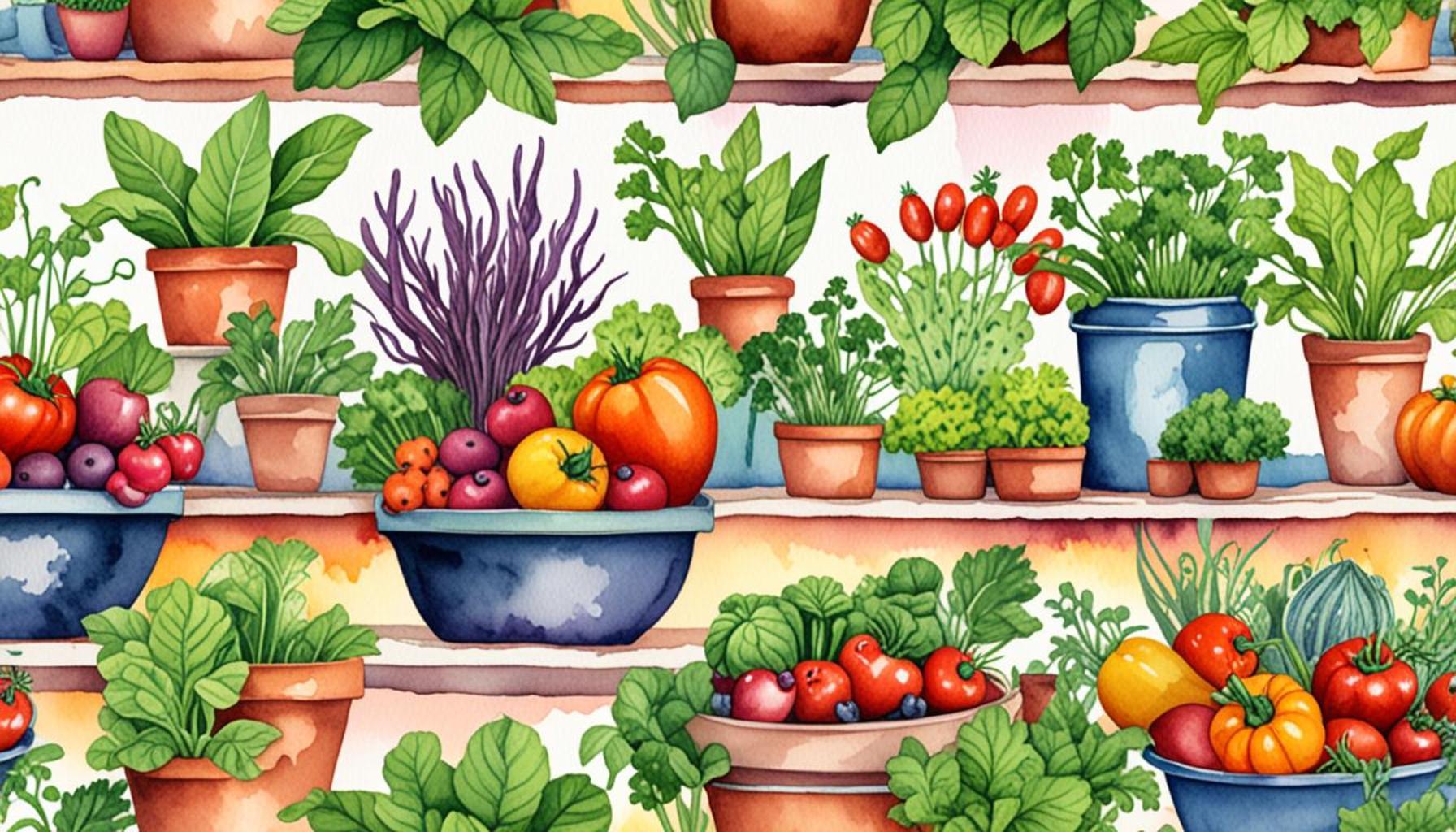
In recent years, more Americans have taken up the practice of growing food at home, recognizing the myriad benefits that personal gardens can offer. This shift is largely driven by a combination of rising food prices and a heightened awareness of environmental issues. Home gardening has transitioned from a mere pastime into a practical solution that addresses both personal and societal challenges.
The movement towards sustainable gardening is gaining momentum, with many individuals eager to make a positive impact on their health, finances, and the environment. Let’s delve deeper into some of the compelling benefits:
- Healthier Eating: Homegrown produce is not only fresher but often devoid of harmful pesticides. Many commercially available vegetables undergo chemical treatments that can be detrimental to health. By tending to your own garden, you can cultivate a variety of fruits and vegetables organically, ensuring what you consume is wholesome. For example, tomatoes grown in your backyard may not only taste superior but can also be harvested at the peak of their ripeness, enhancing their nutritional profile.
- Cost Savings: With the ever-increasing prices of groceries, particularly for organic and fresh produce, growing your own vegetables can alleviate financial strain. A study by the National Gardening Association found that gardening can save a household up to $600 a year on grocery bills. Consider the savings from producing your own salads, herbs, and even fruit; it can have a substantial impact on your monthly budget.
- Environmental Impact: By growing food at home, you are actively reducing your carbon footprint. This is achieved by minimizing the reliance on store-bought goods that often travel vast distances before reaching grocery store shelves. According to the USDA, food transported over long distances contributes significantly to greenhouse gas emissions. Home gardening effectively counters this by allowing you to enjoy locally sourced, fresh produce.
- Empowerment: Cultivating your own food can instill a sense of self-sufficiency and pride. Whether you’re growing herbs on a windowsill or establishing a full vegetable garden in your backyard, the skills gained through gardening can be immensely empowering. You learn about plant growth cycles, soil management, and pest control, often leading to a newfound appreciation for the food production process.
The journey into home gardening often begins small. Many novice gardeners start with just a few pots of herbs or a couple of vegetable beds. As confidence grows, they may explore sophisticated techniques like composting, which transforms kitchen scraps into nutrient-rich soil, or delve into permaculture, an ecological approach to gardening that mimics natural ecosystems. The learning curve can be steep, but the rewards are plentiful.
Furthermore, the burgeoning community of home gardeners is a valuable resource. Numerous online platforms and local gardening groups provide opportunities to share experiences, exchange tips, and promote sustainable practices. This sense of camaraderie enhances the gardening experience and encourages collaboration among living green enthusiasts.
Beyond the tangible benefits of food security and environmental stewardship, gardening serves as a balm for mental well-being. Research consistently shows that immersing oneself in green spaces—or even tending to a small garden—can significantly reduce stress and enhance mood. The simple act of planting a seed embodies hope and resilience, fostering not only personal growth but also a nurturing relationship with nature.

In essence, home gardening encapsulates a comprehensive approach to healthier living, financial prudence, ecological mindfulness, and personal fulfillment. As the articles of this new lifestyle continue to unfold, many are discovering that every garden planted is a step toward a more sustainable future.
DON’T MISS: Click here to dive deeper into artistic intersections
Fostering a Sustainable Lifestyle through Home Gardening
The concept of sustainable gardening not only revolves around the practice of cultivating food but also emphasizes a holistic approach to eco-friendly living. By integrating methods that respect the environment, gardeners can create a self-sufficient ecosystem that contributes positively to personal health and the planet. Whether you’re a seasoned cultivator or embarking on your first gardening venture, understanding the principles of sustainable gardening can amplify the benefits of growing food at home.
Enhancing Biodiversity
One of the compelling aspects of sustainable gardening is its ability to enhance biodiversity. In traditional farming, monoculture practices dominate, often leading to a decline in various species. However, home gardens foster a diverse array of plants and insects, which can be beneficial for the garden ecosystem. Incorporating a variety of plants not only helps in pest management but also attracts beneficial pollinators, such as bees and butterflies. Utilizing companion planting—a technique where certain plants are grown together to promote growth and deter pests—can further enhance this diversity.
- Combine crops: Planting a mixture of herbs, vegetables, and flowers can create a thriving ecosystem. For instance, planting marigolds alongside tomatoes can repel pests.
- Focus on native plants: Integrating native species supports local wildlife and requires less maintenance, as they are adapted to the local climate.
- Utilize organic practices: By avoiding chemical fertilizers and pesticides, you maintain soil health and protect pollinators.
Soil Health and Sustainability
Another cornerstone of sustainable gardening is soil health. Healthy soil is the foundation of productive gardens, and using techniques such as crop rotation, cover cropping, and composting can significantly improve soil quality. For instance, composting kitchen scraps and yard waste can create nutrient-rich soil that enhances plant growth while minimizing landfill waste. Studies done by the Environmental Protection Agency indicate that composting can divert approximately 30% of household waste from landfills, highlighting its dual benefit of improving soil health and reducing waste.
Water Conservation Techniques
In regions where water scarcity is a concern, sustainable gardening practices can play a pivotal role in conservation. Implementing techniques like drip irrigation and rainwater harvesting allows gardeners to use water more efficiently. Drip irrigation systems deliver water directly to the roots of plants, minimizing evaporation and runoff. Additionally, collecting rainwater for irrigation not only conserves potable water but can also reduce water bills. According to a report from the U.S. Geological Survey, employing these methods can reduce water usage by up to 50% compared to traditional watering methods.
As interest in sustainable gardening expands, the plethora of resources available—from community workshops to online forums—offers invaluable information for both novices and experienced gardeners alike. The transition from simply growing food to embracing sustainable practices opens the door to a lifestyle filled with health benefits, environmental stewardship, and community involvement. Whether you are planting a small herb garden or transforming a large plot into a sustainable paradise, every effort contributes to a beneficial ripple effect on your immediate environment and beyond.
| Advantage | Description |
|---|---|
| Environmental Impact | Reducing carbon footprint by avoiding transportation and packaging waste. |
| Fresh Produce | Access to organic and fresh food right from your garden, ensuring better taste and nutritional quality. |
| Health Benefits | Engaging in gardening promotes physical activity and mental wellness, reducing stress and anxiety. |
| Economic Savings | Lower grocery bills as you grow your own vegetables and herbs, leading to significant savings over time. |
| Community Engagement | Building a community by sharing knowledge, seeds, and produce with neighbors and local organizations. |
Incorporating *sustainable gardening* practices not only provides numerous advantages but also fosters a deeper connection with the environment. As individuals take to their gardens, they naturally begin to appreciate the intricate ecosystems that support plant growth. Techniques such as composting and permaculture not only improve soil health but also significantly reduce waste. By producing food at home, you’re also empowered to control what goes into your meals, enabling healthier cooking methods and the elimination of harmful pesticides. Thus, the journey of *growing food at home* transforms not just personal landscapes but also influences broader community practices toward sustainability, making a remarkable impact that extends beyond individual gardens. Exploring these benefits can ignite a passion for gardening and a dedication to sustainable living, ultimately enriching lives and promoting a more resilient environment.
DISCOVER MORE: Click here to dive into my musical journey
Maximizing Health Benefits through Home-Grown Produce
Embracing a sustainable gardening approach not only enhances environmental consciousness but also delivers remarkable health benefits. Growing your own food allows you to have complete control over what you consume, ultimately leading to a healthier diet. With the increasing concern about pesticides and processed foods, home gardening presents a viable solution, enabling you to cultivate fresh, organic vegetables, fruits, and herbs right in your backyard.
Nutrition and Freshness
One of the most significant advantages of home gardening lies in the nutritional value of fresh produce. According to a study published in the journal “Nutritional Sciences,” fruits and vegetables begin to lose vital nutrients within hours of being harvested. When you grow your own food, you can enjoy produce at its peak ripeness, which means higher concentrations of vitamins and minerals. Homegrown tomatoes, for instance, can have up to twice the amount of vitamin C compared to those that have been shipped long distances.
Physical Activity and Mental Well-Being
Gardening is also a fantastic way to incorporate physical activity into your daily routine. It has been shown that gardening can burn around 200-400 calories per hour, depending on the activity level. Activities such as digging, planting, weeding, and watering not only promote physical fitness but also help with endurance and flexibility. Moreover, engaging with nature has profound implications for mental health. According to the Journal of Health Psychology, spending time in green spaces can reduce stress levels and enhance overall emotional well-being.
Community Engagement and Knowledge Sharing
Growing food at home can also foster a strong sense of community and collaboration. Community gardens, in particular, provide opportunities for urban dwellers to come together and share resources, knowledge, and experiences. Participating in such initiatives not only broadens social networks but also promotes a sense of belonging. Many urban areas in the United States have established community gardens where individuals can learn from each other and grow food collectively, making sustainable gardening a communal effort. Sharing excess produce and exchanging gardening tips can enhance local food security and foster resilience within neighborhoods.
Cost Savings and Economic Impact
Regarding financial considerations, sustainable gardening can lead to significant cost savings. By growing your own fruits and vegetables, you reduce the reliance on grocery stores and avoid high prices often associated with organic produce. The USDA reported that the average American family spends around $500-$1,000 annually on fresh fruits and vegetables. A modest home garden can yield a substantial return on investment that generates an abundance of produce, especially during peak growing seasons. Furthermore, as sustainable gardening practices flourish, local economies can benefit from reduced transport costs associated with food distribution.
Educational Opportunities
For families, home gardening serves as an excellent educational tool for children. Teaching kids about the process of growing food from seed to plate can ignite their interest in nutrition and environmental stewardship. According to research from the American Academy of Pediatrics, children who are involved in gardening are more likely to consume fruits and vegetables, promoting healthy dietary choices early on. Incorporating fun educational activities within the garden, such as tracking plant growth or creating art from natural materials, can reinforce learning and creativity.
As the movement toward sustainable gardening grows, it empowers individuals and communities to reconnect with the source of their food, fortifying not just personal health but also community ties. With a myriad of benefits at hand, engaging in sustainable gardening is an endeavor worth exploring further.
DIVE DEEPER: Click here to discover the impact of artistic expression on mental well-being
Conclusion: Embracing Sustainable Gardening for a Healthier Future
Ultimately, growing food at home is not merely a trend but a profound shift towards a more sustainable and healthy lifestyle. The advantages of sustainable gardening extend beyond the soil; they touch every facet of our lives—from personal health and community cohesion to economic savings and environmental stewardship. As we’ve explored, cultivating your own fruits, vegetables, and herbs can offer unmatched nutritional benefits by ensuring that your produce is fresh and free from harmful chemicals.
Moreover, engaging in gardening promotes essential physical activity, supports mental well-being, and nurtures a deep connection with nature. It transforms passive consumers into empowered producers who understand the value of what they eat. Furthermore, the communal aspect of gardening fosters connections between neighbors, allowing for the exchange of not only fresh produce but also knowledge and shared experiences that enrich our communities.
The financial implications of starting a home garden cannot be ignored, as it presents a clear path to significant cost savings while encouraging healthier eating habits. For families, sustainable gardening is more than just a hobby; it is an educational journey for children that instills fundamental lessons about nutrition and environmental responsibility.
As we look ahead, it is clear that the benefits of sustainable gardening are vast and varied. It invites us to reconsider our relationship with food, urging us to cultivate a lifestyle that is healthier, more connected, and more sustainable. So, whether you have a sprawling backyard or a small balcony, now is the perfect time to embark on your gardening journey and reap the many rewards it has to offer.
Related posts:
The Influence of Plants in Interior Decoration: Creating Cozy Environments with Green
Therapeutic Gardening: How Planting and Caring for Plants Can Improve Mental Well-Being
Community Gardening: Strengthening Bonds Through Collective Cultivation
Sensory Gardening: Creating Spaces that Stimulate the Senses with Plants and Textures
Seasonal Gardening: How to Plan and Maintain a Garden That Blooms All Year Round
Night Gardening: Exploring Plants that Bloom and Shine at Night

Linda Carter is a writer and creative hobbies expert specializing in crafting, DIY projects, and artistic exploration. With extensive experience helping individuals discover their creative potential and bring their ideas to life, Linda shares her knowledge on our platform. Her goal is to empower readers with practical tips, inspiring ideas, and step-by-step strategies for success in the world of creative hobbies.