Hydroponic Gardening: Growing Plants Without Soil in Urban Environments
Understanding Hydroponic Gardening
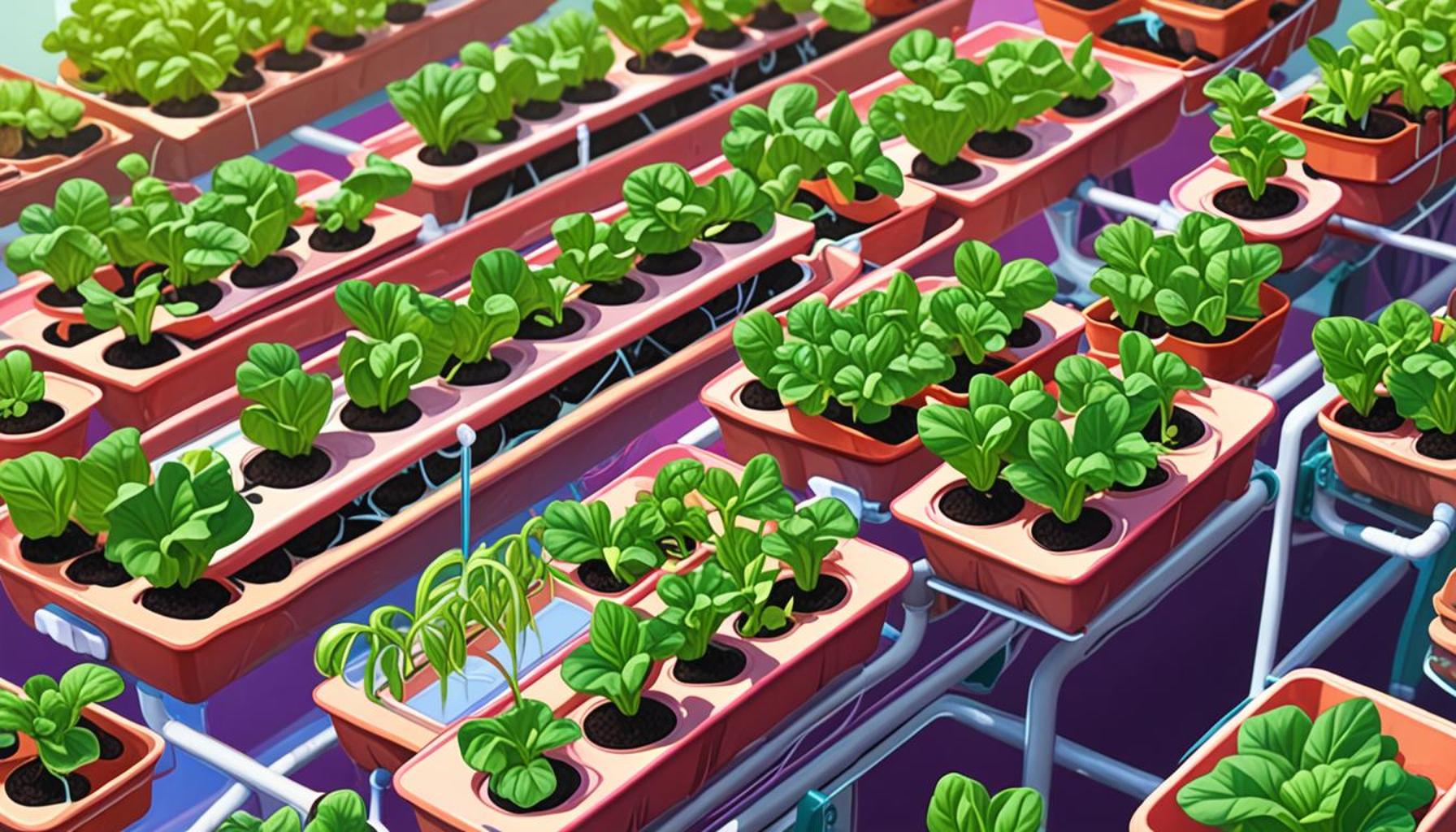
As urban landscapes expand and green spaces diminish, traditional gardening methods often struggle to thrive. One innovative solution that has emerged is hydroponic gardening, an ingenious technique that allows individuals to grow plants without soil. This method not only suits the constraints of city living but also addresses various environmental concerns, thus gaining traction among city dwellers and sustainability advocates alike.
So, why should residents of crowded urban centers consider adopting hydroponics? The advantages are numerous and significant, leading many to view this technique as a vital component of future urban agriculture:
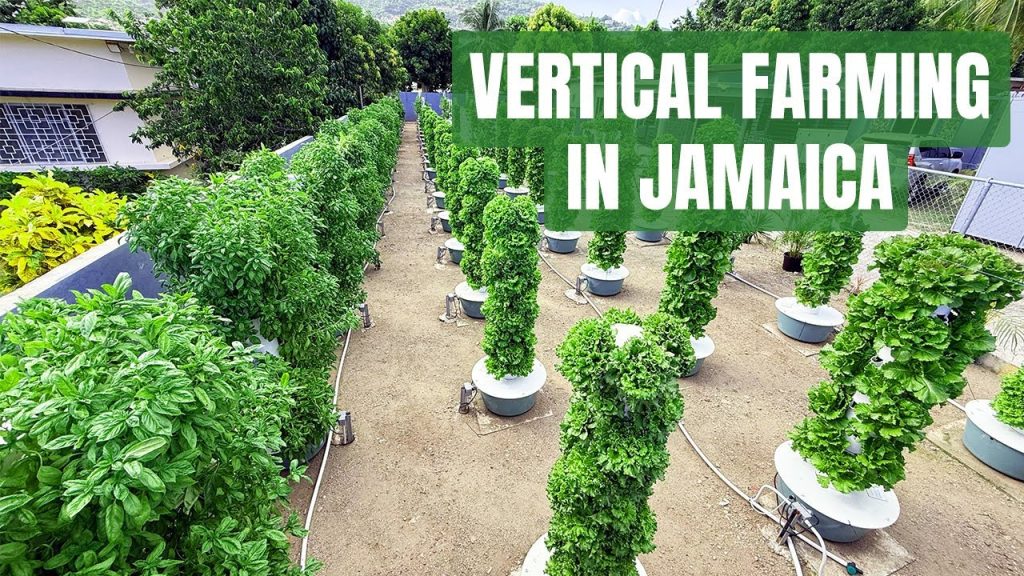
- Space Efficiency: Hydroponic systems come in various forms, from vertical gardens that maximize small spaces to compact systems designed for kitchen countertops. Urban gardeners can cultivate fresh herbs in an apartment or set up larger hydroponic farms on rooftops, freeing up valuable land for other purposes.
- Water Conservation: Traditional soil gardening often requires substantial water, but hydroponic systems recirculate water to minimize waste. This method uses up to 90% less water than conventional farming, making it an excellent option for areas facing water scarcity.
- Faster Growth Rates: With nutrients delivered directly to the roots, plants grown hydroponically often experience accelerated growth. For instance, lettuce can be harvested in just three to four weeks, compared to the six to eight weeks required in soil. This rapid growth means more frequent harvests and less waiting time for urban gardeners.
Moreover, hydroponic gardening fosters healthy eating habits by making fresh produce accessible year-round, even in the middle of winter. Residents can enjoy home-grown vegetables, significantly enhancing their diets. As they tend to their plants, they also build a personal connection to their food— an especially important factor in an age where many people are distanced from the origins of their meals.
Additionally, hydroponic systems have the potential to reduce the carbon footprint associated with transporting food from farms to city centers. By producing food locally, urban gardeners can enjoy fresher ingredients while contributing to a more sustainable food system.
As you delve deeper into this intriguing topic, you will discover a wealth of information, including innovative hydroponic designs, practical setup tips, and techniques for maximizing small urban spaces. The world of soil-free gardening offers exciting possibilities for transforming any living environment into a lush, green oasis that not only enhances aesthetic appeal but also contributes to a sustainable future.
Whether you are a seasoned gardener or a curious beginner, embracing hydroponic gardening could lead you to a rewarding new hobby that positively impacts both your lifestyle and the environment.
DIVE DEEPER: Click here to discover more about diverse musical styles
The Basics of Hydroponic Systems
At its core, hydroponic gardening revolves around the principle of growing plants in a nutrient-rich water solution instead of soil. This innovative approach allows urban dwellers to bypass conventional limitations associated with traditional gardening, such as poor soil quality or limited space. Hydroponic systems can take many forms, each tailored to meet the unique needs of growers, from small-scale home setups to large commercial operations.
There are several popular hydroponic systems utilized in urban gardening, each featuring its distinct methods and benefits. Understanding these various systems can help aspiring hydroponic gardeners make an informed choice:
- Nutrient Film Technique (NFT): In this system, a thin film of nutrient-rich water flows over the plant roots, which are supported by a sloped channel. This continuous flow allows for efficient nutrient uptake while conserving water.
- Deep Water Culture (DWC): Plants are suspended in a nutrient solution, with their roots submerged in oxygenated water. This method promotes healthy root growth and allows for rapid plant growth, making it ideal for beginners.
- Ebb and Flow (Flood and Drain): In this system, plants are periodically flooded with nutrient solution and then allowed to drain back into a reservoir. This approach ensures that roots receive both oxygen and nutrients, creating a balance that supports healthy plant growth.
- Wick System: This passive hydroponic system utilizes a wick to transport nutrient solution from a reservoir to the plant roots. It’s a low-maintenance option suitable for small-scale gardening, particularly in tight urban spaces.
- Aeroponics: In this advanced method, plant roots hang in the air, and a fine mist of nutrient solution is sprayed directly onto them. Aeroponics boasts extremely fast growth rates, making it a popular choice among commercial growers.
Choosing the right hydroponic system depends on various factors, including available space, intended plant types, and personal gardening preferences. Moreover, hydroponic gardening offers the ability to cultivate a wide range of plants, from simple herbs like basil and cilantro to more complex crops such as tomatoes and peppers. This versatility allows urban gardeners to customize their famous produce while maximizing their growing potential.
Additionally, technology plays an essential role in the success of hydroponic gardening. With the advent of automation and smart gardening tools, monitoring nutrient levels, pH, and light conditions has become easier than ever. Many urban gardeners now utilize smartphone apps and IoT (Internet of Things) devices to manage their hydroponic systems efficiently, allowing for real-time adjustments and optimal plant growth.
As you embark on your hydroponic gardening journey, it’s essential to keep in mind that this method requires a fundamental understanding of plant biology and nutrient management. The crucial element to success is learning how to balance nutrient levels and provide the necessary conditions for various plant species. By honing these skills, urban gardeners can transform limited spaces into thriving ecosystems where plants flourish, despite the absence of traditional soil.
Unlocking the Potential of Hydroponics in Urban Areas
Hydroponic gardening is rapidly becoming a beacon of hope in the ongoing quest for sustainable urban farming solutions. As city populations soar and arable land diminishes, the advantages of hydroponic systems in densely populated areas are striking. One of the primary benefits of hydroponic gardening is its ability to maximize space efficiency. Vertical farming setups allow for multiple layers of plants to grow in a small footprint, converting urban rooftops, balconies, and even basements into productive gardens. This technology not only conserves space but also optimizes resource usage, as hydroponic systems often use 90% less water than traditional soil gardening.Another significant advantage is the potential for year-round cultivation. Hydroponic systems create a controlled environment that can be optimized for growth regardless of external weather conditions. This means that urban dwellers can produce fresh produce like lettuce, herbs, and strawberries throughout the seasons. In a world where food security is increasingly vulnerable to climate change, this capability is essential.Additionally, the reduction in nutrient runoff offers an environmental benefit. Traditional farming methods often lead to fertilizer leaching into waterways, causing ecological harm. With hydroponics, this concern is minimized since nutrients are delivered directly to the plants in a contained system, ensuring a cleaner and more sustainable practice.These facets of hydroponic gardening not only provide solutions but also promote a level of biodiversity and self-sufficiency. By harnessing innovative technologies, urban residents can cultivate a more sustainable future, bridging the gap between city life and nature.
| Advantages | Key Features |
|---|---|
| Space Efficiency | Allows vertical and compact growth in small spaces. |
| Year-Round Cultivation | Controlled environments enable consistent produce growth. |
| Environmental Benefits | Reduces nutrient runoff and promotes sustainable practices. |
This introduction to hydroponic gardening illuminates not only the potential for urban farming but also inspires city dwellers to take action. It invites readers to explore the advanced technology that enables fresh produce cultivation right where they live, fostering a sense of community and responsibility.
EXPLORE MORE: Click here to dive deeper into the evolution of home cooking
Benefits of Hydroponic Gardening in Urban Settings
Hydroponic gardening offers a myriad of advantages, particularly suited for urban environments where space and resources may be limited. Understanding these benefits can inspire individuals to adopt hydroponic gardening as a solution to food production challenges faced in cities.
Space Optimization is one of the most significant benefits of hydroponic systems. Urban areas often grapple with limited space, making traditional gardening difficult. Hydroponic systems are designed to use vertical space efficiently, allowing gardeners to grow multiple layers of plants upward rather than outward. This vertical farming approach can substantially increase plant yield per square foot, making it ideal for rooftops, balconies, and other confined spaces. For example, a small balcony can become an abundant source of fresh herbs and vegetables, turning urban dwellers into self-sufficient food producers.
Another compelling advantage is water conservation. Hydroponic systems use up to 90% less water than traditional soil gardening through their closed-loop systems that recycle and reserve nutrient solutions. This is particularly critical in urban areas where water shortages can be a pressing issue. With efficient water management practices, urban hydroponic gardens not only align with sustainability trends but also promise to combat city-specific challenges, such as drought and increased water costs.
A faster growth rate is yet another key benefit of hydroponics. Plants grown in hydroponic systems typically experience accelerated growth compared to those grown in soil. Without the limitations of soil compaction and nutrient deficiencies, nutrient uptake is optimized, resulting in healthier and quicker yields. For instance, leafy greens like lettuce can mature in around three to four weeks, significantly reducing the time from seed to harvest. This rapid cultivation can have profound implications for food security in urban settings, enabling faster access to fresh produce.
Moreover, hydroponic gardening fosters a controlled growing environment. Urban gardeners can closely monitor variables such as nutrient levels, humidity, and light exposure, allowing them to create ideal conditions for plant growth year-round. This control also reduces pests and disease impact, decreasing the reliance on chemical pesticides and fertilizers. As a result, the produce grown hydroponically can often be more nutritious and safer to consume, appealing to health-conscious urban consumers.
Beyond individual benefits, hydroponic gardening can play a pivotal role in community resilience. Community gardens employing hydroponic systems can contribute to local economies by providing fresh produce to neighborhoods with limited access to grocery stores. In cities like Detroit and Chicago, community hydroponic initiatives have gained traction, transforming vacant lots into productive green spaces. These efforts not only enhance food access but also promote community engagement and environmental awareness.
Finally, hydroponic gardening caters to the growing trend of organic consumption. Urban consumers are increasingly prioritizing locally sourced and sustainable food options. By establishing hydroponic systems, urban gardeners can produce organic fruit, vegetables, and herbs, reducing the carbon footprint associated with transporting food over long distances. This transition not only supports local economies but also encourages a healthier lifestyle among city dwellers.
In summary, hydroponic gardening emerges as a transformative solution in urban environments, offering scalable food production while addressing critical issues like space limitations, water scarcity, and the need for sustainable practices. The benefits outlined above highlight the potential of hydroponics to redefine how urban residents interact with their food systems and environments, promising to lead to a greener, healthier future in cities across the United States.
DON’T MISS OUT: Click here to discover sustainable crafting ideas!
Conclusion
As urbanization continues to rise, the challenges of food production, resource management, and environmental sustainability grow in tandem. Hydroponic gardening emerges as a revolutionary technique that not only addresses these challenges but also promotes a vision of self-sustainability within cities. By utilizing techniques that allow for efficient space utilization, water conservation, and accelerated crop growth, urban dwellers can reclaim control over their food sources—even in confined settings.
This innovative approach to gardening transforms rooftops, balconies, and even community spaces into vibrant hubs of fresh produce. As food security remains a pressing concern in many urban areas, hydroponics offers a practical alternative, with the potential to boost local economies and enhance community ties. The concept of growing fresh, organic food right where it is consumed aligns seamlessly with the increasing demand for sustainable living practices among city dwellers.
Furthermore, hydroponic systems promote a healthier lifestyle by providing access to nutritional food while reducing carbon footprints associated with transporting produce. As more households and communities embark on this journey toward urban gardening innovation, the sharing of knowledge and resources can further enhance success. The embrace of hydroponic gardening speaks to a greater movement—one that inspires resilience and fosters a rich connection between people and their environment.
In conclusion, the adoption of hydroponics within urban landscapes presents not only an opportunity for individual empowerment but also a collective step toward a sustainable future. As we strive for effective solutions to urban food production challenges, hydroponic gardening stands poised to redefine our relationship with nature, encouraging cities across the United States to cultivate a greener tomorrow.
Related posts:
Night Gardening: Exploring Plants that Bloom and Shine at Night
Seasonal Gardening: How to Plan and Maintain a Garden That Blooms All Year Round
Gardening Benefits Boosting Mental Health Well-being Naturally
Gardening Exotic Fruits and Vegetables: Cultivating Unique Flavors at Home
The Art of Vertical Gardening: How to Transform Small Spaces into Vibrant Gardens
Sustainable Gardening Techniques for an Eco-Friendly Green Space

Linda Carter is a writer and creative hobbies expert specializing in crafting, DIY projects, and artistic exploration. With extensive experience helping individuals discover their creative potential and bring their ideas to life, Linda shares her knowledge on our platform. Her goal is to empower readers with practical tips, inspiring ideas, and step-by-step strategies for success in the world of creative hobbies.