Integrating Technology into Craft Making: Digital Tools for Modern Artisans
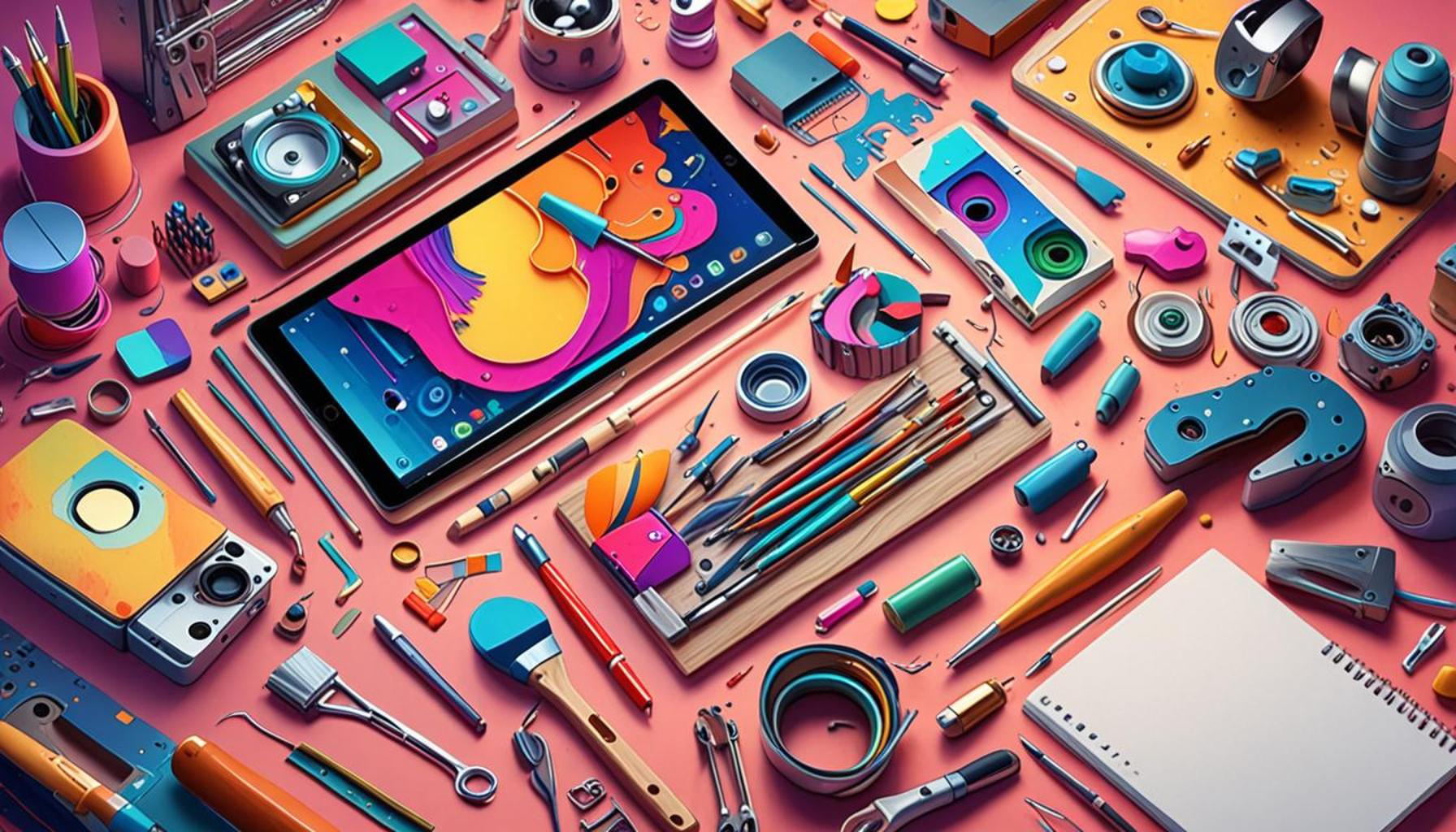
Embracing Technology in Artisanal Crafting
In an age characterized by rapid technological advancement, the world of craftsmanship is undergoing a profound evolution. Artisans, once solely reliant on traditional methods, are now utilizing digital tools that significantly enhance their creative processes. This synergy of old and new not only broadens their artistic horizons but also revolutionizes the way craft is perceived and practiced in contemporary society.
The integration of technology into crafting has unveiled a treasure trove of exciting possibilities, allowing artisans to innovate in ways that were previously unimaginable. Here are some noteworthy tools and their impacts:
- 3D Printing: This groundbreaking technology enables artisans to produce intricate designs that challenge the limits of handcrafting. For instance, jewelry designers can create complex, lattice-like patterns that are incredibly lightweight yet strong, offering pieces that are both unique and functional. Items like custom figurines and specialized tools can be rapidly prototyped, reducing time and cutting costs.
- Graphic Design Software: Programs such as Adobe Illustrator and CorelDRAW allow artisans to digitally sketch out their ideas, facilitating experimentation with colors, patterns, and layouts. This pre-creation phase helps to visualize projects before committing to expensive materials, resulting in more refined and innovative designs. A furniture maker can model their woodwork digitally to assess aesthetics and functionality.
- Social Media Platforms: Platforms like Instagram and Pinterest are revolutionizing how artisans showcase their work. Artists can connect directly with potential customers, receive instant feedback, and build engaged communities around their crafts. A potter could share the wheel-throwing process live, engaging followers with behind-the-scenes content to foster deeper connections.
- E-commerce Solutions: Websites like Etsy and Shopify empower artisans to sell their creations online, allowing them to reach global audiences rather than being confined to local markets. A candle maker in Ohio can now access customers from California, broadening their sales potential significantly.
Artisans who adeptly integrate these technologies find themselves better positioned in a competitive marketplace. While traditional techniques have merit, the incorporation of modern tools allows them to streamline production processes and enhance marketing efforts. This dual approach not only enriches the artistic process but also democratizes access to art-making, inviting a wider audience to appreciate and engage with their work, regardless of geographical constraints.
In this article, we will delve into the stories of artisans throughout the United States who are pioneering these modern methodologies. From digital sculptors in Portland to textile designers in New York, join us on a journey to discover how this fusion of technology and artistry is redefining the craft landscape, fostering a tech-savvy community filled with creativity and innovation.
DISCOVER MORE: Click here to learn about eco-friendly crafting
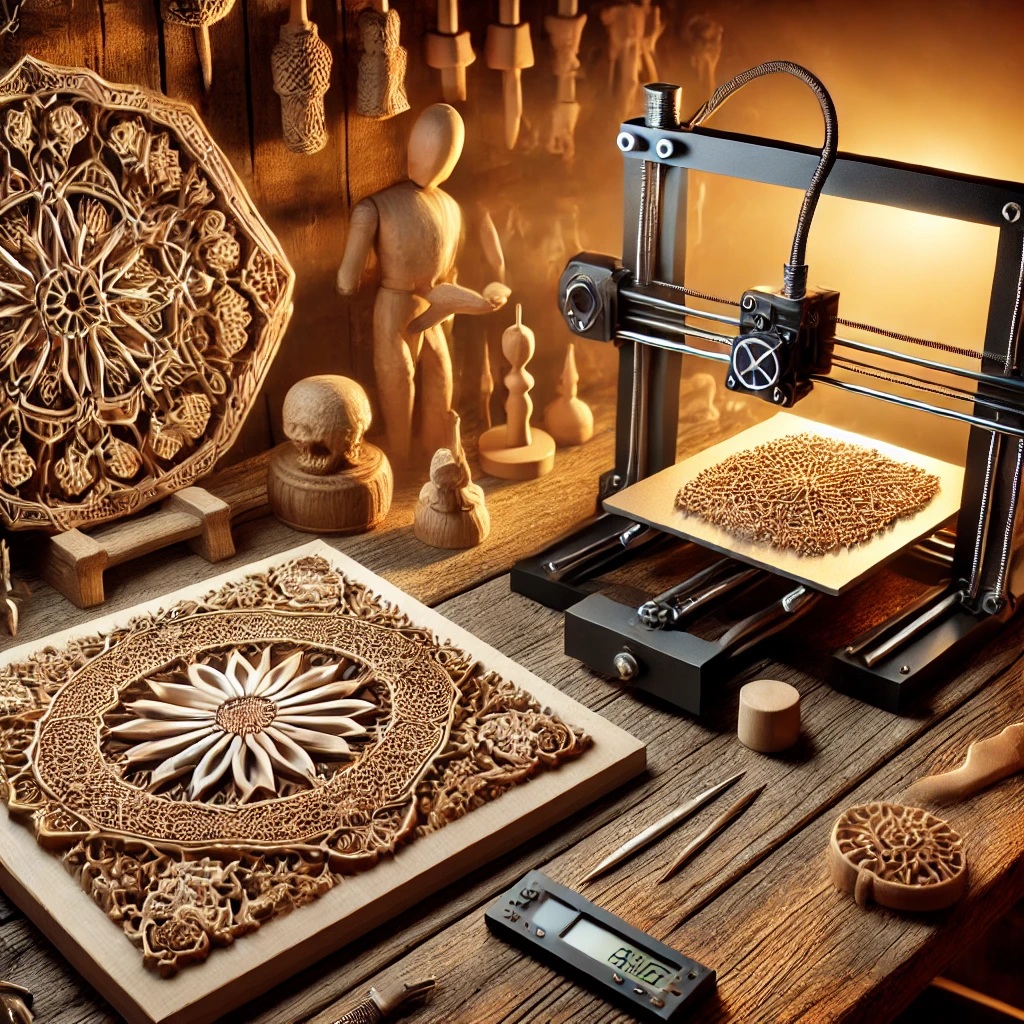
Innovative Technologies Revolutionizing Craftsmanship
The marriage of technology and craftsmanship has opened new doors for artisans seeking to elevate their work. As digital tools become increasingly accessible, they offer unique functionalities that can refine both the creative process and the end product. Here are some key innovations reshaping the artisan landscape:
- Laser Cutting: This technology enables precise cutting and engraving of various materials such as wood, acrylic, and fabric. Artisans can produce highly detailed designs that would be difficult or impossible to achieve by hand. For example, a furniture maker can intricately etch designs into cabinetry, enhancing aesthetic appeal while maintaining production efficiency.
- Augmented Reality (AR): AR applications allow artisans to visualize how their creations will look in real-life settings before they are produced. Furniture designers can superimpose their pieces onto images of actual rooms, providing clients an immersive experience that aids decision-making. This tool is particularly beneficial for reducing material waste by ensuring that designs are fine-tuned pre-production.
- Portable Laser Engravers: As technology advances, affordable, portable laser engravers have become available to hobbyists and small business owners. These devices empower craftspeople to personalize items on demand, promoting a culture of customization. An artisan selling at a local craft fair can engrave customer names or messages on products in real time, significantly boosting customer satisfaction.
- Online Learning Platforms: Platforms such as Skillshare and Udemy have democratized education for artisans. Craft makers can learn new techniques and improve their skills through online courses led by experts in their fields. A ceramicist in Miami, for instance, can now explore advanced glazing techniques through videos created by renowned artists from around the globe.
Through these technological advancements, artisans are not only producing high-quality work but also optimizing workflows. The incorporation of digital tools means that craftspeople can spend less time on repetitive tasks and more time on creativity and exploration. Additionally, artisans equipped with technology are more adept at responding to market trends and consumer requests, allowing for quicker adaptation in a dynamic environment.
This innovative landscape is fostering a community of connected creators who are willing to share knowledge and support one another. For instance, a collective of leatherworkers in Austin leverages online forums to exchange tips and tricks about crafting techniques or the latest tools. By embracing technology, modern artisans are not just preserving traditions but also ensuring they remain relevant in a fast-paced world.
In the following sections, we will spotlight individual artisans who exemplify how technology can enhance craftsmanship. Their unique stories illustrate the transformative power of digital tools in the craft making sphere, revealing the profound impact on both artistry and community engagement.
Digital Tools Revolutionizing Craft Making
Today, the realm of craft making is transforming due to the integration of technology. From 3D printing to digital design software, artisans are finding innovative ways to enhance their craft processes. These modern tools not only streamline production but also expand creative possibilities, allowing artisans to create unique pieces that reflect contemporary aesthetics. One of the most transformative technologies is 3D printing, which allows makers to produce intricate designs that would be labor-intensive or impossible to create by hand. This not only saves time but also reduces material waste, a crucial aspect in sustainable craft making. Furthermore, artisans can iterate designs quickly, making modifications based on customer feedback or personal experimentation.Strong emphasis is placed on design software, such as Adobe Illustrator or CorelDRAW, that enables artisans to visualize their ideas digitally before physical execution. This early-stage visualization assists in fine-tuning concepts, leading to a more refined final product. The use of virtual and augmented reality is also gaining traction, providing consumers with immersive experiences of craft products before choosing to purchase.Digital tools also enhance marketing strategies for artisans. With platforms like Etsy, Instagram, and Pinterest, makers can showcase their work to a global audience, engage with customers directly, and build a personal brand. These technological advancements enable artists not only to sell their crafts but also to tell their stories, creating a deeper connection with their audience.Below is a table that summarizes key advantages of integrating technology into craft making:
| Advantage | Description |
|---|---|
| Efficiency | Digital tools streamline the crafting process, saving time and reducing manual labor. |
| Innovation | Access to new technologies promotes creative exploration and unique product development. |
The combination of these digital tools marks a significant shift in the way artisans create, present, and sell their crafts. By embracing technology, modern artisans can elevate their work and stand out in an increasingly competitive market.
EXPLORE: Click here to discover sustainable gardening techniques
Digital Fabrication: Expanding Creative Boundaries
The advent of digital fabrication technologies has fundamentally changed the landscape of craft making, allowing artisans to explore creative boundaries that were once unimaginable. From 3D printing to CNC machining, these tools enable craftsmen to produce complex shapes and designs with remarkable precision. Here are several noteworthy developments in digital fabrication that are enhancing craftsmanship:
- 3D Printing: This revolutionary technology allows artisans to create three-dimensional objects layer by layer, using materials like plastic, resin, or metal. Artists can prototype new designs quickly, accommodating numerous iterations in a fraction of the time it would traditionally take. For instance, a jewelry maker can print intricate ring designs and make adjustments based on customer feedback before committing to final materials, revolutionizing the custom jewelry market.
- CNC Machining: Computer Numerical Control (CNC) machines automate the cutting, milling, and engraving processes, adding efficiency to traditional crafting methods. Creatives can input their digital designs, and the machine executes them with unparalleled accuracy. Woodworkers, for example, can create finely crafted furniture pieces with unique detailing that showcases their artistic vision, all while minimizing human error and physical strain.
- Digital Sketching and Design Software: Programs like Adobe Illustrator and CorelDRAW provide artisans with a digital canvas to draft, design, and visualize their creations. These tools encourage greater experimentation and flexibility in the design process. A textile artist can continuously refine patterns and colors before committing to fabric, ensuring that the final product meets their aesthetic criteria.
As these technologies proliferate, artisans face an exciting opportunity to enhance their practice and increase production capabilities. The shift towards digital tools has enabled faster prototyping, allowing creators to test ideas and gather market feedback quickly. In addition, it fosters collaboration, as designers can easily share digital files and ideas across distances.
However, the integration of technology comes with challenges. Artisans must equip themselves with the necessary technical skills to utilize these digital tools effectively. A woodworker, for instance, will need to understand both the artistry of woodworking and the principles of programming a CNC machine. To combat this knowledge gap, many local maker spaces and community workshops are emerging across the United States, offering training sessions and access to expensive equipment. These resources make advanced technologies more attainable for artists who lack extensive technical backgrounds, thus bolstering the creator community.
Moreover, digital tools encourage sustainable practices within artisan industries by promoting the responsible utilization of materials. For example, 3D printing significantly reduces waste through additive manufacturing, where only the needed amount of material is used. Sustainable craft practices are increasingly important to consumers, and artisans adopting these technologies can attract environmentally conscious buyers.
As this technological transformation continues, artisans are redefining what it means to be a craftsman or craftswoman in today’s world. Through the synergy of traditional skills and modern technology, the future of craftsmanship promises to be as diverse as the artisans themselves, showcasing an endless array of creativity and innovation.
DISCOVER MORE: Click here for sustainable crafting tips
Embracing the Future of Craftsmanship
As we draw to a close on our exploration of integrating technology into craft making, it becomes evident that the relationship between tradition and innovation is not merely a trend but a profound evolution. The rise of digital tools such as 3D printing, CNC machining, and sophisticated design software has reshaped the very fabric of artisan culture. Artisans are not only able to enhance precision and efficiency but are also empowered to unleash their creativity like never before.
However, this transformation does not come without its challenges. The need for technical skills can initially seem daunting, yet the emergence of community makerspaces and workshops provides invaluable support, bridging the gap between traditional craftsmanship and modern technology. These resources serve as essential incubators for artisans, ensuring they can navigate this new landscape with confidence and skill.
Moreover, the commitment to sustainability afforded by digital tools is reshaping consumer expectations. As buyers become increasingly conscious of environmental impacts, artisans who adopt sustainable practices through technology can cultivate a loyal customer base eager for thoughtful craftsmanship.
In summary, the integration of technology into craft making not only enhances artisans’ capabilities but also redefines what it means to be a creator in the 21st century. As artisans continue to blend their time-honored skills with innovative technologies, they pave the way for a vibrant future rich in creativity and opportunity, ensuring that the art of making remains a dynamic and thriving aspect of culture. The journey ahead promises exploration and discovery—an invitation for both artisans and enthusiasts alike to continue their engagement with this exciting intersection of art and technology.
Related posts:
The Impact of Craft Making on Education: Developing Creative Skills in Children and Young People
Craft Making as a Form of Personal Empowerment: Turning Ideas into Reality
Craft Making as a Tool for Social Inclusion: Promoting Diversity and Accessibility in the Arts
The Impact of Craft Making on Mental Health: Creativity as a Self-Care Tool
The Evolution of Craft Making: Ancient Traditions and New Trends
Sustainability in Craft Making: How to Create Crafts with Recycled Materials

Linda Carter is a writer and creative hobbies expert specializing in crafting, DIY projects, and artistic exploration. With extensive experience helping individuals discover their creative potential and bring their ideas to life, Linda shares her knowledge on our platform. Her goal is to empower readers with practical tips, inspiring ideas, and step-by-step strategies for success in the world of creative hobbies.