Seasonal Gardening: How to Plan and Maintain a Garden That Blooms All Year Round
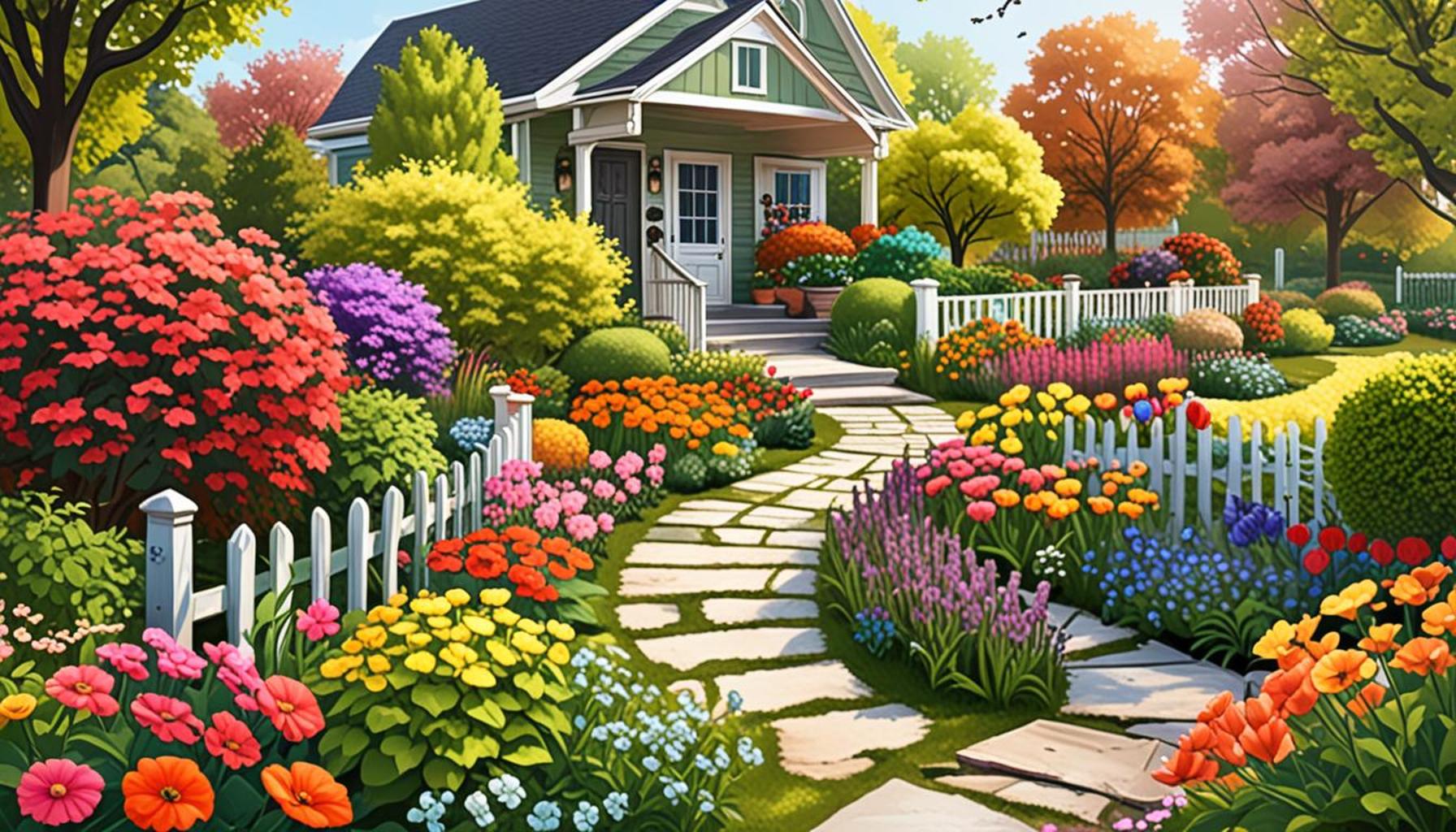
Explore the Beauty of Seasonal Gardening
Gardening is more than just a hobby; it’s a connection to nature that many cherish year-round. Seasonal gardening offers a unique opportunity to cultivate a vibrant landscape that transforms with each passing season. With the right plan and consistent maintenance, you can ensure your garden remains a source of beauty and joy twelve months a year.
To dive into the world of seasonal gardening, consider these essential aspects:
- Choosing the Right Plants: Understanding which species thrive in your climate throughout the year is crucial. For example, in the Northeast, consider planting bulbs like tulips and daffodils in the fall for a stunning spring display. Conversely, in the warmer climates of the Southwest, desert marigolds can add brilliant color with minimal water during the hottest months.
- Seasonal Planning: Implementing a planting schedule that aligns with seasonal changes is key to success. For instance, early spring is perfect for sowing leafy greens like spinach and lettuce, while summer may be ideal for vibrant annuals such as zinnias and petunias. A well-thought-out calendar can help you maximize bloom times and ensure your garden is never bare.
- Maintenance Techniques: Regular tasks such as pruning, watering, and soil enrichment should be tailored to seasonal needs. In the fall, for example, it’s important to prepare your garden for the winter months by mulching around plants and cleaning up fallen leaves to prevent disease. Spring is your time for fertilization and new plantings.
Throughout the United States, gardeners face varying climates and conditions that influence their choices. For instance, in the South, vibrant azaleas may flourish in spring, providing a colorful backdrop, while evergreens stand resilient during the winter months, offering structure to the landscape. In contrast, the Pacific Northwest boasts a rich variety of ferns and hydrangeas that thrive within its unique moisture-rich environment.
By embracing the concept of seasonal gardening, you can effectively rotate your plant selection and keep your landscape fresh and inviting. This journey into seasonal gardening not only enhances your yard but also encourages a deeper understanding of nature’s cycles. Watching your garden evolve through the seasons can be deeply rewarding, offering visual pleasure and a sense of accomplishment.
As you embark on this gardening adventure, it’s essential to stay informed about local climate trends and plant hardiness zones. Resources such as the USDA Plant Hardiness Zone Map can guide you in selecting plants that will prosper in your area. Join us as we explore practical tips and insights to create a garden that consistently blooms with life, delighting both you and your visitors every season.
DISCOVER MORE: Click here to delve into a musical journey
Essential Tips for Year-Round Blooming
Creating a garden that blooms continuously throughout the year requires not only a diverse plant palette but also an understanding of the environmental factors at play. A well-structured approach to seasonal gardening will allow you to maximize the potential of your space while enjoying a splendid showcase of flowers and foliage regardless of the time of year.
Start by assessing your garden’s microclimate. Factors such as sunlight, shade, wind exposure, and soil type will significantly influence what plants can thrive. For example, a south-facing garden will likely receive more sunlight than one that’s shaded or faces north, dramatically affecting your plant selection. To help you in this endeavor, consider the following key elements as you plan your garden:
- Light Conditions: Determine how much sunlight your garden receives daily. Plants like sunflowers and petunias need full sun, while varieties such as hostas and ferns prefer partial to full shade.
- Soil Quality: Conduct a soil test to measure pH and nutrient levels. Adding organic matter or soil amendments can significantly enhance your garden’s fertility.
- Water Availability: Assess your watering options. If you’re relying on rainfall, consider native plants that require less water, especially in arid regions. For others, a drip irrigation system can help deliver water directly to the roots without waste.
- Hardiness Zone: Identify your hardiness zone, which indicates the types of plants that will survive in your area. With the USDA Plant Hardiness Zone Map, you can select perennial species that will return year after year.
Once you have a clear understanding of your garden’s conditions, it’s time to curate your plant selection. Establishing a mix of perennials, annuals, and bulbs will ensure that something is always in bloom. Consider incorporating:
- Perennials: These plants return year after year, such as daylilies and coneflowers, providing reliable blooms in spring and summer.
- Annuals: Plant them for a burst of color; they complete their life cycle within one season. Varieties like marigolds and geraniums can be swapped out for seasonal color changes.
- Bulbs: Spring-flowering bulbs like tulips and daffodils can be planted in the fall to create an early-season spectacle.
By focusing on these elements, you can create a thriving garden that adapts and flourishes in response to changing seasons. Not only will your landscape be visually stunning year-round, but it will also attract a variety of beneficial wildlife, contributing to a healthier ecosystem. As you immerse yourself deeper into seasonal gardening, the beauty and complexity of nature will continuously amaze you, offering more than just aesthetic pleasure—it’s a true nurturing experience.
| Category | Description |
|---|---|
| Year-Round Plant Selection | Incorporating a diverse array of plants that bloom in different seasons enhances the visual appeal of your garden throughout the year. |
| Soil Management Techniques | Healthy soil is critical. Regular testing and amendments lead to robust plant growth, ensuring a thriving garden no matter the season. |
| Seasonal Maintenance | Adapt your gardening strategy to seasonal changes. Implementing seasonal pruning and planting schedules maximizes bloom potential. |
| Watering Techniques | Efficient watering methods, such as drip irrigation, conserve water and ensure your plants receive consistent moisture year-round. |
As you delve deeper into the world of seasonal gardening, consider the myriad of plants that thrive during specific times of the year. For instance, spring bulbs like tulips and daffodils herald the end of winter, while summer bloomers such as sunflowers and hibiscus add vibrant colors under the warm sun. Additionally, fall perennials like asters and goldenrod bring a burst of life even as temperatures drop. Moreover, implementing effective soil management techniques not only enhances plant growth but also fortifies the garden’s resilience. Regular soil amendments with organic matter ensure that essential nutrients are adequately available, promoting healthier and hardier blooms.Finally, don’t overlook the importance of seasonal maintenance and strategic watering techniques. Tailoring your gardening practices to each season’s unique demands will keep your garden flourishing throughout the year. Whether it’s pruning in the fall or ensuring adequate irrigation in summer, the right approach guarantees a stunning display in every season.
DISCOVER MORE: Click here to learn how artistic expression can enhance your mental well-being
Strategic Plant Grouping and Companion Planting
Another vital aspect of seasonal gardening involves understanding the importance of strategic plant grouping and companion planting. These techniques not only enhance the aesthetic appeal of your garden but also promote healthier growth and increased yields. By planning your garden layout with intention, you can create a harmonious ecosystem where plants thrive together.
Plant Grouping refers to organizing your garden into zones that accommodate different plant needs. For instance, cluster plants with similar water and sunlight requirements together. This arrangement simplifies maintenance, as you can manage watering and care based on the needs of one group rather than individual plants scattered throughout the garden. It also promotes efficient use of space, allowing for a more biodiverse selection of plants that bloom at various times throughout the seasons.
Consider grouping your bulbs, perennials, and annuals based on their bloom cycles. For example, you might start your garden with early-blooming species like crocuses, followed by mid-spring tulips, and later summer sunflowers. This thoughtfulness gradually transitions the space from one vibrant palette to another, captivating onlookers all year long.
Companion Planting Benefits
Companion planting is another technique that can profoundly impact your garden’s health and productivity. This practice involves placing certain plants next to each other to enhance growth, combat pests, or promote pollination. For example, marigolds are well-known for repelling nematodes and aphids, making them ideal companions for vegetable gardens. Similarly, planting basil alongside tomatoes can enhance flavor and ward off certain insects.
- Biodiversity: Diverse plant types can boost resilience against pests and diseases, creating a balanced garden ecosystem. Enhancing plant diversity makes it harder for pests to target a single species.
- Pollinator Attraction: Incorporating flowering plants that attract bees and butterflies can help pollinate your other plants, leading to more abundant blooms and fruits.
- Microclimate Creation: Tall plants can provide shade for lower-growing varieties that might otherwise succumb to heat stress, while ground covers can help retain soil moisture.
When planning your layouts, consider incorporating these beneficial pairs into your seasonal garden. Notably, the USDA’s Sustainable Agriculture Research and Education program provides comprehensive guidelines and resources for companion planting that are worth exploring. Additionally, local extension services often have valuable insights on regional plants and their companions tailored to local gardening climates.
Seasonal Adjustments and Maintenance
To keep your garden flourishing, regular maintenance aligned with seasonal changes is essential. Each season brings its own set of tasks—from pruning to mulching to fertilizing. For instance, at the end of flowering periods, diligently deadheading spent blooms not only improves appearance but can also encourage further flowering in many perennials.
In the fall, incorporate a layer of mulch to insulate your soil and protect your plant roots from harsh winter temperatures. Furthermore, as perennials go dormant, consider marking them to avoid accidental upheaval during spring planting. Each seasonal adjustment you make will contribute to the overall continuity of blooms, as winter-hardy perennials set the stage for a vibrant spring.
In essence, by applying these additional methodologies—plant grouping, companion planting, and timely maintenance—you can cultivate a seasonal garden that is not only rich in color and diversity but also sustainable and productive throughout the year. Understanding how plants interact with one another and their environment will enable you to enjoy a continuous cycle of beauty and life in your garden.
DISCOVER MORE: Click here to dive deeper into the therapeutic power of music
Conclusion
In conclusion, embracing seasonal gardening is a rewarding endeavor that allows you to witness the beauty of nature’s cycles right in your backyard. By thoughtfully planning and maintaining your garden, you can ensure a kaleidoscope of blooms and vibrant greenery throughout the entire year. The key lies in employing strategic methods such as plant grouping and companion planting, which harmonize your plants with their environment and fortify their growth potential.
As you explore these techniques, remember the impact of seasonal adjustments on your garden’s health and longevity. Whether it’s through diligent pruning, effective mulching, or recognizing the needs of each plant across different seasons, every action you take contributes to a sustainable and flourishing ecosystem. Moreover, the additional consideration of biodiversity and pollinator-friendly arrangements enriches your garden environment, making it a refuge for beneficial insects and wildlife.
Finally, keep in mind that seasonal gardening is not just about aesthetics; it fosters a deeper connection to our environment. Take advantage of local resources, like extension services and community gardening groups, to deepen your understanding and enhance your gardening practices. By sharing knowledge and experiences, you become part of a larger movement towards gardening that respects the rhythms of nature. Ultimately, cultivating a garden that blooms year-round is achievable and can lead to a lifelong passion for nurturing the earth’s treasures.
Related posts:
Sensory Gardening: Creating Spaces that Stimulate the Senses with Plants and Textures
Gardening for Sustainability: Ecological Practices for an Environmentally Friendly Garden
Hydroponic Gardening: Growing Plants Without Soil in Urban Environments
The Influence of Plants in Interior Decoration: Creating Cozy Environments with Green
Gardening Exotic Fruits and Vegetables: Cultivating Unique Flavors at Home
DIY: Building Support Structures for Plants in Your Garden

Linda Carter is a writer and creative hobbies expert specializing in crafting, DIY projects, and artistic exploration. With extensive experience helping individuals discover their creative potential and bring their ideas to life, Linda shares her knowledge on our platform. Her goal is to empower readers with practical tips, inspiring ideas, and step-by-step strategies for success in the world of creative hobbies.