Sustainable Gardening Techniques for an Eco-Friendly Green Space
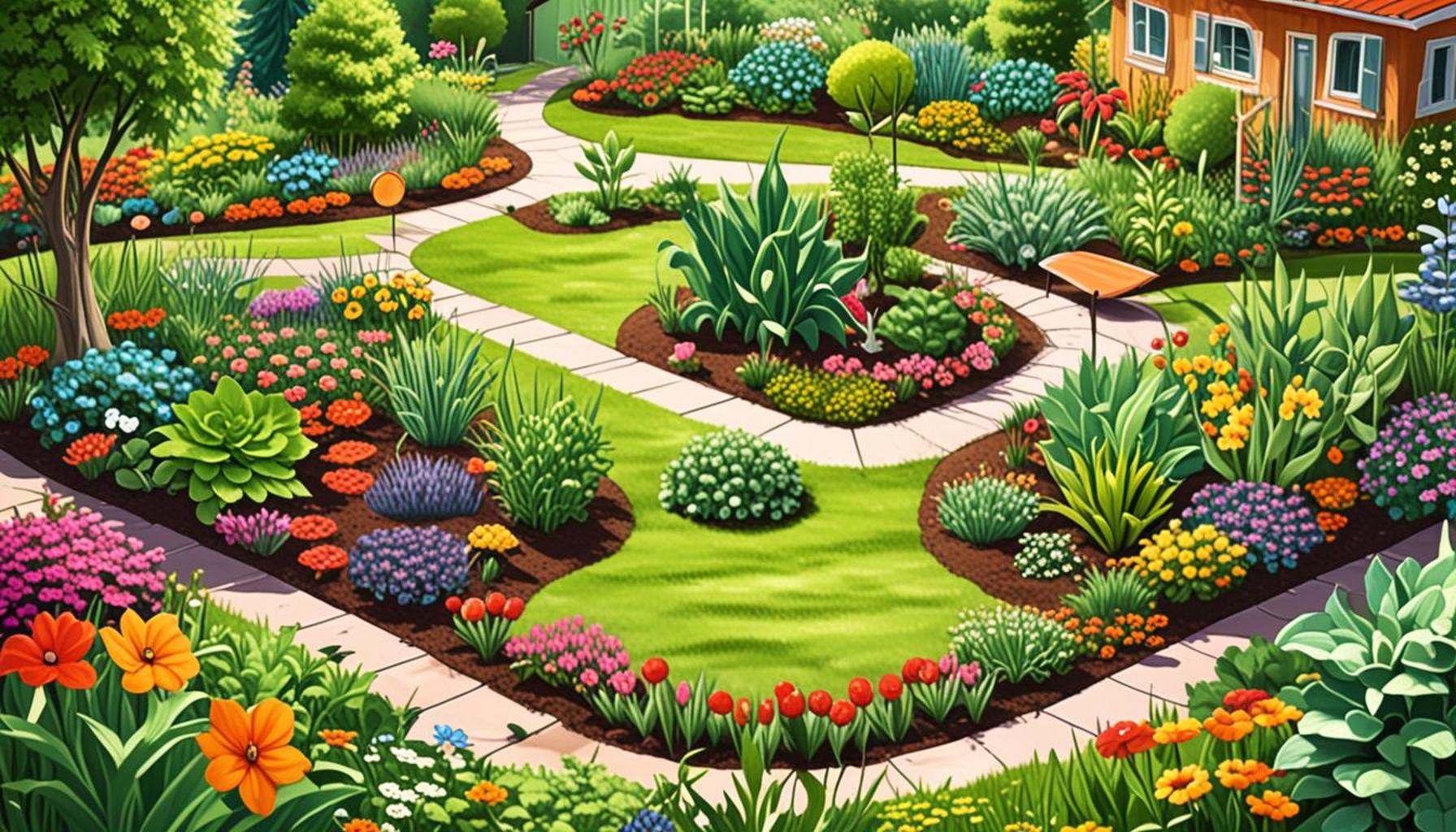
Unlocking the Secrets of Eco-Friendly Gardening
As environmental concerns continue to rise, many are turning to sustainable gardening techniques as a means to connect with nature while minimizing their ecological footprint. This creative hobby not only enhances personal well-being but also contributes positively to the planet’s health. By embracing eco-friendly practices, you can transform your garden into a vibrant habitat that supports biodiversity and sustainability.
Incorporating sustainability into gardening offers numerous benefits, including:
- Improved soil health through organic practices
- Conservation of water with efficient irrigation methods
- Reduction of waste through composting
- Encouragement of local wildlife with native plants
- Lower carbon footprint by reducing reliance on chemicals
Whether you’re a seasoned gardener or just starting, understanding these techniques can help create a more sustainable environment. In the upcoming sections, we will explore the Top 5 sustainable gardening techniques that can elevate your green space while making a positive impact on the ecosystem. Get ready to dig into these innovative ideas that bring beauty and sustainability to your outdoor oasis.
Top 5 Sustainable Gardening Techniques: Cultivating an Eco-Friendly Green Space
Sustainable gardening transcends mere aesthetics or fleeting trends—it’s an imperative movement towards preserving our environment. It embodies a commitment to nurturing our landscapes with utmost respect for nature, ensuring a harmonious coexistence between our cultivated needs and the earth’s ecological integrity. The sustainable gardening ethos is about creating lush, productive spaces that leave a positive imprint on the ecosystem. Let’s delve into the top five techniques that can empower gardeners to develop an eco-friendly paradise right in their backyards.
5. Water Conservation Techniques
In an era where water scarcity poses a growing threat, water conservation techniques have become indispensable in gardening practices. These strategies not only help in saving water but also in reducing garden maintenance costs while supporting environmental welfare. Here are pivotal methods to optimize water usage:

- Rain barrels: This age-old practice involves collecting rainwater from downspouts into barrels, offering a natural and cost-free water source for your garden. Using rain barrels is particularly beneficial in regions facing frequent droughts. Aside from efficacy, it fosters resourcefulness by maximizing the utility of seasonal precipitation.
- Drip irrigation: As a highly efficient watering system, drip irrigation ensures that plants receive targeted hydration directly to their roots. This technique significantly reduces water loss to evaporation and surface runoff, making it ideal for arid climates and water-stressed regions.
- Mulching: More than just aesthetic embellishment, mulching involves covering the soil with organic materials like straw, bark, or compost. This practice retains soil moisture, stabilizes soil temperature, suppresses weed growth, and gradually enriches the soil as the mulch decomposes.
Utilizing these techniques ensures that every precious drop of water contributes to a thriving, sustainable oasis, making gardening an enjoyable and guilt-free pursuit.
4. Composting
Composting is the cornerstone of sustainable gardening, turning waste into value by recycling organic matter into nutrient-rich soil. This practice not only reduces landfill burden but also enhances soil productivity.
Composting can begin with a simple bin or a corner of your garden dedicated to this ecological activity. Mix green materials like fruit scraps and grass clippings, rich in nitrogen, with brown materials like dried leaves and cardboard, high in carbon. This carbon-nitrogen ratio is essential for creating a balanced compost, rich in soil-building agents and teeming with beneficial microbes.
The process transforms seemingly useless waste into black gold—humus that improves soil texture, moisture retention, and plant vitality. Composting exemplifies the perfect cycle of life in the garden, where decay and growth perpetually fuel each other.
3. Native Plants and Biodiversity
Choosing native plants is pivotal in promoting a biodiverse and resilient garden ecosystem. Native flora is naturally adapted to your locale’s climatic and soil conditions, reducing the need for additional water, fertilizers, and pesticides.
A diverse selection of native plants offers a haven for local fauna, supporting wildlife from beneficial insects to birds and small mammals. Birds control pests, while pollinators like bees and butterflies enhance plant reproduction, completing the life cycle seamlessly.
Incorporating native plants creates a garden that resonates with the surrounding environment, ensuring it thrives sustainably while contributing positively to local biodiversity.
2. Organic Pest Control
A healthy garden must balance pest management with environmental respect, primarily achieved through organic pest control strategies that forgo harsh chemicals.
- Beneficial insects: Cultivate an environment attractive to predatory insects like ladybugs and lacewings. These natural allies cope effectively with pest control, especially in aphid-riddled gardens.
- Neem oil: This plant-derived treatment disrupts the lifecycle of numerous pests without affecting non-target species, making it an invaluable tool in the organic gardener’s arsenal.
- Companion planting: Strategic plant combinations repel unwanted pests while certain plants bolster each other’s growth. For example, marigolds deter nematodes and basil enhances tomato growth.
Implementing these methods upholds the garden’s integrity, fostering a biodiverse and harmonious environment where plants are protected naturally and sustainably.
1. Permaculture Principles
The pinnacle of sustainable gardening lies in permaculture, a holistic approach inspired by natural ecosystems. Permaculture harmonizes with nature by integrating all garden elements, ensuring self-sufficiency and resilience.
This system is built on core principles such as:
- Observing and interacting: Understanding the flora, fauna, weather patterns, and soil profiles of your environment guides informed gardening decisions for optimal results.
- Use and value renewable resources: Incorporating renewable inputs like solar energy and harvesting water encourages an eco-friendly garden dynamic that matches nature’s cycles.
- Make the least change for the greatest effect: Small tweaks—like enhancing soil quality through compost or choosing climate-suited plants—can transform your garden from susceptible to sustainable.
Permaculture is about sensitivity to ecological patterns, making gardening an endeavor that enriches both the gardener and their environment.
By incorporating these sustainable gardening techniques, you’re not just cultivating a garden—you are nurturing a living tapestry that thrives in harmony with the planet. Dive into these practices, and you’ll find a deeper connection to the earth that rewards both your green thumb and the world at large.
| Category | Details |
|---|---|
| Soil Health and Composting | Using compost enriches the soil with organic matter and nutrients, promoting microbial health critical for plant growth. |
| Biodiversity Enhancement | Planting a variety of species attracts beneficial insects and wildlife, creating a balanced ecosystem crucial for sustainability. |
| Water Conservation Techniques | Implementing drip irrigation and rainwater harvesting reduces water wastage while efficiently meeting plants’ needs. |
| Natural Pest Control | Utilizing natural predators and companion planting limits the need for chemical pesticides, fostering a healthy garden. |
Exploring sustainable gardening techniques invites a deeper understanding of how our ecosystems operate and the profound impact our gardening choices have on the environment. For instance, by focusing on soil health through composting, gardeners can not only minimize waste but also enhance soil quality, fostering a vibrant habitat for various organisms. This leads to a healthier garden and ultimately a richer ecosystem.Furthermore, enhancing biodiversity in your garden supports pollinators like bees and butterflies, which are critical to plant reproduction and overall garden health. A diverse plant selection reduces pest populations naturally, creating a more resilient garden that thrives despite challenges such as climate variability and pest outbreaks.Moreover, water conservation techniques are pivotal in sustainable gardening. Drip irrigation systems and efficient rainwater management can drastically reduce water consumption, an increasingly valuable resource. These methods not only save money on water bills but also contribute positively to local water tables, helping alleviate water scarcity.Furthermore, understanding and implementing natural pest control methods fosters a more balanced garden ecosystem. By allowing beneficial insects to flourish, gardeners can create a self-regulating system that minimizes the need for harmful chemical interventions. This approach not only protects the plants but also preserves the overall health of our soil and atmosphere.Sustainable gardening techniques are not merely trends but essential practices for nurturing both gardens and the environment. As people embrace these methods, they engage in a vital conversation about food security, diversity, and the sustainable stewardship of our planet. Each garden serves as a living testament to the power of ecological awareness in promoting greener, healthier spaces.
Frequently Asked Questions About Sustainable Gardening Techniques
What are the key principles of sustainable gardening?
Sustainable gardening focuses on preserving the environment while creating a flourishing green space. The key principles include minimizing water usage, encouraging biodiversity, reducing chemical inputs, and enhancing soil health. By utilizing natural pest control methods and selecting native plants, gardeners can maintain a balance that benefits both the garden and the surrounding ecosystem.
How can I conserve water in my garden?
Water conservation is crucial for sustainable gardening. Techniques such as drip irrigation and mulching help retain soil moisture and reduce evaporation. Additionally, collecting rainwater and using graywater for irrigation are effective methods. Selecting drought-resistant plants can further decrease the need for frequent watering, promoting a more resilient garden during dry spells.
What makes native plants a sustainable choice?
Native plants are inherently adapted to the local climate, requiring less maintenance and fewer resources. They thrive in their natural environment and support local wildlife, including pollinators like bees and butterflies. By choosing native species, gardeners can create a robust ecosystem that enhances biodiversity while reducing the need for fertilizers and pesticides.
Can composting really make a difference in sustainable gardening?
Absolutely, composting is a vital component of sustainable gardening. It recycles organic waste into nutrient-rich soil, reducing the reliance on chemical fertilizers. Compost enhances soil structure, improves water retention, and promotes healthy plant growth. By transforming kitchen scraps and garden waste into compost, gardeners not only minimize landfill materials but also enrich their gardens naturally.
How do I manage pests without harmful chemicals?
Integrated Pest Management (IPM) is a strategic approach that minimizes pest damage through natural means. This includes encouraging predators like ladybugs, using crop rotation, and introducing companion planting to deter pests. Natural solutions such as neem oil or insecticidal soap can also be effective. The focus is on maintaining a balanced ecosystem where predators and beneficial insects help keep pest populations in check, reducing the need for chemical interventions.
Conclusion
By exploring the world of sustainable gardening techniques, one unravels a multitude of strategies aimed at creating eco-friendly green spaces. These approaches not only foster a deeper connection with nature but also contribute positively to environmental conservation. Through this article, we have delved into various methods such as composting, water conservation, native planting, permaculture design, and natural pest control, each offering unique benefits. These techniques serve as essential tools for any gardener seeking to minimize their ecological footprint while indulging in the gratifying hobby of gardening.
Composting stands out as a crucial practice, transforming organic waste into nutrient-rich soil, thus reducing landfill contribution and promoting healthier plant growth. Equally important is water conservation, an approach that optimizes water use through innovative irrigation systems and rainwater harvesting, ensuring sustainability even in resource-scarce locations. The strategic choice of native plants integrates seamlessly into local ecosystems, providing habitat and food sources for native wildlife and requiring less maintenance.
Permaculture design encourages the creation of self-sufficient, balanced ecosystems through thoughtful land management, while natural pest control eliminates the need for harmful chemicals, promoting biodiversity and the well-being of all garden inhabitants. These sustainable techniques not only nurture the environment but also enhance the gardening experience, making it a deeply creative and fulfilling pastime.
As we conclude, it is evident that sustainable gardening practices are vital in shaping our ecological future. They offer hobbyists a chance to contribute to environmental stewardship while enjoying the artistry and creativity of gardening. By embracing these methods, gardeners can pave the way for a greener, more sustainable planet, inviting others to explore and implement these enriching techniques. In doing so, not only do we preserve the natural world, but we also cultivate a legacy of sustainability for future generations to learn from and build upon.
Related posts:
Night Gardening: Exploring Plants that Bloom and Shine at Night
Gardening Exotic Fruits and Vegetables: Cultivating Unique Flavors at Home
Community Gardening: Strengthening Bonds Through Collective Cultivation
Seasonal Gardening: How to Plan and Maintain a Garden That Blooms All Year Round
Gardening for Kids: Fun Activities to Engage Little Ones with Nature
The Influence of Plants in Interior Decoration: Creating Cozy Environments with Green

Linda Carter is a writer and creative hobbies expert specializing in crafting, DIY projects, and artistic exploration. With extensive experience helping individuals discover their creative potential and bring their ideas to life, Linda shares her knowledge on our platform. Her goal is to empower readers with practical tips, inspiring ideas, and step-by-step strategies for success in the world of creative hobbies.