The Connection between Board Games and Creative Expression: Building Worlds and Narratives
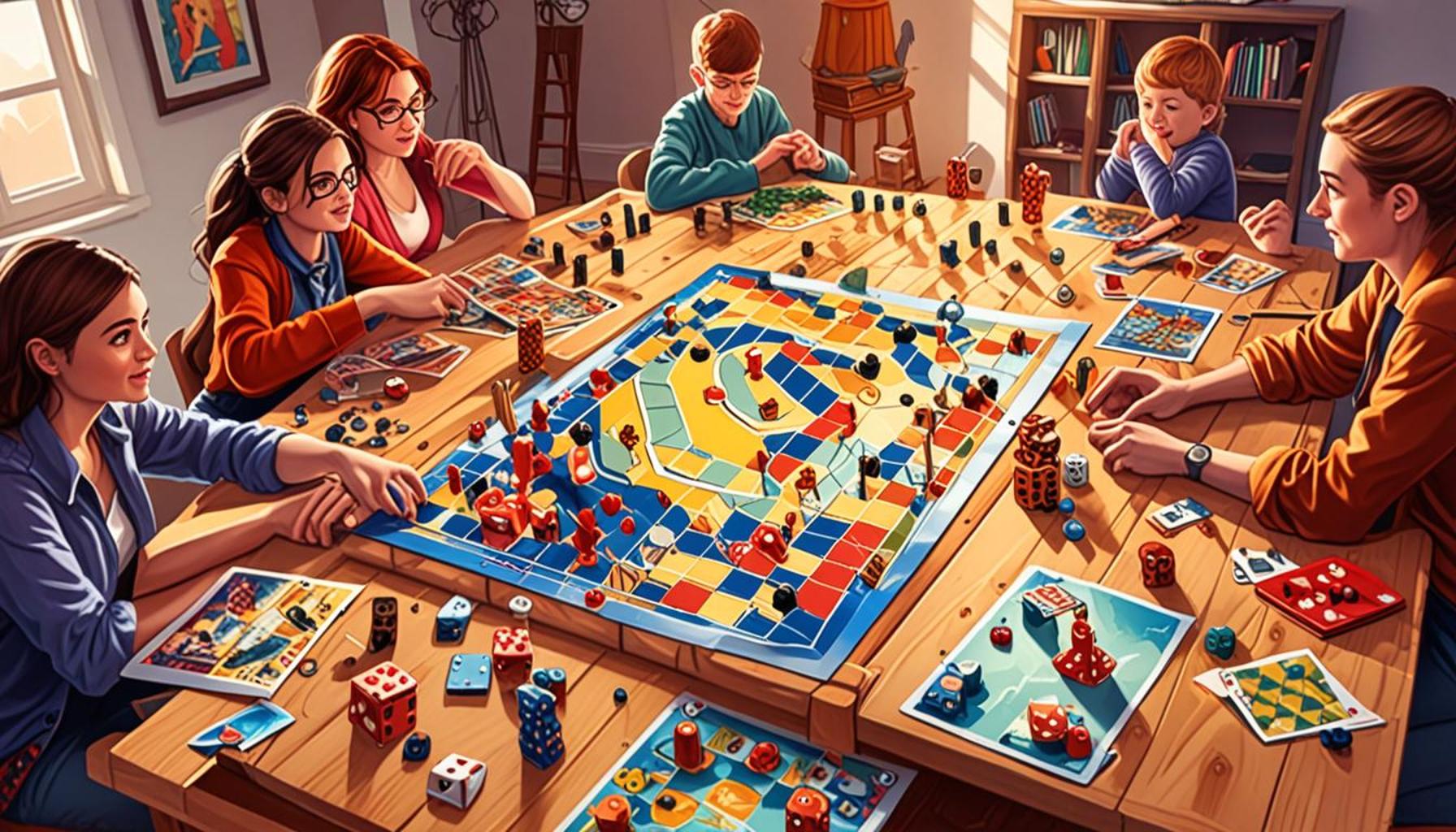
Understanding the Role of Board Games in Fostering Creativity
Board games have become much more than a pastime; they are now pivotal platforms for creative expression and collaborative storytelling. Each game can transport players to fantastical realms, allowing them to inhabit various roles and co-create intricate narratives. This merging of creativity and gameplay is a fascinating phenomenon that deserves exploration.
In the realm of board gaming, the emphasis shifts from mere competition to fostering innovation while also encouraging artistic exploration. The intricate connections between gameplay mechanics and creative potential can be seen in several aspects:
- World-Building: Games like Terraforming Mars and Scythe empower players to construct entire universes, shaping their environments through strategic and imaginative decisions. Such dynamics compel players to think critically about how their actions impact not just their individual gameplay but also the community.
- Character Development: Role-playing games such as Dungeons & Dragons affix players into tailored roles, encouraging them to develop rich backstories and unique traits. As they navigate challenges, players may invest heavily in their characters, leading to emotional investment and personal storytelling that can yield memorable moments in the game.
- Collaborative Storytelling: Modern board games like Above and Below and Gloomhaven emphasize teamwork and collective decision-making, allowing players to shape narratives influenced by group dynamics. These interactions cultivate a sense of community and shared experience, making every session different based on player choices.
Importantly, the current rise in board game popularity in the United States highlights a cultural shift toward appreciating analog experiences. In an increasingly digital world, people are turning back to tactile gaming as a means to connect with one another away from screens. The diverse array of genres available, spanning from whimsical party games to strategic war simulators, offers something for everyone, bridging age gaps and fostering shared experiences.
The intricate systems in board games reveal profound connections among players, serving as a microcosm for discussions about creativity, collaboration, and the art of storytelling. Those who delve into the nuances of this expansive world will undoubtedly find that the intersection of gameplay and artistry holds untold possibilities for exploration and connection.
DISCOVER MORE: Click here to uncover the therapeutic benefits of DIY crafting
Exploring the Mechanics of Creativity in Board Games
The intricate mechanics of board games serve as gateways for players to engage in creative expression while crafting unique narratives. Within the structured rules and goals, there exists a vast landscape where imagination flourishes. This section delves into the mechanics that make board games not just a contest of skill, but an opportunity to build stories and explore creativity through various forms.
One of the dominant features contributing to creative expression is the game mechanics themselves. Players encounter diverse systems that not only dictate actions but also evoke emotion and storytelling. For example, cooperative games like Forbidden Island not only require strategic thinking to prevent disaster but also foster a shared narrative as players unite against the overwhelming forces of nature. This sense of collaboration reinforces bonds between players as they work together to save their island from impending doom.
Additionally, the element of strategy encourages players to embrace a level of decision-making that directly impacts the game’s narrative. In games like Brass: Birmingham, players build industries while navigating societal changes, providing a canvas for storytelling. Each player’s choices not only lead to personal victories but also construct a collective story reflecting economic evolution. Through this lens, players exercise creativity in how they approach challenges, crafting their narratives based on a shared trajectory of success or failure.
Player Agency and Narrative Outcomes
Board games also excel at granting players a remarkable degree of agency, allowing them to shape not only their destinies but also the outcomes of the game’s narrative. The ability to make choices—whether it’s how to approach a problem or which path to take—constructs a sense of ownership in the unfolding story. In Arkham Horror, players face eldritch horrors while making decisions that can alter the fabric of the storyline completely. The multiplicity of routes available allows for unique experiences each time the game is played.
- Diverse Outcomes: Each playthrough can lead to vastly different scenarios based on player choices, enabling a unique narrative arc every time.
- Character Interaction: The dynamics among characters can lead to rivalries or alliances that enrich the storytelling experience.
- Player Narratives: Every player’s perspective contributes to the broader narrative, reflecting personal experiences and styles of play.
Ultimately, the interwoven elements of strategy, agency, and collaboration within board games open up avenues for creative expression. Players are not mere participants; they become co-authors of vibrant stories filled with twists and turns. As the board is set and the dice are thrown, the real magic unfolds: creativity finds its space, and narratives are born.
The Connection between Board Games and Creative Expression: Building Worlds and Narratives
As players delve into the intricate realms of board games, they often find themselves not just engaged in a simple pastime but are instead part of a much larger creative venture. The process of crafting and navigating various narratives within gameplay fosters profound opportunities for creative expression. From strategy-based games that require players to construct elaborate plans, to role-playing games that allow for character development and storytelling, the engagement with these themes can be transformative.Board games often provide a structured environment where creativity is unlocked. Players can immerse themselves in the lore and backstories of the game world, facilitating a deeper connection with the game and with each other. The act of collaboratively creating narratives as players interact enriches their experiences and encourages teamwork in imaginative ways. This social aspect further amplifies the benefits, as participants share their unique perspectives, leading to enriched dialogues and bonding opportunities.In addition to storytelling, board games can inspire players to create their own worlds. Whether through expansions, homebrew rules, or completely original games, enthusiasts exercise their imagination and challenge conventional limits—blurring the lines between creator and player. This blending of roles is particularly significant, as it exemplifies how board games can serve as a platform for self-expression and artistry.The value of board games extends even further into educational realms, where they become a tool for learning. Creative play through games can enhance skills such as critical thinking, problem-solving, and even literacy. Through the exploration of game mechanics and narratives, players can develop a deeper understanding of storytelling techniques, dose themselves with cultural references, and explore moral dilemmas—all while having fun.To further illustrate these themes, we have compiled a table that highlights some key advantages associated with playing board games as a medium for creative expression.
| Category | Details |
|---|---|
| Storytelling and Narrative Development | Engages players in crafting and sharing stories, enhancing narrative skills. |
| Collaboration and Social Interaction | Promotes teamwork and communication through shared gameplay experiences. |
The exploration of creative expression in board games is more than an entertaining escape; it is a gateway to deeper understanding and connection, encouraging players to engage with their own imaginations and collaborate with others. Whether drawing characters, modifying existing rules, or sharing personal stories, the way board games intertwine creativity and social interaction continues to captivate an expanding audience. As the world of board gaming continues to grow, exploring these elements further paves the way for new adventures and artistic exploration.
DIVE DEEPER: Click here to learn how music can uplift your mental health
Cultivating Imagination through World-Building
The world-building aspect of board games is a crucial pillar that heightens players’ creative expression. Through immersive settings and detailed lore, games invite players into meticulously crafted universes that serve as backdrops for their tales. This section explores how board games facilitate creative expression through the art of world-building, pushing the boundaries of imagination to new heights.
At the heart of world-building are games like Dungeons & Dragons, which not only assign roles to players but also empower them to shape their narrative and surroundings. Defined by its flexibility, D&D encourages players to create entire mythologies, exploring cultures, histories, and even languages as they work through campaigns. The Dungeon Master (DM) acts as a facilitator and storyteller, but it’s the players’ creativity that fuels the narrative ongoing journeys. A character’s backstory could intertwine with the broader events, creating a rich tapestry of interrelated stories that enhances the overall experience.
Game Components as Catalysts for Creativity
In addition to imaginative storytelling, the physical components of board games stimulate creativity. Visual elements, such as artwork and game pieces, can inspire players, invigorating their imaginative capacities. Games with evocative illustrations or detailed miniatures, like Wrath of Ashardalon, lend themselves to storytelling by providing vivid imagery that players can anchor their narratives. The tactile experience of moving pieces and flipping cards enhances engagement, making the world feel tangible and alive.
- Visual Storytelling: The artwork and design in board games act as a canvas for the players’ narratives, giving life to the stories being enacted.
- Modular Elements: In games like Gloomhaven, modular board designs allow for unique layouts on each playthrough, inviting players to adapt their strategies and narratives to evolving environments.
- Player-Created Content: Many board games encourage players to design their scenarios or expansions, such as Super Dungeon Explore, fostering a community that thrives on creativity.
The integration of gameplay mechanics with visualization enriches the narrative experience, evolving players from mere participants to imaginative pioneers of their worlds. As they navigate through the game, players shape environments and alter outcomes through inventive play, encouraging creative thinking and collaborative world-building.
The Role of Feedback and Reflection
Ultimately, another facet of creative expression in board games is the feedback loop created among players. Every choice made within the game can prompt discussions, reflections, and critiques that further the narrative experience. This aspect is especially clear in legacy games, such as Charterstone, where players develop their village over the course of several sessions, altering the game board and story with each decision. Each encounter leads to reflection, prompting players to articulate their thoughts and feelings about the evolving narrative.
- Discussing Choices: After each session, players can analyze their decisions, share interpretations, and even adjust strategies, fostering a deeper understanding of their characters and narratives.
- Community Input: Many board games, particularly in digital formats, embrace community feedback, leading to ongoing evolution of storylines and gameplay.
- Celebratory Moments: Triumphs or tragedies experienced within the narrative often encourage storytelling beyond the game, often leading to shared memories and bonds that extend beyond the tabletop.
This dynamic interplay of feedback and creativity not only enhances player engagement but also enriches the collaborative storytelling experience. Through their voices and choices, players contribute to a fluid narrative landscape that reflects their collective creativity, demonstrating how board games can be a powerful medium for artistic expression and imaginative exploration.
DISCOVER: Click here to learn more about the therapeutic power of music
Conclusion
In exploring the connection between board games and creative expression, it becomes clear that these games serve as more than just a source of entertainment. They act as dynamic platforms for world-building and storytelling that invite players to unleash their imaginations. From the rich narratives woven through campaigns in Dungeons & Dragons to the tactile experiences provided by visually stunning components, board games foster an environment ripe for creative exploration.
Through game mechanics that encourage improvisation and the collaborative nature of play, participants are not just players but storytellers and architects of intricate narratives. The iterative feedback loop present in many games enables not only immediate reflection on choices but also long-lasting connections formed among players as they navigate their unique stories. This engagement transcends the game board, creating shared memories that continue to enrich relationships and communities.
As we delve further into this captivating intersection of creativity and gameplay, it becomes evident that board games can empower individuals to express themselves artistically. Whether through visual storytelling, player-created content, or ongoing discussions about chosen paths, the act of playing these games nurtures both personal and communal narratives. The next time you gather around a game board, consider the profound stories waiting to be crafted and the imaginative worlds just beyond the dice and cards. It is within these realms that the true power of creative expression is realized.
Related posts:
How Painting and Drawing Help in Emotional Expression
The Writing of Journals as a Tool for Self-Discovery and Personal Expression
The Evolution of Artistic Expression through Creative Hobbies
The Art of Cooking: How Cooking Becomes a Form of Creative Expression
The Benefits of Digital Art as a Form of Creativity and Innovation
The Importance of Music as a Form of Artistic Expression in Everyday Life

Linda Carter is a writer and creative hobbies expert specializing in crafting, DIY projects, and artistic exploration. With extensive experience helping individuals discover their creative potential and bring their ideas to life, Linda shares her knowledge on our platform. Her goal is to empower readers with practical tips, inspiring ideas, and step-by-step strategies for success in the world of creative hobbies.