The Evolution of Craft Making: Traditional vs. Modern
The Evolution of Craft Making
The world of craft making has witnessed a dynamic transformation over the centuries. From ancient techniques that have been passed down through generations to the modern innovations that redefine artistry, this evolution continues to shape cultures and communities. Understanding how traditional and modern craft practices differ not only reveals the essence of creativity but also highlights changes in technology, culture, and societal values.
Craft making, in its traditional form, encompasses methods that are deeply rooted in history. For instance, weaving textiles by hand has been an integral part of many indigenous cultures. Weavers often employ family techniques and patterns that carry cultural significance. In the Andes, artisans create vibrant textiles that tell the stories of their communities through color and design. Similarly, pottery crafted with clay and primitive kilns employs age-old practices to create functional and decorative items. Native American potters, such as those from the Pueblo tribes, emphasize traditional forms and techniques to create unique, hand-painted pots that serve both artistic and practical purposes. Moreover, woodworking has a rich legacy, with craftspeople relying on hand tools and intricate joinery methods. For example, Shaker-style furniture, renowned for its simplicity and functionality, showcases not just utility but also a deep appreciation for craftsmanship.
In contrast, the modern craft movement is characterized by technological advancements that have drastically altered the landscape of creativity. Digital design allows artisans to use sophisticated software to create precise and novel designs that were previously unimaginable. Graphic design tools such as Adobe Illustrator enable artists to produce intricate patterns that can be replicated with high fidelity. 3D printing is another revolutionary aspect of modern crafts, allowing for the mass production of customized items, which can cater to individual customers’ preferences. This technology enables artists to experiment with complex geometries and materials, offering a new avenue for expression. Furthermore, the focus on sustainable materials has risen sharply in recent years, as artisans strive to use eco-friendly practices in their work. Brands like Patagonia and Etsy highlight this trend, encouraging consumers to support sustainable craft that reduces environmental impact.
As we delve deeper into this fascinating journey, the nuances between traditional craftsmanship and modern techniques unfold in the context of a larger societal shift. Exploring these differences enhances our appreciation for the skill involved while sparking a conversation about the future of craft in our fast-paced society. The question looms: what does it mean to be a craft maker today, and how will the evolution continue to impact artisans across the United States and beyond? In various regions, from the bustling craft fairs of New York to the handmade markets in Austin, the answers are as diverse as the artisans themselves. Engaging in this ongoing dialogue not only celebrates the artistry of the past but also embraces the innovative spirit of contemporary craft making.
DISCOVER MORE: Click here to dive into my musical journey
Traditional Craftsmanship: The Heart of Handmade Art
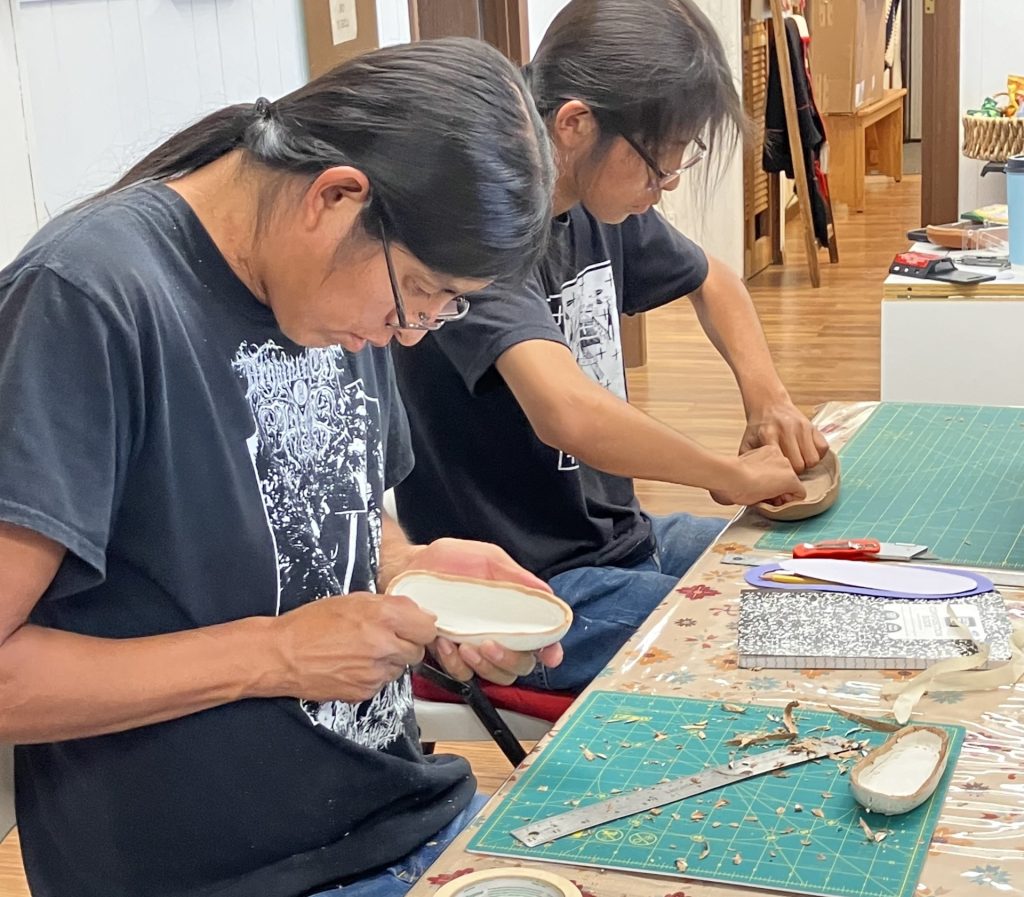
At the core of traditional craftsmanship lies a profound connection to culture and heritage. For many communities, crafting is not merely a trade but a vital thread in the fabric of their identity. Traditional methods have been honed and perfected over centuries, with artisans passing down skills through apprenticeships, workshops, and family gatherings. Notably, this form of art is often characterized by its use of locally sourced materials and adherence to time-honored techniques which imbue each piece with unique storytelling elements.
One of the most captivating examples of traditional craft making can be found in the realm of ceramics. Crafting pottery remains a quintessential practice, particularly among communities in the United States, such as the Pueblo people. Their skillful hand-formed, richly decorated pots are not only functional but also encapsulate centuries of history, spirituality, and social norms. Each item produced offers a glimpse into the worldviews and traditions of its makers.
Another pivotal area of traditional crafting is basket weaving. Indigenous tribes across the U.S. have cultivated this art for millennia, creating intricate and beautiful designs. With materials ranging from willow to sweetgrass, each woven piece serves practical uses, such as storage, as well as ceremonial purposes. The designs often reflect cultural narratives, reinforcing community ties while showcasing the artisans’ dexterity.
In addition to pottery and weaving, hand-stitched quilting illustrates the timelessness of traditional crafts. Quilting is not solely about aesthetics; it has historically served as a means of survival and community bonding, especially during America’s more challenging times. Each quilt tells a story—whether of family milestones, regional patterns, or social movements. The artistry behind these quilts lies in the personal stories embedded within the stitches, making them sentimental keepsakes.
Key Characteristics of Traditional Craft
- Hands-on Techniques: Artisans typically utilize hand tools and traditional techniques, avoiding high-tech machinery.
- Cultural Emphasis: Craft holds cultural significance, often reflecting community stories and values.
- Unique Craftsmanship: Each piece is unique, influenced by the artisan’s style, skill, and the local environment.
- Time-Intensive Process: Traditional crafting often requires considerable time and effort, reinforcing the value of patience and dedication.
Despite the beauty and history encapsulated in traditional crafts, their relevance faces challenges in a rapidly evolving world. As modern techniques and materials gain popularity, questions arise regarding the sustainability and future of traditional methods. Will they continue to thrive, or will they fade into obscurity in the wake of modern innovations? The dialogue around these contrasting methodologies is essential for understanding the broader implications of craft making today.
| Traditional Craft Making | Modern Craft Making |
|---|---|
| Heritage Techniques | Innovative Approaches |
| Relies on centuries-old methods often passed down through generations. | Employs technology and materials that enhance creativity and efficiency. |
| Artisanal Quality | Scalability |
| Focuses on handmade products with unique character and durability. | Facilitates mass production, allowing a broader market reach and price competitiveness. |
As we explore the intriguing contrasts between traditional and modern craft making, we uncover a dual narrative that holds significance in today’s creative landscape. Traditional craft making encapsulates the essence of heritage, where artisans utilize techniques honed through ages, creating pieces that embody history and culture. This hands-on approach results in artisanal quality, which is celebrated for its uniqueness and depth. On the other hand, modern craft making leverages innovative approaches, utilizing technology that not only enhances design possibilities but also ensures efficiency in production. This paradigm shift fosters scalability, enabling artisans to reach a wider audience while maintaining affordability. The juxtaposition between the two realms sparks vital discussions surrounding authenticity, sustainability, and consumer preferences, encouraging a broader examination of their implications in our rapidly evolving world. Both traditional and modern methods enrich the craft making landscape, urging us to explore not only the techniques but also the philosophies that drive them forward. Each has its distinct advantages, inviting enthusiasts to delve deeper into the rich narrative that underscores the evolution of craft making.
DIVE DEEPER: Click here to discover more about the evolution of artistic expression
The Rise of Modern Crafting Techniques: Innovation and Adaptation
In stark contrast to traditional craftsmanship lies the world of modern crafting techniques, a domain where innovation and technology have taken center stage. Emerging in the late 20th century, modern craft has harnessed the strength of industrial processes, advanced technology, and global materials availability. The contemporary crafting movement often celebrates personal expression and individualism, allowing artists to fuse traditional elements with modern aesthetics and practices.
One prominent example can be observed in the field of 3D printing. This technology has revolutionized the way craftsmen produce items—enabling them to create intricate designs that were previously unattainable with traditional methods. Designers can now turn digital blueprints into physical objects, blurring the lines between art and technology. Companies utilize 3D printing not only for commercial purposes but also for creating bespoke items that cater to unique customer preferences. For instance, modern furniture designers often combine 3D printing with sustainable materials, resulting in stylish, eco-friendly pieces.
DIY culture and the resurgence of crafting communities also reflect the modernization of craft making. Social media platforms such as Instagram and Pinterest have created a space where crafters can share their creative processes and finished pieces with a broader audience. This visibility encourages collaboration and fosters innovation within the crafting community. The popularity of homemade crafts, particularly among younger generations, has led to the emergence of subscription-based crafting kits, providing easy access to modern tools and supplies.
Moreover, technology has facilitated the rise of e-commerce platforms, empowering artisans to reach a global market. Crafters can now sell their unique creations on sites like Etsy and Amazon Handmade, streamlining the buying process and connecting them with consumers who seek personalized goods over mass-produced alternatives. This shift signifies not just a commercialization of craft but also a transformation of the consumer experience, where buyers are more inclined to value the story and artistry behind each object.
Key Characteristics of Modern Craft
- Technological Integration: Incorporating advanced tools and technologies, such as laser cutting and 3D modeling.
- Global Accessibility: Sourcing materials and techniques from around the world, enabling diverse styles and influences.
- Personalization: Offering consumers tailored experiences through customizable products.
- Community Building: Cultivating a sense of belonging among crafters and fostering collaborations through online platforms.
However, the technological evolution of craft making has ignited a debate regarding its impact on traditional practices. Advocates of modern methods celebrate the opportunity for wider artistic expression and the potential to engage a new generation. Conversely, critics voice concerns about the authenticity and cultural significance of crafts produced without the depth of tradition. This conversation challenges both artisans and consumers to reflect on what they value in craft making—whether it is the time-honored techniques of the past or the limitless possibilities of modern innovation.
DISCOVER MORE: Click here to dive deeper
Conclusion: Bridging Traditions with Modern Innovations
As we delve into the intricate tapestry of craft making, it becomes evident that both traditional and modern techniques offer unique contributions to this ever-evolving field. Traditional craftsmanship, steeped in cultural significance and timeless skills, emphasizes the rich heritage passed down through generations. It celebrates the meticulous attention to detail and the stories woven into each handmade piece. On the other hand, modern crafting techniques harness the power of technology and innovation to push boundaries, paving the way for new artistic expressions and unprecedented possibilities.
The intersection of these two worlds creates a dynamic landscape, inviting exploration and creativity. While modern advancements such as 3D printing and e-commerce platforms enhance accessibility and personalization, they also raise important questions about the essence of craftsmanship. Are we diluting tradition in the pursuit of innovation, or are we expanding the definition of what craft can be? This dialogue serves not only to question our values as consumers and creators but also to inspire collaboration and fusion between past and present methods.
Ultimately, the evolution of craft making challenges both artisans and enthusiasts alike to engage in a deeper understanding of their craft. By recognizing the value of both traditional techniques and modern innovations, we cultivate a richer appreciation for the art of making. As the craft community continues to grow and diversify, the future of crafting promises to be an exciting blend of heritage and invention—where the stories of yesterday and the aspirations of tomorrow coexist, shaping the unique narrative of craftsmanship in our lives.
Related posts:
The Importance of Craft Making in the Preservation of Traditional Artisan Techniques and Their Conte...
The Impact of Craft Making on Mental Health: Creativity as a Self-Care Tool
Sustainable Craft Making: How to Create with Recycled Materials
Craft Making as a Form of Personal Empowerment: Turning Ideas into Reality
Craft Making and Cultural Identity: Celebrating Traditions Through Creation
Integrating Technology into Craft Making: Digital Tools for Modern Artisans

Linda Carter is a writer and creative hobbies expert specializing in crafting, DIY projects, and artistic exploration. With extensive experience helping individuals discover their creative potential and bring their ideas to life, Linda shares her knowledge on our platform. Her goal is to empower readers with practical tips, inspiring ideas, and step-by-step strategies for success in the world of creative hobbies.