The Impact of Craft Making on Education: Developing Creative Skills in Children and Young People
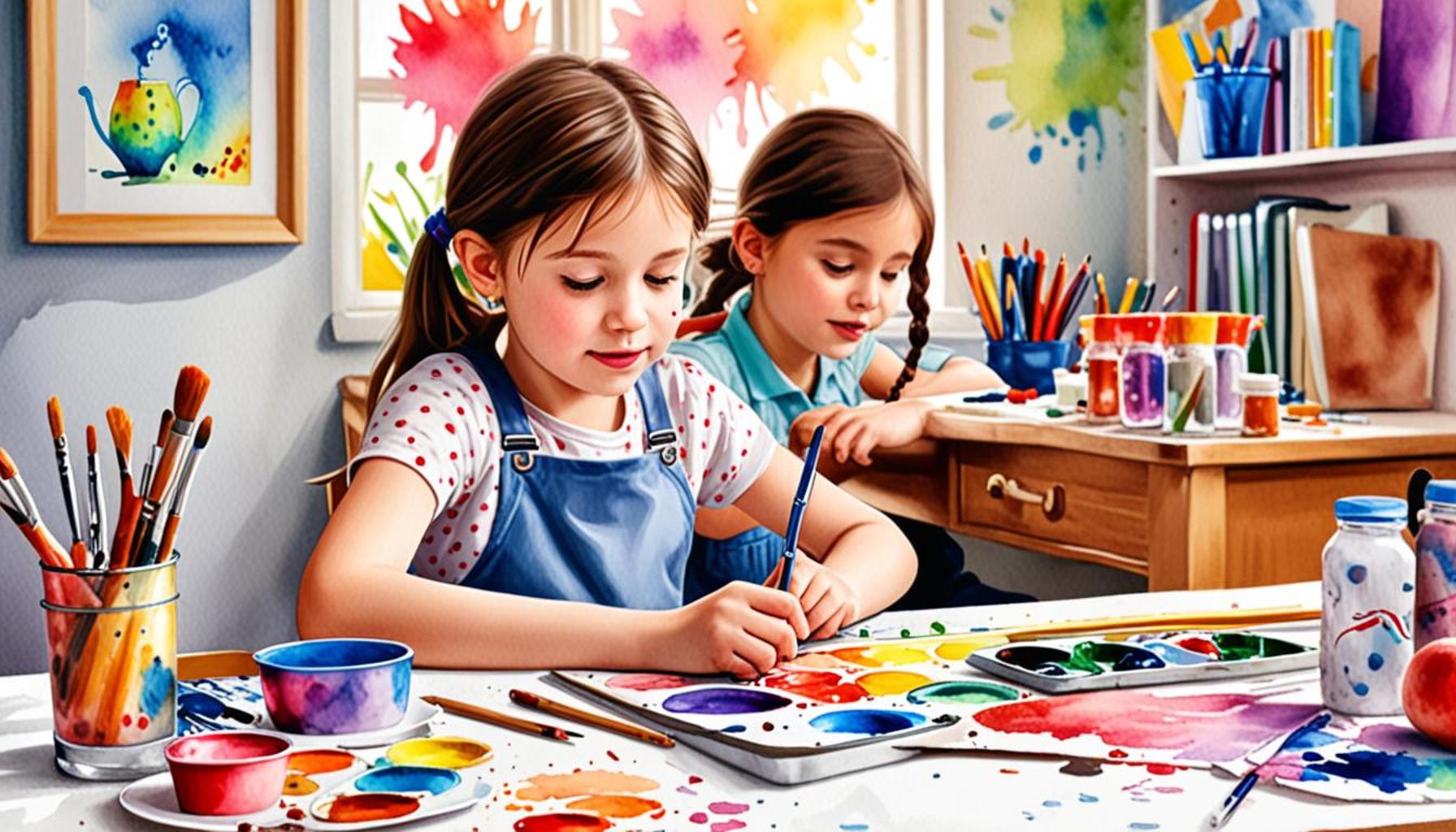
Unlocking Creativity Through Craft Making
In today’s rapidly changing educational landscape, the value of craft making has emerged as an essential tool for enhancing creativity among children and young people. Craft projects invite students to engage their imagination and foster a hands-on approach to learning. As a result, craft making integrates creativity into education and equips young learners with various skills beneficial for their personal and academic growth.
Craft making does not merely serve as a recreational activity; it acts as a catalyst for holistic development. Many educators and psychologists advocate for the implementation of craft projects in school curriculums, recognizing their multifaceted benefits. For example, a simple activity like building a birdhouse provides children with more than just a finished product; they learn to plan, measure, and execute a project, reinforcing both math and artistic skills in a cohesive manner.
Consider the following ways craft making influences educational outcomes:
- Critical Thinking: Each craft project presents its unique set of challenges that require children to think critically. Whether it’s determining what materials are most effective for a specific design or troubleshooting when something doesn’t go according to plan, these experiences encourage kids to innovate and explore creative solutions.
- Collaboration: Many crafts are best completed in groups, such as creating a mural or organizing a bake sale. These collaborative projects foster a spirit of teamwork and communication, skills that are vital not only in school but also in future workplaces. For instance, while working on a group project, children discuss roles, share ideas, and negotiate differences to achieve a unified goal.
- Fine Motor Skills: Engaging in craft activities enhances coordination and dexterity. Cutting, gluing, painting, and assembling all require specific hand movements that develop fine motor skills, crucial for writing and other day-to-day tasks. Activities like sewing or clay modeling are particularly effective in honing these abilities.
Moreover, studies suggest that active participation in craft making can lead to higher engagement levels in school, as children often see tangible results from their efforts. The gratification of creating something with their own hands can significantly boost self-esteem and motivation. In this context, craft making not only nurtures artistic expression but also cultivates a lifelong love for learning.
The long-term benefits of craft making extend beyond the classroom. Skills acquired through these activities can result in a generation of innovative thinkers who are well-equipped to tackle complex challenges in various fields, including technology and the arts. For educators and parents alike, recognizing the impact of these activities is crucial in shaping young minds into capable and creative individuals.
As we delve deeper into how craft making transforms educational environments, exploring its profound effects on developmental skills and creativity in young minds can provide further insights into its significance. From enhancing cognitive development to promoting emotional well-being, craft making is indeed a transformative tool in modern education.
DISCOVER MORE: Click here to dive into the evolution of home cooking
The Role of Craft Making in Cognitive Development
One of the most notable impacts of craft making on education is its ability to enhance cognitive development among children and young people. Engaging in craft activities promotes critical thinking and problem-solving skills, essential components of a well-rounded education. Consider how an art project demands students to think about design elements, colors, and materials. Each decision made during the process requires them to weigh options and predict outcomes, which are crucial cognitive skills used across various subjects, including math and science.
Furthermore, craft making encourages exploratory learning. Unlike traditional educational methods that often emphasize rote memorization, crafting allows students to experiment and learn through trial and error. For example, a child attempting to create a new texture with paper mâché may learn about the properties of materials or the fundamentals of structure. This hands-on approach promotes a deeper understanding of scientific and mathematical concepts through direct engagement.
Fostering Emotional and Social Growth
In addition to cognitive benefits, craft making is instrumental in developing emotional intelligence and social skills among young learners. When children engage in collaborative projects, they learn to express their feelings, negotiate ideas, and cooperate with peers. A group project, like creating a community garden, allows children to share responsibilities and resolve conflicts, pivotal experiences for their emotional growth.
Moreover, successfully completing a craft project enhances a child’s self-confidence. The satisfaction of seeing a tangible result from their effort reinforces a sense of accomplishment. Research indicates that boosting self-esteem through creative activities can lead to improved academic performance. When kids take pride in their handiwork, they are more likely to participate actively in class discussions and take risks in other learning areas.
The Long-Lasting Effects of Craft Making
The enduring impact of craft making extends into adulthood, as individuals often retain creative skills cultivated during their formative years. According to the National Endowment for the Arts, involvement in creative activities can have lifelong benefits, shaping how individuals approach challenges in daily life and their careers. As such, recognizing the importance of craft making in education is essential for fostering a generation of innovators capable of critical thought, effective collaboration, and emotional awareness.
Lastly, incorporating craft making into educational settings can bridge gaps in traditional education methods. By providing diverse avenues for expression and learning, educators can address the needs of varied learners, ensuring that every student has the opportunity to flourish. With this understanding, the inclusion of craft activities becomes not just advantageous, but necessary for cultivating the skills required in an increasingly complex world.
| Advantages of Craft Making | Impact on Education |
|---|---|
| Enhanced Creativity | Craft making fosters an environment where children can express imagination through tangible creations. |
| Improved Problem Solving | Crafts promote critical thinking by encouraging children to devise solutions, enhancing their cognitive abilities. |
| Social Skills Development | Group craft activities help develop teamwork and communication skills, essential for collaborative learning. |
| Emotional Well-Being | Engaging in crafting can reduce stress and anxiety, contributing to a child’s overall mental health. |
Craft making has a profound influence on education, particularly in developing key creative skills in children and young people. By enhancing creativity, crafting allows young learners to think outside the box and generate original ideas. This imaginative play can lead to innovative solutions in various academic subjects, ultimately influencing their approach to problem solving. Furthermore, by participating in group craft sessions, children can develop essential social skills, fostering collaboration and effective communication.Moreover, the hands-on nature of craft activities can help improve focus and attention, as children are required to concentrate on detailed tasks. These concentrated efforts can translate into better performance in more formal educational settings. Additionally, crafting provides children with a sense of achievement and boosts their self-esteem as they complete projects. This gratifying experience can have a lasting impact on their motivation toward learning. Overall, the interconnection between craft making and education underlines its significance in nurturing well-rounded individuals.
DIVE DEEPER: Click here to discover sustainable crafting techniques
Craft Making as a Catalyst for Cultural Awareness
Another noteworthy aspect of craft making in education is its unique ability to promote cultural awareness and appreciation among children and young people. Crafts can be a window into diverse traditions, inviting students to explore heritage and history through hands-on activities. For instance, creating Native American beadwork or African textiles can immerse students in the rich narratives and customs of various cultures. Such activities not only foster an understanding of global complexity but also instill respect for diversity in a world that increasingly values multicultural perspectives.
Integrating craft making into the curriculum allows educators to teach valuable lessons about community, identity, and the global tapestry of society. Students learn the significance of crafts in various cultures, which can extend beyond mere aesthetic appreciation to deeper conversations about cultural significance and impact. This can lead to enhanced social awareness, allowing students to recognize their place in a diverse society, fostering empathy and understanding.
Encouraging Sustainability and Environmental Awareness
Craft making can also serve as an engaging entry point for discussions on sustainability and environmental awareness. Schools increasingly prioritize eco-friendly practices in their curricula, and craft projects often allow for creative recycling and upcycling opportunities. For example, using recycled materials such as plastic bottles or cardboard to create art projects not only beautifies the space but also teaches children about resource conservation and environmental stewardship.
Furthermore, crafting can illuminate concepts like the life cycle of materials, the environmental impact of consumerism, and the importance of reducing waste. Activities like making paper from recycled materials can inspire students to think critically about their consumption habits while simultaneously channeling their creativity into something tangible and fun. By embodying these principles through crafting, students learn about ethical responsibilities in a way that resonates and sticks with them, often leading to lifelong eco-conscious behaviors.
Building 21st Century Skills Through Crafting
In today’s rapidly changing world, the development of 21st century skills cannot be overstated, and craft making plays an essential role in this arena. These skills include creativity, collaboration, communication, and critical thinking—qualities that are increasingly sought after in the modern workforce. By participating in craft projects, students engage in creative thinking processes that stimulate innovation and originality. Developing a unique project or problem can lead children to devise creative solutions, preparing them for future challenges.
Moreover, craft-making projects can involve collaboration, where students work in teams to create something meaningful. Such teamwork teaches children how to communicate effectively, share responsibilities, and appreciate different perspectives, all valuable traits in professional environments where teamwork is critical. Studies indicate that students who collaborate on projects tend to produce higher-quality work and develop stronger relationships with peers, thus improving their overall school experience.
The flexibility inherent in craft making also encourages adaptability, a key skill in navigating the uncertainties of modern life. As children experiment with materials and techniques, they learn to pivot and adjust their approaches, a practice that becomes invaluable in all areas of education and beyond.
DISCOVER: Click here to learn about sustainable craft making
Conclusion
In summary, the impact of craft making on education is profound and multifaceted, serving as an essential vehicle for developing creative skills in children and young people. As demonstrated throughout this article, engaging in craft projects offers more than just a creative outlet; it enriches students’ learning experiences by fostering critical thinking, collaboration, and cultural awareness. Through hands-on activities, children gain insights into diverse traditions and values, enhancing their understanding of the world around them.
Moreover, the incorporation of sustainability themes in craft making empowers students to become more conscious consumers and advocates for the environment. These lessons instill a sense of responsibility that resonates into their adult lives, creating eco-aware citizens. By promoting adaptability in crafting practices, educators equip their students with vital skills needed to navigate a fast-evolving society, preparing them for future challenges in both personal and professional realms.
As schools continue to prioritize holistic education, the integration of craft making remains a crucial strategy for cultivating a generation that not only possesses necessary skills but also appreciates cultural diversity and environmental sustainability. Engaging with crafts can spark a long-lasting passion for creativity, making the effort to incorporate such practices into educational curricula a wise investment in our children’s bright and innovative futures. As we look ahead, it is essential to explore more opportunities for crafting within the educational landscape, as it undoubtedly leads to the nurturing of well-rounded, informed, and creative individuals.
Related posts:
Sustainable Craft Making: How to Create with Recycled Materials
Sustainability in Craft Making: How to Create Crafts with Recycled Materials
Craft Making and the Creative Economy: Business Opportunities for Independent Artisans
Craft Making as a Tool for Social Inclusion: Promoting Diversity and Accessibility in the Arts
The Intersection of Craft Making and Ecology: Ecological Practices for Sustainable Craftsmanship
Craft Making and Women's Empowerment: Stories of Women Who Transform Materials into Art

Linda Carter is a writer and creative hobbies expert specializing in crafting, DIY projects, and artistic exploration. With extensive experience helping individuals discover their creative potential and bring their ideas to life, Linda shares her knowledge on our platform. Her goal is to empower readers with practical tips, inspiring ideas, and step-by-step strategies for success in the world of creative hobbies.