The Importance of Graffiti as a Form of Protest and Cultural Expression
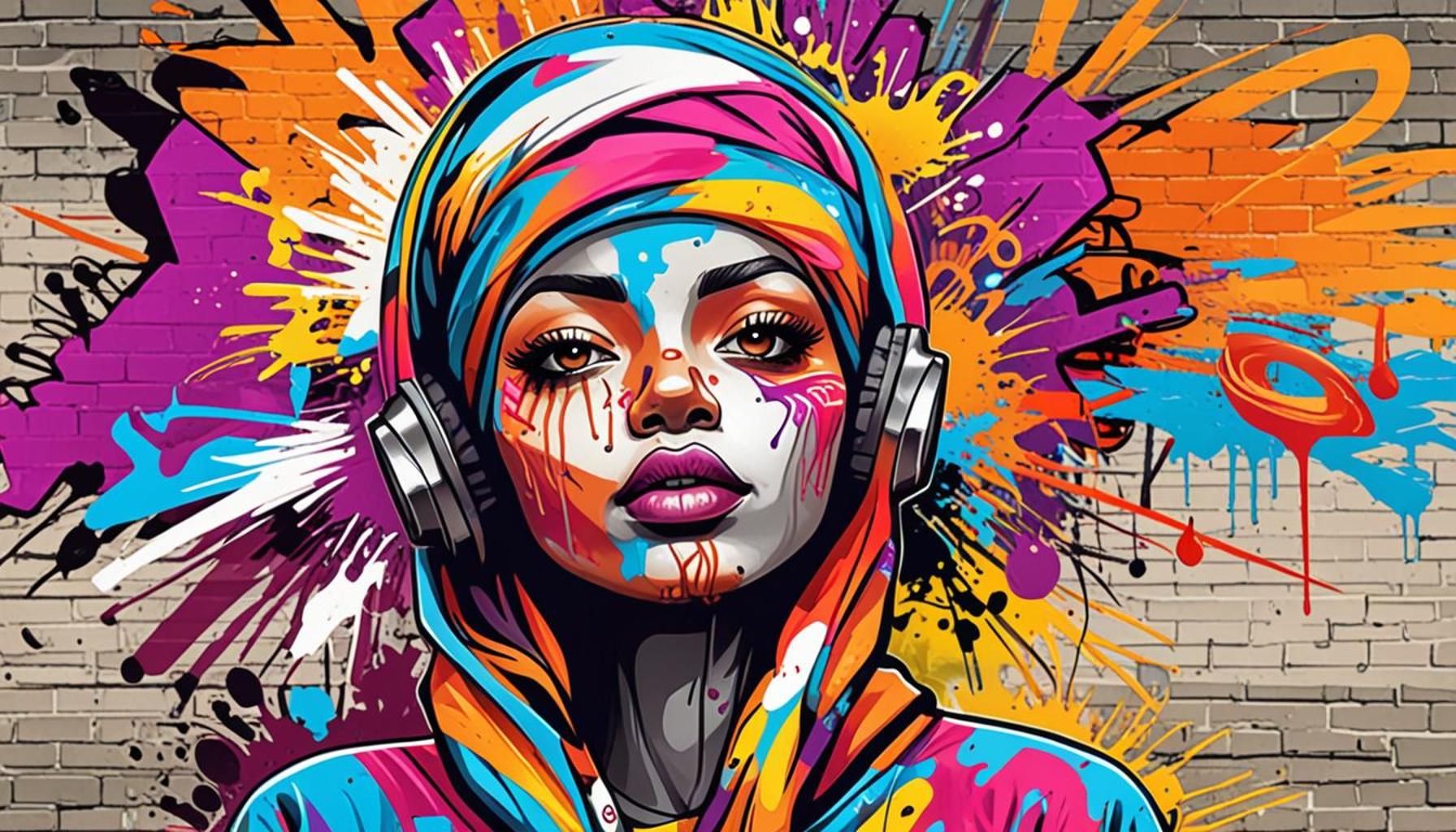
The Cultural Significance of Graffiti in America
Graffiti has long been a canvas for voices that demand to be heard. This vibrant and often controversial form of art transcends mere aesthetics, acting as a powerful vehicle for protest and cultural expression. In cities across the United States, walls come alive with messages that challenge authority and encourage dialogue, transforming urban environments into dynamic galleries of social commentary.
Historical Context
The roots of graffiti in America can be traced back to the 1960s and 1970s, a time when societal upheaval was at its peak. Artists began to use city walls as a means of communication during the civil rights movement, proclaiming messages of hope and resistance. As American society evolved, so did graffiti. For instance, during the rise of the hip-hop culture in the 1980s, graffiti emerged as a prominent form of artistic expression that documented the struggles and aspirations of young, urban youth. More recently, graffiti has become a vehicle for commentary on pressing issues such as immigration, gun violence, and social justice crises. The works of street artists like Banksy, who often incorporates political themes into his pieces, have further elevated graffiti’s significance beyond local neighborhoods to a global audience.
Voice for the Voiceless
Graffiti serves as a poignant platform for marginalized communities, giving them an opportunity to articulate their struggles and aspirations. In New York City’s Harlem, vibrant murals have emerged in response to police violence and racial injustice, encapsulating the sentiments of those who feel unheard. The “Black Lives Matter” movement saw an explosion of powerful graffiti across the nation, with many artists using their work to pay tribute to victims of police brutality while simultaneously calling for change. In such instances, graffiti transforms public spaces into not just art but protest, allowing communities to engage in dialogue that challenges systemic oppression.
Cultural Identity
Beyond activism, graffiti reflects diverse backgrounds and influences, showcasing the unique identity of neighborhoods and ethnic groups. From the zesty murals of Los Angeles that depict Chicano heritage to the intricate designs found in Philadelphia’s “Mural Mile,” each piece tells a story about its community. Artists often draw inspiration from their cultural heritage, utilizing traditional symbols and styles to celebrate their identities in an urban setting. This cultural tapestry enriches the broader narrative of American society, demonstrating how graffiti can foster a sense of belonging and pride among residents.
As society grapples with issues such as inequality, police brutality, and environmental concerns, graffiti artists have responded by transforming urban landscapes into open-air galleries of protest. The bold imagery and poignant slogans encourage viewers to question the status quo and engage in conversations that might otherwise be overlooked.
Exploring graffiti as an art form reveals layers of meaning, challenging preconceived notions about creativity and activism. This article will dive deeper into the importance of graffiti, unveiling its role as a catalyst for societal change and cultural narrative in modern America. Through the lens of this dynamic medium, we begin to understand the profound impact that visual art can have on community engagement and social consciousness.
DIVE DEEPER: Click here to discover the benefits of art on mental health
Expression through Art: The Role of Graffiti in Social Movements
The power of graffiti as a form of protest and cultural expression lies in its ability to convey complex messages in an instantly recognizable format. In a world inundated with information, graffiti distills the essence of discontent into striking visuals and incisive phrases that capture attention and provoke thought. This art form serves not only as a reflection of societal challenges but also as a catalyst for change, sparking conversations that often echo through communities and beyond.
Graffiti as a Catalyst for Change
Across the United States, graffiti has evolved into a potent symbol of resistance, particularly during moments of social upheaval. For example, during the protests following the tragic killing of George Floyd in 2020, murals and graffiti sprung up in cities from coast to coast, featuring everything from powerful portraiture to bold declarations of “Black Lives Matter.” The immediacy of graffiti offers a temporal response to injustices, allowing artists to address current events in real-time and ensure that the voices of the marginalized are included in the national narrative.
According to studies, graffiti increases visibility for movements that might otherwise be overlooked. Some statistics suggest that as many as 60% of urban residents are exposed to graffiti messages that resonate with their personal experiences, stimulating awareness and empathy. The art form’s accessibility makes it an excellent medium for communities lacking traditional platforms for expression. In this way, graffiti democratizes the act of communication, allowing anyone with a spray can and a message to participate in the dialogue.
Prominent Themes in Graffiti
Several recurring themes in graffiti highlight its deep connection to cultural and social narratives. Among them are:
- Social Injustice: Many graffiti pieces directly confront systemic challenges, including racism, economic inequality, and police brutality.
- Identity and Heritage: Artists often draw from their backgrounds to create works that celebrate their cultural legacies while simultaneously critiquing contemporary societal issues.
- Environmental Concerns: As climate change continues to be a pressing issue, graffiti artists are utilizing their platforms to broadcast urgent messages regarding sustainability and environmental protection.
Given the ongoing evolution of urban dynamics in America, graffiti can serve as both a reflection of current sentiments and a historical record, documenting how communities respond to pressures in real-time. As cities continue to grapple with gentrification, political division, and social unrest, graffiti artists capture the essence of their surroundings, transforming blank walls into spaces of dialogue, dissent, and empowerment.
By exploring the multi-faceted nature of graffiti, we begin to appreciate its significant role as both artistic expression and a powerful mechanism for societal reflection and activism. In the next sections of this article, we will delve further into the implications of graffiti as a necessary form of protest, its influence on cultural identity, and how these vibrant creations can inspire future generations to challenge the status quo.
| Advantage | Description |
|---|---|
| Social Awareness | Graffiti brings attention to societal issues, encouraging dialogue and reflection among communities. |
| Cultural Identity | It serves as a canvas for cultural expression, allowing artists to showcase their heritage and values. |
Throughout history, graffiti has emerged as a powerful tool for change, carrying sentiments that resonate with various social movements. One significant advantage is its capacity to raise social awareness. Artists use urban spaces to express urgent messages about inequality, discrimination, and injustice. This form of protest enables communities to engage actively in discussions that might otherwise go unheard. The visual nature of graffiti captivates attention, compelling passersby to confront these pressing issues head-on.Moreover, graffiti can encapsulate the essence of a community, making it a critical vessel for cultural identity. Artists often incorporate local symbols, language, and traditions into their work, reflecting the community’s unique history. This not only fosters pride among local residents but also educates outsiders about the nuances of a culture. Thus, graffiti transcends mere vandalism, serving as a vital medium for both protest and cultural dialogue. By choosing to explore this dynamic art form, one can uncover a rich tapestry of stories and messages waiting to be seen and understood.
DISCOVER MORE: Click here for eco-friendly gardening tips
The Cultural Significance of Graffiti: Beyond Protest
While graffiti is undoubtedly a visible response to societal injustices, its essence goes beyond mere activism. It encompasses a rich tapestry of cultural narratives that reflect the diversity of urban life in the United States. Graffiti serves as an open canvas for artists to define and assert their identities while challenging mainstream perceptions and societal norms. The conversations ignited by these works often inspire broader discussions surrounding race, gender, sexuality, and class, ultimately fostering a greater understanding of the intersectionality within these issues.
Graffiti and Community Identity
In many urban areas, graffiti has become an integral part of local identity. Neighborhoods often use it to establish a sense of place and community. For instance, the vibrant murals in neighborhoods like Bushwick in Brooklyn and the vine-covered walls of the Wynwood Art District in Miami reflect not only artistic talent but also the cultural heritage of the communities they represent. These works encapsulate stories of resilience and pride—transforming urban landscapes into living art galleries and making the intangible essence of community visible.
In cities with rich histories of immigrant populations, graffiti often features bilingual messages or symbols that bridge cultural divides. This form of expression fosters a dialogue that validates the experiences and contributions of diverse communities. Statistical insights reveal that approximately 75% of urban graffiti in multilingual neighborhoods incorporates elements from multiple languages, showcasing cultural intersectionality in a powerful and engaging manner.
Graffiti as a Tool for Education and Awareness
Beyond identity, graffiti can serve as an educational tool, particularly for young people. Artists have begun engaging in collaborative projects with schools and community organizations to create murals that are not only visually appealing but also informative. These projects often address pressing social issues such as mental health, voting rights, and the importance of civic engagement, turning walls into platforms for learning and discussion.
For example, the collaborative mural project “Art in the Streets” in Los Angeles unites local graffiti artists with students to create pieces that engage communities in dialogues about their histories and futures. Such initiatives encourage young people to value their voices and perspectives, showing them how they can impact their communities positively.
Legal and Institutional Recognition
The recognition of graffiti as a legitimate art form has grown significantly in recent years, with cities increasingly embracing its cultural value. Initiatives like the “Graffiti Hall of Fame” in Harlem and exhibitions hosted by major galleries provide platforms that celebrate graffiti artists and validate their contributions to the cultural mosaic of urban life. These efforts help challenge the misconception that graffiti is merely vandalism, reinforcing its place in the ongoing dialogue about urban artistry and innovation.
Moreover, legal access to public walls through initiatives like “paint walls” or organized mural festivals has emerged across various cities, allowing artists to express social commentary without fear of legal repercussions. Such developments demonstrate a growing acknowledgement of the importance of graffiti as a dynamic form of cultural expression that speaks to the heart of societal issues.
As graffiti continues to evolve, it remains essential to explore its multifaceted role in articulating the unique experiences of communities, fostering education, and influencing urban identities. In the following sections, we will examine how graffiti reflects the changing landscape of American cities and its potential to inspire future generations in their quests for justice and self-definition.
DIVE DEEPER: Click here to discover the fusion of tradition and innovation in cooking</p
Conclusion: Graffiti as a Catalyst for Change
In conclusion, graffiti stands as a powerful form of protest and cultural expression that resonates deeply within urban landscapes. It is more than just a means of communication; it acts as a visual narrative that articulates the struggles, identities, and aspirations of diverse communities. From its roots in social activism to its evolution as a recognized art form, graffiti has continually challenged societal norms, encouraging dialogue around pressing issues like race, class, and social justice.
The impact of graffiti is profound, as it fosters community identity, encourages educational initiatives, and provides a voice to the unheard. As seen in projects across the United States, such as the murals in Los Angeles that blend art with social awareness, graffiti transforms public spaces into forums for engagement and expression. This underscores its role as an essential tool in building empathy and understanding in increasingly polarized societies.
Furthermore, the growing acceptance of graffiti by institutions and legal frameworks demonstrates a significant shift in how this art form is perceived. As cities embrace graffiti’s cultural significance, the medium is poised to inspire future generations, not only to reflect on their own experiences but also to advocate for change. By recognizing graffiti’s dual role as both protest and expression, we pave the way for a richer, more inclusive dialogue that values the stories woven into the fabric of urban life.
As we continue to explore and appreciate the myriad expressions of graffiti, it becomes crucial to consider its potential as an enduring catalyst for social change—a vibrant testament to the resilience and creativity of communities across America.
Related posts:
Exploring Artistic Expression Painting Performance Their Intersections
The Benefits of Digital Art as a Form of Creativity and Innovation
The Influence of Art on Mental Health: Exploring Art Therapy as a Creative Hobby
The Evolution of Artistic Expression through Creative Hobbies
The Evolution of Artistic Expression: How New Technologies Are Transforming Creative Hobbies
How Painting and Drawing Help in Emotional Expression

Linda Carter is a writer and creative hobbies expert specializing in crafting, DIY projects, and artistic exploration. With extensive experience helping individuals discover their creative potential and bring their ideas to life, Linda shares her knowledge on our platform. Her goal is to empower readers with practical tips, inspiring ideas, and step-by-step strategies for success in the world of creative hobbies.