The Influence of Craft Making in Technical Education: Preparing the Next Generation of Artisans

Craft Making as a Catalyst for Educational Transformation
Craft making serves as a dynamic and enriching aspect of technical education, transcending the mere act of creating to become an integral part of the educational framework. It taps into the essential hands-on experience that is increasingly regarded as vital in preparing students for a rapidly evolving job market. With the rise of automation and digital processes, educational institutions are finding innovative ways to combine traditional crafting techniques with cutting-edge technology, creating a more versatile learning environment for aspiring artisans.
Educational institutions across the United States are increasingly adopting craft making as a core component of their curricula, owing to its distinctive advantages. For instance, learning through craft making not only imparts technical skills but also nurtures problem-solving abilities and creative thinking. Consider the example of students engaged in woodworking projects; they encounter practical challenges that require them to find effective solutions, whether it’s determining the best type of wood to use or figuring out how to join pieces together securely. These experiences cultivate critical thinking as students assess their choices and navigate various outcomes.
Moreover, incorporating craft making into technical education opens up a myriad of career pathways. By merging traditional skills such as blacksmithing or ceramics with contemporary technologies like 3D printing or CNC machining, students can prepare for careers in innovative fields ranging from custom manufacturing to product design. Vocational programs that offer apprenticeships in craftsmanship allow students to emerge not only with hands-on skills but also with real-world experience that employers value.
The community benefits of craft making are equally significant. Crafting can foster community engagement by bringing together individuals from diverse backgrounds, encouraging collaboration and cultural exchange. Workshops and community programs, such as local makerspaces, often cultivate environments where people can learn from each other while sharing their unique perspectives, thereby bridging social gaps. These interactions highlight the importance of crafting as a tool for building community ties.
Furthermore, as educational initiatives continue to intertwine craft making with modern disciplines, we witness an enhancement of learning experiences. When students create tangible products, their engagement and retention of knowledge improve exponentially. Programs that encourage innovation through hands-on learning frequently see students developing solutions for global challenges, inspiring a new wave of adaptability and forward-thinking necessary for today’s world.
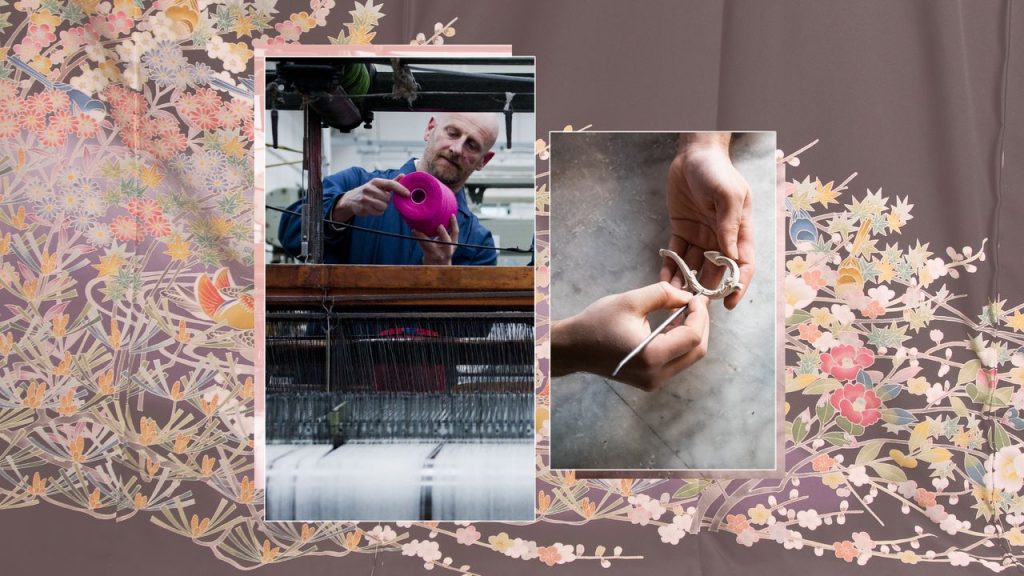
Preservation of traditional crafts plays a crucial role as well. Integrating time-honored techniques with new methodologies not only keeps these skills alive but also enriches the overall educational experience. Students learn the history and cultural significance behind various craft forms, instilling a sense of pride and continuity that resonates beyond the classroom.
As we continue to explore the profound impact of craft making in technical education, it becomes evident that this approach is pivotal in shaping skilled artisans and a capable workforce for the future. By understanding its influence, educators, policymakers, and industry leaders can together foster an environment that not only honors tradition but also embraces innovation, ensuring that the next generation is well-equipped to meet the challenges of tomorrow.
DIVE DEEPER: Click here to explore the intersections of painting and performance
The Diverse Skills Cultivated through Craft Making
Craft making offers a treasure trove of skills and competencies that are crucial in the realm of technical education. By immersing students in hands-on activities, craft making fosters a unique blend of practical knowledge and soft skills necessary for success in various fields. This multifaceted approach helps students not only in their academic endeavors but also in their future careers as artisans.
One of the standout aspects of craft making is the development of technical proficiencies. Students who engage in craft-based education acquire a range of skills that directly correlate to their desired professions. For instance, those interested in woodworking will learn not just how to saw and sand but also how to design functional pieces while adhering to safety standards. Meanwhile, students venturing into textiles may delve into sewing techniques, dyeing methods, and even pattern creation. This extensive skill set enables them to grasp complex concepts within their chosen disciplines.
Furthermore, craft making promotes critical thinking and creative problem-solving, attributes that are increasingly prized by employers. When students face challenges, such as figuring out how to create a stable structure from various materials or balance different design elements, they must think creatively and critically assess their options. Such experiences empower them to develop solutions that may not be immediately apparent, cultivating an innovative mindset that is essential for any professional environment.
- Collaboration: Students often work together in teams during craft projects, enabling them to cultivate teamwork and communication skills.
- Attention to Detail: Craft making necessitates precision, fostering a keen awareness of minutiae that can significantly affect a project’s outcome.
- Time Management: As students juggle multiple tasks within their projects, they learn to prioritize and manage their time effectively, a critical skill for any career.
In addition to technical skills and soft skill development, craft making also opens doors to entrepreneurial opportunities. By learning how to market their creations and understanding customer needs, students can transform their passions into viable businesses. Workshops on product pricing, branding, and digital sales platforms provide real-world knowledge that prepares students to navigate the complexities of running a craft-focused business. Recent data shows that over 40% of artisans and makers in the United States have transitioned their craft into full-time or part-time businesses, highlighting the potential for self-employment in this arena.
Ultimately, the influence of craft making in technical education extends beyond individual skill development; it serves as a vital link between traditional crafting techniques and contemporary industry demands. By embracing this blend, educators are not only preserving valuable skills but also inspiring the next generation to innovate and excel, ensuring that they are well-equipped for the modern workforce.
| Advantage | Description |
|---|---|
| Enhanced Problem-Solving Skills | Craft making involves hands-on practice which fosters critical thinking and creative problem-solving skills. Students learn to tackle real-world challenges through innovative solutions. |
| Promotion of Cultural Heritage | Integrating craft making into education helps preserve and promote local cultural legacies. Students gain appreciation for traditional techniques, creating a deeper connection to their culture. |
| Boost in Employability | Craft skills are highly valued in the job market, enhancing employability for graduates. Technical education infused with craft making equips students with practical skills that employers seek. |
| Collaborative Learning Environment | Craft making often requires teamwork, fostering a collaborative learning environment that encourages peer interaction and shared knowledge among students. |
The integration of craft making in technical education not only prepares the next generation of artisans but also enriches their overall educational experience. Students are encouraged to think outside the box and embrace creativity, which is essential for personal growth and societal contributions. By intertwining traditional craftsmanship with modern technical skills, educators can mold a holistic curriculum that addresses both practical and theoretical learning, paving the way for a brighter future in the arts and crafts domain. This multifaceted approach not only cultivates skilled artisans but also instills a strong sense of cultural identity and responsibility among students in today’s fast-paced, technology-driven world.
DISCOVER MORE: Click here to delve into how artistic expression enhances well-being
Integrating Technology with Craft Making
As the landscape of education evolves, technology integration in craft making has emerged as a game-changer in technical education. The confluence of traditional techniques and modern tools equips students with the necessary competencies to thrive in an increasingly digital world. Educators are harnessing advancements such as computer-aided design (CAD) software, 3D printing, and CNC (computer numerical control) machines, which enhance the craft-making process and reflect industry realities.
For instance, students learning woodworking can utilize CAD to create intricate designs and prototypes before executing physical cuts. This method not only reduces waste but also ensures a higher degree of precision. Additionally, schools like the School of Visual Arts in New York are incorporating these technological elements into their craft programs, allowing aspiring artisans to master both the art and science of their trades. By exposing learners to tools that are becoming standard in various industries, educational institutions prepare students for the high-tech workforce.
Moreover, the rise of digital crafting platforms has transformed the way students approach craft making. Platforms such as Etsy and Pinterest have empowered aspiring artisans to share their creations with a global audience. Through these digital avenues, students are not only learning how to create but also how to market and sell their work. This understanding of e-commerce and digital marketing adds significant value to their education, fostering a comprehensive skill set that aligns with current market trends.
- Social Media Engagement: Students can leverage platforms like Instagram and TikTok to showcase their craft journeys, gaining visibility and building a personal brand.
- Online Learning Resources: Websites and tutorials provide supplementary education, enhancing traditional classroom learning and offering advanced skills at students’ fingertips.
- Networking Opportunities: Virtual craft fairs and workshops create connections among artisans and potential employers or collaborators, fostering community among makers.
Moreover, this emphasis on technology helps cultivate an entrepreneurial spirit among students. The craft economy is flourishing, with recent statistics showing that the craft market in the U.S. is valued at over $44 billion. By teaching students how to harness technology in creating and marketing their crafts, educational institutions are preparing them not just as artisans, but as future business owners capable of launching their own ventures.
Additionally, the burgeoning field of sustainability in craft making is finding its place in technical education. With the rising awareness around environmental issues, students are encouraged to explore sustainable materials and practices. Programs around upcycling and responsible sourcing are gaining traction, teaching students to create beautiful and functional items while minimizing ecological impact. This not only aligns with current consumer trends but also endows students with ethical considerations paramount in modern craftsmanship.
The intersection of technology and traditional craft making is not merely a trend; it represents a necessary evolution in technical education. By preparing students to navigate both creative and digital realms, educational institutions are ensuring that the next generation of artisans is equipped with a robust and relevant skill set, ready to thrive in a diverse and ever-changing job market.
DISCOVER MORE: Click here to dive into a world of musical exploration
Conclusion
In summary, the influence of craft making in technical education is profound, shaping not only the skills of future artisans but also their ability to adapt to a rapidly changing workforce. The integration of traditional craftsmanship with modern technology has transformed educational paradigms, where students learn to create innovative solutions that align with market demands. As they master advanced tools like CAD and 3D printers, they are simultaneously honing their artistic skills, ensuring their relevance in both creative and technical fields.
The rise of the craft economy, valued at over $44 billion in the U.S., highlights the importance of teaching students not just to craft, but also to navigate the intricacies of e-commerce and digital marketing. With platforms like Etsy and social media providing global reach, aspiring artisans can build their brands and establish meaningful connections within their communities. This entrepreneurial spirit, paired with the ethical approach to sustainability, not only enriches their educational experience but also prepares them to meet the expectations of conscious consumers.
As technical education continues to evolve, fostering innovation, creativity, and sustainability through craft making is not just valuable; it is essential. By investing in these educational practices, we empower the next generation of artisans to lead with both technical prowess and a sense of social responsibility, opening pathways to success that embrace artistry, technology, and sustainability. In exploring this blend, future artisans will not only thrive in their trades but also inspire a culture that respects craftsmanship in all its forms.
Related posts:
The Impact of Craft Making on Education: Developing Creative Skills in Children and Young People
The Importance of Craft Making in the Preservation of Traditional Artisan Techniques and Their Conte...
Integrating Technology into Craft Making: Digital Tools for Modern Artisans
The Influence of Social Media on Craft Making: How Digital Platforms Transform Artisans and Their Wo...
Craft Making and Community: How Workshops and Gatherings Foster Social Connections
Craft Making as a Tool for Social Inclusion: Promoting Diversity and Accessibility in the Arts

Linda Carter is a writer and creative hobbies expert specializing in crafting, DIY projects, and artistic exploration. With extensive experience helping individuals discover their creative potential and bring their ideas to life, Linda shares her knowledge on our platform. Her goal is to empower readers with practical tips, inspiring ideas, and step-by-step strategies for success in the world of creative hobbies.