The Influence of Handicrafts on Mental Health and Well-Being
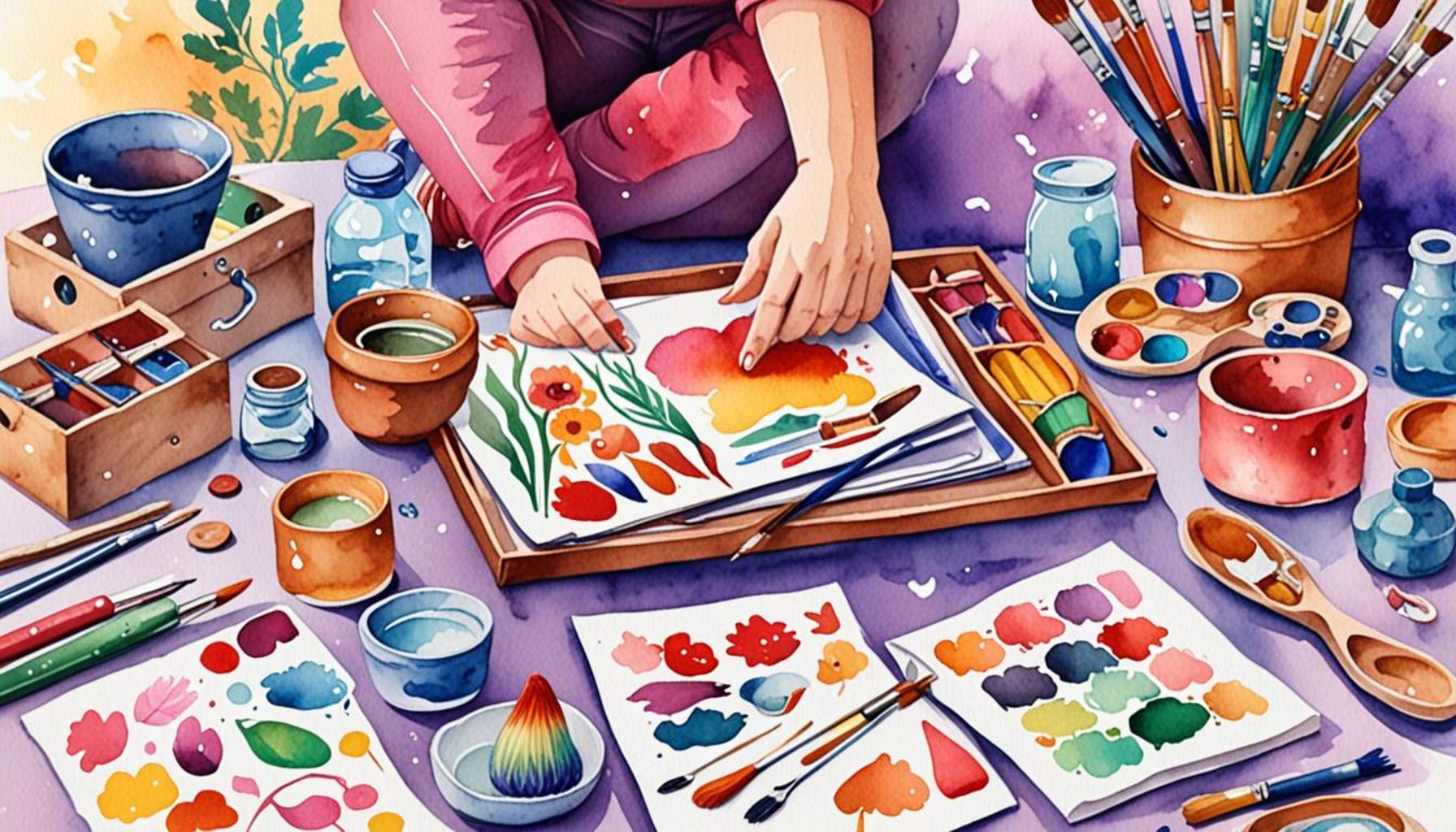
Exploring the Benefits of Creativity through Handicrafts
Engaging in handicrafts is far more than a mere pastime; it serves as a powerful conduit for enhancing mental health and overall well-being. A plethora of research highlights how these activities can inspire creativity, alleviate stress, and cultivate a rewarding sense of accomplishment. When people take time to immerse themselves in crafts, the effects on their mental wellness can be profoundly transformative.
Improves Focus and Reduces Stress
Participating in handicrafts allows individuals to focus their thoughts and energy on a single tangible project. This concentration can momentarily push aside daily stressors that weigh heavily on the mind. For instance, individuals who turn to activities like woodworking, crochet, or painting often find that the deep focus required in these tasks helps them to ‘zone out’ from external pressures. Psychologists note that this distraction can lead to relaxation, making crafts an effective method not only for reducing anxiety but also for enhancing overall mental clarity.
Enhances Mood and Emotional Well-being
Research indicates that crafting induces the release of endorphins—hormones that are often colloquially referred to as the body’s “feel-good” chemicals. Whether it’s through knitting a cozy scarf or sculpting a piece of ceramic art, the sense of achievement that accompanies creating something with your hands contributes to a notable uplift in mood. According to a study conducted by the University of California, engaging in creative activities for just 45 minutes a day can lead to significant improvements in emotional health.
Promotes Mindfulness
The repetitive motions involved in many crafting activities can evoke a meditative state, pulling individuals into the present moment. This kind of mindfulness—characterized by a heightened awareness of thoughts and sensations—can be engulfing. Crafts like embroidery or weaving invite practitioners to pay attention to each thread and stitch, thereby allowing them to experience a sense of peace and calmness. This heightened state can serve as an antidote to the rapid pace of modern life.
The Social Benefits of Crafting
Beyond individual benefits, engaging in handicrafts often encourages social interaction. Group classes or community workshops are widely available across the United States, enhancing social ties and fostering friendships. For example, knitting circles can be found in many local libraries and community centers, acting as safe spaces for connection and support. These communal environments not only alleviate feelings of loneliness but also facilitate sharing knowledge about different techniques and crafts.
Skill Development and Cognitive Enhancement
Embarking on new crafting endeavors can bolster self-esteem and improve cognitive functions. Whether learning how to sew, paint, or carve, the process frequently requires problem-solving and critical thinking. As individuals absorb new skills and techniques, they also gain a renewed sense of self-efficacy—an essential component of mental resilience. Various therapeutic settings now recognize the potential of crafts as treatments for conditions such as depression and PTSD, emphasizing their valuable role in holistic mental health care.
In conclusion, the rich relationship between handicrafts and mental health is a testament to the idea that fostering creativity can lead to marked improvements in emotional well-being. With a broad spectrum of handicrafts available to explore, individuals are invited to embrace their creative side and uncover the potential for transformation that lies within. By nurturing a creative spirit, one may discover not only personal joy but also deeper connections with the community and an enhanced sense of self.
DISCOVER MORE: Click here to learn about the benefits of artistic expression
The Therapeutic Power of Handicrafts
Handicrafts are often seen as simple hobbies, but their impact on mental health and well-being goes far beyond casual engagement. The act of creating something with one’s hands can foster a deeper connection to oneself and the surrounding world, offering therapeutic effects that resonate throughout various facets of life. Through these creative endeavors, individuals can find solace, purpose, and healing. Here we delve into the multifaceted benefits that handicrafts offer, especially within the context of mental health.
Building Resilience through Creative Expression
Handicrafts provide an excellent platform for expressing emotions that might otherwise be difficult to communicate. Many people engage in crafting as a coping mechanism during challenging times, allowing them to channel feelings of sadness, anxiety, or frustration into their creations. This expressive outlet serves not only as a means of processing emotions but also as a form of self-therapy. Studies conducted by the American Art Therapy Association highlight that creative expression through crafts such as painting, sculpting, or jewelry-making can significantly lower symptoms of depression and anxiety. By transforming emotions into physical creations, individuals are able to foster a sense of agency and control over their mental state.
Expanding the Mind through Problem Solving
Engaging in handicrafts involves various cognitive processes that activate different areas of the brain, promoting growth and enhancing cognitive function. Here are just a few ways in which crafting stimulates the mind:
- Critical Thinking: Many crafting activities, like sewing or woodworking, require planning, execution, and the refinement of techniques. These processes demand analytical thinking and adaptation in the face of challenges.
- Attention to Detail: Crafting often necessitates a keen focus on intricate aspects, improving concentration skills over time.
- Memory Enhancement: Remembering patterns, colors, and techniques contributes to cognitive development, especially in adults and seniors.
By engaging in such mentally stimulating activities, individuals not only improve their crafting skills but also experience positive enhancements in memory and critical thinking abilities. Furthermore, this cognitive engagement can play a significant role in staving off cognitive decline as one ages.
Creating a Sense of Belonging
In addition to personal benefits, handicrafting often encourages social interaction, creating a vibrant community around shared interests. Whether it’s through workshops, online forums, or local craft fairs, the communal aspect of crafting fosters connections that can alleviate feelings of isolation and loneliness. Participating in group projects or classes allows individuals to learn from one another, share techniques, and cultivate friendships. The National Craft & Hobby Association highlights that these social interactions can effectively boost mental health by developing a support system that reinforces emotional well-being.
As we continue to explore the integral relationship between handicrafts and mental health, it becomes increasingly clear that the simple act of creating can yield profound benefits. By tapping into creative outlets, individuals can enhance their emotional resilience, cognitive function, and sense of community—all vital components of a fulfilling and balanced life.
| Category | Benefits |
|---|---|
| Stress Relief | Engaging in handicrafts can significantly reduce stress levels, as the process requires focus and fosters mindfulness. |
| Creativity Boost | Participating in crafts nurtures creativity, leading to improved problem-solving skills and enhanced mental acuity. |
| Community Connection | Crafting can create social bonds, reducing feelings of loneliness and isolation by fostering a sense of belonging. |
| Mindfulness Practice | Handicrafts encourage a state of mindfulness that can enhance emotional regulation and overall mental health. |
Handicrafts have long been recognized for their therapeutic properties. The benefits transcend mere engagement in creative activities; they play a pivotal role in improving mental well-being. Crafting not only acts as a stress-reliever, allowing individuals to immerse themselves in the work, but also promotes mindfulness, creating a meditative experience that calms the mind. Research shows that when individuals focus on their handmade projects, they can shift their attention away from daily stressors.Moreover, crafts can trigger a creativity boost, encouraging fresh ideas and perspectives that can be beneficial in various aspects of life. The act of creating something tangible fosters a sense of accomplishment that is gratifying, enhancing one’s self-esteem and resilience. As individuals involved in handicrafts connect with others who share their passion, they build important community ties which contribute to enhanced social well-being.The profound impact of these activities on mental health and well-being encourages further exploration into the therapeutic benefits of handicrafts. For those seeking an avenue for emotional healing or personal growth, embracing the world of crafting can be a transformative experience.
DISCOVER MORE: Click here to learn about sustainable gardening techniques
The Role of Mindfulness in Crafting
Engaging in handicrafts also serves as an excellent form of mindfulness practice, allowing individuals to immerse themselves in the present moment. This focus on the here and now can offer a reprieve from daily stressors, enhancing overall well-being. Mindfulness in crafting involves being fully absorbed in the creative process—each stitch in knitting, every brushstroke in painting, or the distinct texture of clay in pottery. This concentrated engagement not only fuels creativity but also induces a state of relaxation that can significantly lower stress levels.
Reducing Stress and Anxiety
Research shows that engaging in handcrafted activities can effectively lower cortisol levels, the primary hormone associated with stress. According to a study published in the Journal of Positive Psychology, just 45 minutes of art-making can result in a 75% reduction in cortisol. Individuals report feeling calmer and more focused after participating in crafting activities. Practices such as quilting or embroidery, which involve repetitive motions, have been shown to provide a meditative effect, distancing the creator from anxiety-provoking thoughts and fostering a sense of peace.
Avenue for Personal Growth and Achievement
Handicrafts can also serve as a pathway to personal growth and a sense of accomplishment. As individuals enhance their skills and complete projects, they gain confidence in their abilities. This journey of creation often presents new challenges that require perseverance and problem-solving, contributing to personal resilience. The satisfaction derived from finishing a project—whether it’s a hand-knit scarf or a handcrafted piece of furniture—can spur feelings of pride and self-worth. A report from the Craft Yarn Council indicates that 80% of crafters feel a sense of accomplishment from their creations, which further strengthens their emotional resilience.
Exploring Diverse Handicrafts
Moreover, the wide array of available handicrafts allows individuals to explore various forms of self-expression, making it an inclusive space for all. For instance, woodworking can foster a strong sense of tradition and craft, while digital crafting—such as graphic design or online DIY projects—appeals to younger generations who are tech-savvy. Unique crafts such as candle-making, pottery, and even soap-making provide individuals with diverse avenues through which they can connect with their passions and interests. This variety ensures that everyone can find a craft that resonates with them, enhancing their engagement and the mental health benefits that come with it.
The Intersection of Crafting and Cultural Identity
Handicrafts also play a role in celebrating and preserving cultural identities. Traditional crafts often carry historical significance and offer a means for individuals to connect with their heritage. Engaging in culturally significant handicrafts can reinforce social bonds while simultaneously providing safeguarding for ancestral techniques. For diverse communities within the United States, participating in craft workshops that emphasize cultural storytelling can bolster a sense of identity and belonging. This, in turn, can improve mental health outcomes by reinforcing ties to community history and ancestry, providing individuals with a greater sense of purpose and place.
As these dimensions of the influence of handicrafts on mental health and well-being unfold, it becomes evident that the impact of creative activities reaches deep into personal and cultural realms. The therapeutic benefits, expanded cognitive abilities, and opportunities for community building that arise from handicrafting join together to create an inviting landscape for promoting mental health and overall well-being.
DISCOVER MORE: Click here to uncover the therapeutic benefits of gardening
Conclusion
The exploration of handicrafts presents compelling evidence of their profound impact on mental health and well-being. As we have seen, engaging in craft activities serves not only as a creative outlet but also as a therapeutic mechanism that fosters mindfulness, reduces stress, and cultivates personal growth. From knitting gentle patterns to sculpting unique pottery, individuals experience a transition into a state of relaxation, diverting their minds from anxiety and promoting emotional stability.
Moreover, the diversified nature of crafts allows everyone to find their niche, whether through traditional methods that celebrate heritage or modern innovations appealing to younger generations. This inclusivity fosters a sense of community, linking individuals to their cultural identities and strengthening their social bonds. Handicrafts reaffirm a unique connection to personal and cultural narratives, enhancing a sense of belonging and promoting overall well-being.
As studies indicate, investing time in crafts not only reduces cortisol levels but also instills a sense of achievement that reinforces self-esteem and resilience. By acknowledging the significant benefits of handicrafts, it becomes evident that they are more than mere pastimes; they are powerful tools for enhancing mental health. The growing interest in crafting communities across the United States highlights the potential for even broader public engagement, leading to a healthier and more creative society. In our quest for better mental health, exploring the art of crafting may very well be a vital step toward enriching our lives and well-being.
Related posts:
Artistic Expression Through Fashion: Creating Identity and Personal Style
The Role of Theatre in the Exploration of Personal and Social Identity
How Painting and Drawing Help in Emotional Expression
The Importance of Music as a Form of Artistic Expression in Everyday Life
The Impact of Visual Arts on the Perception of Reality and the Creation of Emotional Connections
The Relationship Between Gardening and Artistic Expression: Cultivating Creativity and Connection wi...

Linda Carter is a writer and creative hobbies expert specializing in crafting, DIY projects, and artistic exploration. With extensive experience helping individuals discover their creative potential and bring their ideas to life, Linda shares her knowledge on our platform. Her goal is to empower readers with practical tips, inspiring ideas, and step-by-step strategies for success in the world of creative hobbies.