The Influence of Plants in Interior Decoration: Creating Cozy Environments with Green

Transforming Spaces with Nature
Indoor plants have a remarkable ability to enhance our living spaces. Beyond improving aesthetics, they contribute to overall well-being, creating a serene and inviting environment. As the trend for incorporating greenery into homes continues to rise, it’s essential to explore how these botanical elements can create cozy environments that promote relaxation and connection to nature.
Benefits of Adding Plants to Your Interior
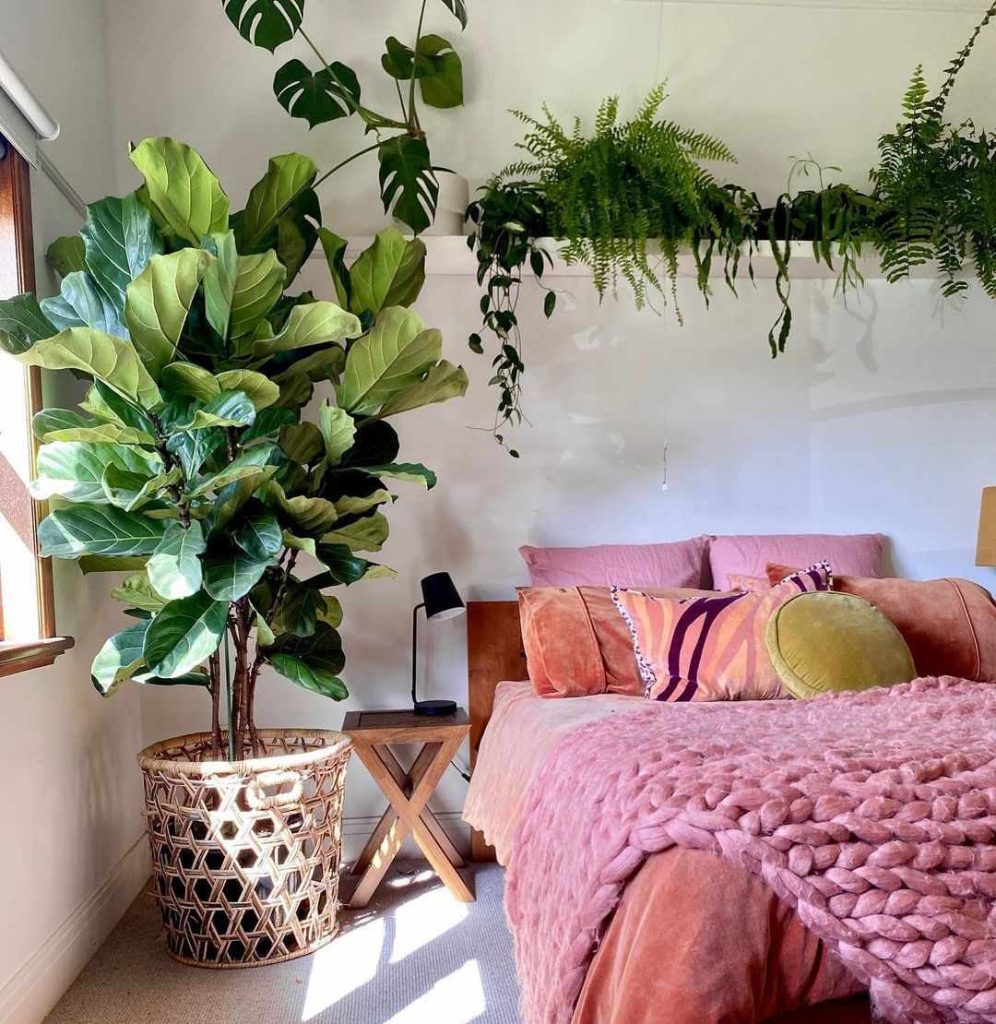
- Aesthetic Appeal: Plants add vibrant colors and textures that can complement any design style. A single tall fiddle leaf fig can serve as a striking focal point in a minimalist living room, while a collection of small potted herbs brings charm and a pop of green to a kitchen window sill.
- Air Quality Improvement: Research from NASA has identified certain houseplants, such as peace lilies and spider plants, that are effective at removing indoor pollutants. By introducing these species into your home, you can promote a healthier living environment, which is crucial in urban areas where air quality can be compromised.
- Emotional Well-being: Studies indicate that having plants indoors can boost mood and reduce stress levels. The sight of greenery is known to invoke feelings of calmness and tranquility. Moreover, gardening and caring for plants can serve as a stress-relief activity, fostering a deeper connection to the natural world.
Research shows that homes adorned with plants can achieve a balance between comfort and style. Some popular choices include:
- Succulents: These hardy plants, such as Echeveria and Aloe Vera, are perfect for those who prefer low-maintenance decor. Their unique shapes and vibrant colors can fit seamlessly into small spaces or serve as eye-catching centerpieces.
- Fern varieties: Plants like the Boston fern or maidenhair fern can add lushness to any room, creating a forest-like ambiance that softens harsh lines and contrasts of modern furniture.
- Snake plants: Known for their striking vertical leaves, snake plants are stylish and resilient, making them ideal for beginners. They require minimal watering, thrive in low light, and are known for their air-cleaning capabilities, which makes them perfect for bedrooms or offices.
As urban living spaces become smaller, the integration of plants presents a unique opportunity to bring nature indoors. From intricate plant arrangements to strategically placed pots, the influence of greenery in interior decoration encourages creativity. Consider using tiered shelves to display a variety of plants, or hanging planters to save floor space while introducing depth and dimension to your décor.
Incorporating plants can also reflect personal style; whether it’s a chic terrarium on your coffee table or a vibrant pothos trailing from a bookshelf, your choices can showcase your personality while enhancing your space.
Let’s delve deeper into how you can utilize plants to achieve your desired aesthetic while creating truly inviting spaces that nourish both the mind and soul, making your home a sanctuary from the bustling world outside.
DISCOVER MORE: Click here to learn how gardening can elevate your mental health
Creating Inviting Spaces with Indoor Greenery
As we spend more time indoors, the role of plants in our living environments cannot be understated. They not only infuse life into otherwise sterile spaces but also foster a sense of well-being. By thoughtfully incorporating greenery, we can transform our homes into tranquil retreats that celebrate the beauty of nature. Understanding the optimal ways to utilize plants can help you harness their potential for creating cozy environments that invite comfort and serenity.
Choosing the Right Plants for Your Space
When integrating plants into your interior decor, it’s essential to consider factors such as lighting, space availability, and personal style. Here are some popular choices that can easily adapt to various environments:
- Pothos: Renowned for its hardy nature, pothos can survive in low light while its trailing vines add a casual elegance to any room. Perfect for bookshelves or hanging planters, this plant brings a relaxed feel to your space.
- Spider Plant: With its arching green and white striped leaves, the spider plant is simple to care for and boasts air-purifying qualities. Its natural inclination to produce ‘pups’ (baby plants) allows for creative display options—imagine a cluster of spider plants gracefully dangling from a bookshelf or hanging basket.
- ZZ Plant: Known for its glossy leaves and resilience, the ZZ plant thrives on neglect. It is ideal for dark corners or offices, adding a contemporary flair to your decor without demanding much attention.
Plants can also be significant conversation starters. Displaying rare or unique species, such as the stunning Monstera Deliciosa or the elegant Orchid, could ignite discussions with guests about their care or origin. Notably, the act of curating your plant collection allows you to express your individual taste while breathing life into your home.
Maximizing Space with Plant Arrangements
Creative plant arrangements can dramatically alter the atmosphere of a room. For instance, creating a vertical garden can be a striking feature in an otherwise unused wall. This not only showcases your plant collection but also makes a bold design statement. Additionally, cluster planting—grouping different plants together—can create a lush, tropical vibe that obscures architectural blemishes and adds depth to your decor.
For more compact living situations, consider incorporating plants into your furniture or architecture, such as using planters integrated into shelves or window sills. This clever integration can effectively minimize clutter while maximizing the calming effects of greenery. Finally, ensure that the pots and planters used resonate with the overall decor theme; choose ceramic or wooden containers for a rustic charm, or sleek metallic pots for a more modern aesthetic.
By understanding how to thoughtfully integrate plants into your home, you can create a sanctuary that nurtures the spirit and promotes relaxation. As we delve deeper, we will explore specific design styles that harmoniously incorporate plants, allowing for a seamless blend of nature and comfort in your living spaces.
| Category | Benefits |
|---|---|
| Aesthetic Appeal | Plants add natural beauty and vibrancy to any space, enhancing the overall design. |
| Improved Air Quality | Greenery can filter toxins and provide cleaner air, creating a healthier living environment. |
| Stress Reduction | Incorporating plants can lead to decreased stress levels and increased feelings of calmness. |
| Enhanced Creativity | Surrounding yourself with plants fosters an inspirational space that promotes creativity and focus. |
Incorporating plants into interior decoration does not merely provide aesthetic beauty, as highlighted in the table above. These living elements create a powerful synergy between nature and human-made environments. The topic, “The Influence of Plants in Interior Decoration: Creating Cozy Environments with Green,” invites readers to explore various ways to integrate plants for more than just decoration.Research indicates that the presence of indoor plants contributes significantly to psychological well-being. The calming effects of greenery can enhance mood and productivity. In modern spaces, where minimalism often dominates, adding a touch of vibrant life helps forge a warmer atmosphere.Additionally, utilizing plants with specific health benefits, such as Snake Plant or Peace Lily, can further improve air quality in tightly enclosed spaces, effectively combating the effects of indoor pollution. The trend of vertical gardens and terrariums has emerged, showcasing the versatility of greenery in apartments and offices, transforming ordinary areas into havens of tranquility and relaxation.As we delve deeper into this green revolution, it is vital to understand that integrating plants into your living environment is not merely a design choice; it is a lifestyle decision aimed at enhancing daily living experiences.
DIVE DEEPER: Click here to uncover the therapeutic benefits of DIY craft making
Incorporating Plants into Diverse Design Styles
As the interior design landscape continues to evolve, it becomes clear that the incorporation of plants plays a pivotal role across various styles. Whether you gravitate towards a minimalist aesthetic or embrace the rustic charm of farmhouse decor, there’s a green companion perfectly suited for your space. The strategic placement of plants can enhance overall harmony, blending the beauty of nature with your unique interior vision.
Modern Minimalism: Less is More with Greenery
The modern minimalist design philosophy emphasizes simplicity and functionality. In this context, plants can serve as focal points, adding subtle yet striking touches to an otherwise understated environment. For example, a single tall fiddle leaf fig plant can command attention while complementing clean lines and neutral color palettes. Similarly, the use of geometric planters can echo the minimalist ethos—think sleek, white ceramic pots that seamlessly integrate into a chic living room.
To maintain the minimalist vibe, choose plants that require less attention, allowing you to enjoy their beauty without cluttering the space. Succulents, for instance, thrive in low-maintenance conditions and are available in various shapes and colors, adding interest without overwhelming your decor.
Bohemian Eclecticism: A Lush Sanctuary
In contrast to minimalism, the bohemian aesthetic celebrates vibrant colors, eclectic patterns, and an abundance of textures. This style invites an array of plants that contribute to a lively and layered atmosphere. Hanging ferns, vibrant pothos, and striking snake plants can create a verdant oasis that brings life into your home.
Layering plants within a bohemian space can be achieved through strategic placement on various surfaces—think plant stands, shelves, and even suspended planters hanging from the ceiling. A corner filled with cascading ivy or a collection of colorful pots can draw the eye, encouraging exploration and interaction within the space.
Industrial Charm: Green Meets Urban
The industrial design style, characterized by raw materials and an edgy vibe, can benefit greatly from the addition of plants. Concrete floors, exposed brick walls, and metal accents create a stark backdrop that can be softened and humanized with greenery. Here, consider incorporating larger plants like rubber trees or palms that can stand up against the rugged elements of industrial interiors.
Additionally, utilizing reclaimed wood planters or metal buckets can help meld the organic with the industrial, infusing warmth into the space. By creating a stark contrast between the hard materials and the softness of plants, it amplifies the comfort factor and challenges the austere nature often associated with industrial decor.
Farmhouse Aesthetic: Nature-Inspired Comfort
In the cozy world of farmhouse design, plants naturally find their place, embracing warmth and nostalgia. Herbs such as rosemary, thyme, or basil are especially fitting for kitchen spaces, both giving off delightful scents and enhancing culinary adventures. On the other hand, larger potted plants such as peace lilies or decorative grasses add life to living areas.
To maximize the farmhouse charm, consider using vintage crates or mason jars as innovative planters, merging functionality with rustic appeal. The ensemble of greenery and comfortable textiles creates a warmly inviting environment that encourages relaxation and gatherings.
By understanding how different design styles interpret the integration of plants, you can align your decorating choices with the characteristics of your home while effectively crafting a personalized, cozy atmosphere. As we dive deeper into this exploration, we will examine how plants contribute to spatial dynamics and psychological wellness within living spaces.
DISCOVER MORE: Click here to learn how music can change your life
Conclusion: Embracing Nature in Our Interiors
The influence of plants in interior decoration is nothing short of transformative, shaping our living spaces into sanctuaries that harmonize nature with design. As we have explored the various design styles—from the simplicity of modern minimalism to the eclectic vibrancy of bohemian decor—it’s evident that plant integration goes beyond mere aesthetics. Plants enhance the emotional and psychological well-being of inhabitants, fostering a connection to nature that is often missing in urban environments.
With a diverse selection of flora available, homeowners can personalize their spaces to reflect individuality while promoting comfort. The role of plants extends beyond mere decoration; they serve as living elements that contribute to improved air quality and heightened mood. As one engages with arrangements like herbal gardens in farmhouse kitchens or striking rubber trees in industrial lofts, it becomes clear that integrating greenery into design is a vital aspect of creating cozy environments.
Moreover, as we continue to navigate a world increasingly distanced from nature, the act of incorporating plants into our interiors offers a simple yet profound remedy. By embracing this green revolution within our homes, we not only beautify our surroundings but also cultivate spaces that resonate with peace and tranquility. So, whether you are redesigning a room or simply adding a few potted plants, consider the rich benefits of greenery in interior decoration—it’s a journey not just for the eye, but for the soul.
Related posts:
Community Gardening: Strengthening Bonds Through Collective Cultivation
DIY: Building Support Structures for Plants in Your Garden
The Art of Vertical Gardening: How to Transform Small Spaces into Vibrant Gardens
Seasonal Gardening: How to Plan and Maintain a Garden That Blooms All Year Round
Urban Gardening: Innovative Techniques for Growing Food in Small Spaces
Sensory Gardening: Creating Spaces that Stimulate the Senses with Plants and Textures

Linda Carter is a writer and creative hobbies expert specializing in crafting, DIY projects, and artistic exploration. With extensive experience helping individuals discover their creative potential and bring their ideas to life, Linda shares her knowledge on our platform. Her goal is to empower readers with practical tips, inspiring ideas, and step-by-step strategies for success in the world of creative hobbies.