Urban Gardening: Innovative Techniques for Growing Food in Small Spaces
The Growing Trend of Sustainable Food Practices
With urban populations soaring, the quest for sustainable food sources has never been more crucial. For many, particularly those residing in apartments or homes lacking substantial outdoor space, urban gardening has become a beacon of hope. This innovative approach to agriculture allows city dwellers to participate in food production, significantly impacting their communities and the environment.
As the urban gardening movement flourishes, individuals are not only engaging with their food sources but are also fostering a shift towards greener living practices. A variety of effective techniques have emerged, catering to diverse living situations and skill sets. Here are some noteworthy methods:
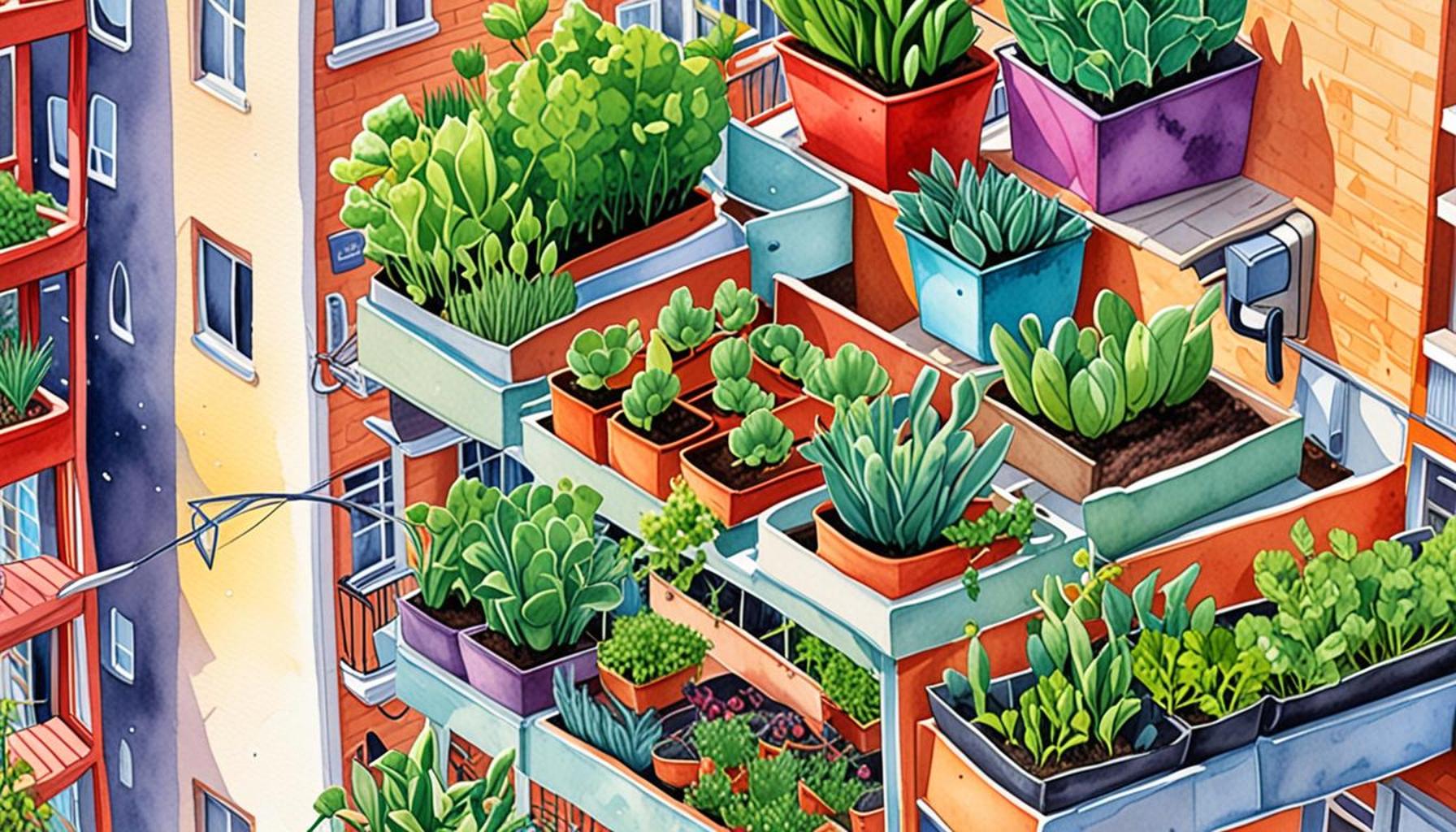
- Vertical gardening: This method cleverly utilizes walls, fences, and other vertical surfaces to maximize space. By growing plants upwards, urban gardeners can cultivate a diverse range of produce, including herbs, leafy greens, and even flowering plants. Some innovative projects feature vertical planters constructed from repurposed materials, enhancing aesthetics while promoting sustainable practices.
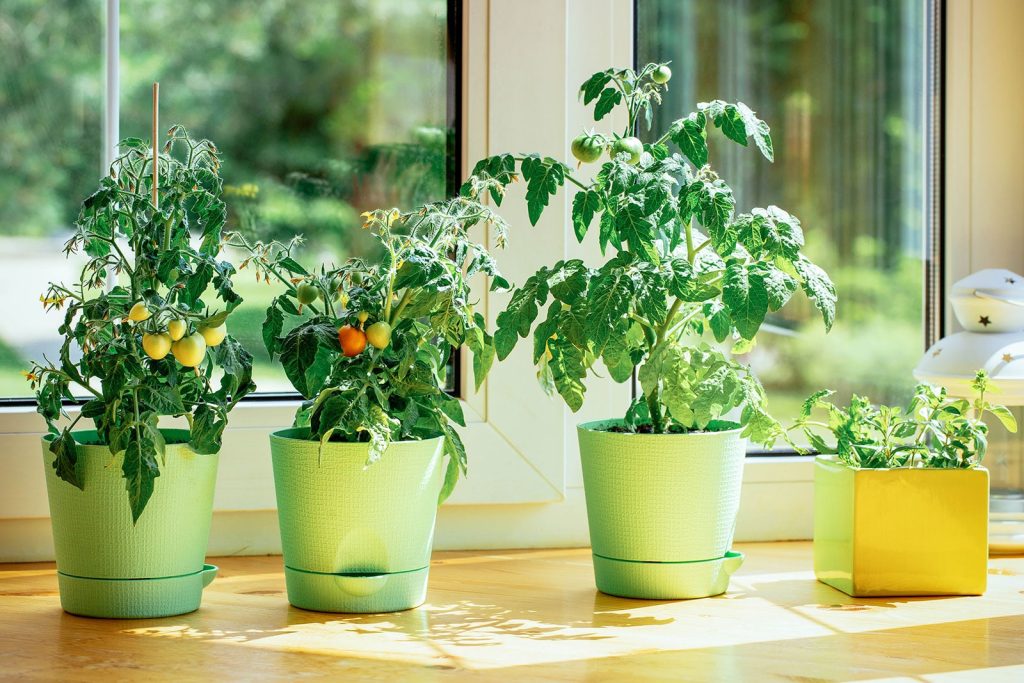
- Container gardening: Ideal for those with minimal outdoor space, container gardening involves growing plants in pots or other containers. This approach allows for flexibility in plant choice and placement, and is particularly popular for growing tomatoes, peppers, and flavorful herbs like basil and thyme. Recycled materials like old buckets or wooden crates can be transformed into charming planters, showcasing both creativity and environmental consciousness.
- Aquaponics: This fascinating technique combines aquaculture (fish farming) with hydroponics, creating a closed-loop system of mutual benefit. Fish waste provides nutrients for plants, while plants help filter and purify the water. Urban residents are increasingly adopting aquaponics systems to grow healthy produce alongside fish, such as tilapia, contributing to a self-sustaining ecosystem right in their homes.
- Hydroponics: In this soil-less cultivation method, plants thrive in nutrient-rich water, creating an efficient and space-saving alternative to traditional farming. Hydroponics systems can range from simple setups—like nutrient film technique rigs—to sophisticated indoor farms. The opportunity to grow a wide variety of produce, such as strawberries and lettuce, makes hydroponics especially appealing for those with limited gardening space.
Urban gardening not only offers the satisfaction of homegrown food but also supports the reduction of carbon footprints associated with transporting produce. By growing their own food, urban gardeners experience fresher flavors and enjoy the convenience of having ingredients at their fingertips.
In the forthcoming sections, we’ll delve deeper into each of these innovative gardening techniques, exploring their benefits and practical applications. Discover how urban gardening can enhance your life and contribute to a more sustainable future. Whether you have a small balcony or a patio brimming with sunshine, there is an exciting and rewarding way to turn your urban space into a green oasis filled with delectable fruits and vegetables.
DIVE DEEPER: Click here to discover more
Vertical Gardening: Maximizing Space and Resources
As urban living becomes more prevalent, the space available for gardening grows scarcer, leading to a surge in vertical gardening as an inventive solution. This technique transforms walls, fences, and even balcony railings into potential garden beds, allowing city dwellers to expand their gardening footprint upwards. By utilizing vertical surfaces, gardeners can cultivate an impressive array of produce ranging from vibrant herbs to climbing vegetables such as cucumbers and pole beans. This not only maximizes space but also adds stunning visual interest to any urban dwelling.
Research indicates that vertical gardens can enhance air quality and even provide insulation to buildings, further intertwining the concept of gardening with sustainable living. By using repurposed materials like wooden pallets or repainted wall planters, urban gardeners not only reduce waste but also contribute to a greener community aesthetic. Notably, cities like New York and San Francisco have embraced vertical gardening, with public installations showcasing the potential of green walls in urban environments.
Container Gardening: Flexible and Accessible Solutions
Container gardening has emerged as a versatile approach that appeals to both novice gardeners and seasoned horticulturists alike. The flexibility to use a variety of containers—from small pots to larger bins—opens the door to growing food in even the most restricted urban spaces. This adaptability allows gardeners to select the best plants for their specific conditions, such as herbs, strawberries, and dwarf vegetable varieties that thrive in confined spaces.
There is a unique charm in transforming everyday items into planters. For instance, old buckets, wine crates, or even tin cans can be converted into colorful garden containers. This practice not only promotes an eco-friendly mindset but also encourages creativity and personalization in gardening. In fact, educational programs in cities like Portland and Chicago are increasingly promoting container gardening to help residents cultivate their own food, even in situations where traditional soil-based gardening is not viable.
Aquaponics and Hydroponics: The Future of Urban Agriculture
For those looking to take their urban gardening skills to the next level, aquaponics and hydroponics offer two innovative, soil-free methods of cultivation. Aquaponics creates a synergistic environment where fish and plants grow together, allowing nutrient-rich water from the fish tank to nourish plants, while the plants help filter and clean the water. This sustainable system effectively doubles the produce output in a minimized space, making it an attractive option for urban residents interested in efficient food production.
Hydroponics, on the other hand, focuses solely on growing plants in nutrient-rich water, eliminating the need for soil altogether. With systems available for small balconies or larger indoor spaces, hydroponics can yield fast-growing crops like lettuce, herbs, and even fruits like tomatoes. The appeal of these techniques lies not only in their high yield but also in their efficiency; without soil, there are fewer pests and diseases to contend with, leading to healthier plants and fewer inputs.
As urban gardening gains momentum, these innovative techniques dramatically reshape the possibilities for self-sufficient food production in cities. The rise in interest surrounding vertical gardening, container gardening, aquaponics, and hydroponics is a testament to our collective desire for a more sustainable and fruitful way of life, even within the confines of our bustling urban centers.
Innovative Techniques for Urban Gardening
Urban gardening has emerged as a vital practice for city dwellers looking to incorporate sustainable food sources into their small living spaces. With rising awareness about food security and environmental issues, innovative techniques for growing food are making it easier than ever to enjoy fresh produce right at home. One of the most popular methods is vertical gardening, which makes use of wall space to create lush, green environments without taking up much room. By utilizing planters that hang or vertical structures, gardeners can maximize their growing area while simultaneously enhancing aesthetics. Herbs, leafy greens, and even strawberries thrive in vertical setups, bringing a touch of nature into urban locales.Another noteworthy technique is container gardening. This method is particularly appealing for those managing limited ground space or living in high-rise apartments. Container gardening enables individuals to customize soil types and plant arrangements, making it possible to grow a variety of vegetables and herbs. Utilizing items like repurposed buckets or decorative pots not only makes gardening accessible but also eco-friendly, aligning with urban sustainability efforts.Additionally, the concept of aquaponics is gaining traction among urban gardeners. This innovative approach combines aquaculture and hydroponics, creating a self-sustaining ecosystem where fish waste fertilizes plants while the plants purify the water for the fish. Aquaponics systems can be set up in small spaces, proving efficient in both space and resource use, and highlighting a symbiotic relationship between flora and fauna.
Advantages of Urban Gardening Techniques
| Category | Key Benefits |
|---|---|
| Space Optimization | Utilizes limited areas through vertical and container options. |
| Sustainable Practices | Promotes the use of recycled materials and reduces carbon footprint. |
With so many innovative techniques available, urban gardening provides a unique opportunity to connect with nature, contribute to sustainability, and enjoy the rewarding experience of growing your own food. Each method not only saves space but also empowers individuals to take an active role in food production, influencing urban ecosystems positively. As cities continue to grow, urban gardening will undeniably play a crucial role in our future endeavors towards green living.
DIVE DEEPER: Click here to discover more about musical styles
Community Gardens: Cultivating Togetherness and Fresh Produce
One of the most heartening aspects of urban gardening is the rise of community gardens. These shared spaces encourage collaboration among neighbors while providing access to fresh produce in areas where personal gardening opportunities may be limited. Community gardens often transform underutilized plots—like vacant lots or park edges—into vibrant, productive spaces that foster connection and camaraderie among participants.
In cities across the United States, such as Detroit, Los Angeles, and Boston, local governments and organizations have initiated community garden programs, recognizing their potential to improve food security and offer educational resources. By coming together, community members not only grow food but also strengthen their bonds, share knowledge, and create a sense of belonging. Many community gardens focus on growing culturally significant crops, allowing immigrant communities to cultivate familiar plants and flavors that are often missing from local grocery stores.
Urban planners further enhance community gardening initiatives by incorporating policies that support garden development and protection against displacement. For instance, Chicago’s “Garden City” initiative emphasizes the importance of green spaces and community gardens as integral parts of urban planning. These hubs of urban agriculture yield produce, promote biodiversity, and serve as green spaces for relaxation and enjoyment in the concrete jungle.
Square Foot Gardening: A Method for Efficiency
Square foot gardening is an ingenious technique that allows urban residents to maximize their gardening output within minimal space. This method divides a garden bed into square sections, each dedicated to a different type of plant. By following a grid layout, gardeners can plant a variety of crops close together, promoting efficient use of resources and reducing waste.
Invented by Mel Bartholomew, square foot gardening advocates suggest that this approach can yield up to five times more food than traditional row planting. The technique emphasizes the use of high-quality soil, which aids in nutrient retention and promotes healthy plant growth. Urban dwellers can apply this method in raised beds on balconies, rooftops, or even small backyards, making it an ideal option for those with limited space.
Moreover, square foot gardening requires less water and reduces the need for chemical fertilizers, aligning with environmentally friendly practices that resonate with many urban gardeners. Additionally, its simplicity makes it accessible for families, schools, and community programs, bringing gardening education to younger generations and fostering a love for fresh, homegrown food.
Edible Landscaping: Blending Beauty with Functionality
Edible landscaping integrates food-producing plants into ornamental landscapes, brilliantly blending aesthetics with functionality. Urban gardeners can create lush gardens filled with fruits, vegetables, herbs, and decorative plants that not only beautify their surroundings but also provide nutritious food sources.
This innovative approach encourages creativity, with numerous design possibilities that utilize front yards, borders, or even rooftops to grow edible varieties. For example, fruit trees can serve as shade providers while simultaneously producing delicious fruits, while flowering herbs can attract beneficial pollinators. Moreover, edible landscapes benefit from zoning laws in some urban areas that prioritize maintaining green spaces and promote local food production.
Community workshops and online resources are increasingly available, helping urban gardeners design their landscapes effectively. Both experienced and novice gardeners can learn about selecting the right plants for their environment, seasonal planting, and companion planting techniques that can boost crop yields. With edible landscaping, individuals can transform their homes into lush and productive retreats, ultimately creating a sustainable food source right at their doorstep.
DON’T MISS: Click here to discover sustainable cooking practices
Conclusion: Embracing the Urban Gardening Revolution
In the face of ongoing urbanization, urban gardening has emerged as a transformative solution, empowering city dwellers to cultivate their own food while enhancing their living environments. Through innovative techniques such as square foot gardening and edible landscaping, individuals can maximize their limited space and create lush gardens that serve both aesthetic and practical purposes. The rise of community gardens exemplifies the power of collaboration, creating inclusive spaces that promote food security and social connections.
As cities grow increasingly dense, it is essential to recognize the potential of these urban gardening initiatives to address pressing issues such as food deserts and environmental sustainability. Community-led efforts, supported by local governments and organizations, can transform neglected areas into thriving green spaces that benefit not just the garden enthusiasts but entire neighborhoods. Additionally, engaging in urban gardening fosters a stronger sense of community and environmental stewardship among residents, simultaneously contributing to a greener local ecosystem.
For those interested in becoming part of this thriving movement, the resources available today—ranging from online tutorials to local workshops—make it easier than ever to get started. Whether you have a rooftop, balcony, or even small window sills, the possibilities for growing your own food are endless. As we embrace the shift toward urban gardening, we not only nurture our bodies through fresh produce but also cultivate a deeper connection to our communities and the urban spaces we inhabit. Urban gardening stands as a testament to the innovative spirit of city life, proving that even in small spaces, we can grow big dreams.
Related posts:
Seasonal Gardening: How to Plan and Maintain a Garden That Blooms All Year Round
Hydroponic Gardening: Growing Plants Without Soil in Urban Environments
Growing Food at Home: The Benefits of Sustainable Gardening
The Art of Vertical Gardening: How to Transform Small Spaces into Vibrant Gardens
Community Gardening: Strengthening Bonds Through Collective Cultivation
Night Gardening: Exploring Plants that Bloom and Shine at Night

Linda Carter is a writer and creative hobbies expert specializing in crafting, DIY projects, and artistic exploration. With extensive experience helping individuals discover their creative potential and bring their ideas to life, Linda shares her knowledge on our platform. Her goal is to empower readers with practical tips, inspiring ideas, and step-by-step strategies for success in the world of creative hobbies.